
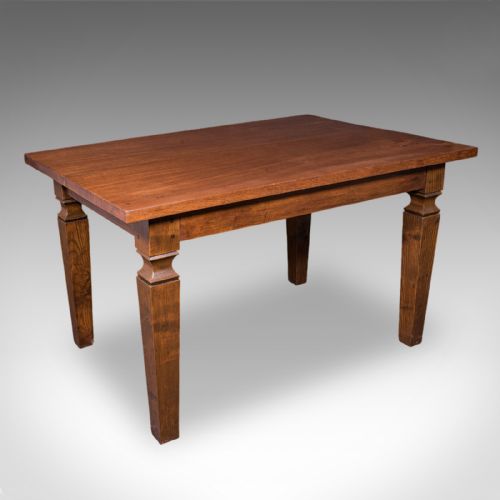
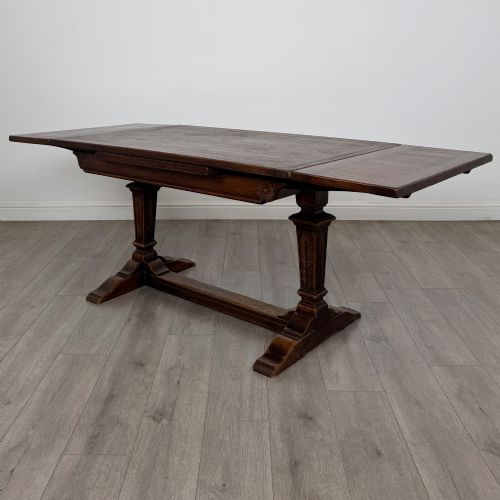
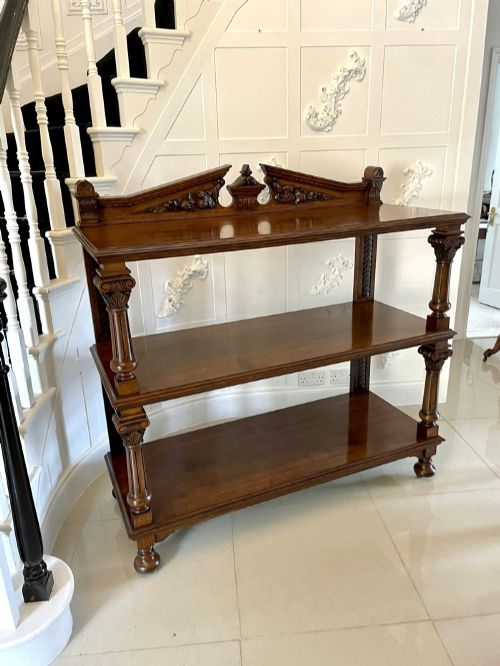
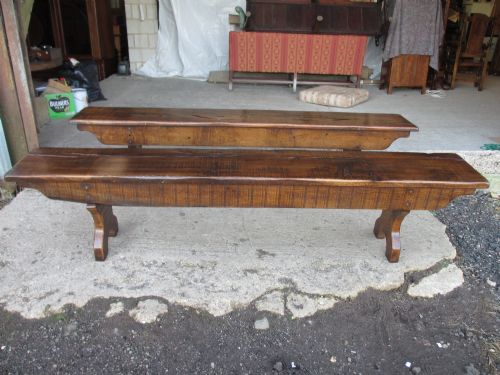
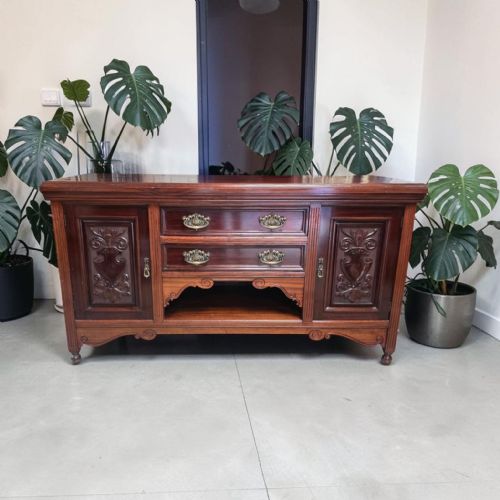
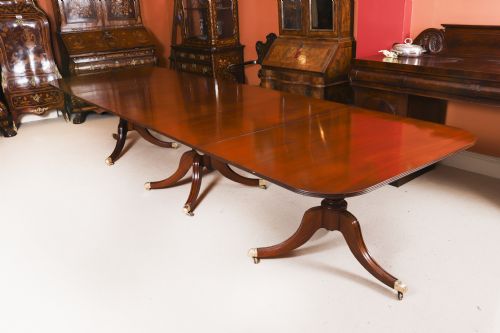


Edwardian Furniture Dining Table
When you select an edwardian furniture dining table, you secure a practical centrepiece shaped by revivalism, crafted from timber like mahogany and oak.
Edwardian Furniture Dining Table
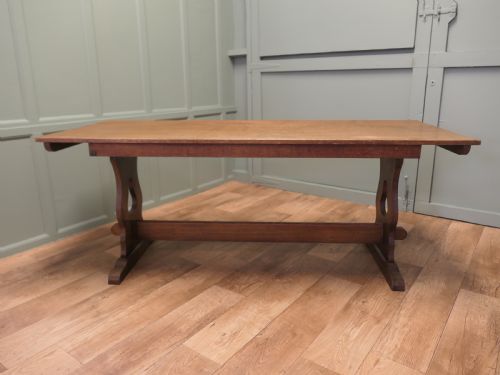
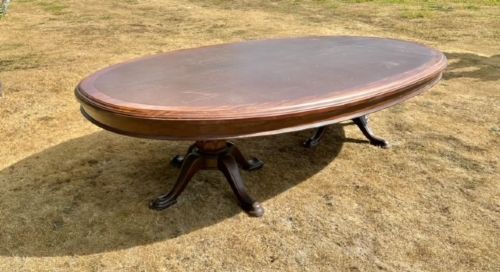
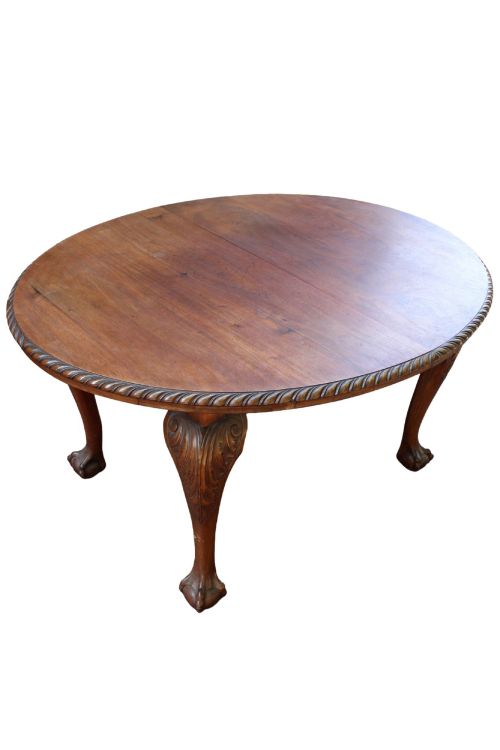
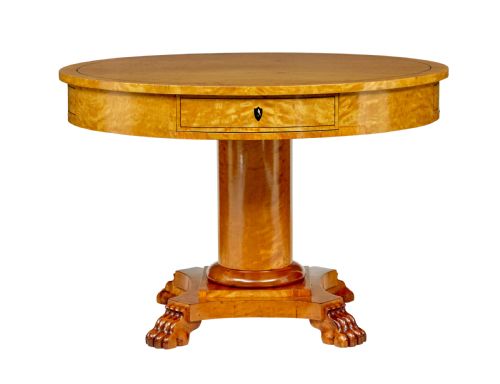
An edwardian furniture dining table encompasses extensions, draw leaves, and boardroom formats spanning the Edwardian era, surrounding periods, and various revivals. Buyers encounter extending mahogany leaves, golden oak refectories, and inlaid walnut centre tables designed for everyday dining or formal hosting.
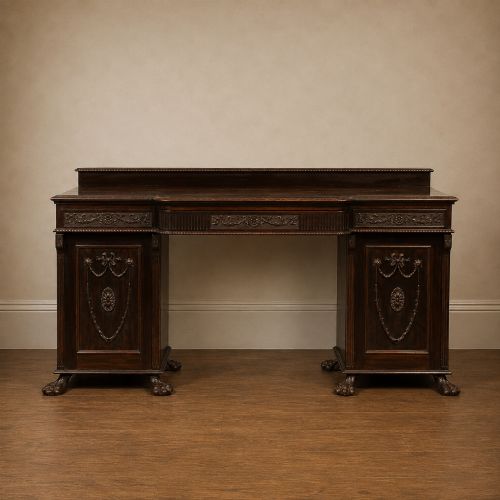
The pieces on this page stem from the nineteenth and twentieth centuries, incorporating styles from Adam, Sheraton, and Regency revivals alongside Arts and Crafts movements. Oak and mahogany dominate the selection, often accompanied by matching sideboards, buffets, and servers.
Materials and Construction
Cabinet makers utilised solid and veneered timbers including mahogany, oak, walnut, and satinwood, supported by brass mechanisms, cast iron, and leather. Tables often feature draw leaves or wind-out mechanisms to adjust surface area.
Carving, inlay work, and shaped trestle ends define the aesthetic execution of these pieces, linking period workshops to revival designs.
Assessing Quality
The standard of a dining table rests on the selection of timber grain, the precision of joinery in extending frames, and the integrity of carved details. Cohesive proportion across leaves and pedestals separates standard commercial production from workshops of higher repute.
The integration of secondary materials, such as brass fittings and inlaid borders, dictates the refinement of the finished piece.
Whytock and Reid·Heals of London·M. D. Miller and Sons
The Edwardian Furniture Dining Table Glossary
- Draw Leaf
- A table design featuring leaves stored beneath the main top that pull out to extend the surface.
- Refectory Table
- A long, narrow dining table traditionally supported by substantial legs and a central stretcher.
- Wind Out Table
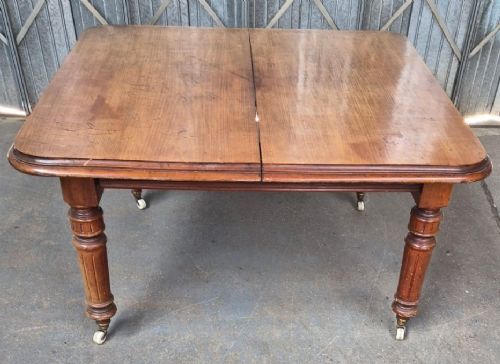
- An extending dining table operated by a handle and internal screw mechanism to insert additional leaves.
- Dumbwaiter
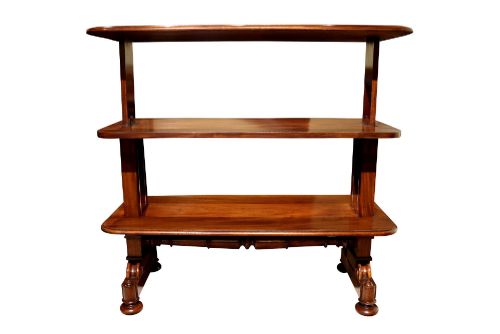
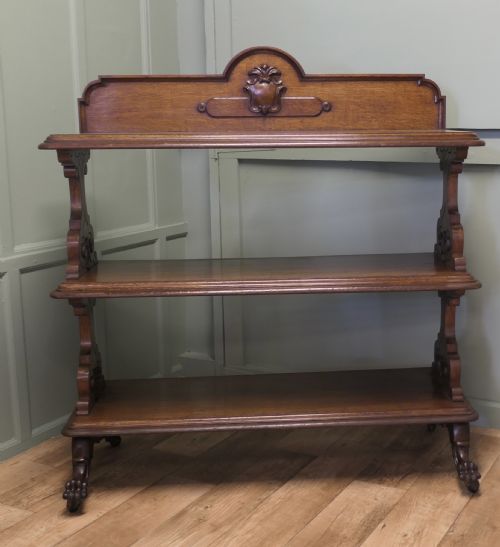
- A tiered shelving unit or small side table used for holding dishes and serving accessories during meals.
Edwardian Furniture Dining Table: Frequently Asked Questions
How do I extend an antique dining table?
Many tables utilise winding mechanisms or pull-out draw leaves concealed beneath the main top. Turning the handle or sliding the leaves separates the sections evenly.
Once the gap opens, insert the matching centre leaves and secure the brass clips underneath to lock the surface in place.
What chairs match an Edwardian dining table?
Edwardian and revival tables pair well with oak or mahogany chairs featuring upholstered seats in leather or traditional fabric. Matching wood tones create a unified dining suite.
Arts and Crafts or Sheraton revival chairs echo the specific aesthetic of the table without needing to form an exact original set.
How do I care for a polished wood surface?
Protect the timber by using mats for hot dishes and coasters for drinks to prevent water rings and heat damage. Regular dusting with a soft cloth maintains the polish.
Apply a traditional beeswax periodically to nourish the mahogany, oak, or walnut and preserve the natural sheen.
Can I seat eight people at these tables?
Extended formats, boardroom tables, and triple pillar designs easily accommodate eight or more diners. Check the fully extended length and leg placement to ensure sufficient seating room.
Draw leaf and wind-out models offer flexible sizing for smaller daily use and larger gatherings.