
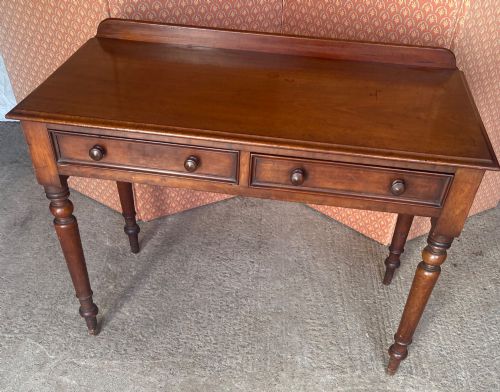
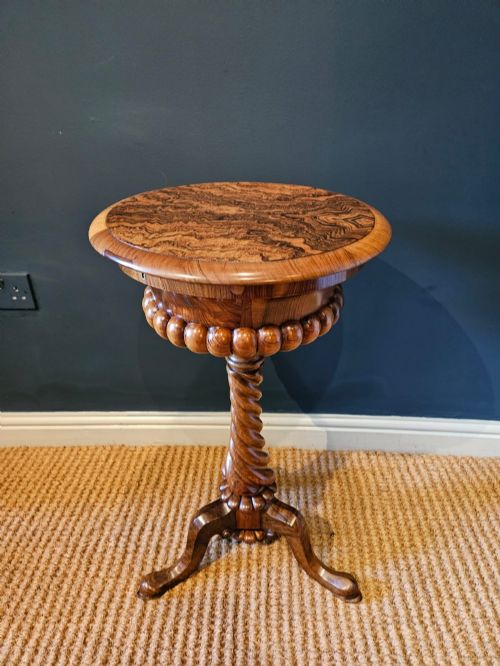
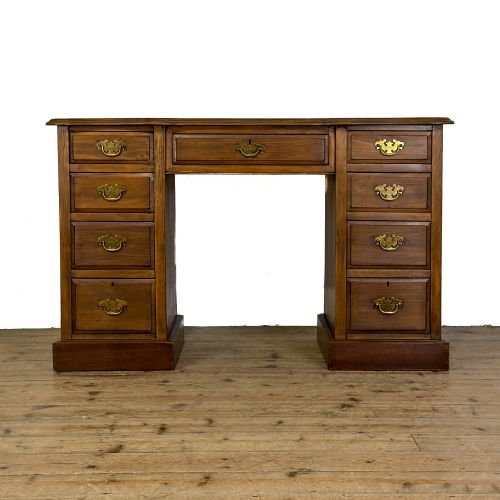
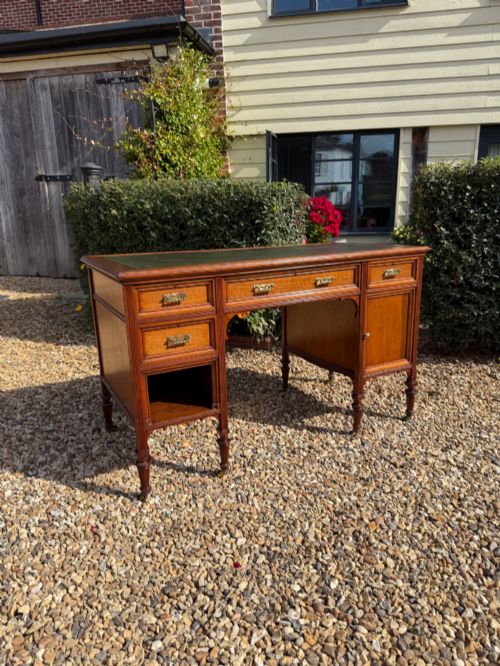
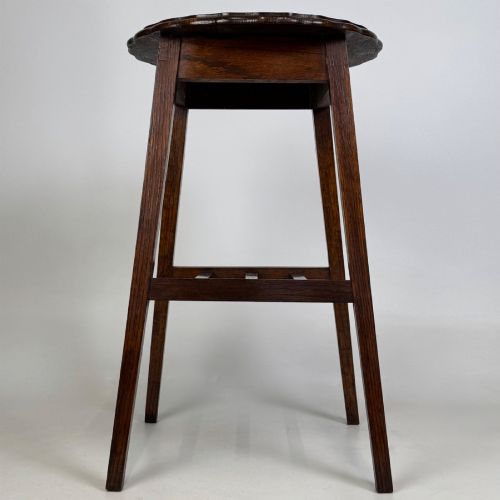
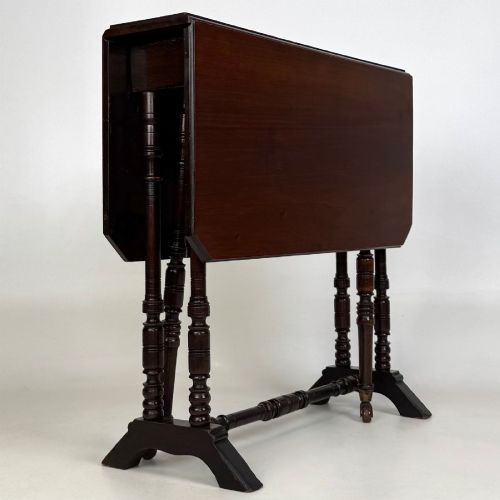
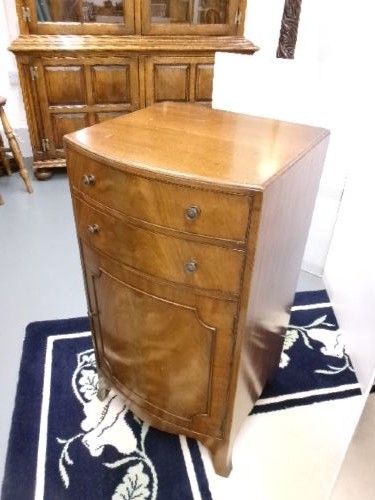
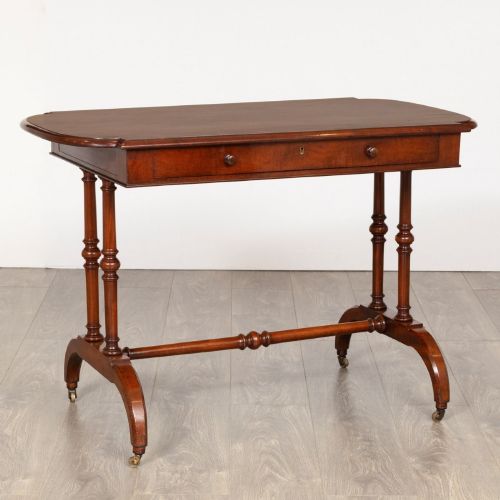
Edwardian Wooden Table
An Edwardian wooden table brings practical surface space and lighter proportions into a room, spanning dining forms to small lamp tables.
Edwardian Wooden Table
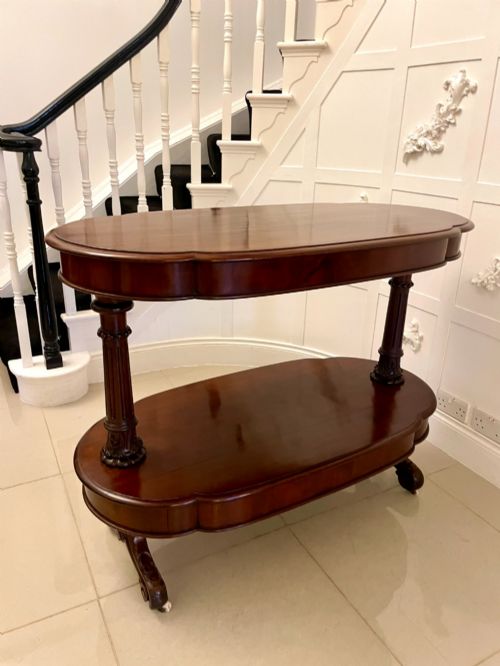
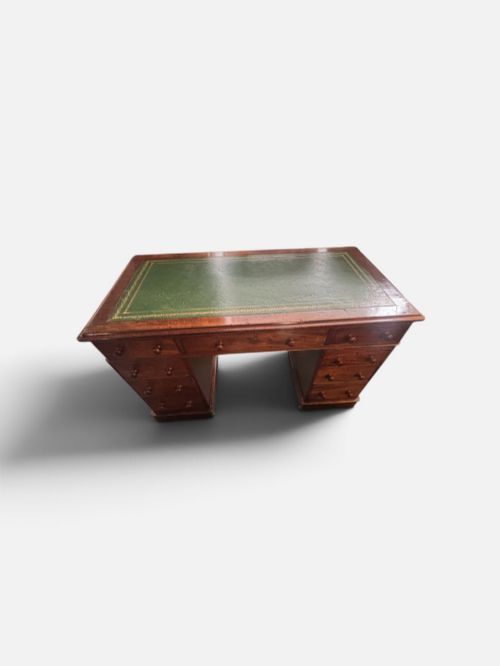
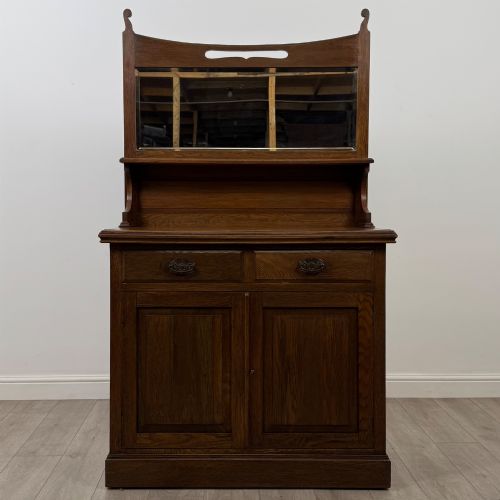
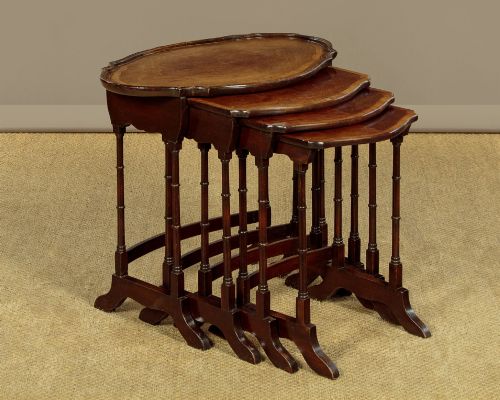
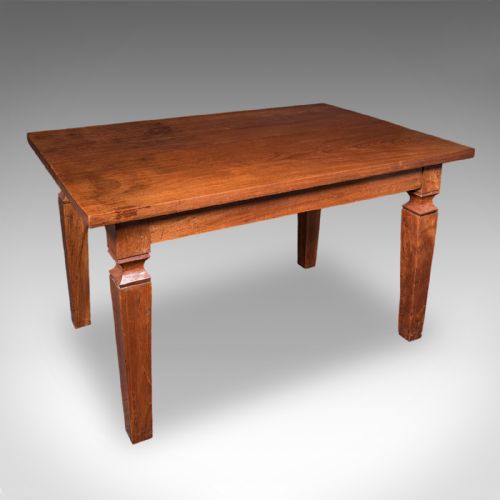
An edwardian wooden table encompasses practical household pieces produced around the turn of the twentieth century, alongside related examples from adjacent periods. Buyers will encounter side tables, occasional pieces, extending dining tables, and compact nests constructed to suit various domestic spaces.
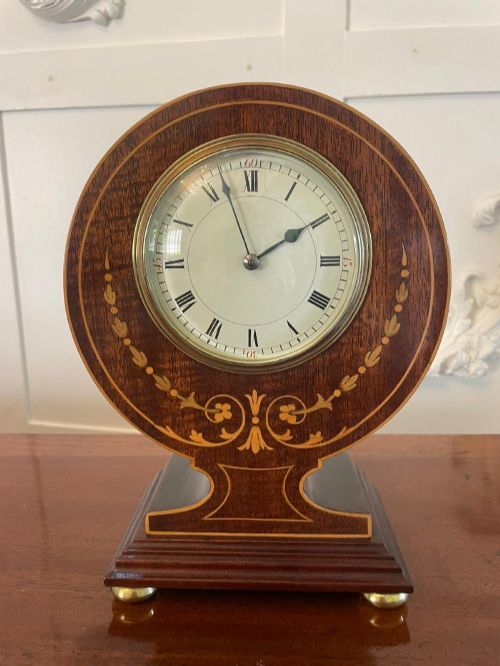
The material palette draws heavily on timbers favoured during the Edwardian era and surrounding decades, including mahogany, oak, walnut, and satinwood. These pieces often feature decorative additions such as wood inlay, boxwood stringing, or brass fittings, reflecting the revival styles popular at the time.
Materials and Construction
Cabinet makers utilised solid hardwoods and selected veneers, applying techniques such as draw-leaf mechanisms for dining tables and drop leaves for smaller occasional pieces. Joinery relied on traditional methods to ensure stability across both heavy refectory forms and lighter occasional items.
Surface ornamentation involved contrasting timbers like satinwood and boxwood inlaid into mahogany or walnut bases, alongside carved details on oak frameworks. Finishes were chosen to protect the wood while highlighting the natural grain patterns characteristic of the period.
Listings feature woods including mahogany, oak, walnut, satinwood, and pine across various Victorian and Edwardian forms.
Assessing Quality
Quality in these pieces is determined by the selection of timber figures, the precision of the inlay work, and the structural integrity of joints and extending mechanisms. Superior examples exhibit well-matched grain patterns, crisp carving, and robust construction that withstands regular daily use.
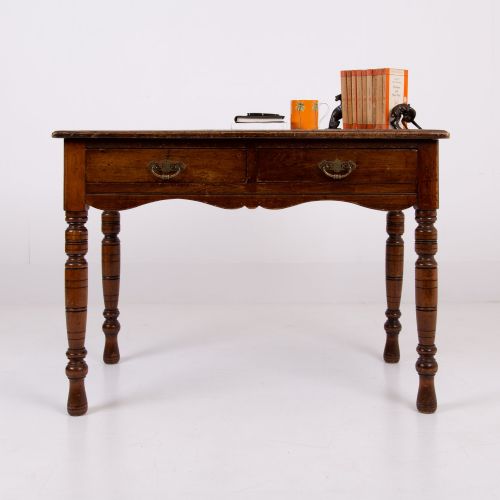
The refinement of hardware, such as original brass handles or hinges, contributes to the overall standard of a table. Consideration is also given to the originality of the finish and the subtlety of stylistic details that link the piece to recognised cabinet-making traditions.
Trevor Page & Co
The Edwardian Wooden Table Glossary
- Inlay
- A technique where pieces of contrasting timber, such as satinwood or boxwood, are inserted into a recessed surface to create decorative patterns. This method adds visual complexity to table tops and friezes.
- Draw-leaf
- An extending table mechanism featuring two leaves stored beneath the main top that pull out to lengthen the surface. It provides flexibility for dining without requiring separate loose leaves.
- Occasional table
- A small, portable table designed for specific, intermittent uses such as holding a lamp or books. These pieces vary widely in shape, including oval, square, and serpentine forms.
- Refectory table
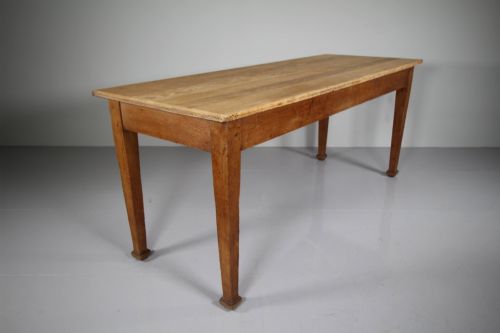
- A long, narrow dining table traditionally supported by trestles or heavy legs with a central stretcher. Edwardian interpretations frequently adopt this sturdy form in solid oak.
- Drop leaf
- A table design featuring hinged flaps on the sides that can be folded down to save space or raised up and supported when extra surface area is required.
Edwardian Wooden Table: Frequently Asked Questions
How do I identify an Edwardian wooden table?
Look for characteristic lighter proportions, Edwardian or Sheraton Revival stylistic influences, and common Edwardian timbers like mahogany, satinwood, and oak. Details such as delicate wood inlay often point to the period.
Examine the construction methods and secondary woods used underneath or inside the piece to confirm the era of manufacture.
Are extending dining tables practical for daily use?
Edwardian extending tables, including pedestal and draw-leaf versions, offer adaptable surface sizes suitable for both everyday meals and larger gatherings. Their mechanisms allow for straightforward adjustment.
Ensure the sliding tracks or leaf supports operate smoothly and remain structurally sound before regular use.
Where should I place an occasional table?
Occasional tables fit well beside seating areas, in hallways, or as lamp tables in living spaces due to their compact footprints. Their varied shapes, from oval to octagonal, help them adapt to tight corners.
Keep them away from direct heat sources and strong sunlight to protect the polished wood surfaces and delicate inlay.
What is the difference between oak and mahogany tables?
Oak tables generally present a robust, heavily grained appearance often associated with Arts and Crafts or refectory designs. Mahogany examples tend to feature smoother, reddish-brown grain patterns suited to formal dining or inlaid side tables.
Both timbers offer durability, but they project distinct aesthetic styles depending on the specific period and intended room.