


Edwardian French Jewellery
Edwardian French jewellery brings together delicate platinum settings, vibrant gemstones, and intricate gold work from the early twentieth century.
Edwardian French Jewellery
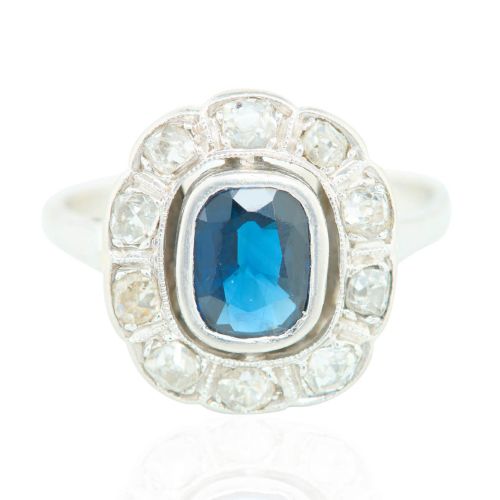
Edwardian French jewellery encompasses a refined range of decorative ornaments and personal accessories originating from France during the late nineteenth and early twentieth centuries. When searching for Edwardian French jewellery, buyers encounter a diverse selection of pieces including diamond cluster rings, ornate gold bracelets, religious pendants, and jewelled brooches. The selection spans distinct stylistic movements such as Belle Époque, Art Nouveau, and early Art Deco, reflecting the changing aesthetic tastes of the era.
Materials and construction methods
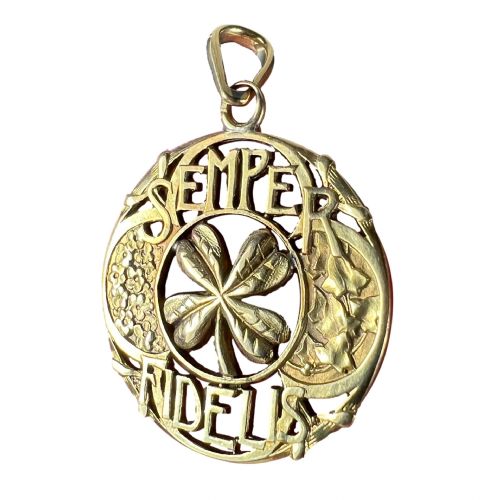
The construction of these pieces relies heavily on precious metals, primarily 18ct yellow gold, 18ct white gold, and platinum. Platinum gained prominence during this era for its strength, allowing jewellers to create lace-like, delicate metalwork that securely held diamonds without bulky settings. Gold remained essential for warmer tones in rings, lockets, and chains, often shaped into ornate floral motifs and clover designs.
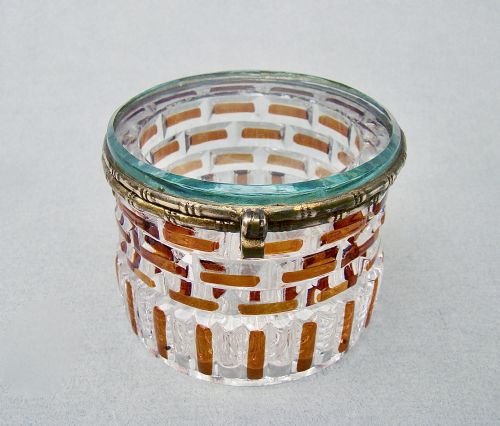
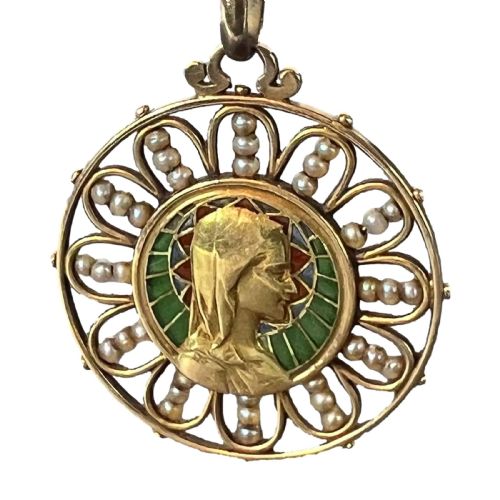
Gemstone selection defines much of the visual impact, featuring old-cut diamonds, deep blue sapphires, rubies, and emeralds. Specialised techniques such as plique-à-jour enamel appear on pendants and charms, creating a translucent, stained-glass effect. Craftsmen also integrated glass elements, mother of pearl, and pearls to add textural contrast to brooches and decorative boxes.
Factors influencing quality
Quality in these items is determined by the precision of the metalwork and the grade of the stones utilised. Pieces featuring intricate hand-engraving, well-matched natural gemstones, and intact plique-à-jour enamel represent the upper tier of the range. The integration of durable platinum rather than lower-carat metals also signals superior craftsmanship.
The complexity of the design and the preservation of original components dictate overall value. Items retaining their original clasps, uncompromised gemstone settings, and clear hallmarks demonstrate better survival through the decades. Lesser examples show signs of heavy restoration, worn prongs, or replaced stones that diminish the integrity of the original piece.
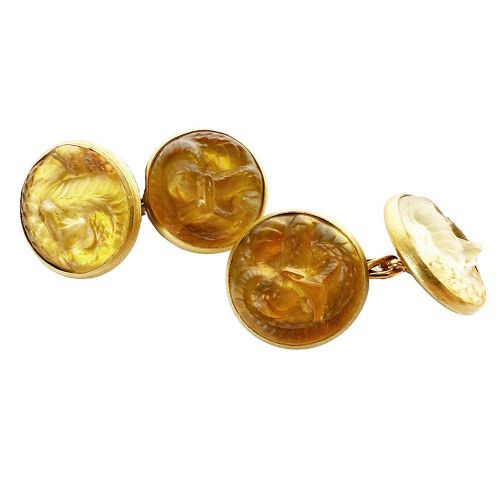
R Lalique
The Edwardian French Jewellery Glossary
- Plique-a-Jour
- An enamelling technique where enamel is applied to open cells without a backing, allowing light to shine through the transparent material. This method resembles miniature stained glass and frequently appears on religious pendants.
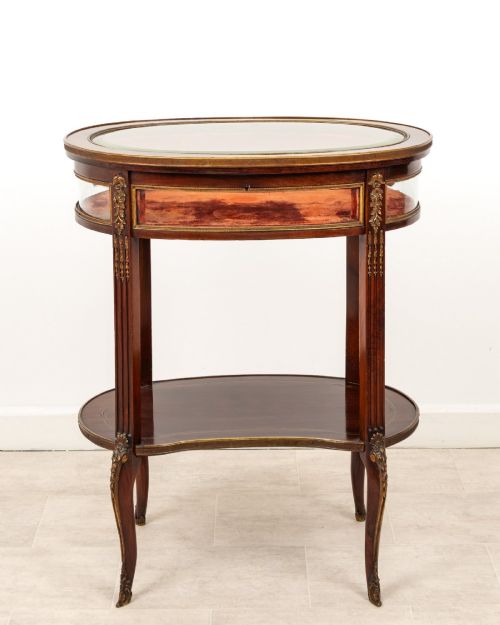
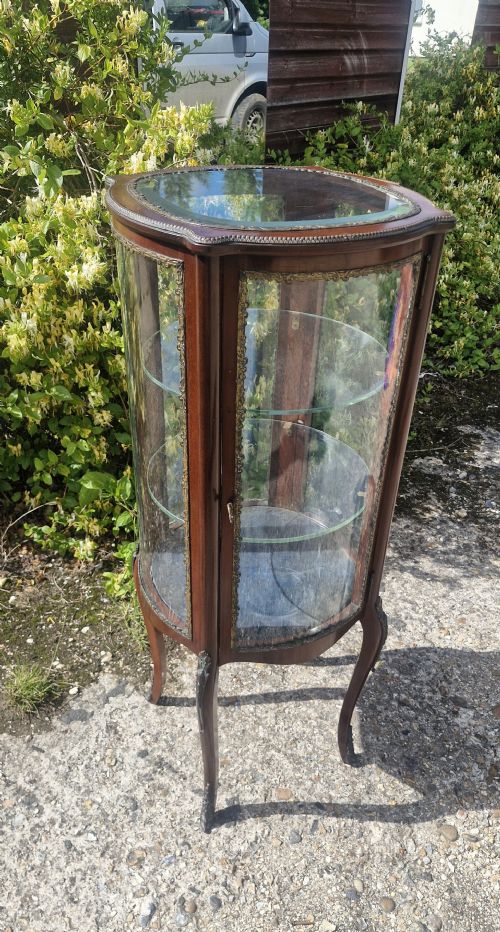
- Bijouterie Table
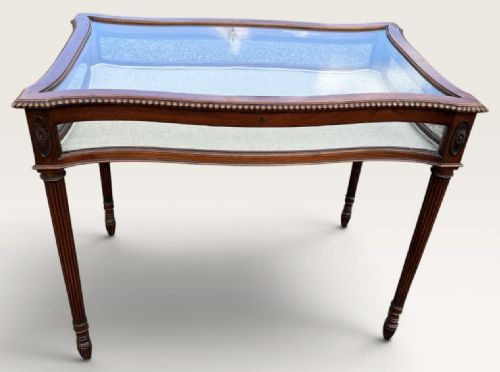
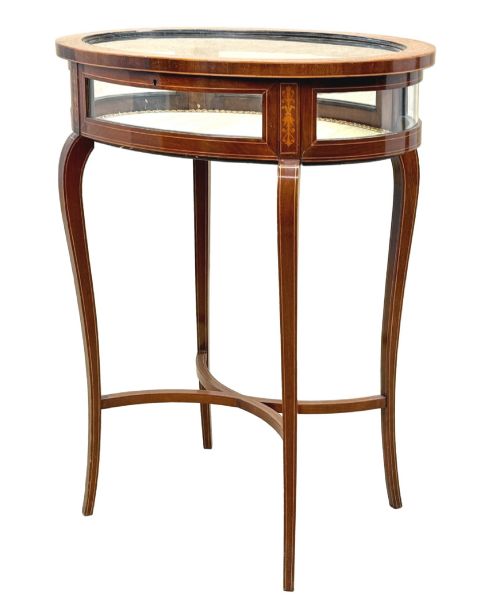
- A specialised glass-topped display table or cabinet designed for showcasing small valuable items, jewellery, and curiosities. These pieces are typically constructed from mahogany or rosewood with brass or ormolu mounts.
- Old Cut Diamond
- A diamond cut popular before the modern brilliant cut was standardised, featuring a smaller table and larger facets that catch candlelight warmly. These stones are characteristic of late Victorian and Edwardian jewellery.
- Longuard Chain
- A long, decorative watch chain worn by women during the nineteenth and early twentieth centuries, often utilised to suspend lockets or eyeglasses. They are typically fashioned from high-carat yellow gold.
Edwardian French Jewellery: Frequently Asked Questions
What defines Edwardian French jewellery?
Edwardian French jewellery is defined by its delicate platinum and gold craftsmanship, use of old-cut diamonds and coloured gemstones, and distinct stylistic ties to the Belle Époque era. These pieces emphasise light, lace-like metalwork and intricate floral or geometric motifs.
Items range from everyday rings and drop earrings to elaborate lockets and religious pendants, all showcasing the technical skill of French workshops from around nineteen hundred.
How should I wear delicate antique rings?
Antique rings from the early twentieth century require careful handling due to their fine platinum settings and delicate old-cut diamond or sapphire arrangements. It is best to remove them during heavy physical activities to protect the intricate metalwork.
Storing them individually in soft-lined boxes prevents scratching against other pieces of jewellery, ensuring the fragile gold or platinum bands remain undamaged.
How can I tell an Edwardian piece from an Art Deco one?
Edwardian pieces generally feature softer, organic motifs such as garlands, ribbons, and floral wreaths rendered in light platinum and yellow gold. The overall aesthetic leans towards romantic and flowing lines.
Art Deco items, emerging later in the period, introduce strict symmetry, bold geometric shapes, and strong colour contrasts using rubies, sapphires, and diamonds set in white gold or platinum.