


Edwardian Fob Pendant
An edwardian fob pendant is a wearable piece of history, combining practical utility with intricate craftsmanship that collectors prize today.
Edwardian Fob Pendant
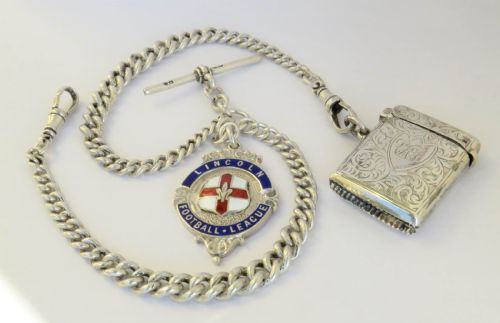
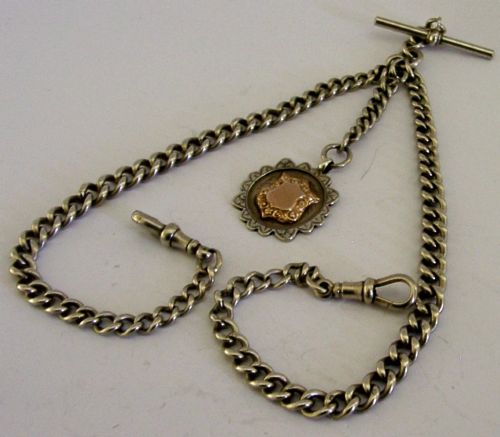
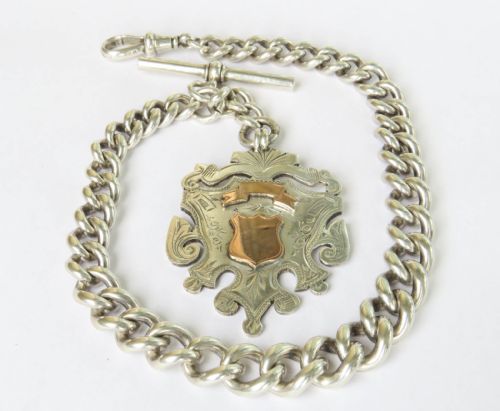
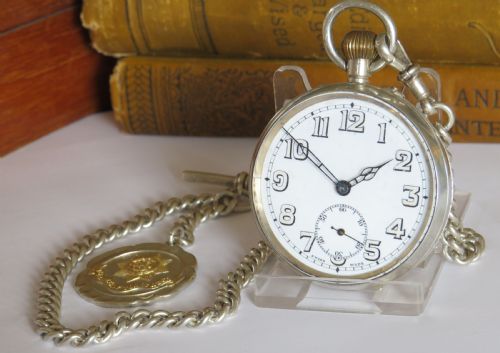
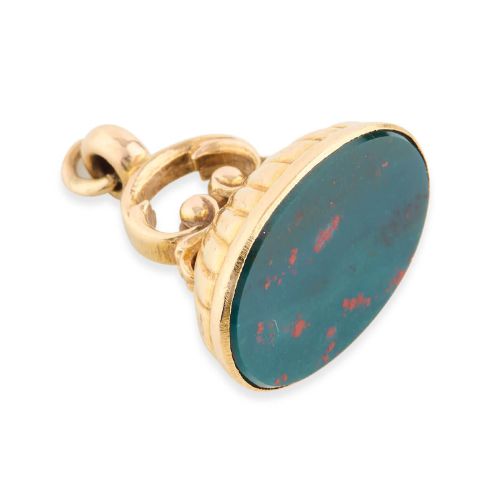
When you search for an edwardian fob pendant, you encounter items originally designed to hang from pocket watch chains, including spinning fobs, seals, and sovereign cases. These pieces span periods from the nineteenth century through the Edwardian era, George V, and into the mid-twentieth century.
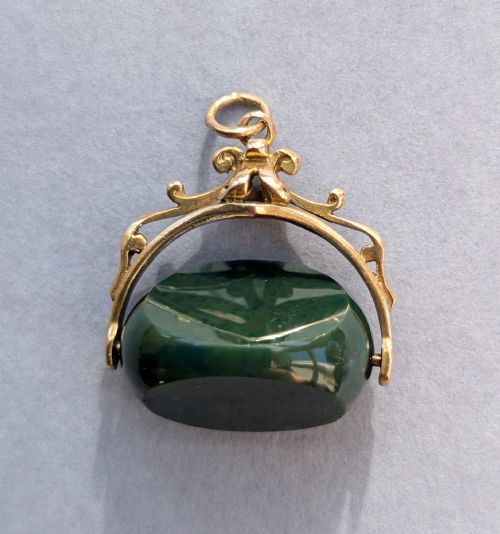
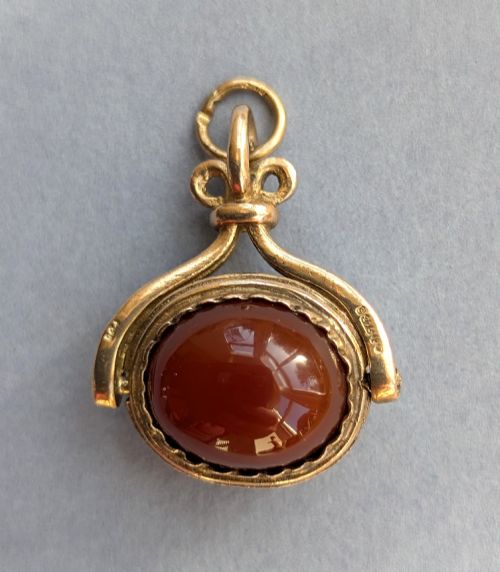
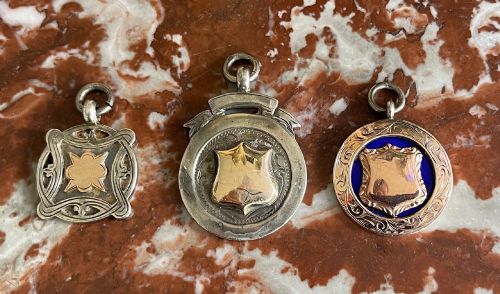
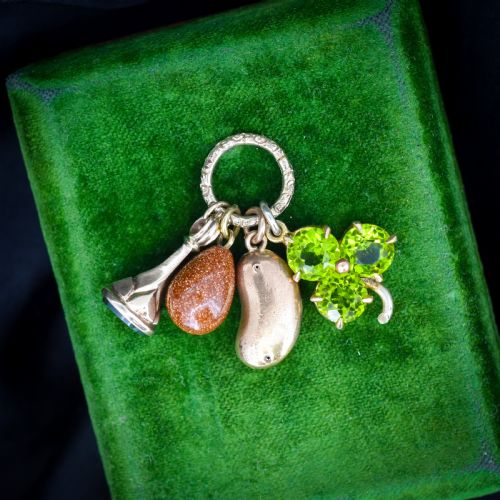
The versions most commonly met on this page include sterling silver and nine-carat gold examples, often featuring bloodstone, cornelian, or engraved details. Alongside traditional seals and spinning fobs, you find novelty items, medals, and charm pendants.
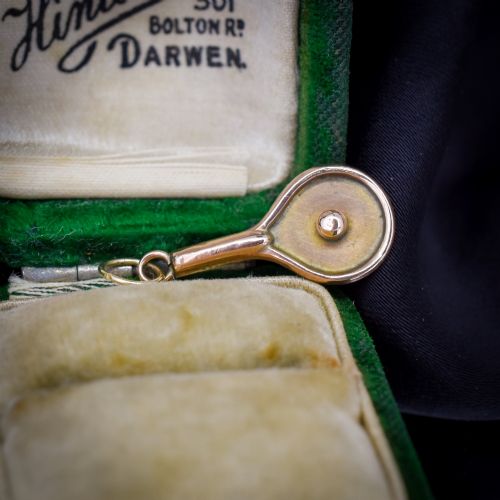
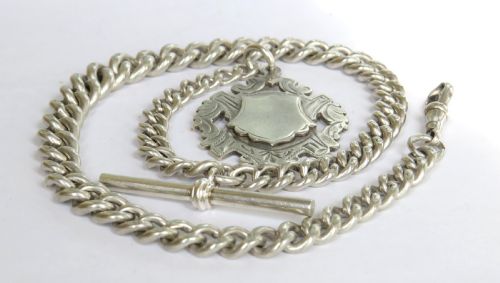
Many items derive from specific historical contexts, such as sporting medals for tennis or curling, alongside functional accessories like sovereign cases and matchsafes. They reflect the personal tastes and social activities of their original owners during the early twentieth century.
Materials and construction
These items are constructed predominantly from sterling silver and nine-carat gold, utilising both yellow and rose gold alloys alongside occasional yellow gold variations up to eighteen-carat. Metals are frequently hallmarked, indicating cities such as Birmingham and London alongside specific production years.
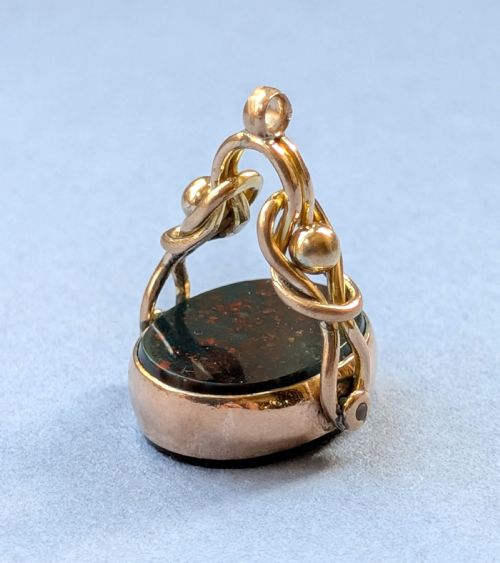
Craftsmen incorporated hardstones like bloodstone, cornelian, agate, and citrine into rotating or fixed bezels, often securing them within detailed metal mounts. Surface decoration relies on hand engraving, leaf and scroll motifs, and touches of enamel.
Functional mechanisms such as swivels, spring rings, and hinged compartments for stamps or sovereign coins demonstrate precise mechanical aptitude. These construction methods ensure both decorative appeal and everyday durability for the wearer.
Edwardian Fob Pendant Retail Price Guide 2026
Typical asking prices for edwardian fob pendant among the pieces listed under this phrase on Sellingantiques today, from the lower quarter to the upper quarter. They describe what is for sale here now, not the wider market.
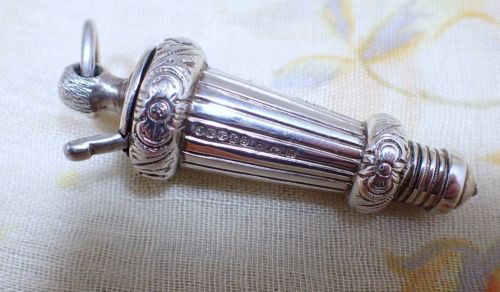
Several items double as miniature utility objects, including curling medals, whistle pendants, and a tiny sliding Mr Punch charm.
Assessing quality and execution
Quality in these pieces rests upon the crispness of the hand engraving and the depth of the metalwork, distinguishing sharply cast items from those with softened details. The weight of the sterling silver or gold used in the construction directly dictates the tactile substance of the piece.
The choice and cutting of set stones introduce another tier of distinction, where well-polished bloodstone, cornelian, or faceted citrine elevates the object. Intricate mechanical elements, such as smoothly operating swivel joints and tightly closing sovereign case lids, mark superior workshop execution.
Maker marks and clear silver hallmarks provide documentary evidence of origin, adding historical weight to items produced by established silversmiths and goldsmiths. The preservation of original components, such as split rings and matching cases, maintains the integrity of the ensemble.
Crisford and Norris·W and G Neal·Henry Charles Freeman·David McGregor
The Edwardian Fob Pendant Glossary
- Fob pendant
- A small decorative ornament hung from a pocket watch chain or ribbon. These items often served as seals or personal tokens.
- Sovereign case
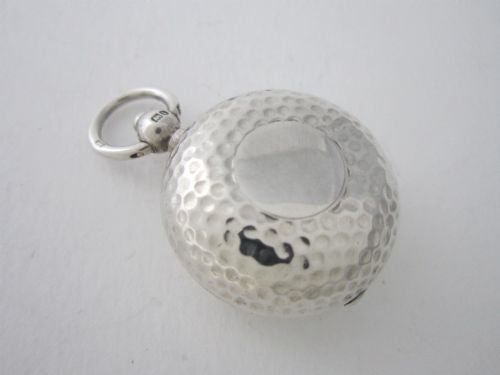
- A small metallic container engineered to hold British sovereign coins securely. They feature hinged lids and often bear crisp hallmarks.
- Spinning fob
- A pendant containing a rotatable central stone or matrix mounted within a fixed metal ring. Owners could display different faces depending on their preference.
- Hallmark
- An official stamp applied to precious metals indicating purity, origin, and assay office. They provide reliable dating evidence for collectors.
- T-bar
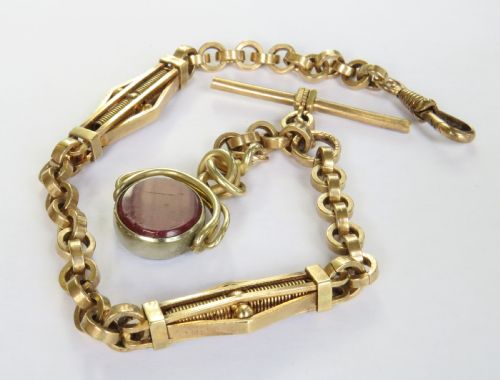
- A transverse bar attached to the end of a pocket watch chain, designed to anchor through a waistcoat buttonhole. Fob pendants typically hung near this toggle.
Edwardian Fob Pendant: Frequently Asked Questions
What is an edwardian fob pendant used for?
These pieces were originally suspended from pocket watch chains to counterbalance the watch and display personal insignia, seals, or decorative hardstones. Today, they are commonly worn as standalone pendants on modern chains.
Their varied forms, from spinning stones to miniature sovereign cases, reflect the varied daily requirements and aesthetic preferences of the early twentieth century.
How do I date an edwardian fob pendant?
Dating relies primarily on official hallmarks stamped into the silver or gold, which indicate specific assay offices and year letters. Stylistic clues, such as engraved foliate motifs or the presence of specific stones, also help narrow the period.
Comparing the construction techniques and maker marks against known historical records ensures accurate chronological placement for each item.
Are these pieces made of solid gold?
Many listings feature solid nine-carat yellow or rose gold, alongside occasional examples rendered in higher purity gold such as eighteen-carat. The metal composition is typically verified by stamped hallmarks or purity marks on the casing.
Silver examples are predominantly solid sterling silver, often accompanied by Birmingham or London hallmarking from the Edwardian period.
How do spinning fobs function?
Spinning fobs are mounted on an internal axis within a stationary outer frame, allowing the central component to rotate freely. This mechanism enabled the owner to present either of two gemstone faces or engraved seal matrices.
The pivot points require careful engineering to ensure smooth rotation without compromising the structural stability of the pendant.