



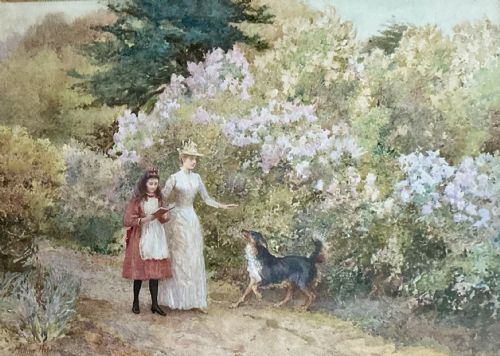
Edwardian Figurative Artwork
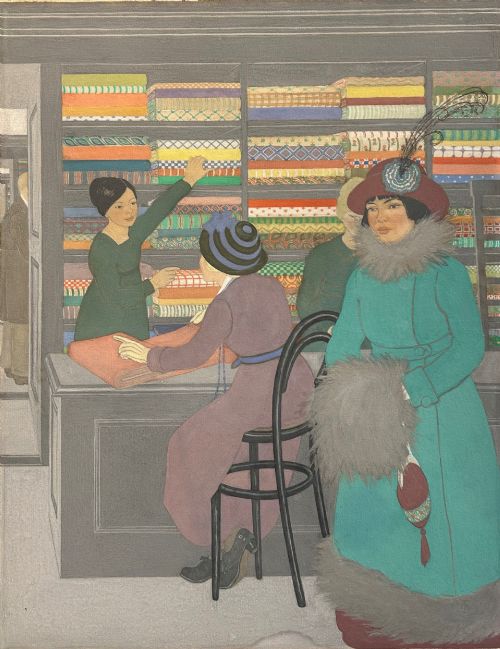
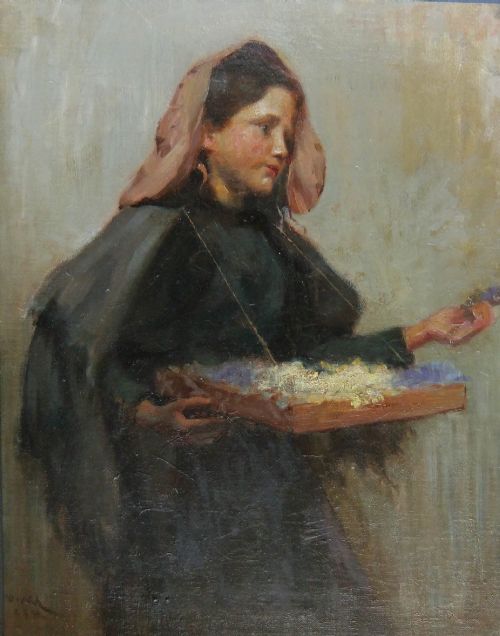
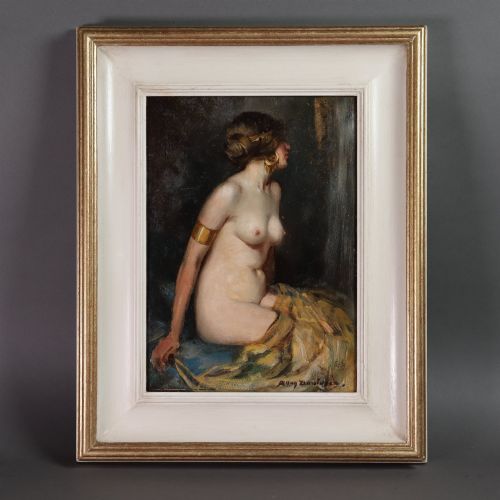
Edwardian figurative artwork captures human narrative on canvas and paper, bringing period character and intimate domestic scenes into a room.
Edwardian Figurative Artwork
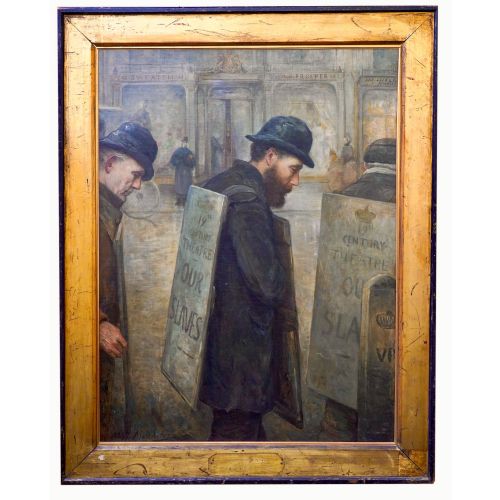
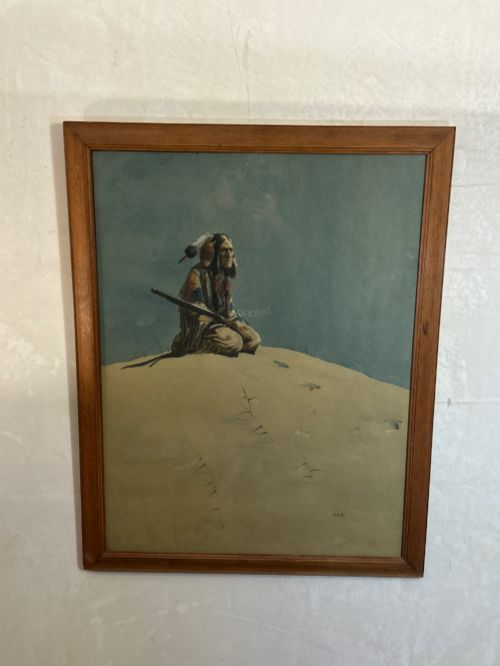
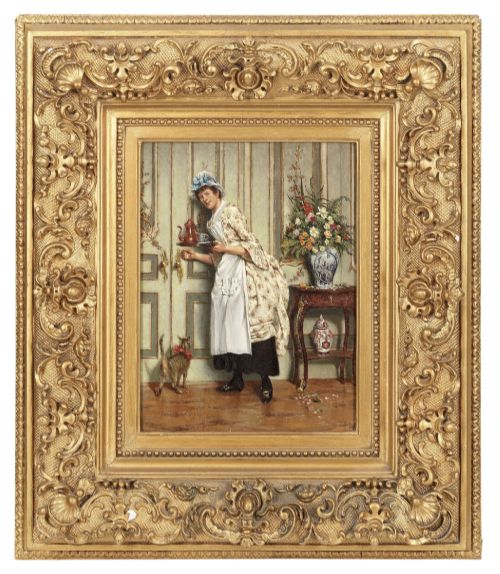
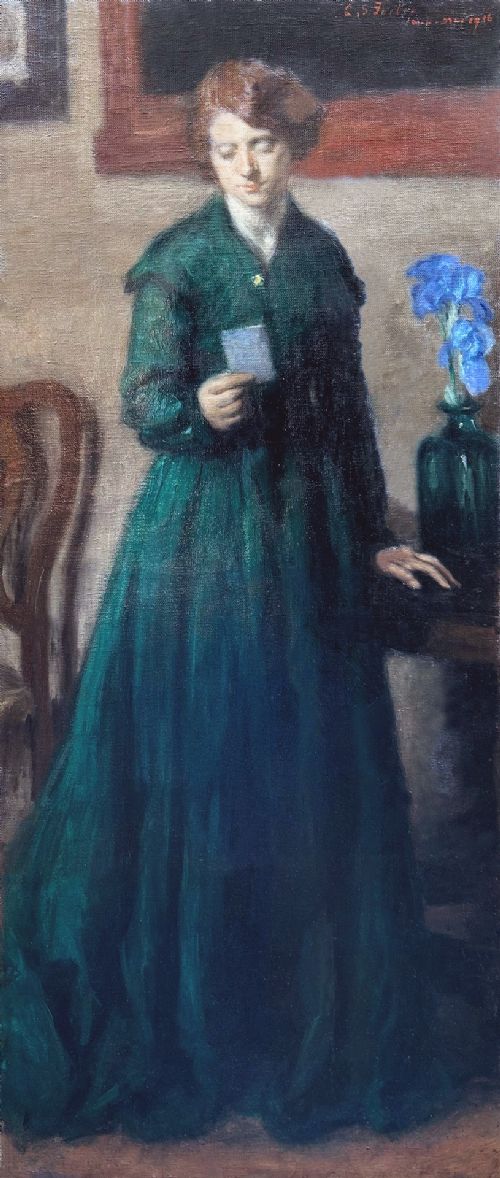
Edwardian figurative artwork spans painted and watercoloured depictions of people, from quiet domestic interiors to rural portraits and genre scenes. These pieces capture the social textures and domestic life of the late nineteenth and early twentieth centuries, recorded by artists working across Britain.
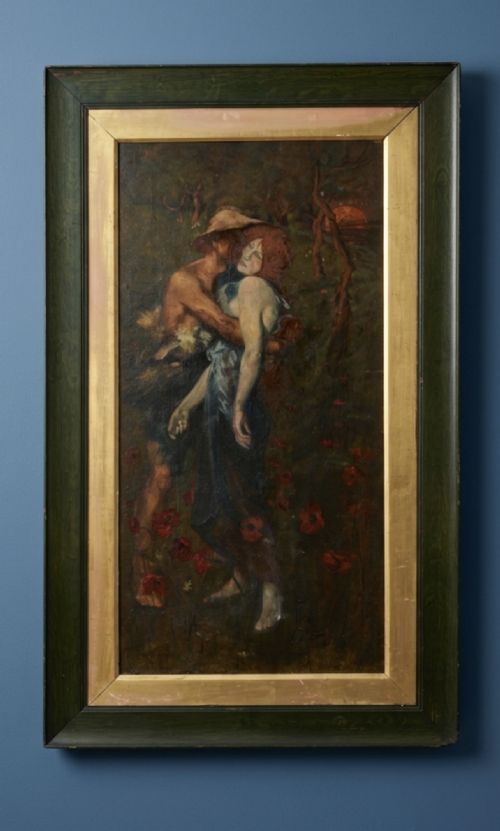
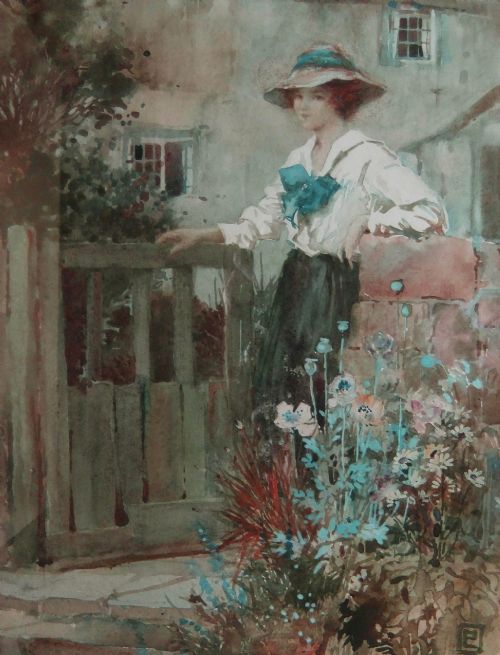
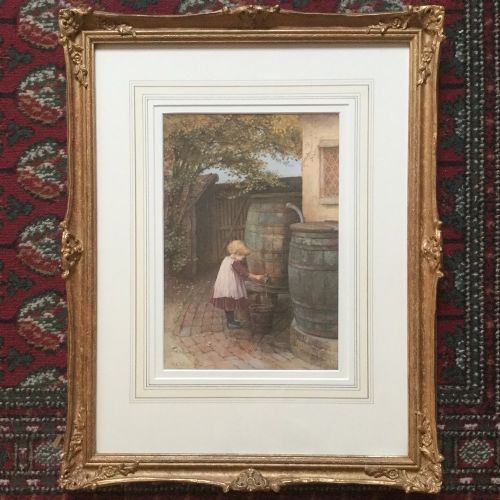
The versions most commonly met on this page include framed watercolours and oil paintings on canvas or board. Subjects frequently feature figures in country houses, gardens, or coastal settings, often rendered in styles influenced by British Impressionism and the Pre-Raphaelite movement.
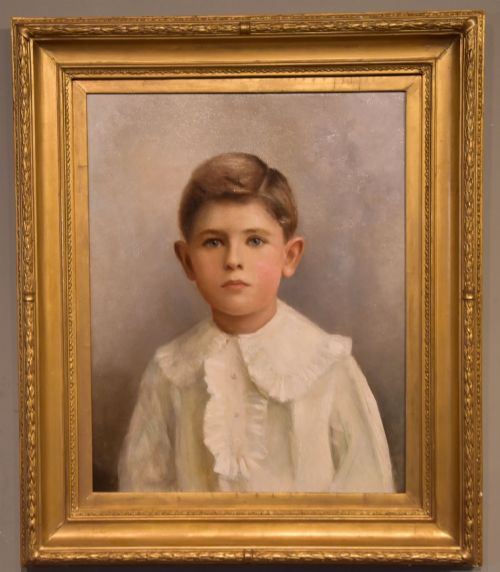
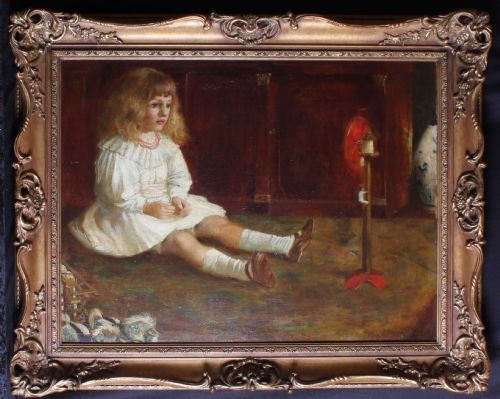
Works range from intimate watercolours of children and country folk to larger oil paintings depicting social history and theatrical moments. Collectors find both original signed works and period reproductions such as mezzotints and lithographs.
Materials and methods
Artists of this period utilised oil paint on canvas or board, alongside delicate watercolours on paper. Canvases provide depth and texture for interior and portrait scenes, while watercolour allows for luminous washes in landscapes and cottage studies.
Many works retain their original giltwood or wood frames, which complement the surface of the painting. Mediums like lithograph and mezzotint enabled the reproduction of popular imagery for broader domestic display during the era.
A cavalier king charles spaniel makes a cameo appearance on the reverse of one portrait.
Distinctions in quality
Quality rests on the draughtsmanship of the figures and the handling of light within the composition. Stronger pieces display confident brushwork or precise watercolour control, capturing expression and posture with immediate conviction.
The integrity of the surface and the preservation of the pigment distinguish finer examples. Works that retain their original pigments and period framing offer a more complete representation of the maker's intent.
Felix Stone Moscheles·John Hassall·Stephen Samuel Lewin·Percy Lancaster·William Watt Milne·Byam Shaw·Philip Richard Morris·Allan Douglas Davidson·John Sanderson Wells·Edward Stodart·Arthur Hopkins·Friedrich von Kaulbach·Rowland Henry Hill·Robert Eadie·Edwin Thomas Roberts·Raoul Millais·Kershaw Schofield·James Clark·Andrew Young·Thomas James Lloyd·George Kilburne·Frank Moss Bennett·Sydney Kendrick·David Woodlock·William Lee Hankey
The Edwardian Figurative Artwork Glossary
- Watercolour
- A painting method where fine pigment is suspended in a water-based solution on paper. This medium creates translucent layers particularly suited to delicate figurative and landscape studies.
- Oil on Canvas
- Pigment mixed with drying oil applied to a stretched woven fabric support. This traditional medium allows for rich colour blending and textured impasto surfaces.
- Genre Painting
- The pictorial representation of scenes from everyday life, typically depicting ordinary people engaged in common activities. These works provide visual records of domestic and social habits.
- Pre-Raphaelite Movement
- An artistic approach characterised by detailed observation, bright colours, and complex literary or symbolic themes. Practitioners sought to emulate the sincerity of Italian art before Raphael.
- Mezzotint
- A printmaking process of the intaglio family where the surface is roughened to achieve tonal gradation. This technique produces rich dark areas and subtle shifts in shadow.
Edwardian Figurative Artwork: Frequently Asked Questions
What subjects appear in these artworks?
Subjects include domestic interiors, cottage gardens, portraits of children, and rural workers. Artists documented everyday social interactions and coastal life.
Many compositions focus on figures engaged in quiet pursuits, such as reading, knitting, or tending to gardens. These narratives reflect the domestic ideals of the period.
How do I identify a watercolour from an oil painting?
Watercolours are executed on paper, typically displayed under glass, showing translucent layers and the texture of the paper beneath. Oil paintings feature thicker pigment applied to canvas or board, possessing visible brush texture.
Oils generally present a heavier surface with a distinct sheen from the dried medium, whereas watercolours rely on the surrounding mat and frame for protection.
Where should I hang these pieces?
These works suit traditional living spaces, studies, or hallways where lighting can be controlled to protect delicate pigments. Avoid direct sunlight to prevent fading on watercolour paper and oil canvases.
Parks of the home with stable temperature and humidity levels help preserve both the canvas support and the period framing.
How do I distinguish between original paintings and prints?
Original paintings reveal individual brushstrokes, pooled pigment, and artist signatures applied directly to the support. Prints, including lithographs and mezzotints, display uniform dot patterns or ink transfers under magnification.
Examining the surface close up under good light will reveal whether the pigment sits on top of the paper in a raised layer or is absorbed into the mechanical printing matrix.