



Edwardian Etagere Table
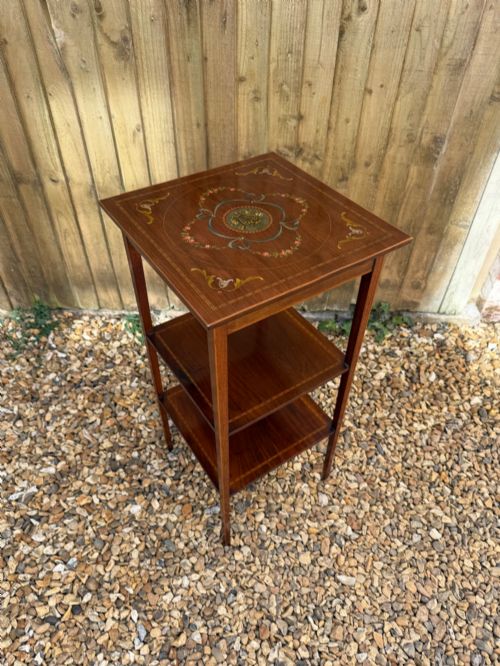
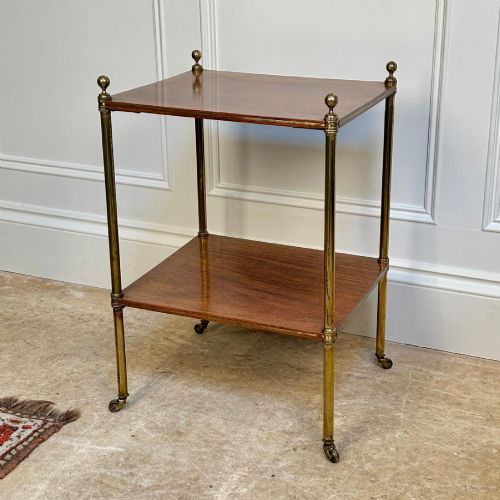
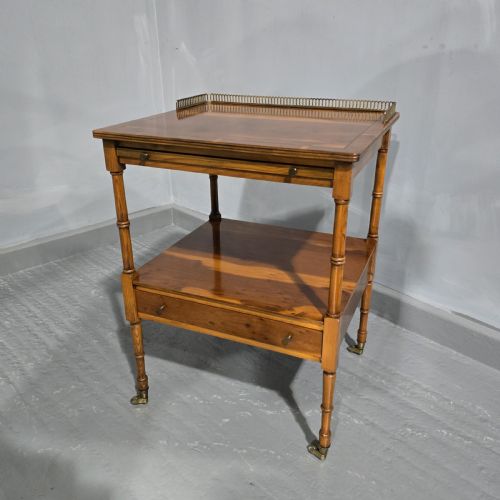
An edwardian etagere table combines tiered display space with refined period craftsmanship, offering a practical surface for ornaments or tea.
Edwardian Etagere Table
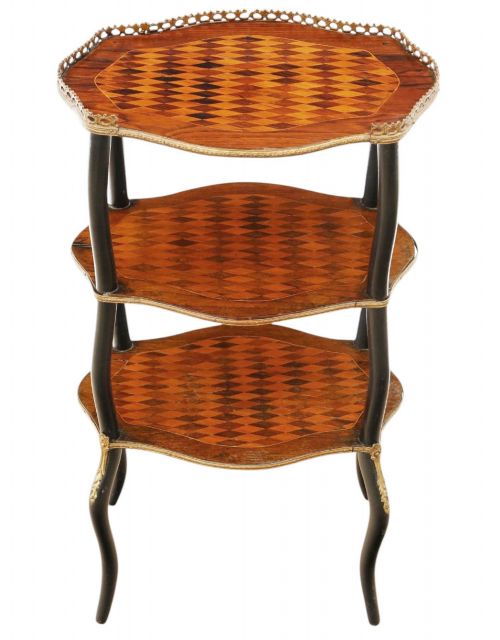
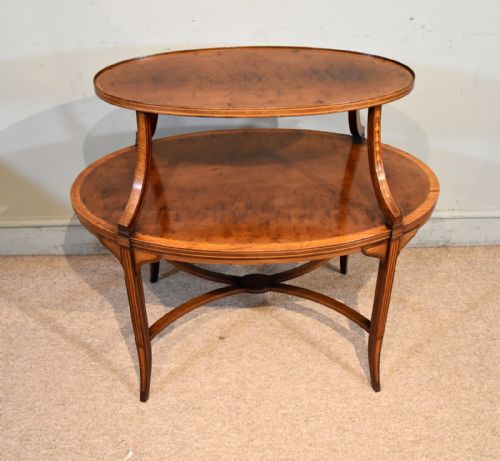
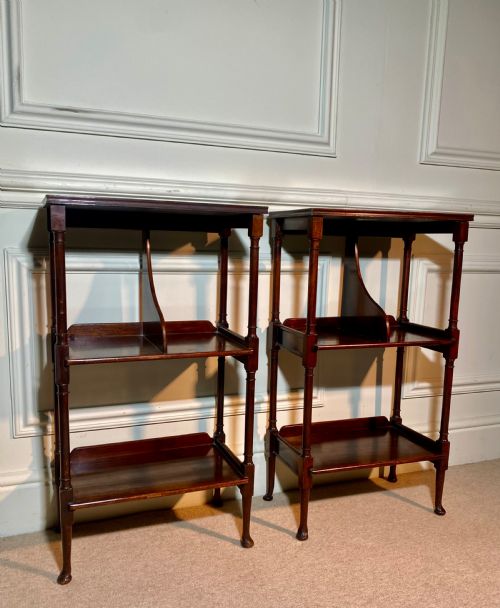
An edwardian etagere table serves as a multi-tiered piece designed for display and light utility, appearing most frequently in forms with two or three levels. These tables date primarily from the Edwardian period and the late nineteenth century, drawing on earlier Georgian and Victorian whatnot traditions.
Makers constructed these pieces as occasional tables, lamp tables, or tray-top display stands rather than heavy dining furniture. The selection includes oval, circular, and serpentine shapes intended to fit easily beside seating or in corners.
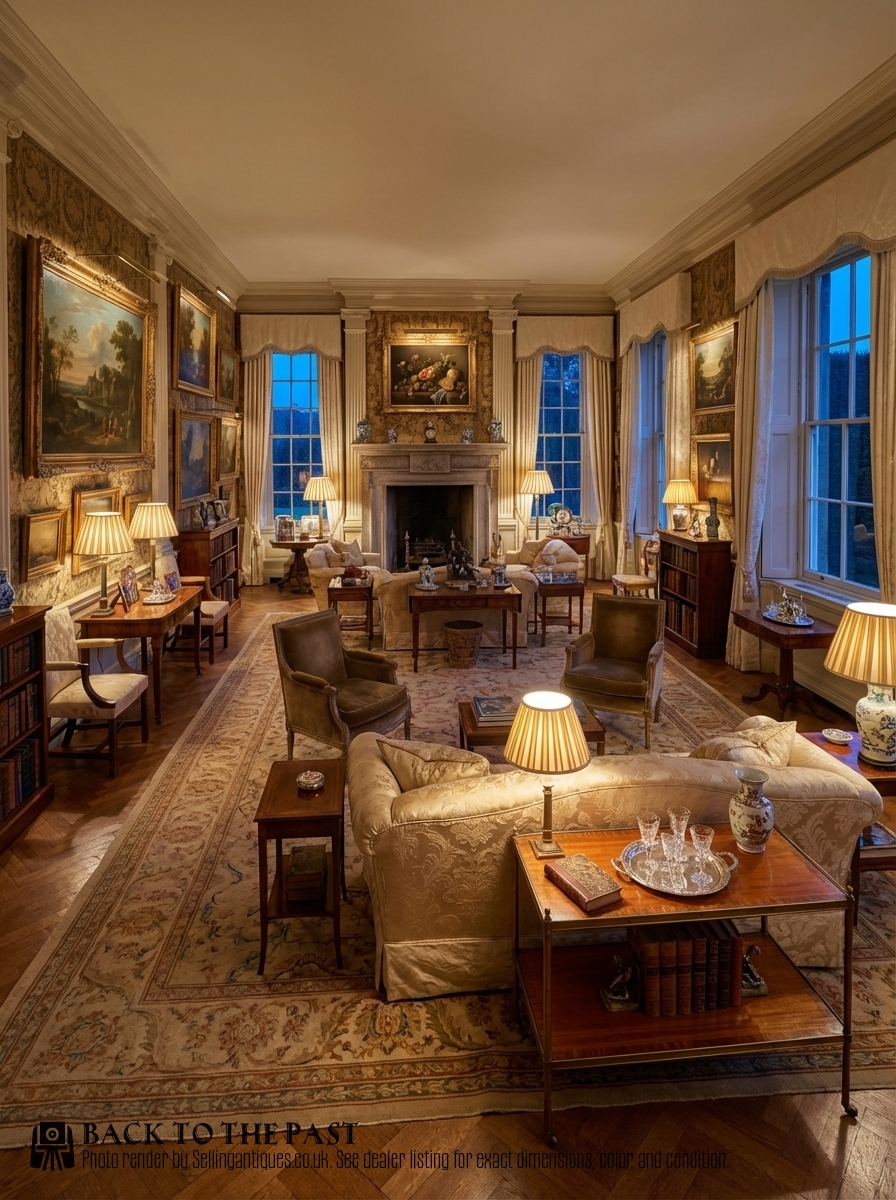
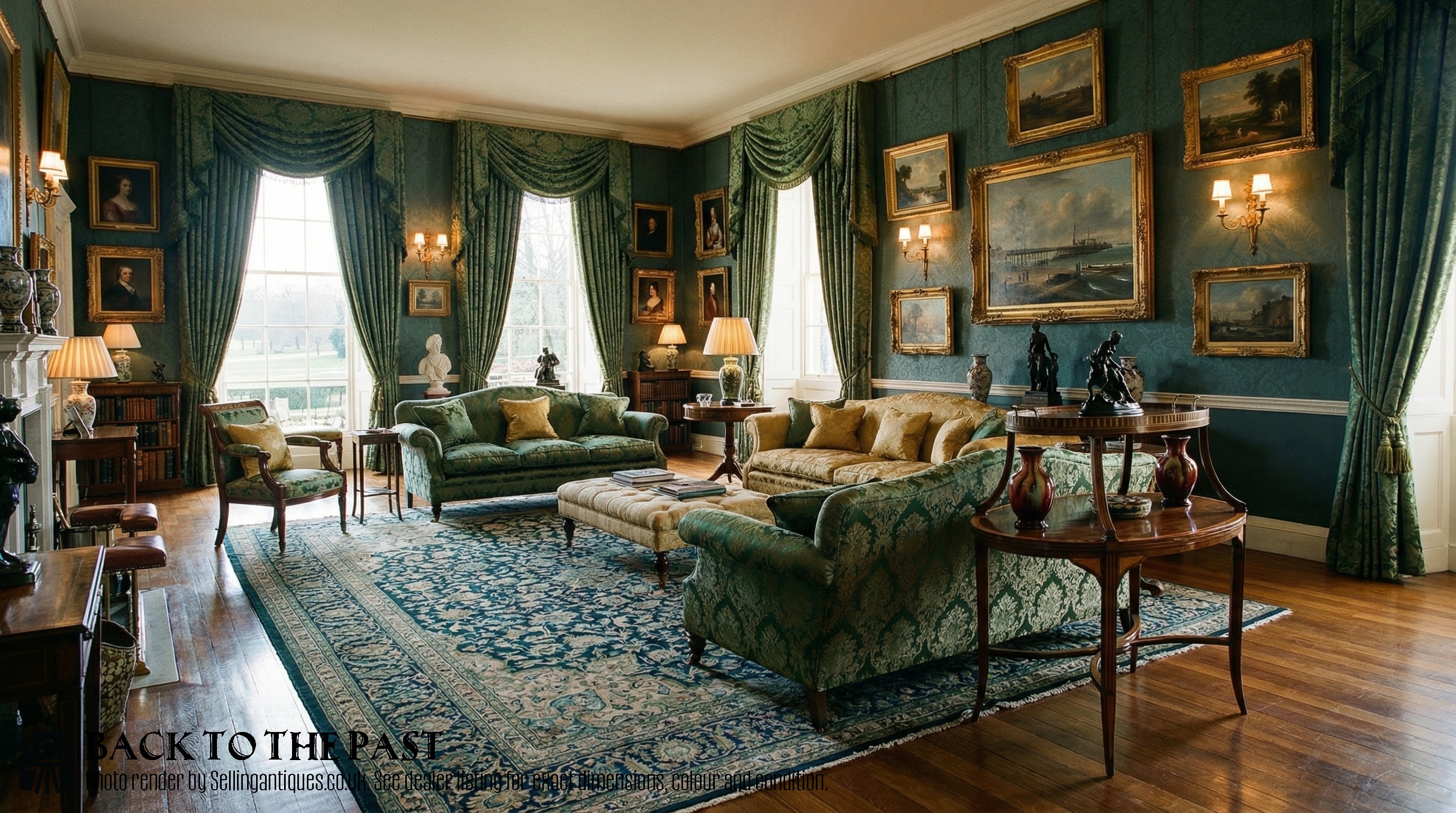
Survivors from this era often display revival influences, particularly Sheraton and French styles, which manifest in delicate uprights and shaped tiers. Buyers encounter these versatile stands functioning as side tables, drinks tables, and small display shelves.
Execution and Detail
The distinction between standard production and finer pieces lies in the precision of the marquetry and the choice of cabinet timbers. Superior examples deploy finely figured rosewood, satinwood, and detailed bone or ebony inlay rather than simple painted lines.
Construction rigidity separates robust tables from weaker ones, particularly in the joints where the vertical supports meet the tiers. Finishes that preserve the natural grain depth without heavy modern intervention retain greater integrity.
Edwardian Etagere Table Retail Price Guide 2026
Typical asking prices for edwardian etagere table among the pieces listed under this phrase on Sellingantiques today, from the lower quarter to the upper quarter. They describe what is for sale here now, not the wider market.
The documented pieces span the Victorian, Edwardian, and Arts and Crafts periods, demonstrating a strong preference for Sheraton and French revival styles.
Liberty And Co
The Edwardian Etagere Table Glossary
- Etagere
- A piece of furniture consisting of open shelves for displaying small objects. This form developed in France during the eighteenth century before gaining popularity in Britain.
- Marquetry
- Decorative veneer work forming pictures or patterns using various woods. Craftsmen cut thin sheets of timber to fit together precisely within the primary surface.
- Whatnot
- A nineteenth-century open shelved cabinet used for displaying ornaments. It shares a similar function to the etagere but often stands taller with more tiers.
- Parquetry
- Geometric wood mosaic work used for flooring or furniture tops. Triangular and square veneers create repeating patterns across the table surface.
- Satinwood
- A durable yellowish wood with a natural sheen, native to India and Ceylon. Cabinetmakers used it extensively for banding and inlay during the Sheraton revival.
Edwardian Etagere Table: Frequently Asked Questions
What is an edwardian etagere table used for?
These tables provide multiple tiers specifically designed for holding small decorative objects, books, or tea services. Their compact footprint allows them to function as side tables or lamp stands in sitting rooms.
Historically, households utilised them in drawing rooms where open shelving displayed imported porcelain and silver. Today, they serve a similar decorative and practical role in modern interiors.
How do I identify an edwardian etagere table?
Authentic pieces typically feature lightweight timber construction in mahogany or rosewood, often enhanced with satinwood inlay or brass mounts. Look for multi-tiered designs supported by slender turned or square uprights.
Construction methods such as hand-cut dovetails, traditional joinery, and period-appropriate veneer thickness help confirm the era of manufacture. Revival styles from this period often borrow heavily from eighteenth-century Sheraton designs.
Are these tables sturdy enough for daily use?
Most examples are built with light frames intended for displaying ornaments and holding cups rather than heavy loads. The multiple tiers distribute weight well, provided heavy items remain on the lower shelf.
Placing the table away from high-traffic walkways prevents accidental knocks against the slender upright supports. Gentle handling preserves the delicate inlaid surfaces and veneered edges.
How should I care for inlaid wood surfaces?
Maintain the timber by dusting regularly with a soft, dry cloth and avoiding modern silicone-based polishes. Period furniture responds best to occasional applications of traditional beeswax.
Keep the table away from direct sunlight and strong heat sources to prevent the delicate satinwood or marquetry veneers from lifting and cracking. Stable indoor humidity protects both the wood and the underlying glue.