



Edwardian End of Bed Bench
An Edwardian end of bed bench brings practical seating and refined period character to a bedroom.

Edwardian End of Bed Bench
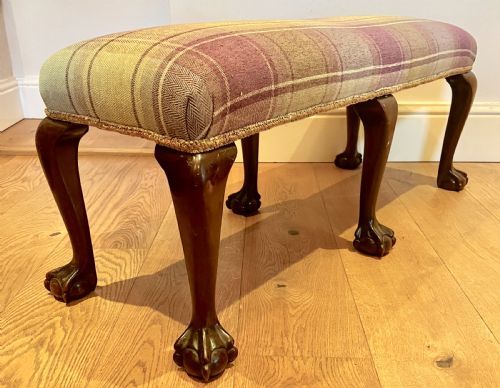
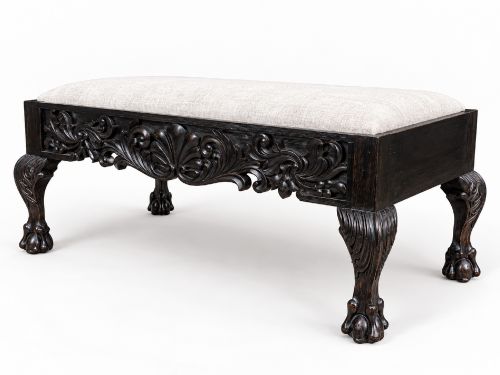
An edwardian end of bed bench is typically found in forms such as window seats, sofas, settees, and stools designed to sit at the foot of a bed. These pieces belong predominantly to the Edwardian period, alongside examples spanning Victorian, Georgian Revival, and Aesthetic Movement styles.
The evidence shows forms ranging from chair back end of bed seats to walnut benches and inlaid sofas. Buyers frequently encounter mahogany and walnut frames paired with textile, fabric, and velvet upholstery.
Makers and craftsmen of the era utilised classical revival motifs and intricate woodwork to create functional bedroom furniture. The selection reflects a distinct preference for polished timbers combined with soft, upholstered seating surfaces.
Materials and construction
Frames are constructed primarily from solid timbers like mahogany, walnut, and satinwood, often enhanced with intricate bone inlay. These woods provide the structural rigidity necessary for long-term placement at the foot of a bed.
Upholstery relies on traditional textiles, including velvet and general fabric upholstery, secured over padded foundations. Joinery and carving techniques reflect the stylistic influences of the Edwardian era alongside earlier Victorian and Georgian revival traditions.
Edwardian End of Bed Bench Retail Price Guide 2026
Typical asking prices for edwardian end of bed bench among the pieces listed under this phrase on Sellingantiques today, from the lower quarter to the upper quarter. They describe what is for sale here now, not the wider market.
Listings feature pieces spanning the Edwardian and Victorian periods, constructed from mahogany, walnut, and satinwood with various fabric and velvet upholstery.
Quality factors
The refinement of the timber work and the complexity of the inlay separate standard pieces from superior examples. Finely figured mahogany or walnut paired with precise bone and satinwood inlay indicates a higher tier of craftsmanship.
The choice of upholstery materials and the execution of the frame carving also define the grade of the piece. Subtle details in the turning of the wood and the integrity of the structural joinery distinguish workshop output.
The Edwardian End of Bed Bench Glossary
- Edwardian
- Pertaining to the period from nineteen hundred to nineteen ten, characterised by lighter furniture forms and refined revival styles. It follows the Victorian era and precedes the First World War.
- Satinwood
- A durable, yellowish wood prized for its lustrous grain and used extensively for fine inlay work. It contrasts sharply with darker timbers like mahogany.
- Aesthetic Movement
- A nineteenth century design philosophy emphasising visual beauty over narrative or moral function. It championed artistic craftsmanship in domestic furnishings.
- Duet
- A wide seat designed for two people to sit together. These forms often appear in window seat and bench configurations.
- Inlay
- A decorative technique where contrasting materials are inserted into recessed cavities in the wood surface. Bone and satinwood are typical examples found in these pieces.
Edwardian End of Bed Bench: Frequently Asked Questions
What is an edwardian end of bed bench?
An edwardian end of bed bench is a narrow seating item designed to fit neatly at the foot of a bed. These items combine timber frames with upholstered tops for domestic use.
They appear in various forms, including window seats, small settees, and long stools. The design provides a convenient surface for sitting while dressing or placing clothes.
How were these benches used historically?
Historically, these seats were placed in bedrooms to offer a comfortable spot for putting on shoes or garments. They also served as a decorative accent at the base of large beds.
In grander homes, similar window seats doubled as casual resting places near natural light. Their slender proportions allowed them to occupy transitional spaces without blocking movement.
How do I style a bench in a bedroom?
Position the bench centrally against the footboard of the bed to anchor the proportions of the room. Coordinate the upholstery fabric with existing soft furnishings or window treatments.
Keep the surface largely clear to preserve its primary function as a seat. A simple throw blanket can be added to introduce texture and warmth.
How do I identify an edwardian piece?
Identify the period through lighter timber framing, characteristic revival motifs, and refined proportions. Edwardian furniture often revisits Georgian and Regency themes with a less heavy hand than Victorian predecessors.
Look for specific material combinations such as mahogany or walnut paired with subtle satinwood inlay. The integration of textile or velvet upholstery further supports the era's manufacturing trends.