



Edwardian Enamel Brooch
These pieces of edwardian enamel brooch work combine delicate metalwork with vibrant glassy colour, capturing the refined decorative taste of the early twentieth century.
What They Are
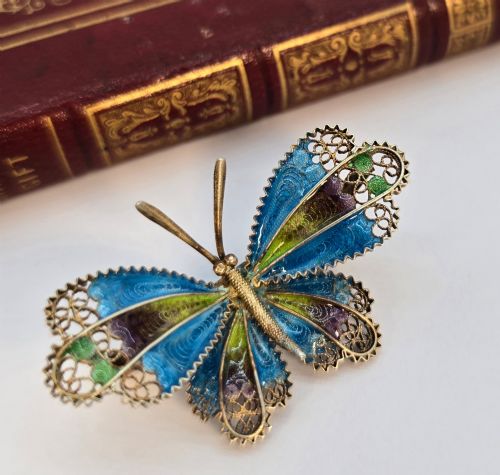
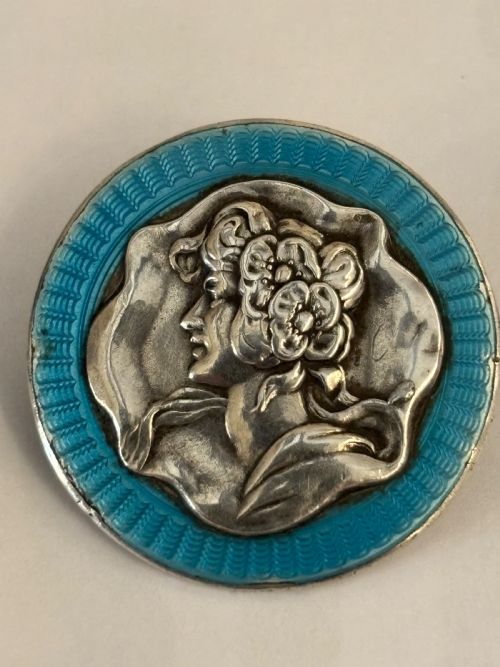
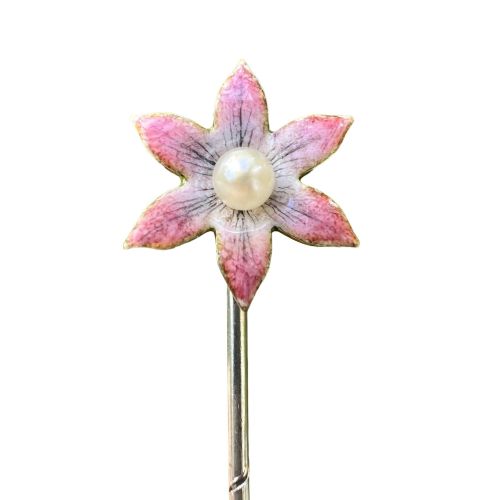
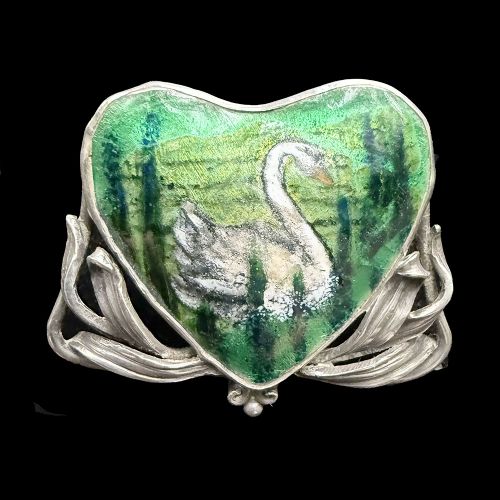
An edwardian enamel brooch represents a distinct period of decorative jewellery, often taking the form of charming animal subjects, floral motifs or sentimental hearts. The selection includes figural designs such as owls, swallows, chicks, butterflies and peacocks alongside religious subjects like the Madonna and Child.
Most examples found here combine vitreous enamel with silver, sterling silver, or higher carat gold settings including nine carat, fifteen carat and eighteen carat yellow gold. Alongside traditional bar brooches and pendant combinations, the forms extend to include related items like silver belt buckles.
The dominant period styling reflects the elegance of nineteen ten and the wider Edwardian era. Makers incorporated natural elements such as seed pearls, natural pearls, cultured pearls, rose cut diamonds, opals, garnets and paste stones to complement the central enamelled work.
How They Were Made
Craftsmen fused powdered glass onto precious metal bases through high temperature firing to create the vitreous enamel surfaces seen on these brooches. This technique produced smooth, luminous colour fields that resisted fading over time.
Makers set these enamelled plaques within hand worked frames of sterling silver, silver, or gold alloys. Delicate details such as tiny seed pearls and faceted stones were then secured by hand into the precious metal mounts.
Listings feature silver and gold alongside vitreous enamel, incorporating materials such as seed pearls, garnets, opals and diamonds.
What Varies in Quality
The distinction between standard and finer examples rests on the complexity of the subject matter and the choice of precious metals. Pieces utilising fifteen carat or eighteen carat gold and platinum paired with diamonds or natural pearls stand apart from simpler silver versions.
Execution of the vitreous enamel itself dictates the visual success of the piece, particularly where shading and miniature detail bring subjects like birds and figural scenes to life. Precision in stone setting and the integrity of the original metalwork complete the hierarchy.
Henry Matthews
The Edwardian Enamel Brooch Glossary
- Vitreous Enamel
- Glass powder melted onto a metal substrate at high heat. This creates a durable, glossy coloured surface that defines the aesthetic of these jewels.
- Seed Pearl
- A very small natural or saltwater pearl, often unperforated or half drilled. These tiny pearls frequently accent the borders of Edwardian brooches.
- Bar Brooch
- A long, slender pin fixture popular during the early twentieth century. Many bird and floral enamel motifs are mounted directly onto this linear format.
- Rose Cut Diamond
- An antique diamond cut featuring a flat base and a domed crown with triangular facets. This stone type appears alongside enamel in higher grade Edwardian pieces.
- Sterling Silver
- A silver alloy containing ninety two point five percent pure silver by mass. It serves as the primary metal framework for many surviving enamel brooches and buckles.
Frequently Asked Questions
What metals are used in these brooches?
The pieces utilise a range of precious metals, predominantly sterling silver and standard silver alongside nine carat, fifteen carat and eighteen carat yellow gold. Platinum also appears in combination with gold on select fine examples.
Metal choice generally aligns with the complexity of the piece, with gold and platinum reserved for works incorporating diamonds and natural pearls.
What subjects appear on these brooches?
Nature provides the most frequent inspiration, featuring birds such as swallows, owls, chicks and peacocks, alongside butterflies and floral sprays. Religious subjects like the Madonna and Child and sentimental motifs including hearts and bows also occur.
Figural animal designs often incorporate small pearls or paste stones to highlight the naturalistic forms.
How do I care for Edwardian enamel?
Vitreous enamel is essentially glass fused to metal, meaning it requires protection from sharp impacts that can cause chipping or cracking. Cleaning should be done gently with a soft cloth without harsh chemical dips that might harm the metal or stones.
Storage in a dedicated box prevents scratching from other items of jewellery.
Are these pieces from the Edwardian period?
The selection focuses on the Edwardian era and surrounding years, including items specifically dated to nineteen ten and nineteen hundred and eight. Design characteristics like delicate filigree, soft pastel enamels, and pearl accents typify this era.
Hallmarks and maker marks where present help confirm the period of manufacture.