


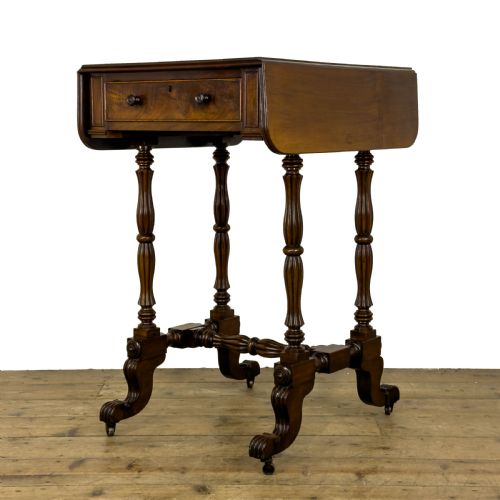


Edwardian Drop Leaf Desk
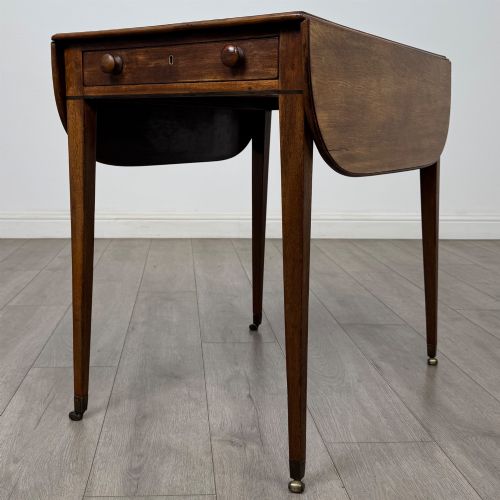
These edwardian drop leaf desk pieces are practical writing surfaces with folding flaps, offering compact elegance for daily use.
Edwardian Drop Leaf Desk
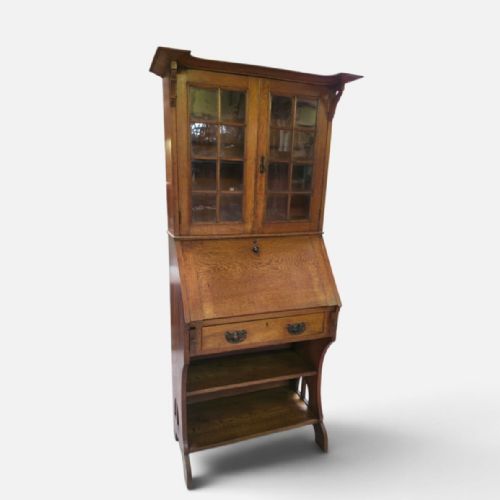
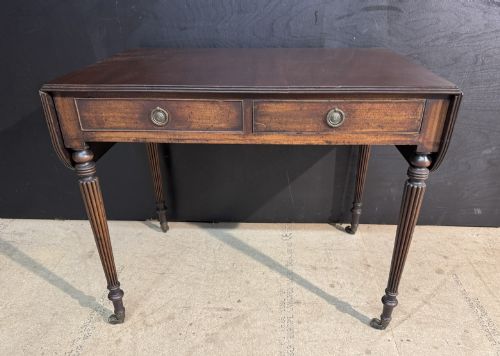
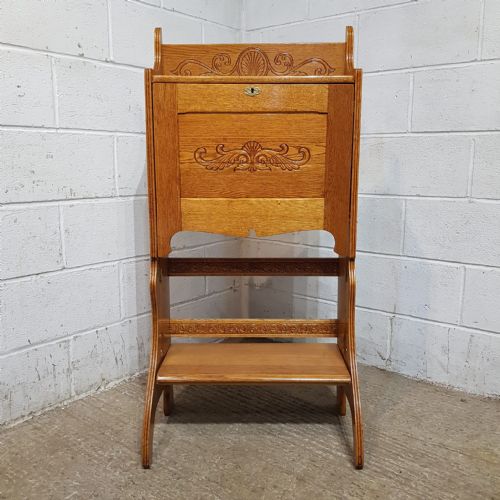
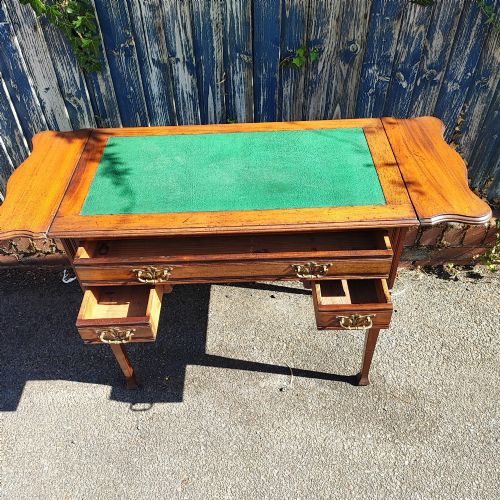
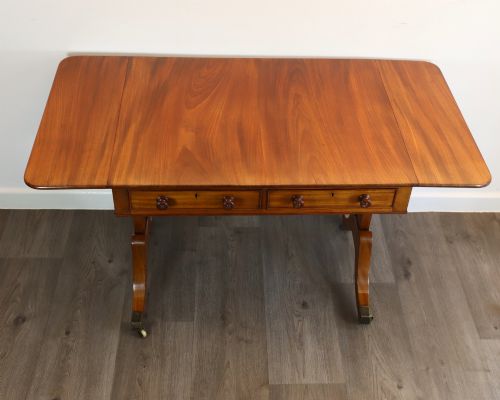
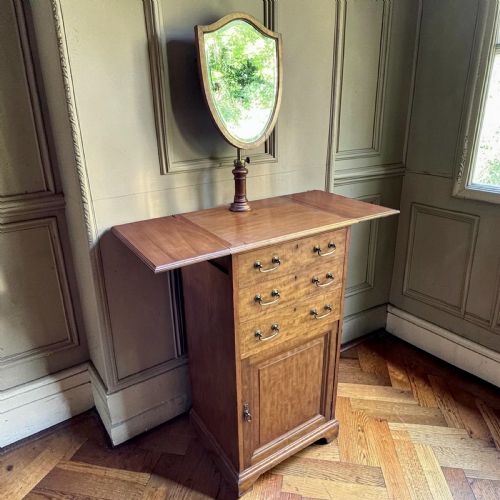
An edwardian drop leaf desk brings together compact writing furniture and folding flaps, originating primarily from the Edwardian period alongside related examples from the Georgian, Victorian, and Regency eras. Buyers searching this phrase meet versatile forms including occasional tables, Pembroke tables, side tables, and writing tables fitted with drop-sides.
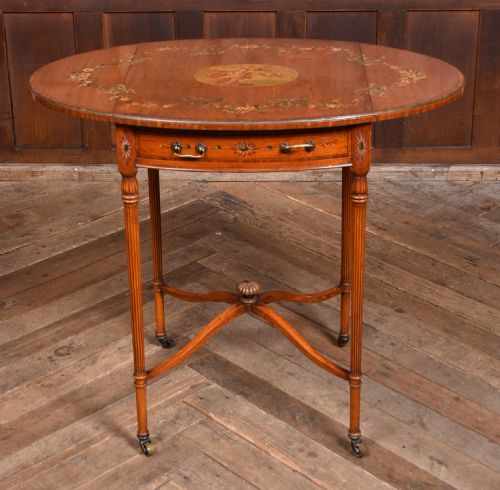
The evidence shows these pieces appearing in mahogany, satinwood, rosewood, and oak, often featuring inlaid boxwood or ebony details. Makers and styles span from standard Edwardian output to Georgian and Regency revivals, offering both freestanding sofa tables and smaller writing surfaces.
What varies in quality
The refinement of the timber selection dictates much of the standing, with figured mahogany, satinwood, and rosewood marking the upper tiers of production. Inlay work, brass mounts, and the crispness of edge mouldings further distinguish standard workshop output from finer pieces.
Structural integrity of the drop leaf mechanism and the smoothness of drawer operation indicate the skill of the original maker. Well-balanced freestanding forms with attention to detail on all sides represent the more accomplished end of the range.
Listings for this phrase include pieces executed in mahogany, satinwood, rosewood, and oak, alongside brass and leather elements.
Andrew Thomson And Sons
The Edwardian Drop Leaf Desk Glossary
- Drop leaf
- A table or desk with hinged flaps that fold down at the sides. This allows the surface area to expand or contract depending on space.
- Pembroke table
- A small occasional table featuring two hinged flaps and typically one or two drawers. It emerged in the eighteenth century and remained popular through later periods.
- Sofa table
- A long, narrow table designed to stand in front of a sofa, usually equipped with drop leaves at either end. They often stand on twin pedestals or trestle supports.
- Satinwood
- A durable, yellowish timber prized for its smooth sheen and used extensively for fine veneers and inlay. It appears frequently in Georgian and Edwardian pieces.
- Inlay
- A technique where pieces of contrasting wood, such as boxwood or ebony, are set into the surface to create decorative patterns.
Edwardian Drop Leaf Desk: Frequently Asked Questions
What is an edwardian drop leaf desk?
These items are compact writing surfaces equipped with folding side flaps designed to save space when not in use. They combine the utility of a desk with the flexibility of a folding table.
Surviving examples utilise timbers like mahogany and satinwood, often reflecting Edwardian revival tastes alongside earlier Georgian and Regency forms.
How do you use a drop leaf desk?
The folding leaves lift up to expand the working surface, held in place by hinged brackets or swinging legs. Dropping the leaves reduces the footprint for placement in smaller rooms.
They function well as writing spaces, occasional tables, or decorative centrepieces within a study or sitting room.
How do I identify an Edwardian piece?
Edwardian furniture typically dates from the reign of King Edward VII, spanning the early years of the twentieth century. Pieces from this era often show lighter timbers and revival styles drawing on earlier Georgian designs.
The listings include specific dates and stylistic cues such as satinwood inlay and Edwardian neoclassical details to help distinguish them from Victorian or Regency antecedents.
What woods were used for these desks?
Makers relied heavily on mahogany as a primary structural and veneer timber. Satinwood, rosewood, oak, and kingwood also appear across the available selection.
Details often incorporate contrasting elements of boxwood and ebony, complemented by brass mounts and handles.