
Edwardian Dressing Glass
An edwardian dressing glass brings polished timber and tilting glass into a bedroom, offering a functional surface for daily grooming.
Edwardian Dressing Glass
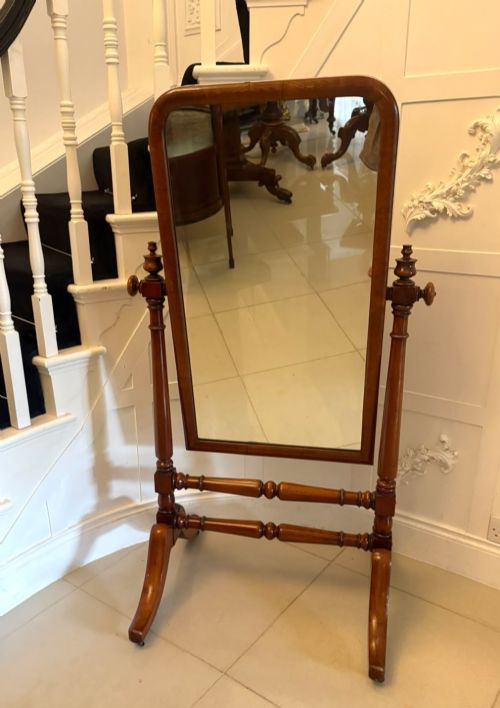
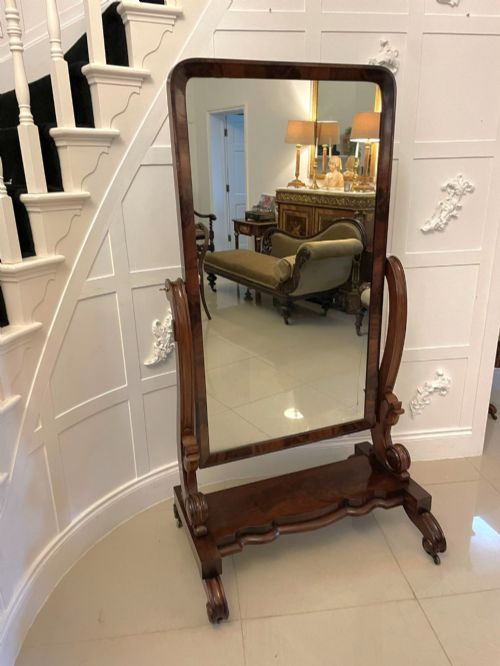
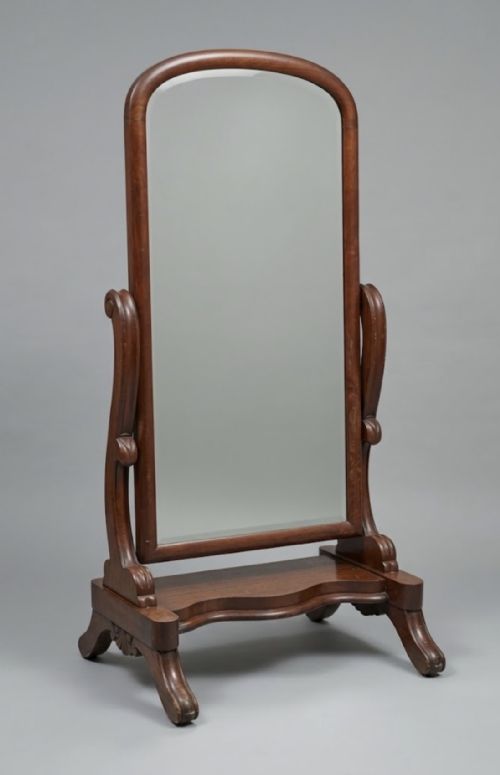
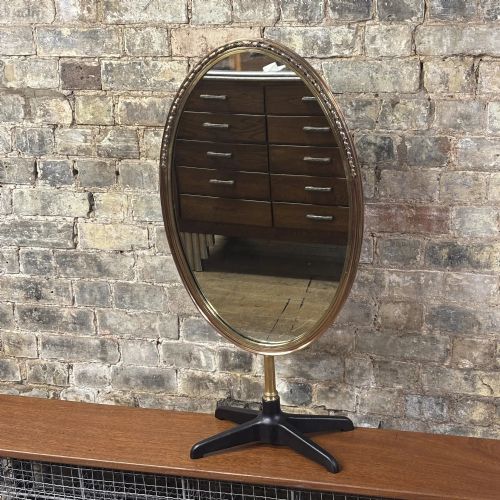
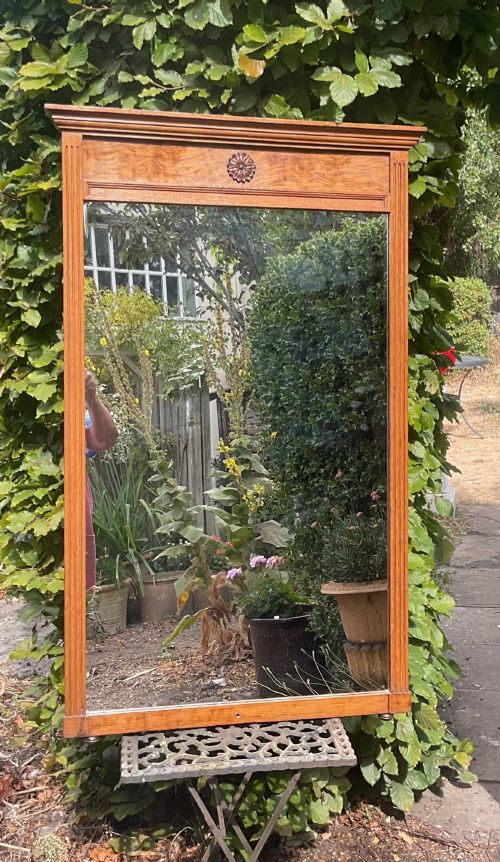
When searching for an edwardian dressing glass, a buyer encounters adjustable tilting mirrors designed to sit upon a chest or stand independently on the floor as a cheval mirror. The Edwardian examples span tabletop toilet mirrors in mahogany and oak alongside larger floor-standing cheval versions.
Beyond the core Edwardian pieces, the listings also surface related items from the Victorian, Georgian, and Regency eras, as well as later pieces from the 1920s and 1930s. Mahogany and oak dominate the timber frames, frequently accompanied by associated dressing table jars and scent bottles in cut glass and silver.
How they were made
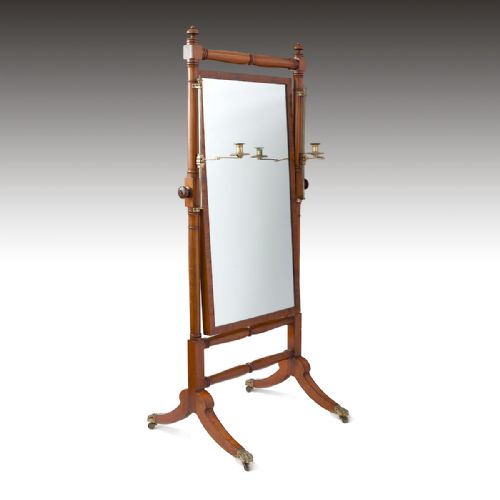
Cabinet makers utilised solid mahogany, blonde oak, and inlaid timbers to construct the mirror frames and supporting stands. Brass fittings, including pivot screws and candle arms, secure the tilting glass plates within their upright supports.
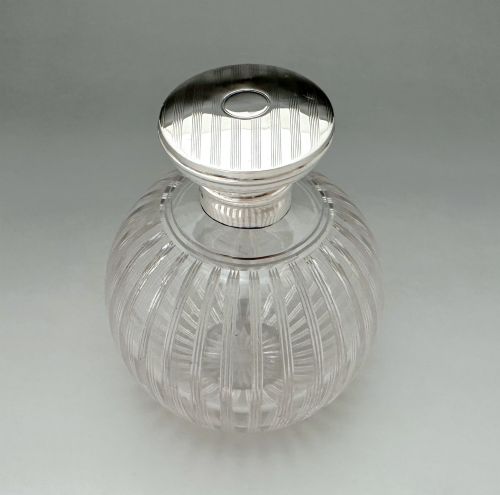
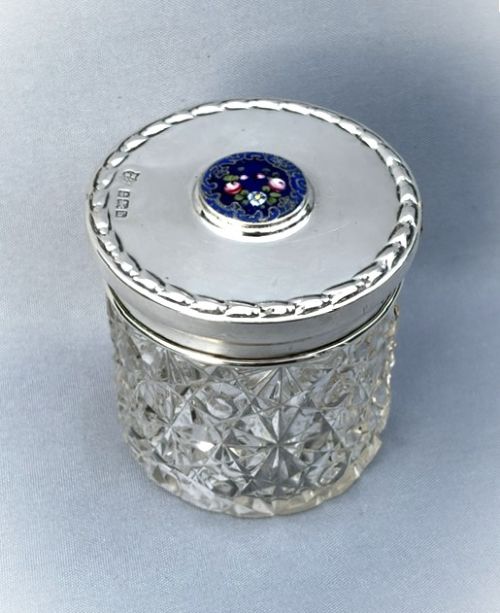
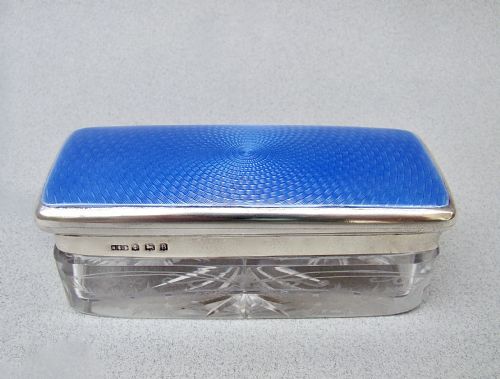
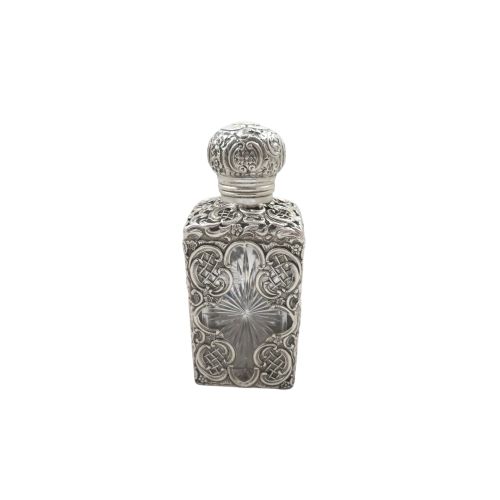
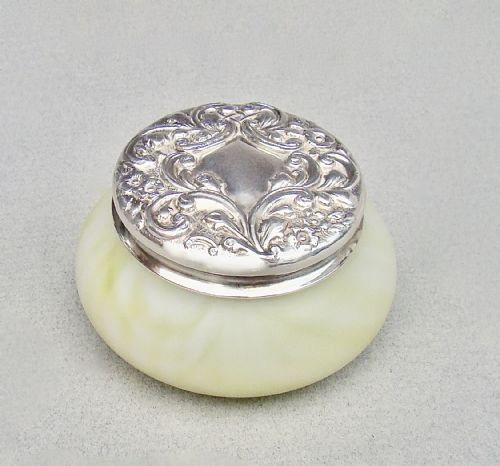
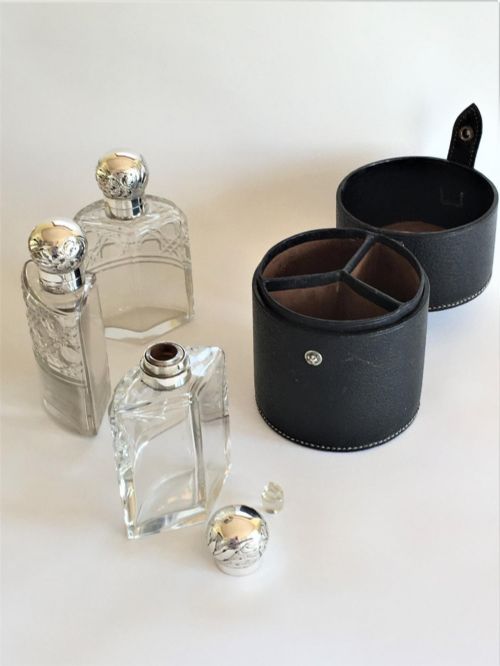
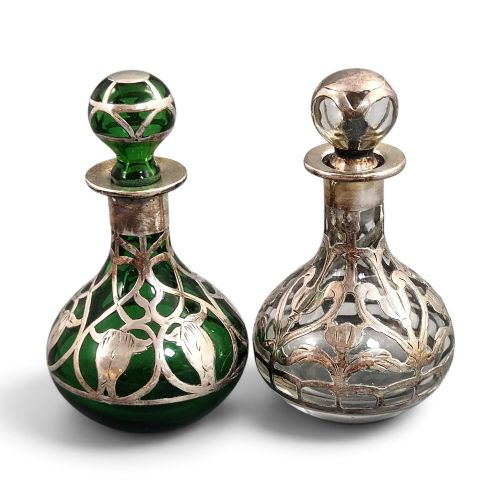
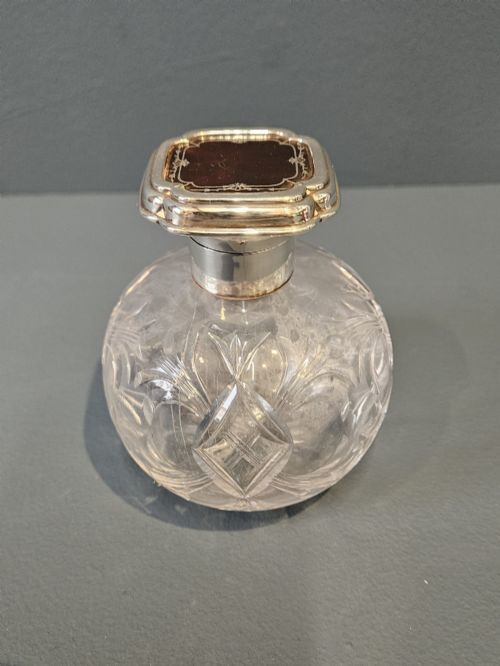
Companion items incorporate sterling silver lids, enamel work, and cut glass bodies. Makers employed techniques such as silver overlay on crystal and guilloche enamelling on dressing table jars.
What varies in quality
The standard of timber selection and cabinet work separates standard production pieces from finer examples. Heavier mahogany frames with refined inlay, substantial brass adjustment knobs, and well-balanced support pillars indicate superior manufacturing.
The quality of the glass plate itself and the crispness of any silver mounts or enamel detailing on associated trinket boxes and perfume bottles further differentiate the range.
Henry Clifford Davis·A. Bromet & Co·Heal & Sons·Gorham·Harold Bushell & Co·Robert Pringle & Sons·Synyer & Beddoes
The Edwardian Dressing Glass Glossary
- Cheval mirror
- A freestanding floor-length mirror suspended on a frame with vertical pivots that allow it to tilt. These tall glasses were designed for full-length viewing in bedrooms and dressing rooms.
- Dressing glass
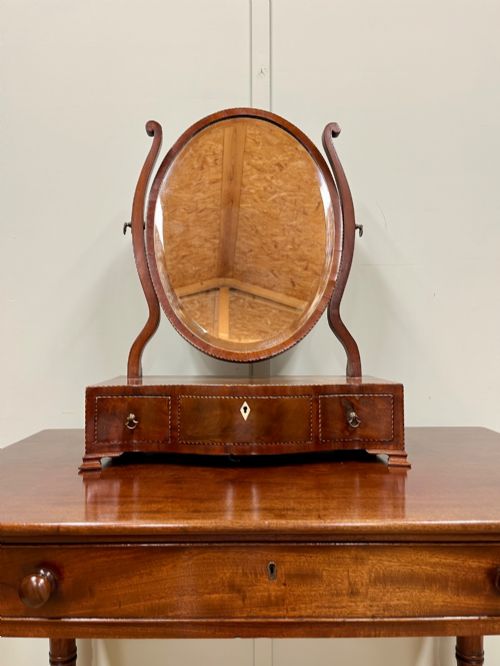
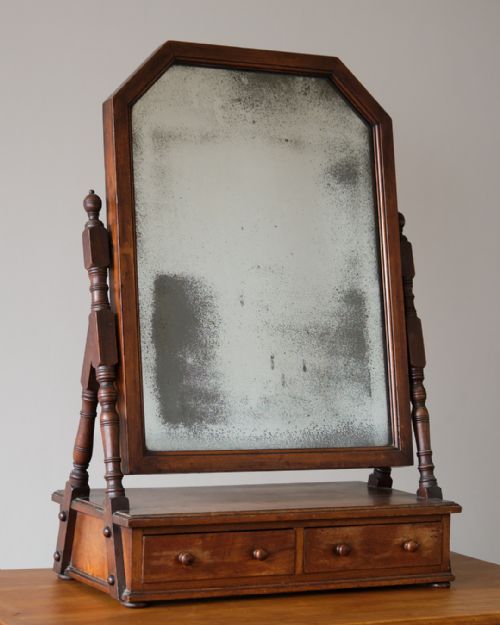
- A portable mirror mounted on a small frame or box base meant for placement on top of a chest of drawers or dressing table. They frequently feature small drawers for storing jewellery.
- Guilloche enamel
- Decorative metalwork covered with translucent enamel over an engine-turned or engraved geometric pattern. This technique appears commonly on Edwardian and Art Deco silver-lidded jars.
- Toilet mirror
- An alternative period term for a dressing table mirror used during the Georgian, Victorian, and Edwardian eras. They often feature adjustable shield or rectangular glass plates.
- Sterling silver overlay
- A decorative technique where thin sterling silver is bonded onto glass or crystal perfume bottles and trinket boxes, creating contrasting metallic patterns.
Edwardian Dressing Glass: Frequently Asked Questions
What is an edwardian dressing glass?
An Edwardian dressing glass is a tilting mirror produced during the Edwardian period, designed either as a compact tabletop toilet glass or a larger freestanding floor model. These mirrors allowed users to adjust the angle for personal grooming.
They typically feature mahogany or oak frames, sometimes incorporating small jewellery drawers or delicate inlay work within the wooden base.
How do I tell an Edwardian mirror from a Victorian one?
Edwardian dressing glasses often display lighter timbers such as blonde oak or finer, more restrained mahogany framing compared to heavier, darker Victorian pieces. Arts and Crafts influences and simpler lines also frequently mark the Edwardian transition away from ornate Victorian styles.
Examining the construction methods, hardware, and secondary woods can provide further clues to dating an individual piece accurately.
Where should I place a dressing glass in a room?
Tabletop dressing glasses sit naturally upon a chest of drawers, sideboard, or dedicated dressing table to provide a functional mirror surface at a comfortable height. Floor-standing cheval mirrors operate independently as full-length reflecting pieces in a bedroom or dressing area.
Positioning them near natural light sources helps maximise their reflective utility while showcasing the timber frame.
What items match an edwardian dressing glass?
Dressing table jars, cut glass scent bottles with silver lids, and small trinket boxes complement the aesthetic of an Edwardian dressing glass. Many period vanity settings also include enamel-topped containers and matching silver-mounted cologne bottles.
These accessories share the dressing surface and reflect the decorative metalwork popular in early twentieth-century bedrooms.