
Edwardian Dresser Base
An Edwardian dresser base brings sturdy timber and practical drawer storage into a dining room or hallway.
Edwardian Dresser Base
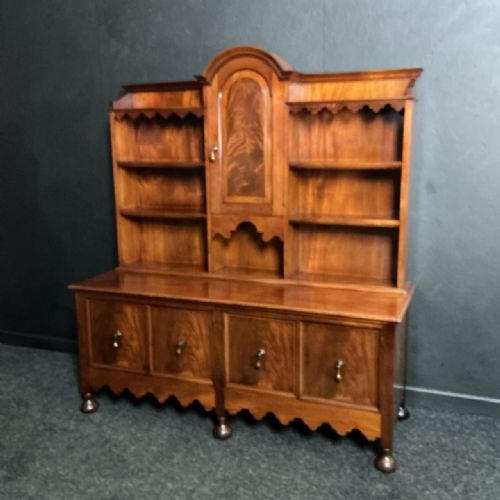
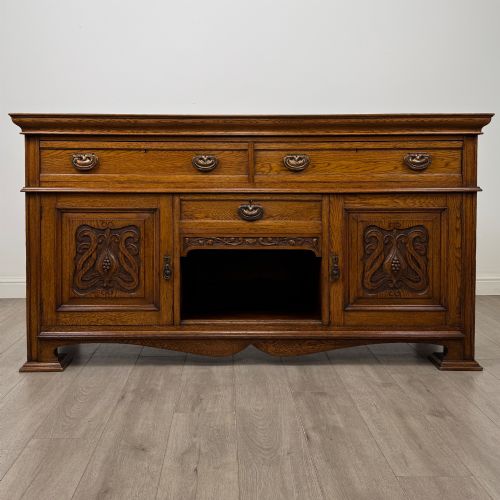
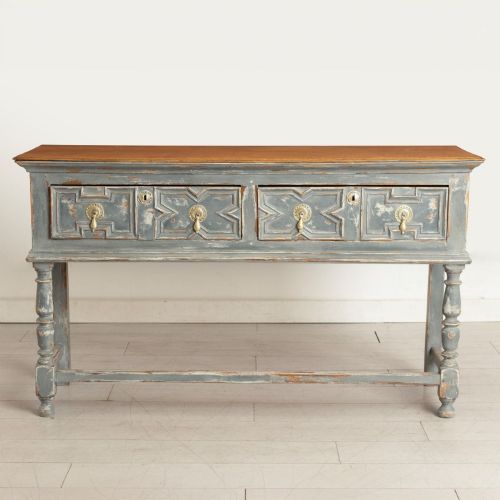
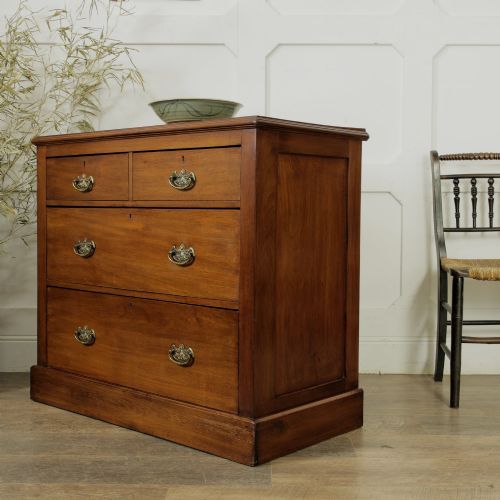
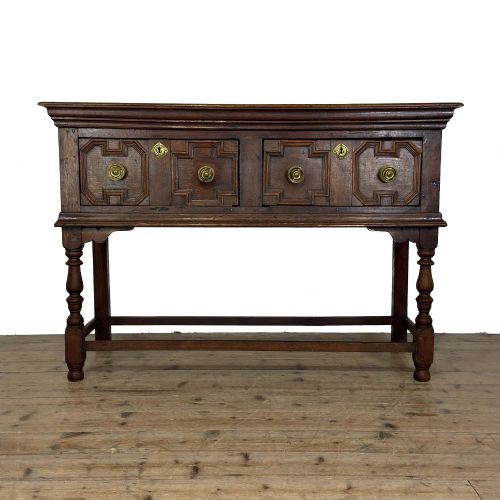
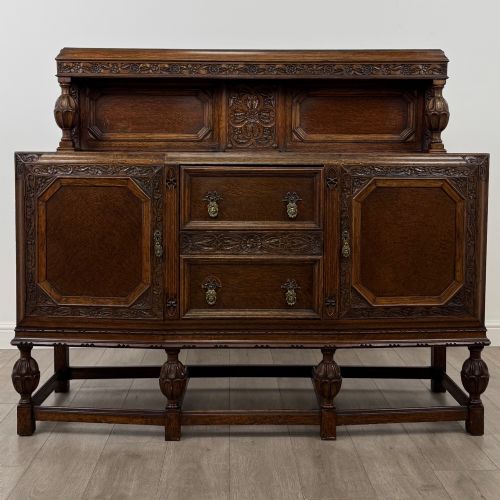
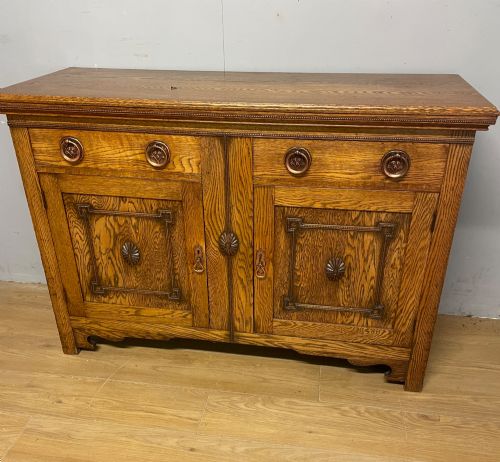
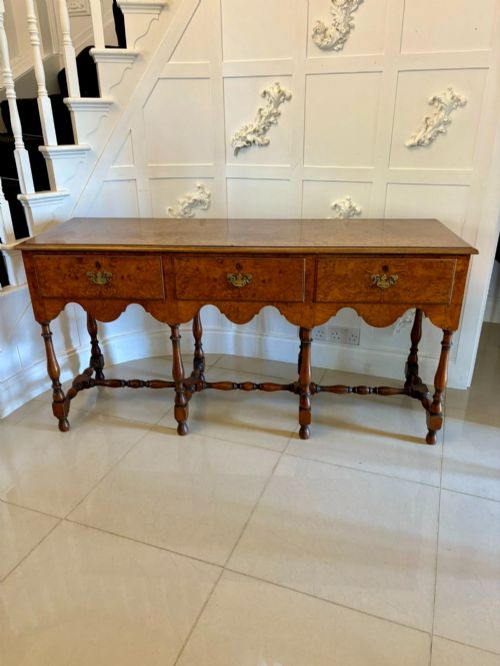
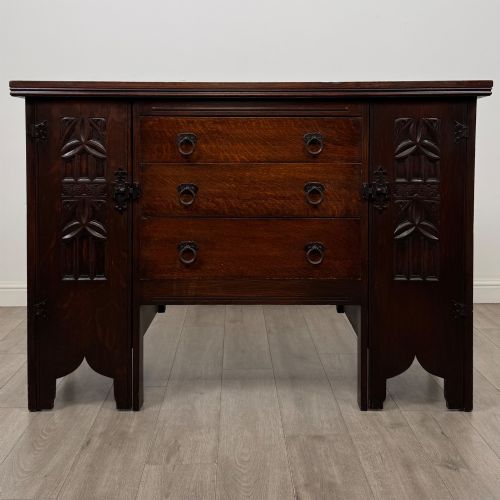
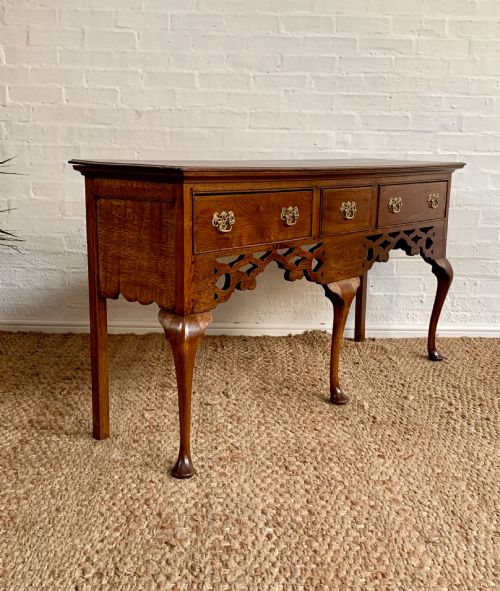
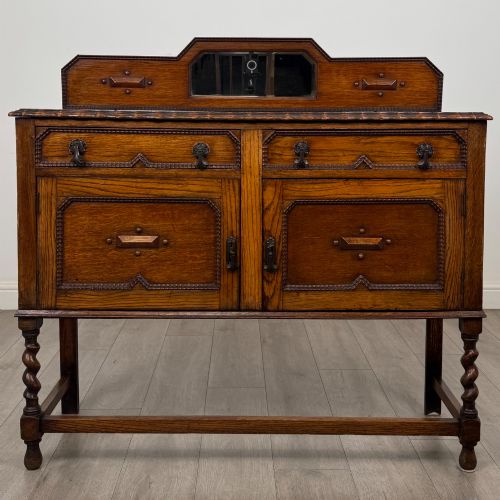
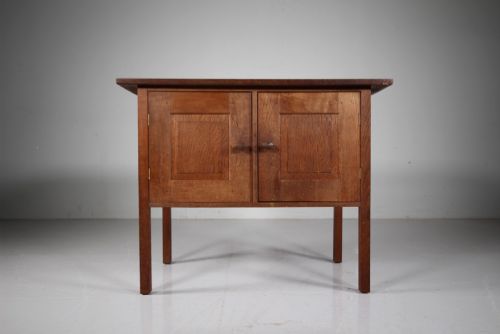
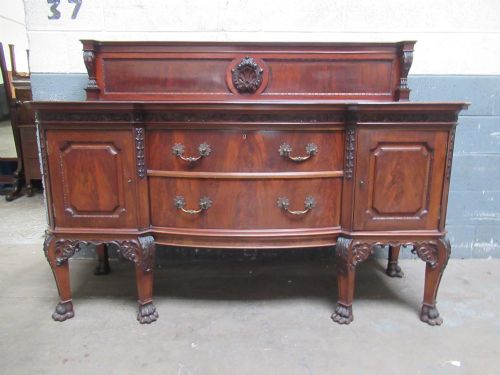
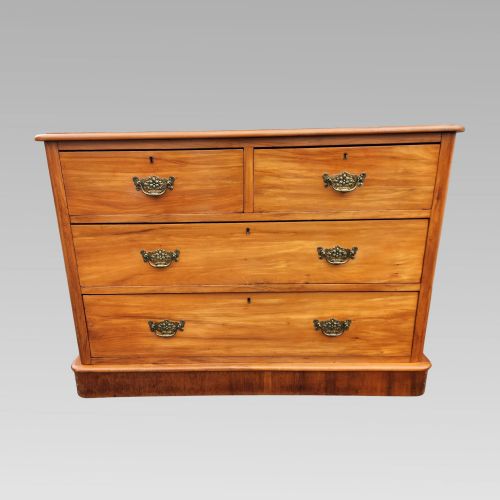
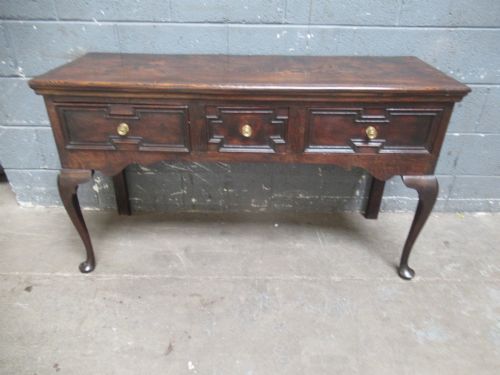
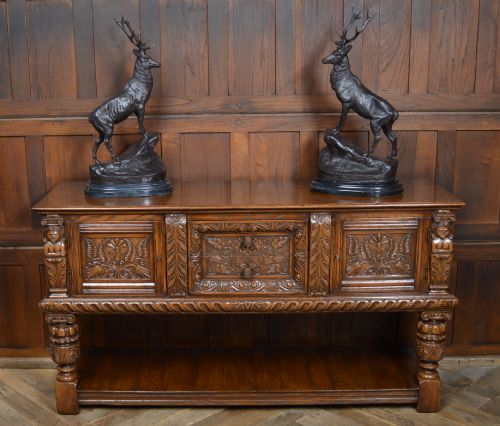
An Edwardian dresser base is a heavy low-built storage unit typically combining drawers and cupboards designed for domestic use. When searching for an Edwardian dresser base, a buyer encounters pieces originating from the early twentieth century alongside revival styles from neighbouring decades. Most examples found on this page are constructed from oak or mahogany, often taking the form of sideboards, serving tables, or pot board bases.
The objects span multiple stylistic influences including Arts and Crafts, Jacobean Revival, and Art Nouveau alongside simpler Edwardian and Victorian country designs. Golden oak and burr walnut appear frequently, matched with brass or original wooden handles. Some variants incorporate mirror backs or open pot boards beneath the main surface, reflecting the varied domestic requirements of the period.
Materials and construction
Makers built these pieces primarily using solid oak, mahogany, and walnut, selecting timber for its grain pattern and structural strength. Oak versions often exhibit golden tones or dark carved panels, whilst mahogany and satinwood examples rely on smooth surfaces and inlaid details. Pine served as a secondary wood for interior linings and structural framing.
Joinery techniques included traditional drawer construction with dovetailed joints and panelled doors fitted with brass hinges. Carving, applied mouldings, and contrasting wood inlays decorated the structural elements without compromising daily utility.
Several listings feature eight-door cupboards, proving that Edwardian dining habits required serious storage for massive amounts of china.
Judging quality in construction
Quality in these pieces rests on timber selection, the crispness of any hand-carving, and the retention of original hardware such as brass handles and working locks. Superior examples display carefully matched wood veneers on burr walnut pieces or tight, even grain on solid golden oak.
Internal joinery distinguishes finer work from standard utility items, shown in smooth-running drawers with solid linings rather than cheap replacements. Surviving maker stamps or original surface patination further elevate the standing of a piece.
Peter Waals·T Simpson and Son
The Edwardian Dresser Base Glossary
- Pot board
- An open lower shelf beneath the main surface of a dresser base, originally intended for storing ceramic pots and dishes.
- Breakfront
- A cabinet design where the central section projects forward from the flanking cupboards or drawers.
- Inlay
- A decorative technique where contrasting pieces of wood or metal are inserted into recessed cavities to form patterns.
- Chiffonier
- A compact low sideboard or cupboard often fitted with drawers and a small upper shelf.
- Sideboard
- A long dining room furniture piece used for serving food and storing tableware.
Edwardian Dresser Base: Frequently Asked Questions
What is a pot board base?
A pot board base includes an open lower shelf positioned close to the floor beneath the main drawers and cupboards. This lower platform provided practical storage space for heavy kitchen ceramics and dishes.
In daily use, it gives the furniture a grounded architectural proportion while keeping everyday items accessible. Most surviving examples maintain their original lower boards intact.
How do I spot Arts and Crafts influence?
Arts and Crafts pieces emphasise plain surfaces, visible construction details, and golden oak timber. Decoration remains minimal, relying instead on the natural grain of the wood.
Hardware often includes hand-beaten copper or brass handles rather than ornate cast mounts. This style values honest craftsmanship over excessive applied ornamentation.
Where were these pieces used?
Edwardian dresser bases served primarily in dining rooms, serving halls, and large kitchens for storing cutlery and serving dishes. The top surface functioned as a sideboard during meals.
Today they adapt easily into modern living spaces as hallway consoles, media units, or dining room storage. Their low height makes them suitable for placing beneath mirrors and artwork.