



Edwardian Dog Painting
Edwardian dog painting captures canine companionship with period charm, offering collectors characterful canvases spanning sporting art and domestic portraiture.
Edwardian Dog Painting
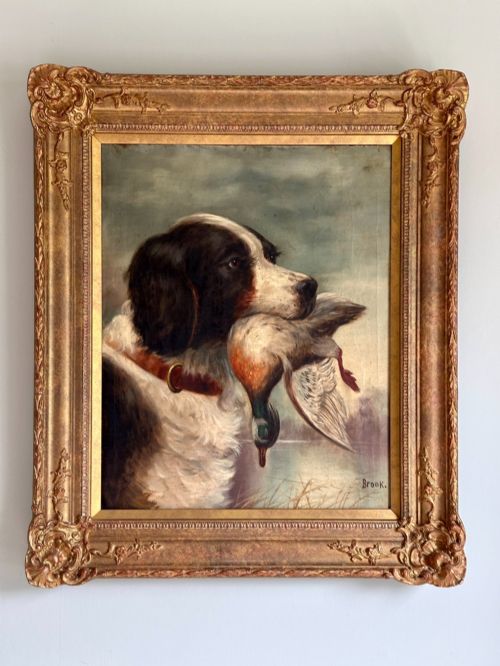
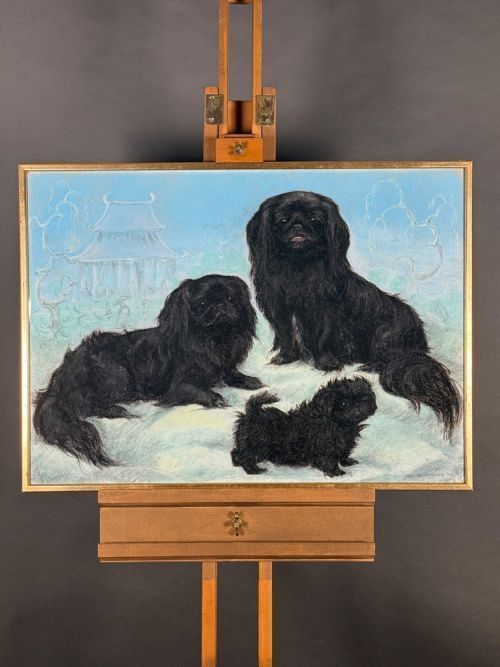
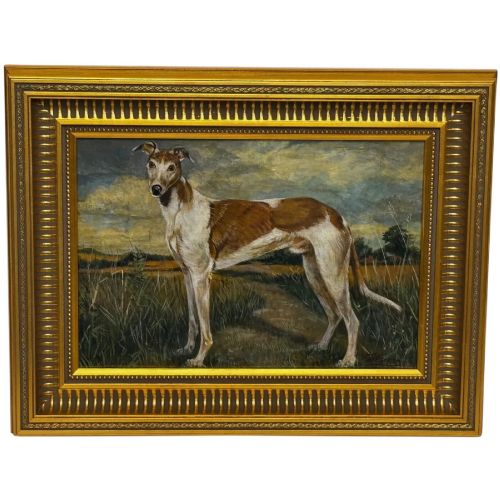
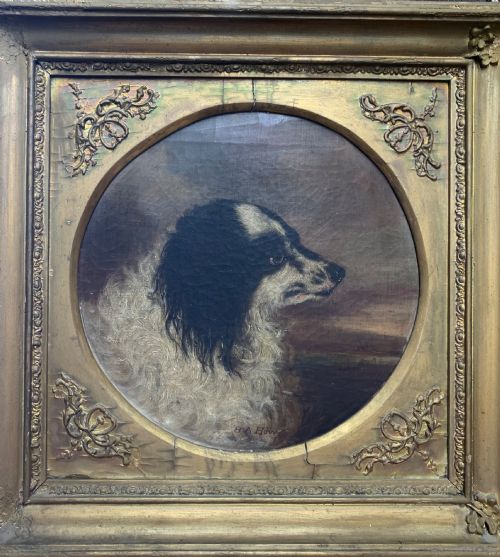
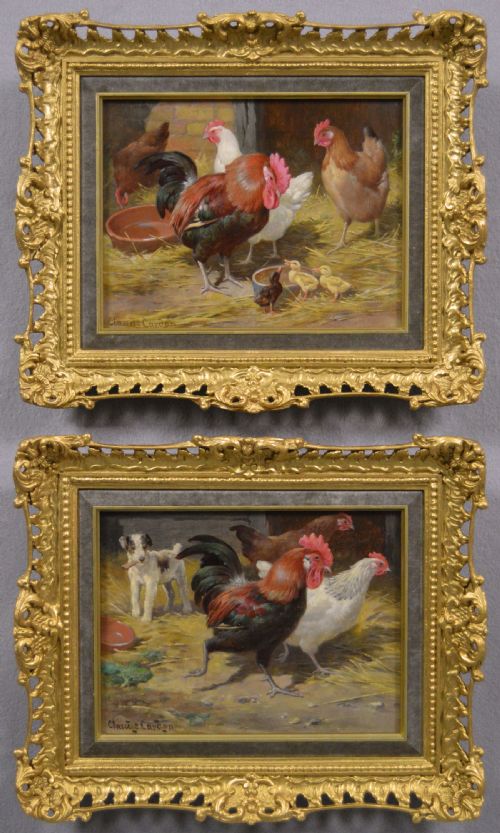
An edwardian dog painting typically focuses on specific breeds ranging from terriers and spaniels to collies and pugs, set within landscapes or interior scenes. These works capture the popular Victorian and Edwardian sentiment towards pets and working animals through oil on canvas or pastel on paper.
The selections encountered on this page encompass framed portraits, sporting art, and genre paintings created by British and European artists during the late nineteenth and early twentieth centuries. While many pieces date from the Edwardian era proper, associated works span adjacent nineteenth-century and mid-century periods.
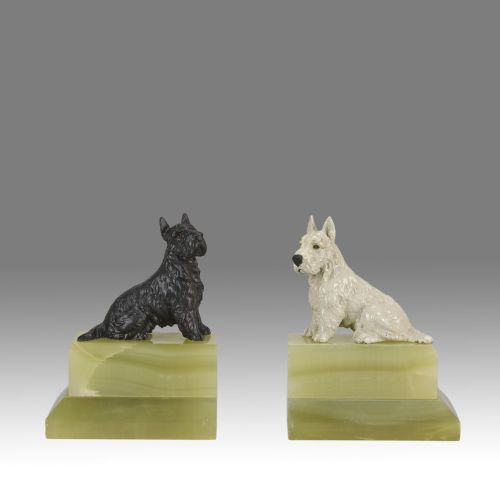
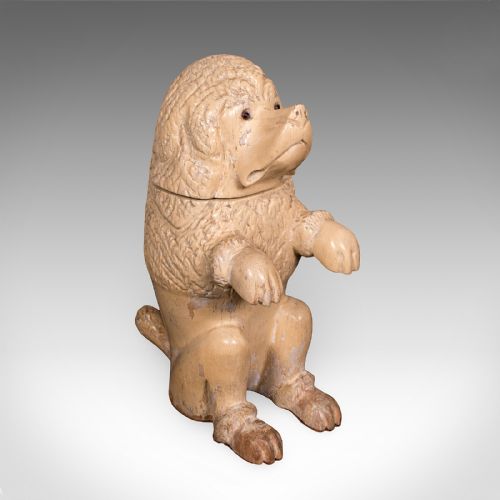
Beyond standard framed canvases, the category extends to related figurative items such as oil on board panels, watercolours, and occasionally functional objects adorned with canine subjects. These portrayals vary from intimate studies of individual pets to sweeping moorland hunting scenes.
Materials and Technique
Artists relied primarily on oil paint applied to stretched canvas or wooden board, utilising rich pigments to render the texture of animal coats and natural light in landscapes. Pastels on paper also appear for softer, more intimate animal studies.
Framing frequently involved carved wood and gold leaf, incorporating giltwood mouldings that complement the palette of the period artwork.
An unexpected pug makes an appearance among the spaniels and terriers.
Judging Quality
The standard of a dog painting rests upon the artist's ability to render the anatomy, expression, and distinct personality of the animal with anatomical accuracy and vitality. Superior works display confident brushwork in the rendering of fur, eyes, and surrounding textures rather than stiff, generic representation.
Composition and provenance elevate certain pieces, particularly when signed by established sporting or portrait painters of the period. The integration of the animal within a convincing landscape or interior space further distinguishes accomplished works from simpler school pieces.
John Emms·Valentine Thomas Garland·John Trivett Nettleship·Alfred Duke·Thomas Blinks·Samuel Fulton·George Wright
The Edwardian Dog Painting Glossary
- Oil on Canvas
- Pigments bound in drying oil applied to a woven fabric support. This traditional medium allowed artists to build rich layers of colour and texture.
- Sporting Art
- Depictions of rural sports, hunting dogs, and working animals in field or moorland settings. This genre flourished in British art throughout the nineteenth and early twentieth centuries.
- Giltwood
- Wood carved and coated with gold leaf or metallic powder. It provides a reflective, ornate border typical of period frames.
- Pastel on Paper
- A dry medium consisting of powdered pigment and a binder pressed into sticks. It creates a velvety surface well suited to detailed animal portraits.
- Genre Painting
- Scenes depicting aspects of everyday life, often featuring people and domestic animals interacting in domestic or rural environments.
Edwardian Dog Painting: Frequently Asked Questions
What subjects appear in these paintings?
The subjects include individual pet portraits, working dogs, spaniels, terriers, and sporting dogs in field or landscape settings.
Many works also incorporate human figures, farm animals, or rural architecture alongside the central animal subject.
How do I identify the period?
Dating relies on costume clues in any human figures, artistic styles, framing techniques, and artist signatures recorded in historical records.
Works span the late Victorian era through the Edwardian period and into the early twentieth century.
Where should I hang these artworks?
These framed canvases suit traditional living spaces, libraries, or studies where their rich oil palettes complement period architectural details.
Direct sunlight should be avoided to protect the canvas, oil pigments, and gold leaf frames from fading.
Are all the works by British artists?
While the majority reflect British sporting and domestic art traditions, the listings include continental European works and materials.
Signatures and school attributions offer clues to the specific geographic origin and training of the artist.