



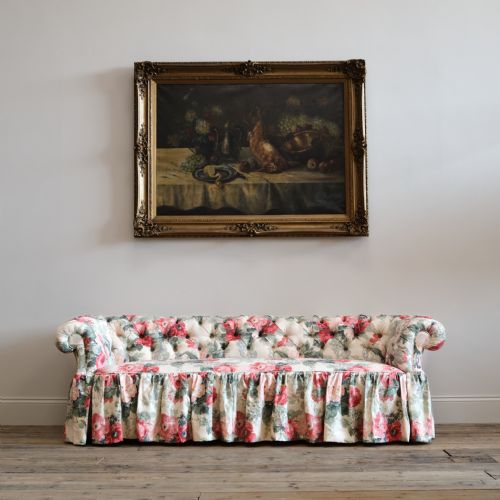


Antique Bird Hunting Art
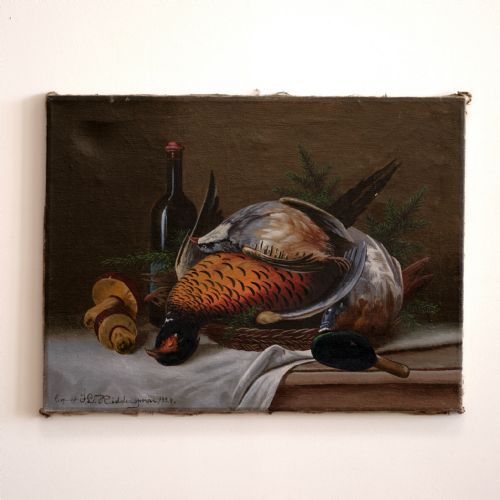
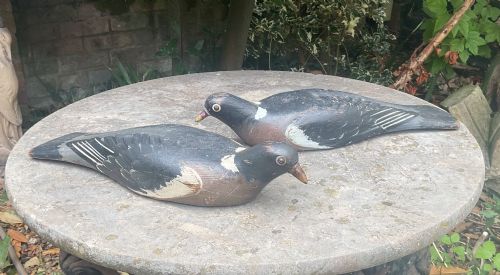
Antique bird hunting art captures the traditional pursuits of field sports through oil paintings, watercolours, and carved wooden decoys.
Antique Bird Hunting Art
The material available spans the nineteenth century, the Edwardian era, and the early twentieth century, incorporating British and continental interpretations of game subjects. You will frequently find oil paintings on canvas or board alongside carved folk art sculptures and framed prints depicting shooting scenes.
The dominant forms are oil paintings of spaniels, pointers, and setters retrieving game, alongside carved and painted wooden decoys. These objects bridge the gap between practical sporting equipment and decorative fine art.
What varies in quality
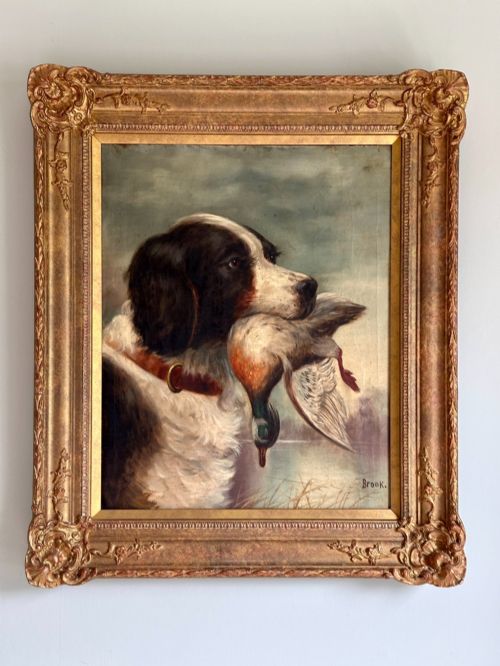
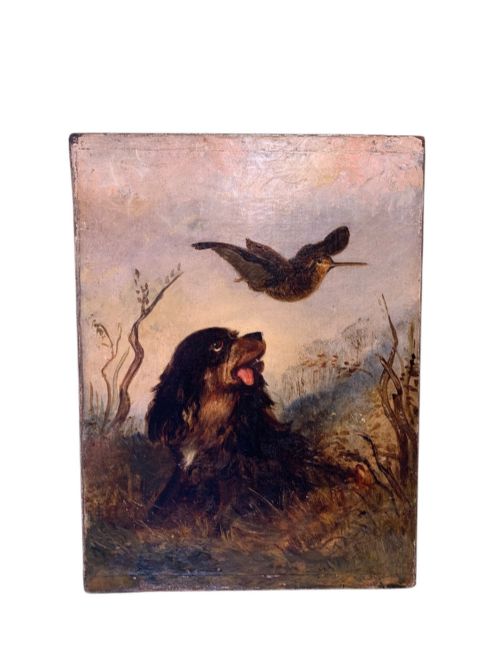
Quality in these works rests upon the anatomical precision of the animals, the fidelity of the sporting action, and the handling of the medium. A superior oil painting displays accomplished brushwork in the depiction of gundog fur and bird plumage, whereas lesser examples rely on stiff composition and flat colour.
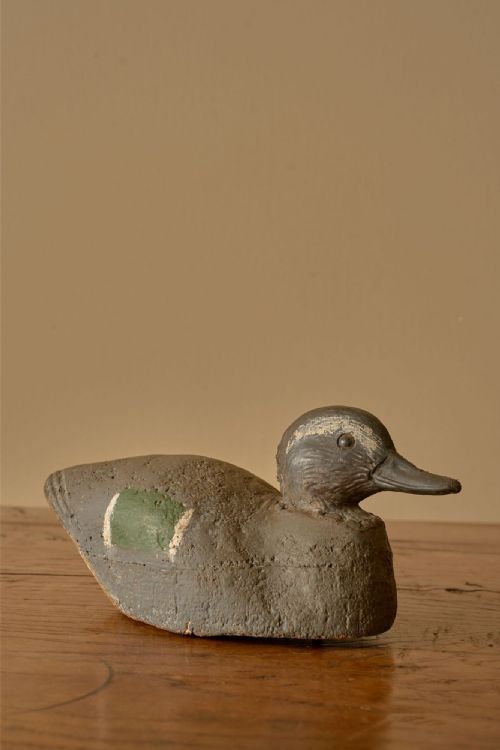
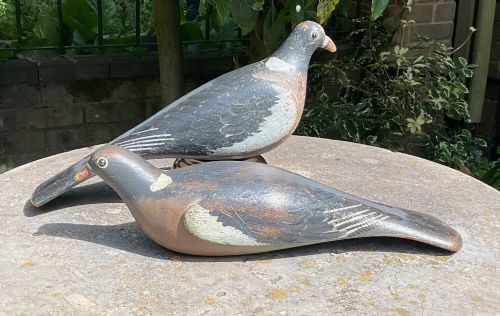
For wooden decoys, quality is determined by the vigour of the carving and the preservation of the original hand-painted surface. Pieces that retain their genuine working patination without excessive modern restoration command greater appreciation from collectors of folk art.
George Sydney Shepherd·Michelangelo Meucci·John Sargent Noble·Edgar Hunt·Arthur E Gonne·Archibald Thorburn
The Antique Bird Hunting Art Glossary
- Decoy
- A carved and painted wooden representation of a bird, utilised to attract wildfowl or pigeons during shooting. These working objects developed into a recognised form of folk art.
- Bodycolour
- An opaque water-based medium, also known as gouache, mixed with a white pigment to create solid, flat areas of colour in works on paper.
- Trompe l'oeil
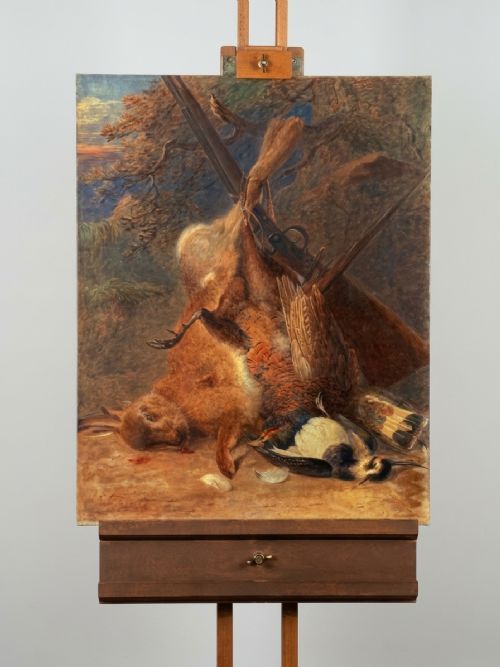
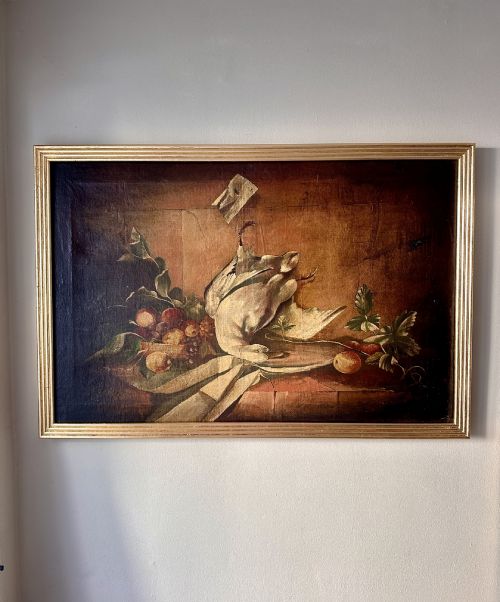
- An artistic technique that uses realistic imagery to create the optical illusion that the depicted objects exist in three dimensions. This is frequently seen in still life paintings of hanging game.
- Gundog
- A type of hunting dog trained to find and retrieve game, commonly featured alongside mallards, woodcocks, and pheasants in sporting paintings.
Antique Bird Hunting Art: Frequently Asked Questions
What subjects appear in these paintings?
The artworks primarily depict gundogs such as pointers, spaniels, and setters alongside game birds including mallards, woodcocks, pheasants, and grouse. You also find still life compositions featuring dead game and fruit.
These subjects reflect the sporting interests of the nineteenth and early twentieth centuries, capturing dogs at work in the field and the day's bag laid out after a shoot.
How were wooden decoys used?
Carved wooden decoys were placed on water or in fields by shooters to lure wildfowl, ducks, geese, or pigeons within range. They served as functional tools of the trade before being collected as decorative folk art.
Many retain traces of their original hand-painted surfaces and the wear acquired from actual use in damp field conditions.
How do I date a piece?
Dating relies upon stylistic conventions, framing materials, canvas preparation, and recorded signatures or dates on the reverse of the work. Nineteenth-century pieces often display traditional academic or folk art handling, while Edwardian and 1920s works reflect the changing tastes of the twentieth century.
Examining the timber of decoys and the weave of canvas helps establish the correct period of manufacture.
Where should I hang sporting art?
These works suit studies, libraries, and hallways, pairing naturally with traditional interiors, wood panelling, and other sporting or botanical collections. They benefit from being placed away from direct sunlight to protect oil paint and paper from fading.
Framed oil paintings and prints anchor a room's decorative scheme, while sculptural decoys sit well on sideboards or mantelpieces.