


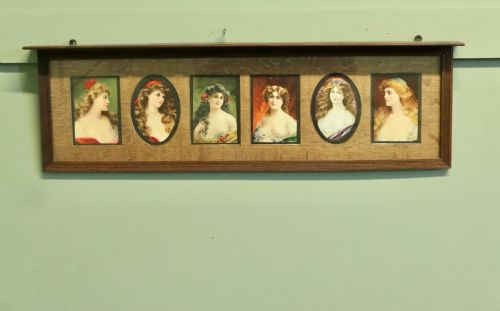
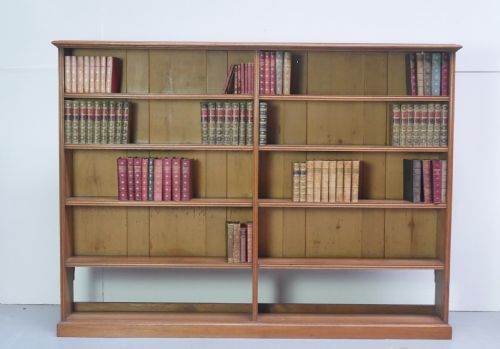


Edwardian Display Wall Shelf
An edwardian display wall shelf brings orderly charm to a room, offering practical storage and a neat stage for ceramics.
Edwardian Display Wall Shelf
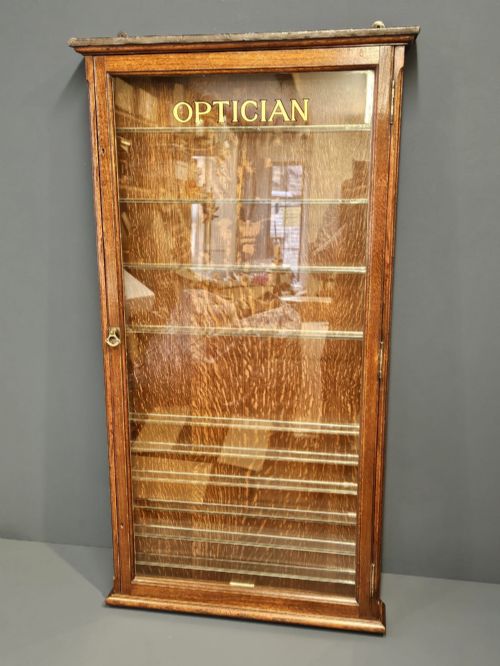
When you search for an edwardian display wall shelf, you encounter hanging wooden furniture designed to mount securely to domestic walls. These pieces provide open platforms or enclosed glazed sections for holding books, plates, and small ornaments.
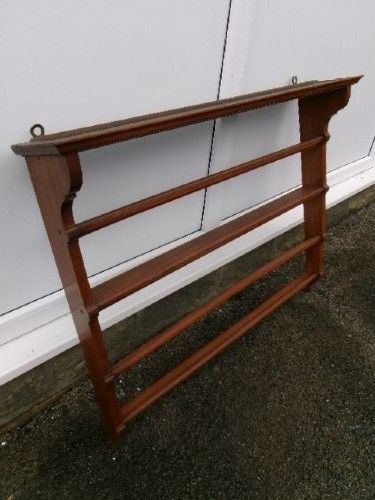
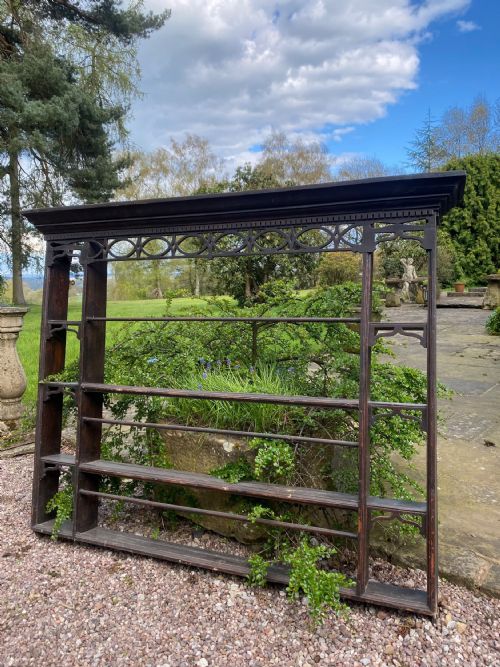
The selection on this page stretches from the structured elegance of the Edwardian period back through Victorian and Regency eras, alongside earlier oak plate racks. Forms range from simple wall-mounted bookshelves to elaborate overmantel mirrors fitted with small display ledges.
Edwardian examples frequently utilise fine timbers like mahogany and satinwood, sometimes featuring inlaid decoration. Alongside purpose-built display shelves, you find related hanging cabinets, whatnots, and compact bookcases adapted for wall mounting.
How they were made
Makers constructed these wall-mounted pieces primarily from solid woods and veneers, selecting mahogany, oak, satinwood, and walnut for their grain and durability. Structural joints rely on traditional carpentry methods to support the weight of books and ceramics safely against a wall.
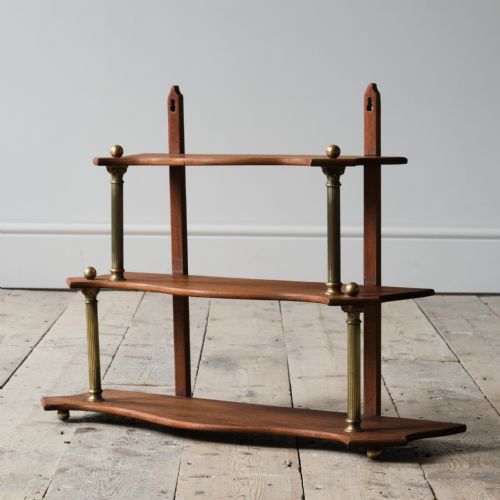
Decorative surfaces often incorporate brass fittings, glass panels for cabinet doors, and delicate wood inlays. Painted finishes also appear, utilising historic colour palettes on wood to suit lighter domestic interiors.
Edwardian Display Wall Shelf Retail Price Guide 2026
Typical asking prices for edwardian display wall shelf among the pieces listed under this phrase on Sellingantiques today, from the lower quarter to the upper quarter. They describe what is for sale here now, not the wider market.
Materials recorded in current and past stock include solid mahogany, oak, walnut, bamboo, and painted wood with brass hardware.
What varies in quality
The distinction between standard utility items and finer pieces lies in the choice of timber and the precision of the cabinetwork. Superior examples display carefully matched wood veneers, subtle inlay work, and robust structural joinery designed to endure decades of hanging.
Proportion and decorative restraint set better pieces apart, where carved details or brass mounts complement the timber rather than overwhelm it. The preservation of original painted surfaces, glass, and hardware also influences the overall character and integrity of the piece.
John Moyr Smith
The Edwardian Display Wall Shelf Glossary
- Whatnot
- A piece of furniture consisting of open shelves for displaying small objects. They are frequently designed to hang on walls or stand in corners.
- Overmantel
- A mirror or decorative structure placed above a fireplace mantelpiece. Many incorporate small display shelves along their frame.
- Plate rack
- A wall-mounted rack specifically designed to hold plates upright in grooves or behind wooden rails. These items often originate from earlier domestic kitchens and dining rooms.
- Inlay
- A decorative technique where pieces of contrasting wood or other materials are inserted into depressions in the base wood. This creates flat patterns and highlights the surfaces of cabinets and shelves.
- Aesthetic Movement
- A late nineteenth-century design style that emphasised visual beauty over narrative or moral function. Pieces from this movement often show Japanese influences and simplified forms.
Edwardian Display Wall Shelf: Frequently Asked Questions
What is the difference between a whatnot and a shelf?
A whatnot traditionally refers to a multi-tiered set of open shelves intended for ornaments and curiosities. While some stand on the floor, wall-mounted versions serve a similar display purpose in tighter spaces.
Standard wall shelves often feature fewer tiers and may include enclosed cabinets or book storage rather than pure display platforms.
Can these shelves hold heavy books?
Many Edwardian and Victorian wall shelves were built primarily for lighter items, small volumes, and ceramics rather than dense libraries. You should assess the depth of the shelves and the strength of the joints before loading them with heavy books.
Dedicated hanging bookcases of the period generally offer sturdier construction and deeper ledges for reading material.
How do I care for antique mahogany wood?
Regular dusting with a dry, soft cloth prevents the accumulation of grime on polished timber surfaces. Avoid placing wooden shelves in direct sunlight or near heat sources to prevent the wood from drying out.
Applying a traditional beeswax occasionally helps nourish the grain and maintain the natural lustre of the finish.