




Edwardian Wall Hanging Bookcase
An Edwardian wall hanging bookcase offers clever storage for tight spaces, bringing compact timber shelving and display cabinets to vertical surfaces.
Edwardian Wall Hanging Bookcase
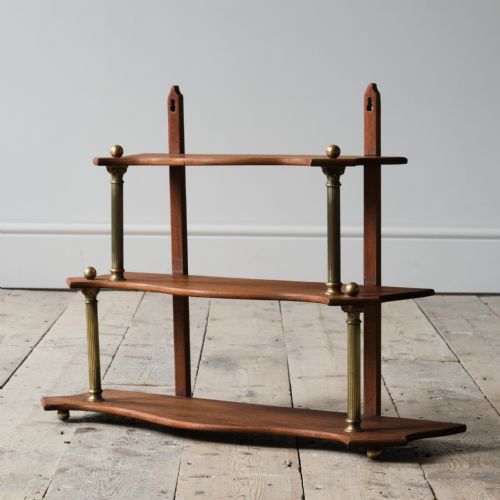
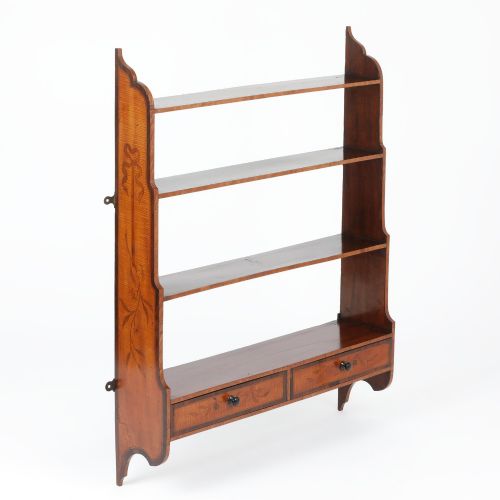
An edwardian wall hanging bookcase provides compact display and storage, making efficient use of vertical space in smaller rooms. Pieces range from open wall shelves to enclosed cabinets with glass doors, designed to keep books and decorative items elevated.
The selection includes specific forms such as waterfall bookshelves, hanging whatnot shelves, and miniature display cabinets. Materials span mahogany, satinwood, oak, and walnut, frequently incorporating brass fixtures and glass panels.
How they were made
Cabinetmakers utilised durable hardwoods like mahogany, oak, and walnut to construct sturdy hanging frames capable of supporting the weight of books. Satinwood was frequently employed for contrasting inlay work and decorative veneer panels.
Brass brackets, hinges, and hanging loops provided secure structural reinforcement and functional hardware. Glazed doors utilised timber framing to secure glass panes safely within the wall-mounted bodies.
Edwardian Wall Hanging Bookcase Retail Price Guide 2026
Typical asking prices for edwardian wall hanging bookcase among the pieces listed under this phrase on Sellingantiques today, from the lower quarter to the upper quarter. They describe what is for sale here now, not the wider market.
Some miniature display cabinets are small enough to hold tea cups alongside pocket volumes.
What varies in quality
The refinement of timber selection and decorative detailing determines the distinction between standard items and finer examples. Subtle elements like satinwood stringing, figured mahogany grain, and well-cast brass hardware elevate the visual presence.
Construction methods also reveal differences, with tight joinery and neatly integrated hanging mechanisms representing superior workshop standards. The presence of identifiable maker craftsmanship, such as pieces attributed to John Moyr Smith or Arthur Simpson, marks out the upper tier.
John Moyr Smith·Arthur Simpson
The Edwardian Wall Hanging Bookcase Glossary
- Satinwood
- A pale, lustrous timber native to Ceylon and India, often used for fine inlays and banding on darker woods. It provides a bright contrast against rich mahogany surfaces.
- Waterfall bookshelves
- Shelves arranged in a graduated descending order, where each tier steps forward from the one above. This design creates a cascading profile suited to wall hanging formats.
- Whatnot
- A set of open shelves designed for displaying ornaments and small books. These tiered structures utilise slender vertical supports.
- Aesthetic Movement
- A late nineteenth-century design style emphasising visual beauty over narrative or moral function. Pieces often feature clean lines and artistic craftsmanship.
- Inlay
- A technique where contrasting materials are inserted into recessed cavities on the timber surface to create decorative patterns. It frequently outlines shelves and cabinet doors.
Edwardian Wall Hanging Bookcase: Frequently Asked Questions
How do I hang a heavy wall bookcase?
Wall hanging bookcases require sturdy fixings secured directly into wall studs or masonry to support the weight of timber and books. Using appropriate brackets matched to the hanging loops ensures stability.
Professional installation is recommended for larger cabinets, particularly those featuring heavy glass doors or dense hardwoods like oak and mahogany.
What is an edwardian wall hanging bookcase?
It is a compact timber shelving unit or small cabinet designed to be mounted directly onto a wall, saving floor space. These pieces combine practical book storage with display surfaces.
They appear in various styles from the period, frequently utilising mahogany or satinwood with inlaid details.
Can these bookcases hold heavy books?
Most wall hanging shelves are suited for paperback collections, lighter volumes, and decorative ornaments rather than heavy encyclopaedias. The open shelves and miniature cabinets prioritise accessibility and light proportions.
Checking the depth and structural integrity of the individual ledgers helps determine suitable loads for each shelf tier.
How do I tell an edwardian piece from earlier styles?
Edwardian pieces often share lighter proportions and subtle inlay work influenced by earlier Sheraton revivals. Distinguishing them involves looking at timber preparation, hardware styling, and construction conventions.
Pieces also reflect overlapping design movements like Arts and Crafts or Aesthetic influences depending on the specific workshop origin.