


Edwardian Dining Table Centrepiece
An Edwardian dining table centrepiece anchors a formal table with height and polish, bringing period silver and glass to your dining room.
Edwardian Dining Table Centrepiece
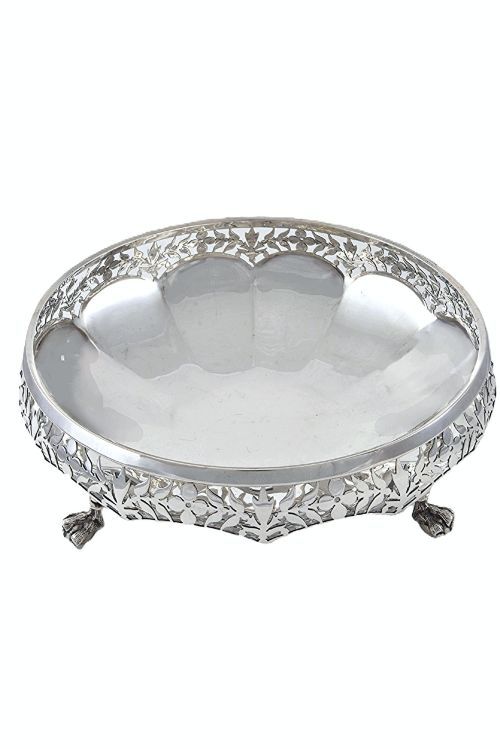
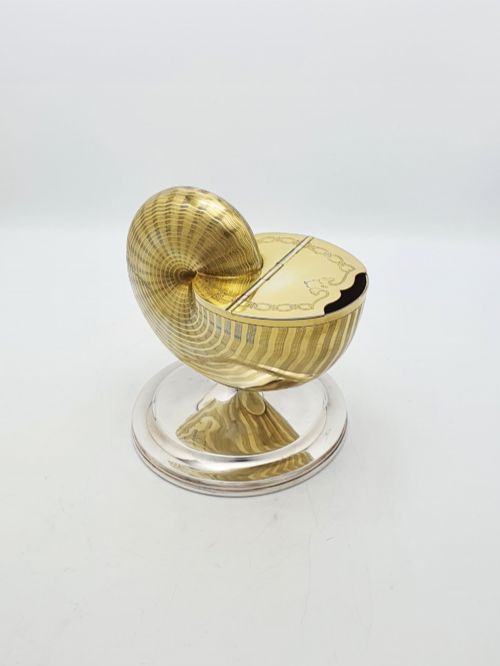
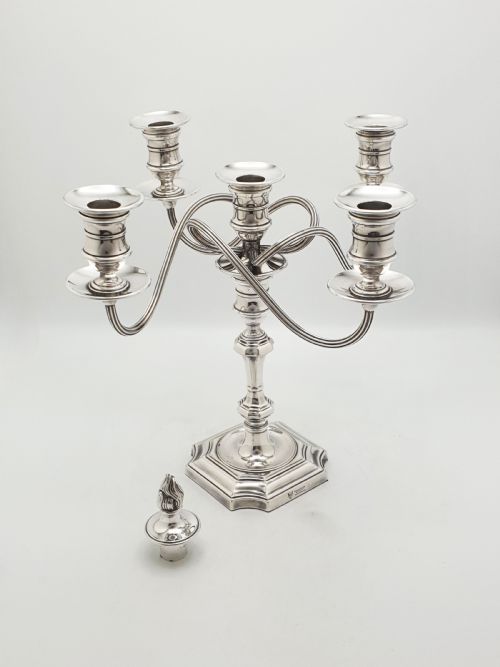
An Edwardian dining table centrepiece brings a formal focal point to the dining room, drawing the eye across the table arrangement. You are most likely to meet silver plated candelabras, glass epergnes, and large bowls from the Edwardian period and neighbouring decades on this page.
The selection spans multi-light candelabras, fruit baskets, and epergnes alongside serving dishes and cruet sets. Pieces emerge from the late nineteenth century through to the reign of George V, showing Victorian influences as well as Edwardian neoclassical and Art Nouveau styles.
Makers and silversmiths utilised sterling silver and silver plate alongside cranberry glass, clear glass, and gilt metal. Form follows function across these dining accessories, providing both height and decorative presence to the table surface.
How They Were Made
Silversmiths shaped sterling silver and electroplated nickel silver over base metals to create durable dining accessories. Silver plate and EPNS provide the reflective shine seen on candelabras, entree dishes, and cruet sets.
Glass components, including cranberry glass and pearlescent vessels, take form through blowing and shaping techniques. Metal frames and mounts secure these glass inserts, combining two distinct material traditions into a single decorative object.
Listings feature items from 1860 through to the 1920s, encompassing Victorian, Edwardian, and George V periods.
What Varies in Quality
Weight and gauge of metal separate simpler table items from substantial pieces designed for grand dining rooms. Heavier silver plating and solid sterling silver demonstrate durability and substance.
Refinement of design and cast detail define the upper tier of these dining accessories. Crisp execution in floral mounts, glass blowing, and structural joints distinguishes standard production from finer workshop output.
William Hutton and Sons·Mappin and Webb
The Edwardian Dining Table Centrepiece Glossary
- Candelabra
- A branched candlestick holding multiple lights. These lighting pieces provide height and illumination down the centre of a dining table.
- Epergne
- An ornamental centrepiece featuring a central bowl with hanging baskets or trumpets. They frequently combine silver frames with coloured glass elements.
- EPNS
- Electroplated nickel silver. This designation denotes a base metal coated in a thin layer of silver through an electrical process.
- Entree dish
- A covered serving dish used for presenting courses at the table. They often match the broader silver service of the dining suite.
- Spoon warmer
- A vessel designed to hold hot water and warm spoons before service. Victorian dining customs utilised these specialised ceramic or silver containers.
- Dish ring
- A spool-shaped stand placed on the table to protect surfaces from hot dishes. Irish examples typically feature pierced and embossed decoration.
Edwardian Dining Table Centrepiece: Frequently Asked Questions
How do I clean a silver plated centrepiece?
Use a soft cloth and a specialised silver polish designed for plated items. Avoid harsh abrasives that can wear away the thin silver layer over the base metal.
Wash gently in warm soapy water and dry thoroughly immediately after polishing to protect the finish.
Can I use an epergne for fresh flowers?
Glass trumpets and bowls on epergnes are designed to hold water and floral arrangements. Ensure you fill the glass inserts carefully before placing them into the metal framework.
Clean the glass thoroughly after use to prevent water marks and mineral deposits from settling.
What is the difference between a candelabra and a candlestick?
A candlestick holds a single candle on a vertical shaft. A candelabra branches out into multiple arms to hold several candles from one base.
Both items provide height and illumination, but candelabras offer a more imposing presence on a large dining table.
How do I date an Edwardian centrepiece?
Examine hallmarks on sterling silver pieces for specific date letters and assay office symbols. Silver plated items rely on maker marks, style cues, and patent numbers for dating.
Art Nouveau curves and neoclassical motifs help narrow down the production period alongside the overall weight and manufacturing technique.