

Edwardian Dining Silver
Edwardian dining silver comprises table accessories and small implements in sterling silver and silver plate, acquired to dress a formal table with period character.
Edwardian Dining Silver
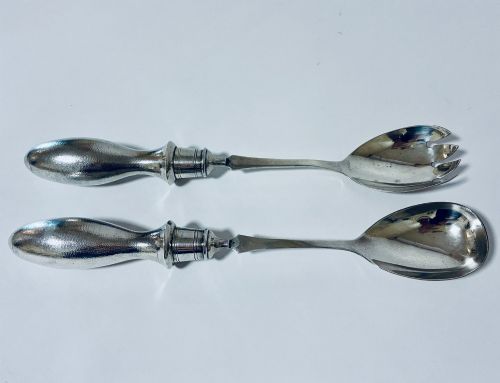
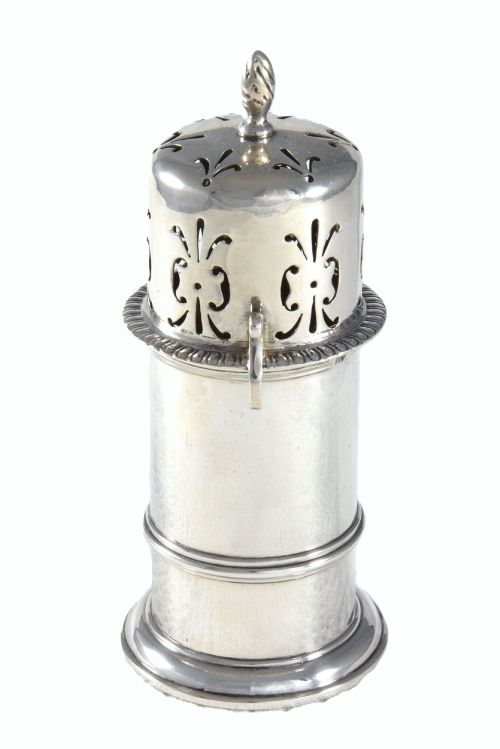
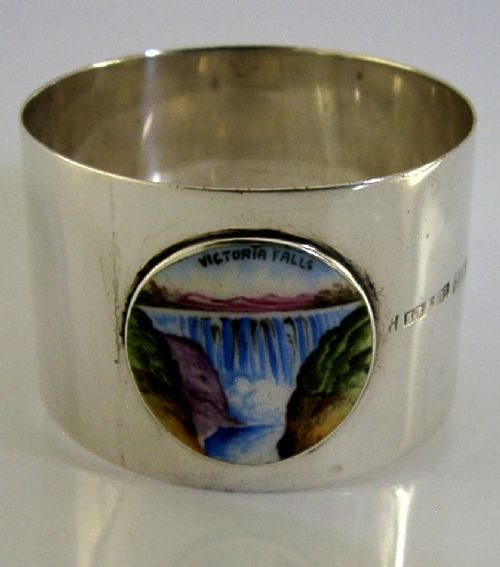
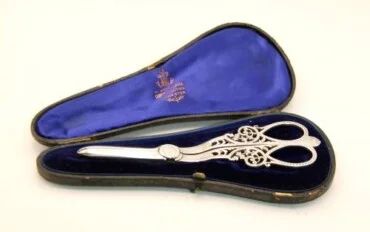
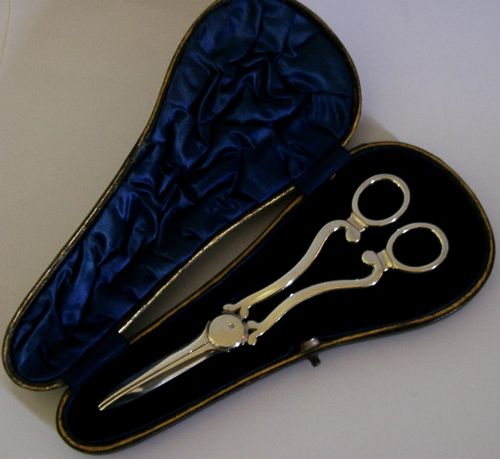
Edwardian dining silver encompasses the functional table accoutrements produced around the early twentieth century, spanning napkin rings, menu holders, cruet sets, and candlesticks. These pieces reflect the formal dining habits of the period, often presented in fitted cases lined with silk or velvet.
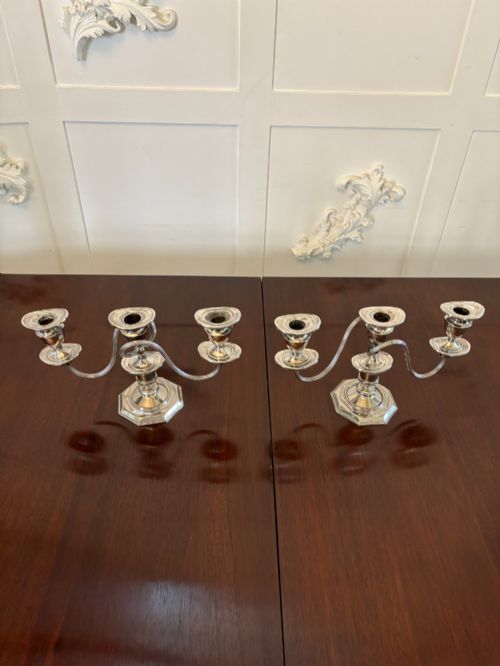
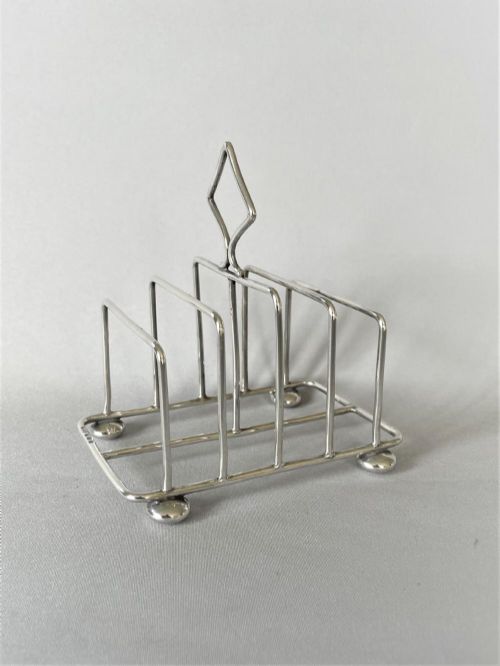
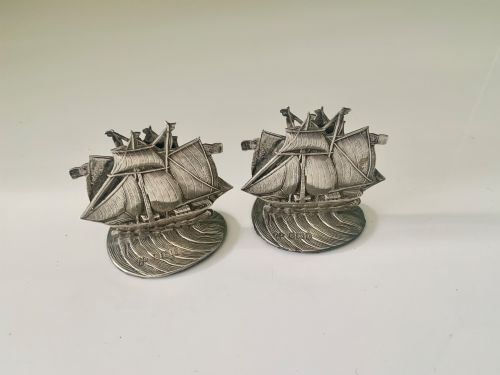
The objects on this page lean heavily towards Edwardian and George V items alongside Victorian survivals, taking forms such as toast racks, salt cellars with cobalt glass liners, and candelabras. Collectors encounter both solid sterling silver and silver plated items, frequently decorated in styles ranging from plain classical designs to ornate Art Nouveau motifs.
How They Were Made
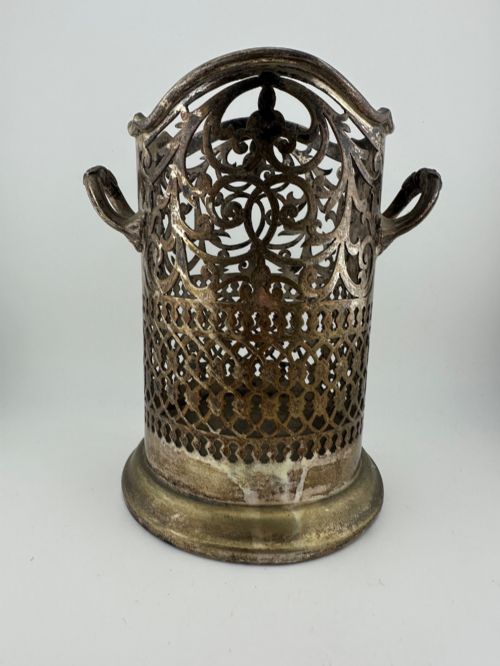
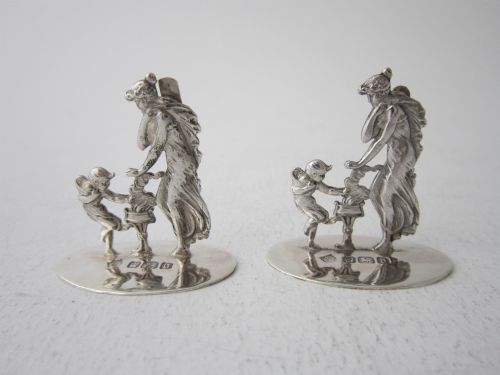
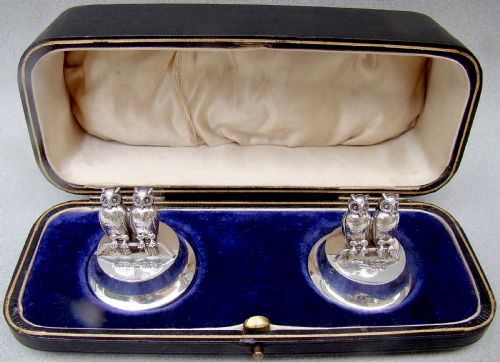
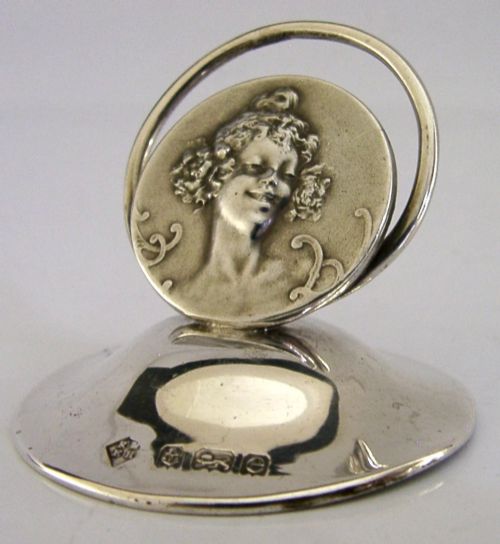
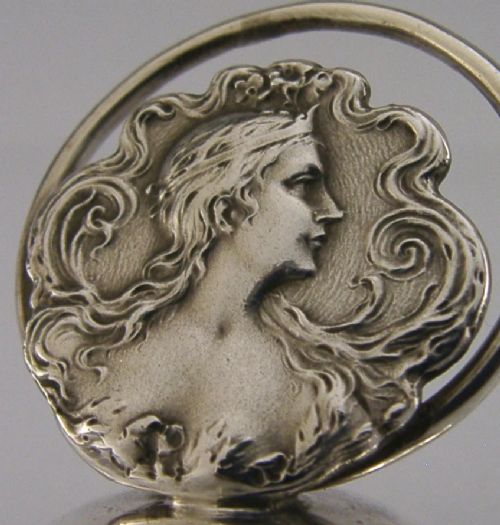
Makers utilised sterling silver and electroplated nickel silver as primary bases, shaping them through casting, piercing, and stamping. Items like menu holders often incorporated detailed figural castings depicting maidens, owls, or monkeys, while cruet frames and toast racks relied on soldered wirework and gallery framing.
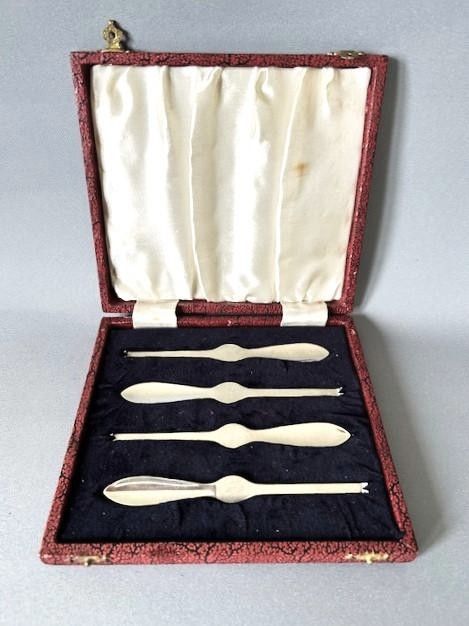
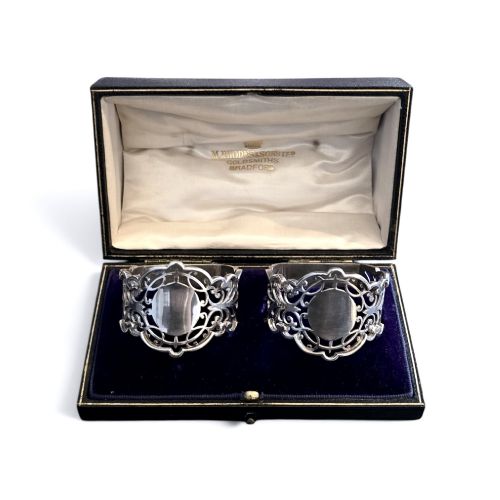
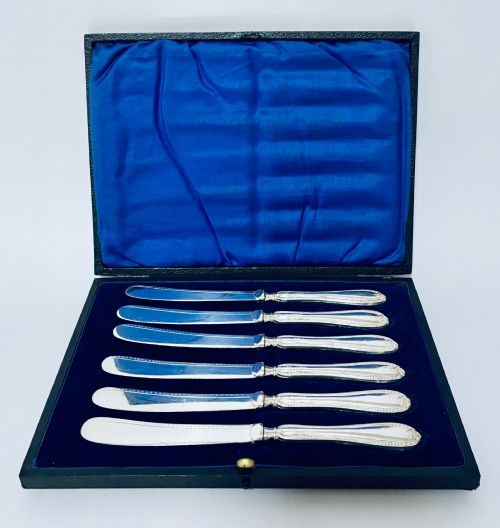
Presentation sets typically included fitted boxes finished in leatherette with interiors of silk and velvet to house napkin rings or butter knives securely. Glass elements, such as cobalt glass liners for salt cellars, were blown and fitted directly to metal frames.
Edwardian Dining Silver Retail Price Guide 2026
Typical asking prices for edwardian dining silver among the pieces listed under this phrase on Sellingantiques today, from the lower quarter to the upper quarter. They describe what is for sale here now, not the wider market.
Listings feature sterling silver and silver plate across periods spanning the nineteenth and twentieth centuries.
What Varies in Quality
The standard of execution in figural pieces, such as cast menu holders shaped as animals or figures, defines the upper tier of the range. Crisp detailing in the moulding and clear hallmarks indicate superior workshop output compared to simpler, mass-produced items.
The integrity of original fitted cases and interior linings influences the desirability of cased sets like napkin rings and cruet frames. Substantial gauge metal and intact silver plating or clear hallmarks separate standard utilitarian items from finer presentation pieces.
Martin Hall & Co·Levi & Salaman·C.T. Burrows & Sons
The Edwardian Dining Silver Glossary
- Sterling silver
- An alloy containing 92.5 percent silver by mass, standard for quality British tableware. Items meeting this standard bear official assay office hallmarks.
- Electroplated nickel silver
- A base metal alloy of copper, nickel, and zinc coated with a layer of silver through electrolysis. This technique provided an accessible alternative to solid silver.
- Cruet set
- A matched collection of containers for condiments such as salt, pepper, and mustard, often fitted into a metal frame with glass liners.
- Toast rack
- A small tabletop frame featuring vertical divisions to hold slices of toast upright. These pieces are typically formed in sterling silver.
- Candelabra
- A branched candlestick holding multiple lights, produced in both solid silver and silver plate for formal dining illumination.
Edwardian Dining Silver: Frequently Asked Questions
What pieces are included in edwardian dining silver?
Edwardian dining silver covers table accessories used during formal meals, including napkin rings, menu holders, cruet sets, toast racks, and candlesticks.
These items range from single serving pieces to cased sets intended for presentation or everyday dining use.
How do I identify sterling silver from silver plate?
Sterling silver items bear official hallmarks indicating the standard of the metal, assay office, and date letter.
Silver plated items use alternative stamps and consist of a base metal core coated with a thin layer of silver.
Were these items originally sold in presentation boxes?
Many table accessories, particularly napkin rings and cruet sets, were supplied in fitted boxes lined with silk or velvet.
These original cases protect the silver and often feature retailer details inside the lid.
What styles influence edwardian dining silver designs?
Designs draw upon traditional classical motifs, Edwardian neoclasticism, and flowing Art Nouveau curves featuring figures and floral elements.
Plain geometric forms also appear alongside ornate cast decorations.