
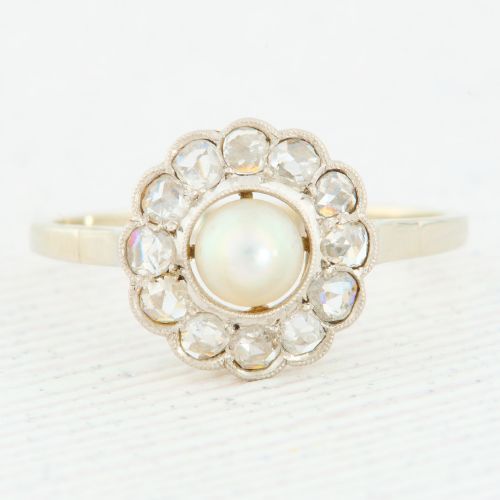
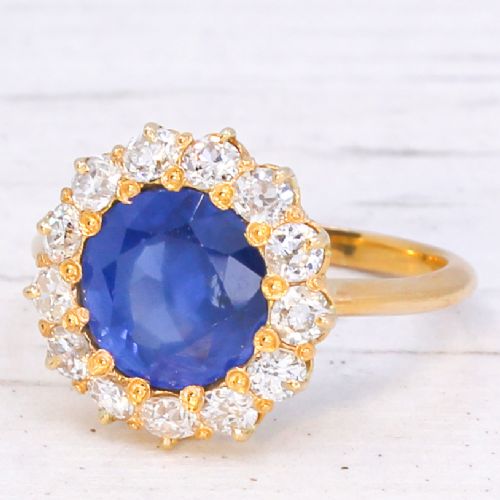
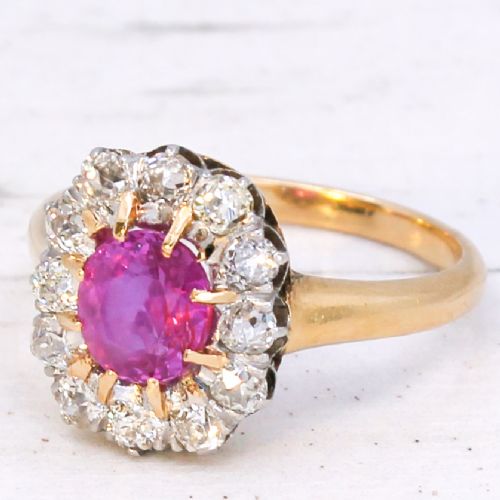
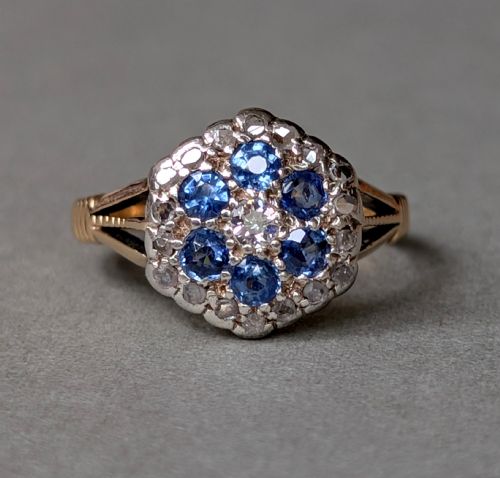
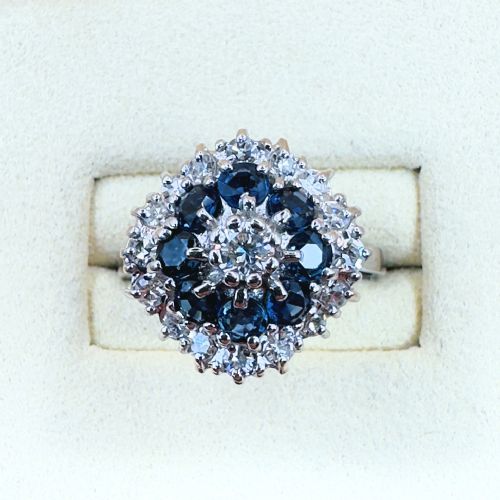
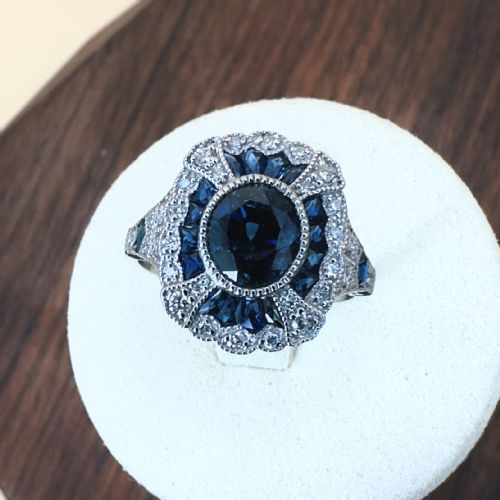


Edwardian Diamond Target Ring
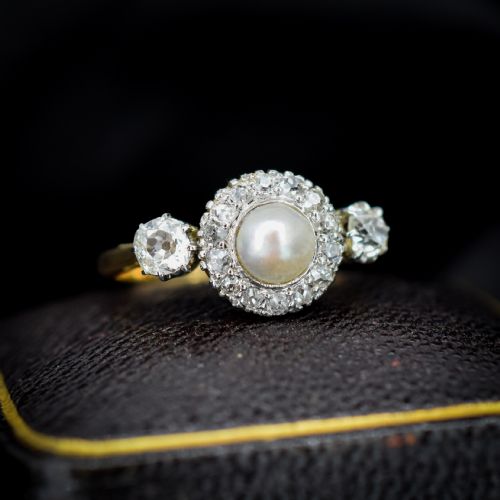
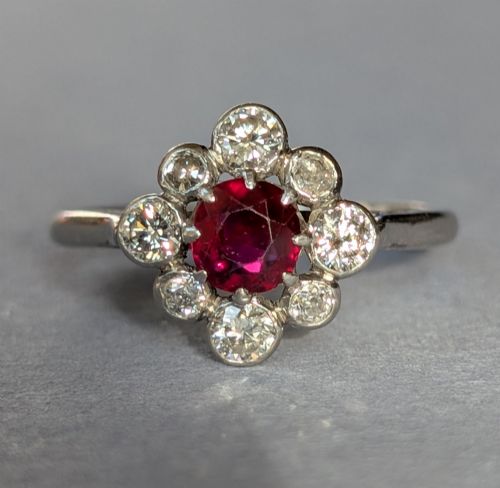
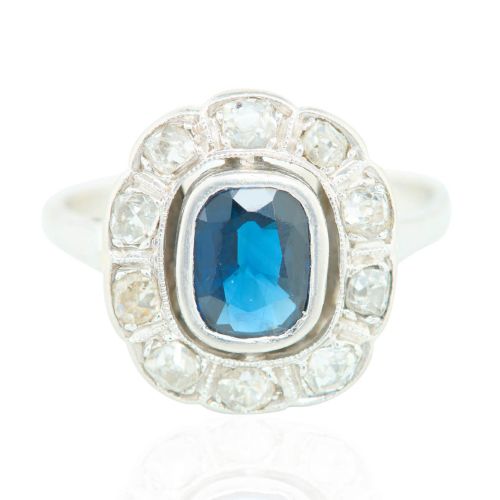
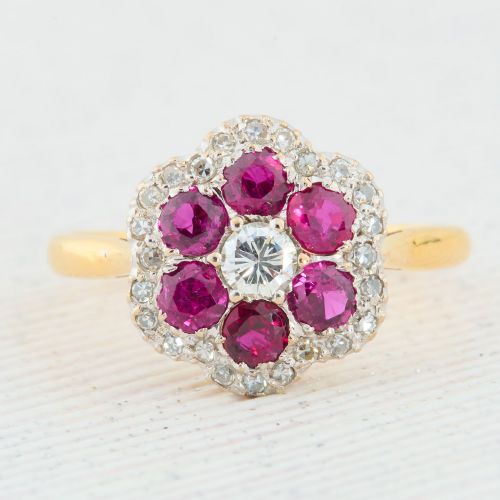
An edwardian diamond target ring brings concentric circles of gems together around a central stone, prized for geometric symmetry and high sparkle.
Edwardian Diamond Target Ring
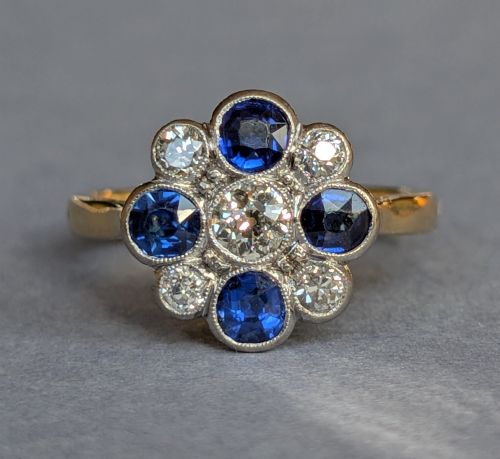
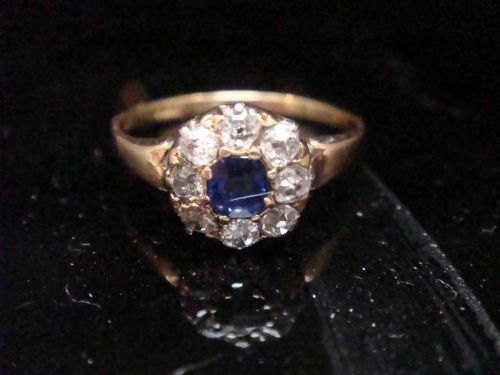
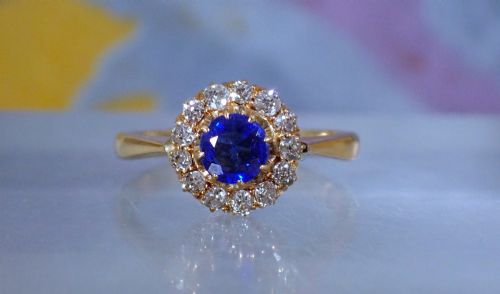
When you search for an edwardian diamond target ring, you encounter circular cluster formations designed to draw the eye inward. These pieces typically feature a central diamond or coloured gemstone enclosed by concentric rings of smaller stones, creating the distinct bullseye motif.
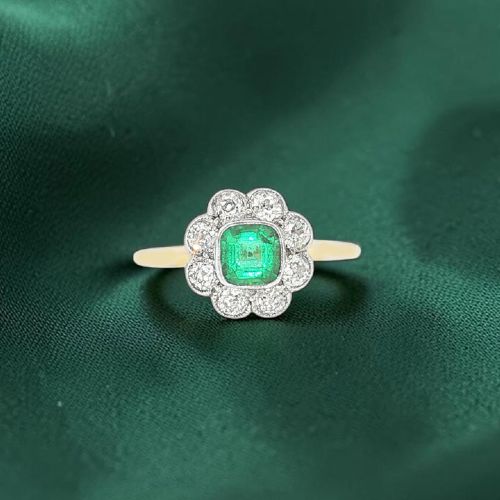
The selections on this page span the Edwardian era into the Art Deco period, alongside later mid-century examples and revivals. Alongside traditional target settings, you will find floral daisy motifs and geometric plaque configurations built on similar concentric principles.
Originating from periods spanning from the early twentieth century onward, these rings frequently combine platinum top settings with yellow or white gold shanks. The overarching aesthetic prioritises intricate openwork galleries and precise concentric symmetry.
Assessing quality in concentric clusters
Quality in these rings rests on the precision of the concentric rings and the uniformity of the surrounding stones. Finer examples display meticulous stone-matching in size and colour, particularly where calibre cut gems form unbroken geometric circles.
The integrity of the handiwork is visible in the fineness of the millegrain and the delicacy of the openwork gallery beneath the stones. Superior pieces maintain crisp geometric lines and secure claw work that withstands generations of wear.
Some antique target rings feature secret hand-pierced under-galleries visible only to the wearer when the ring is removed.
The Edwardian Diamond Target Ring Glossary
- Target ring
- A ring featuring a central gemstone surrounded by one or more concentric bands of contrasting stones, resembling a bullseye. This geometric layout is characteristic of Edwardian and Art Deco jewellery.
- Old cut diamond
- A precursor to the modern brilliant cut, typically possessing a smaller table, higher crown, and a noticeable culet facet at the base. These diamonds catch candlelight beautifully.
- Calibré cut
- Gemstones specifically shaped and cut to fit tightly into a geometric channel or border, often seen in square or rectangular arrangements forming rings around a centre stone.
- Millegrain
- A decorative technique involving tiny raised metal beads along the edges of a setting, adding a soft, textured finish popular in Edwardian pieces.
- Cluster ring
- A ring design where a central stone is grouped closely with multiple smaller surrounding stones to create a larger visual presence on the finger.
Edwardian Diamond Target Ring: Frequently Asked Questions
How do I wear and care for my ring?
These antique rings require gentle handling due to their delicate millegrain details and older stone cuts. It is best to remove them during heavy manual tasks to protect the setting.
Routine professional checks ensure the tiny claws holding the concentric stones remain secure and intact over time.
Are these rings suitable for daily wear?
Many people choose these pieces as distinctive engagement rings for everyday use. Platinum and 18ct gold provide a sturdy foundation for daily enjoyment.
Regular inspections by a jeweller help safeguard the smaller surrounding stones against accidental knocks.
How can I tell Edwardian from Art Deco styles?
Edwardian designs often feature softer floral motifs, garland styles, and delicate platinum-topped yellow gold work. The focus rests on lace-like openwork and organic curves.
Art Deco pieces shift toward bolder geometry, sharper lines, and stark contrasts utilising calibre cut sapphires or rubies alongside white metals.