


Edwardian Desk with Clock
An edwardian desk with clock brings together timekeeping and practicality, offering a refined workspace accessory from the early twentieth century.
Edwardian Desk with Clock
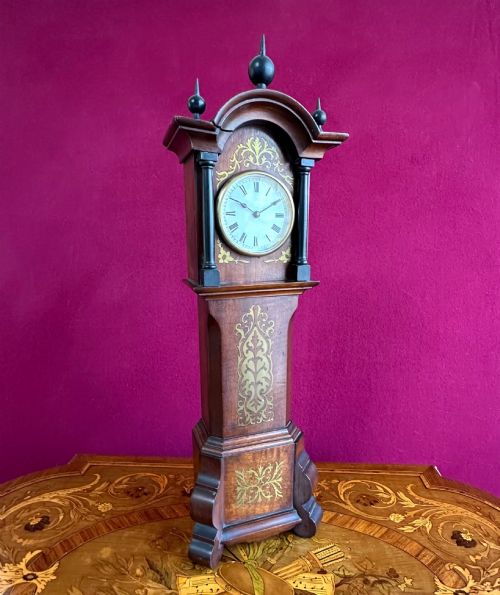
An edwardian desk with clock combines functional workspace elements with integrated timepieces, reflecting the domestic habits of the early twentieth century. Pieces matching this search phrase often appear as writing desks paired with timepieces, or as dedicated desk accessories like inkwells and desktop boxes that incorporate working clocks.
Makers and manufacturers of the period utilised various formats, ranging from metamorphic writing desks to portable travel clocks housed in leather or silver cases. These items served both utilitarian and decorative roles in studies, libraries, and bedrooms.
Materials and Construction Techniques
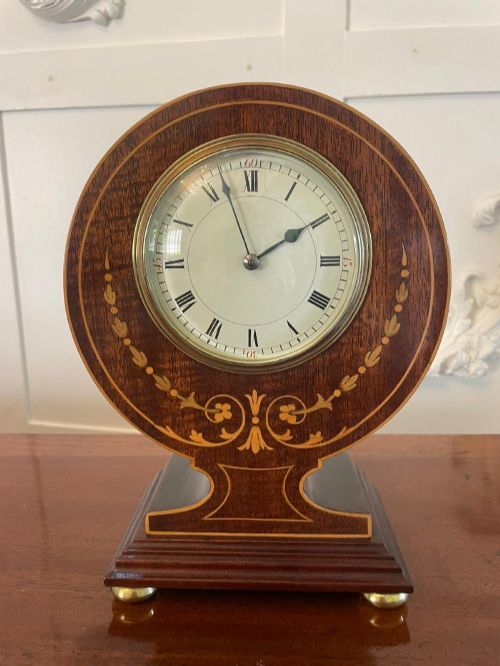
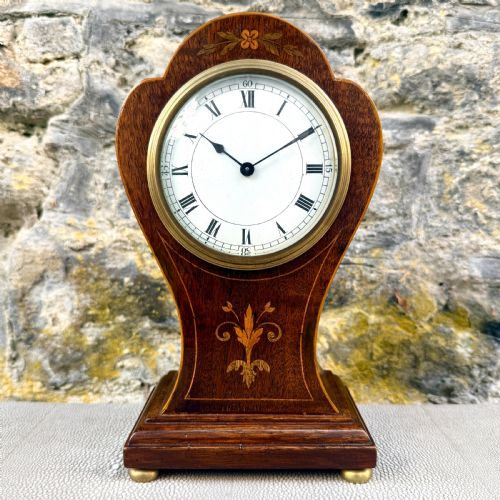
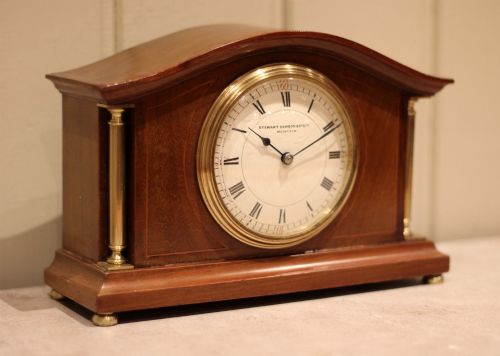
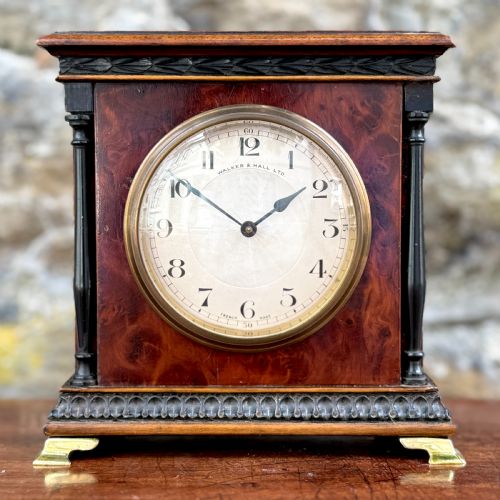
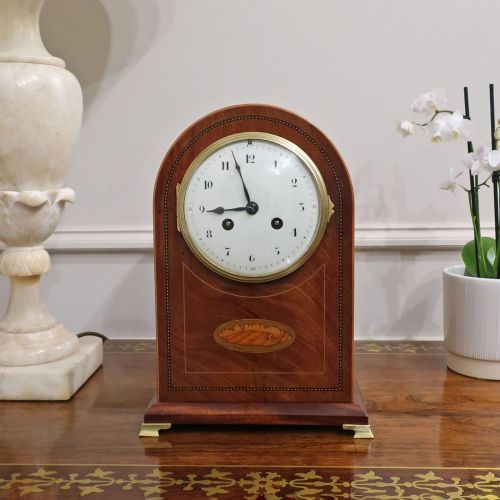
Makers constructed these pieces using dense hardwoods and luxury veneers, frequently employing mahogany, satinwood, and burr yew for casework. Inlay work and fitted compartments demonstrate the high level of cabinet-making skill standard during the Edwardian era.
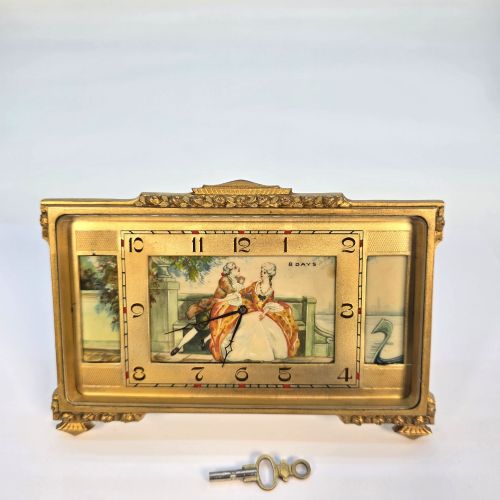
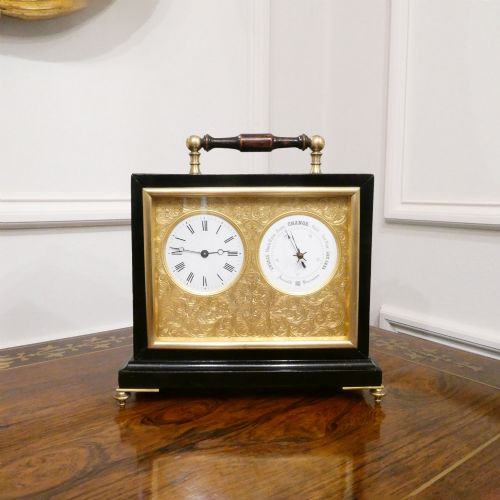
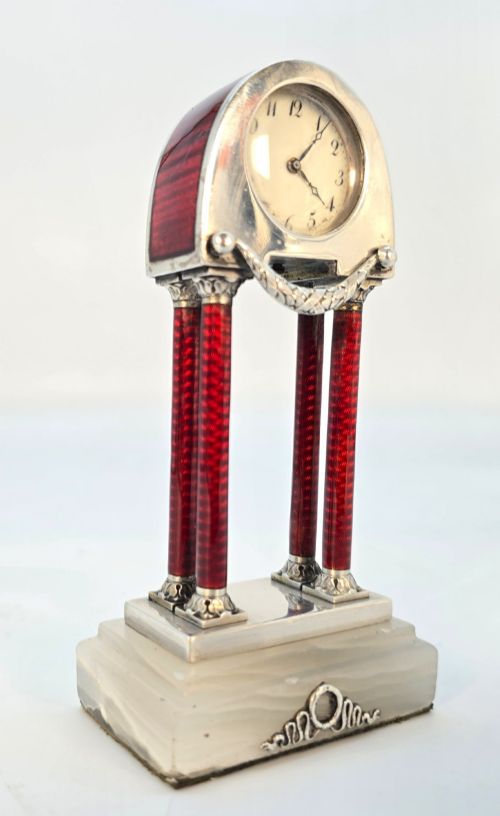
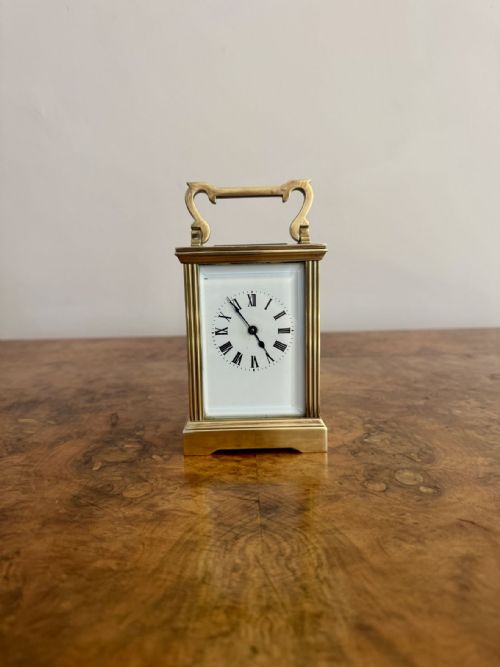
Metalwork forms another core component, with brass, bronze, and sterling silver appearing across clock cases, bezels, and mounts. Enamel work and glass panels frequently decorate the faces and sides of carriage clocks and mantel timepieces.
Movements within these timepieces rely on Swiss or French mechanical engineering, often paired with specialist leather travel cases or fitted presentation boxes. Secondary materials like glass and leather complete the functional elements of these hybrid desk pieces.
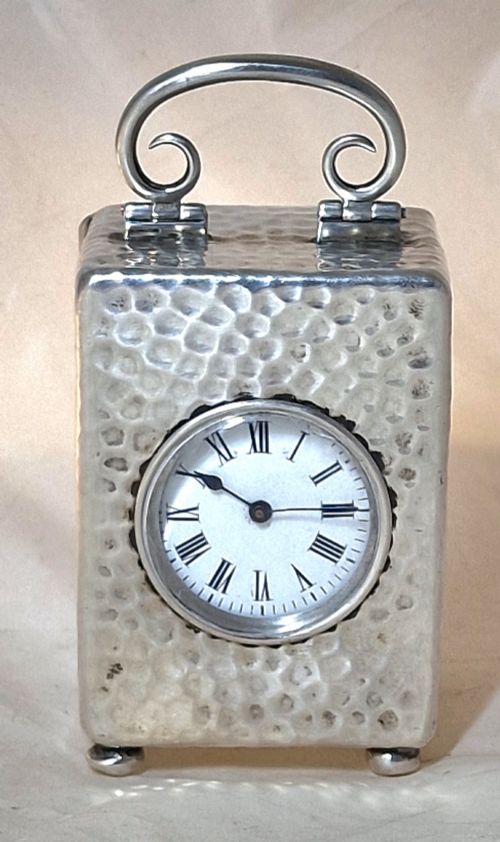
Some travel clocks arrived in folding silver cases complete with presentation inscriptions for past journeys.
Assessing Quality and Execution
The distinction between ordinary and superior pieces rests on the precision of the cabinet work and the quality of the materials selected. Finer examples feature intricate wood veneers, delicate floral inlay, and heavy-gauge sterling silver or cast brass components.
The sophistication of the integrated timepiece significantly elevates a piece. Mechanical movements signed by known makers or featuring complications such as enamel work, crystal regulator panels, or Swiss escapements represent the upper tier of the range.
Condition and originality dictate lasting appeal, particularly where mechanisms, enamel dials, and fitted leather cases remain intact and unaltered. Integrated items that retain their original harmony between the desk accessory and the clock command greater interest.
R Varnier·J.C Vickery of London
The Edwardian Desk with Clock Glossary
- Carriage clock
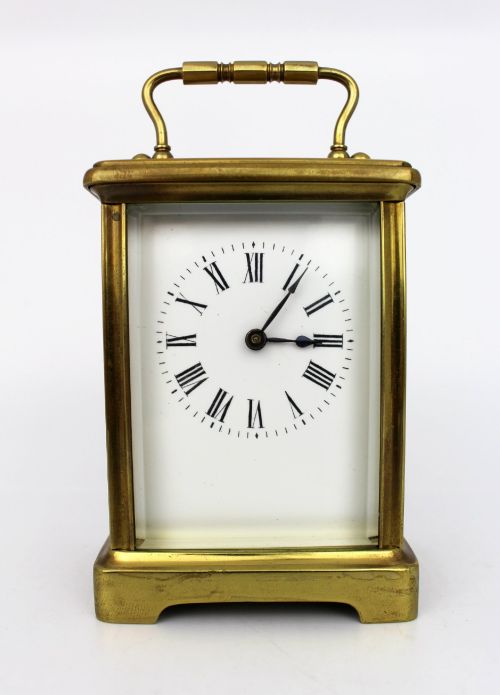
- A small, portable spring-driven clock designed for travel, typically featuring a brass case with glass panels. These are frequently encountered in Edwardian desk settings.
- Crystal regulator
- A mantel clock housed in a glass-panelled brass frame that allows the movement and pendulum to be viewed from multiple angles. This style reflects late nineteenth and early twentieth-century manufacturing skill.
- Capstan-shaped
- A decorative form modelled after a nautical capstan, commonly utilised for desk inkwells and small containers of the Edwardian period. The sloping sides provide a stable base.
- Metamorphic
- Describing furniture designed to transform or fold into alternative configurations for different uses. These pieces often conceal writing surfaces or compartments.
- Boudoir timepiece
- A small, decorative clock intended for private rooms rather than public reception spaces. They frequently incorporate enamel decoration or precious metal cases.
Edwardian Desk with Clock: Frequently Asked Questions
What defines an Edwardian desk clock?
An Edwardian desk clock is a timepiece produced during the Edwardian era, specifically designed to sit upon a writing desk, table, or bureau. These items often combined timekeeping with utilitarian functions such as inkwells or storage compartments.
Materials commonly included brass, sterling silver, and various hardwoods like mahogany and satinwood. They reflect the domestic interior tastes of the early twentieth century.
How were these timepieces powered?
These clocks typically relied on mechanical spring-driven movements, including Swiss or French escapements, which required manual winding with a key or via the bezel. Goliath pocket watches and carriage clock movements were frequently adapted for desktop use.
Unlike modern clocks, they operated without electricity, depending entirely on the precision of their internal gears and balance wheels.
Where were desk clocks placed?
Desk clocks and integrated timepieces were primarily kept in studies, libraries, and formal home offices where correspondence and business took place. Smaller boudoir clocks were also placed on bedroom writing tables.
Portable travel clocks and folding cases allowed owners to move timepieces between rooms or take them on journeys while maintaining a tidy workspace.
How do I care for antique clock movements?
Mechanical movements require gentle handling, regular winding according to their specific power reserve, and occasional professional servicing to clean the gears. Avoiding exposure to extreme temperature fluctuations helps preserve delicate enamel dials and brass cases.
Wooden housings benefit from occasional polishing with appropriate wax to maintain the condition of mahogany, satinwood, or burr yew surfaces.