




Edwardian Desk Ornament
An edwardian desk ornament brings character and purpose to a workspace through small sculptures, inkwells, and silver novelties from the early twentieth century.
Edwardian Desk Ornament
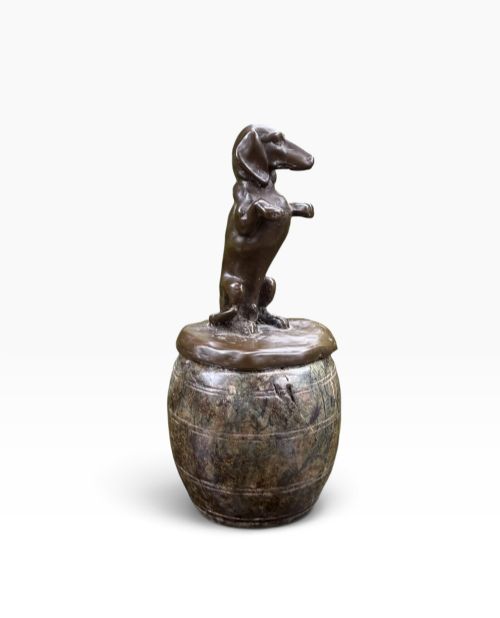
When you search for an edwardian desk ornament, you encounter a varied selection of desk accessories, inkwells, paperweights, and figurines designed to grace writing tables. The pieces span periods from the Victorian era into the 1930s, encompassing styles such as Arts and Crafts, Art Deco, Animalier, and Art Nouveau.
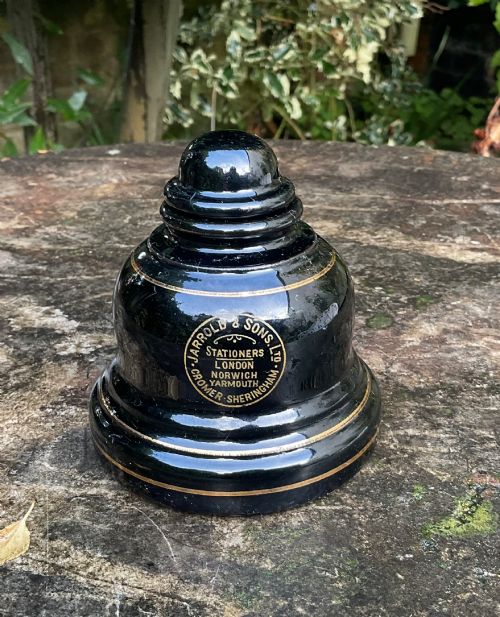
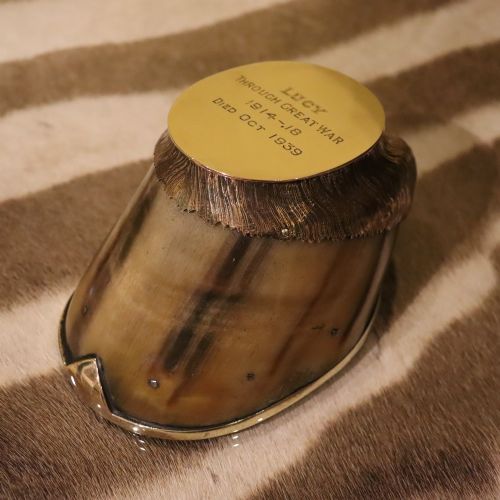
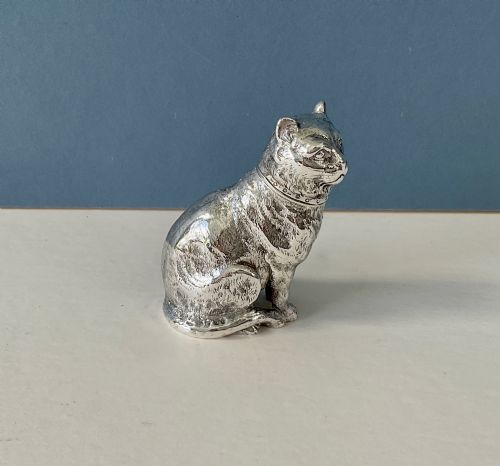
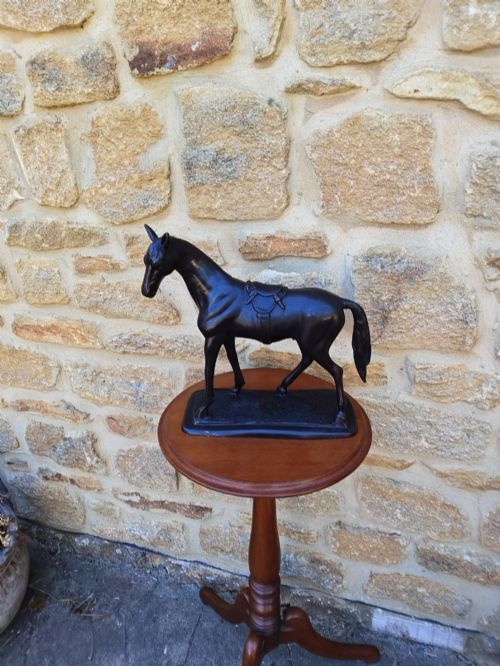
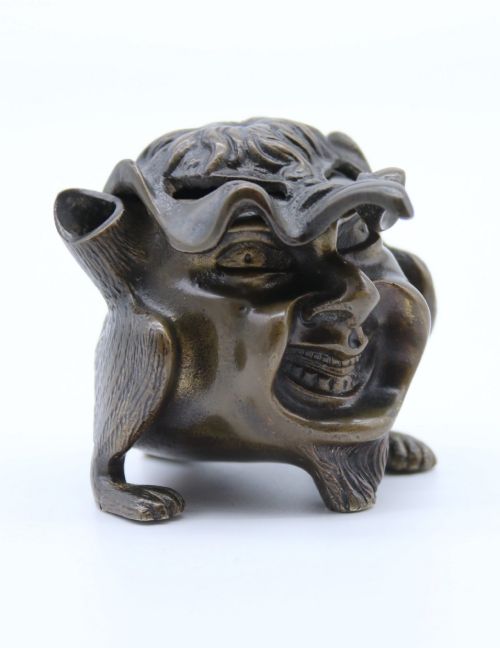
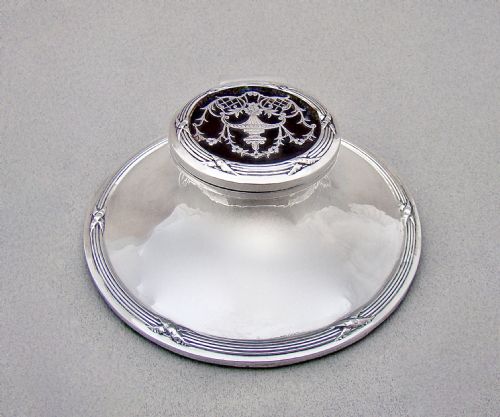
The most common versions on this page include silver novelty pin cushions shaped as animals, bronze animal studies, and heavy glass or tortoiseshell inkwells mounted in sterling silver. Makers and workshops from Birmingham and London contributed heavily to this output, alongside continental bronze and carved wooden pieces.
Functional items range from letter openers and magnifying glasses to mechanical desk bells and string boxes, each serving a practical role in correspondence. Alongside these utilitarian objects sit decorative sculptures, bronze figures, and carved animal studies intended purely to animate a desktop.
Materials and Working Methods
Sterling silver, bronze, and brass form the structural backbone of these objects, often combined with organic elements like tortoiseshell, glass, velvet, marble, and leather. Silversmiths utilised stamping, casting, and repoussé techniques to shape inkwells, photo frames, and novelty pin cushions.
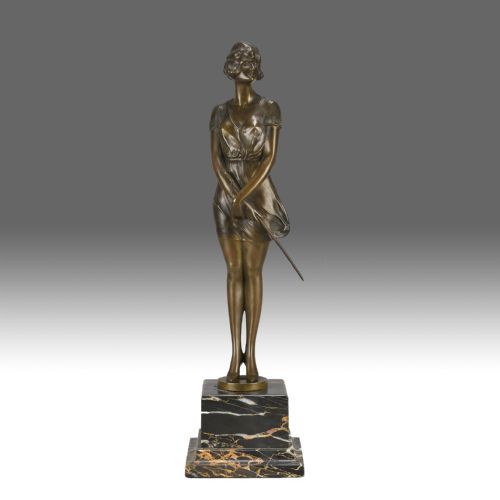
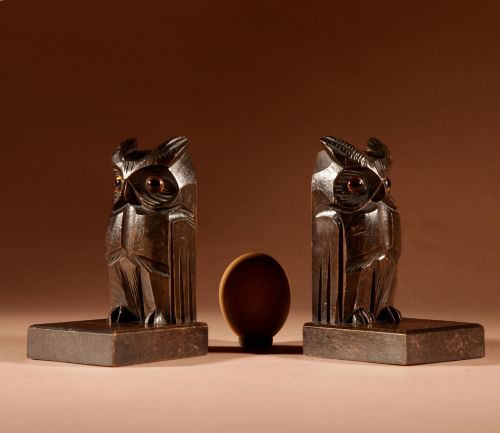
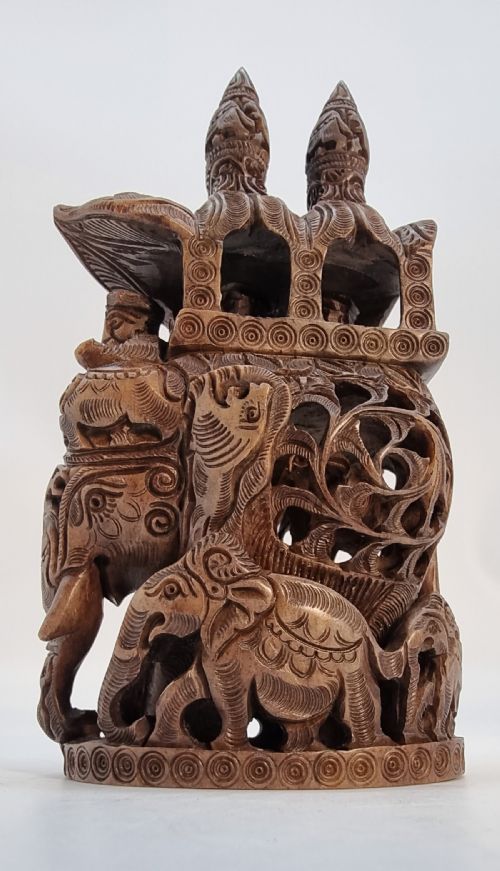
Bronze and spelter figures relied on traditional foundry casting, frequently finished with cold-painted enamel colours or rich patination to render animal studies and human figures with realistic detail. Carved wooden items, including Black Forest owl bookends and soapstone elephants, show meticulous hand-carving by regional artisans.
Leather models of animals utilised internal armatures covered and stitched by hand, reflecting Arts and Crafts sensibilities in tactile desk furnishings. Glass inserts for inkwells and polished mahogany undercarriages for desk cannons completed pieces that demanded durability alongside ornamental appeal.
Edwardian Desk Ornament Retail Price Guide 2026
Typical asking prices for edwardian desk ornament among the pieces listed under this phrase on Sellingantiques today, from the lower quarter to the upper quarter. They describe what is for sale here now, not the wider market.
A nodding dog made from spelter shakes its head at visitors, bringing an amusing mechanical wink to the writing desk.
Distinctions in Quality
The division between ordinary and superior pieces rests upon the crispness of the casting and the depth of hand-chasing on metalwork. Finer bronze and silver examples retain sharp facial expressions, clean hallmarks, and original cold-painted colour without excessive rubbing.
Material integration dictates tier placement, where genuine tortoiseshell, heavy gauge sterling silver, and undamaged original glass inserts elevate a capstan inkstand or string box. Conversely, standard productions rely on lighter gauge metals or plated components with simpler surface decoration.
Artistic execution separates mass-produced items from signed or attributed works by prominent makers like Bruno Zach or Henry Matthews. The fidelity of anatomical proportion in animalier studies and novelty pin cushions directly signals the level of craftsmanship invested in the object.
Bruno Zach·Henry Matthews·William Graeme
The Edwardian Desk Ornament Glossary
- Capstan inkwell
- An inkwell shaped like a ship's capstan, featuring a wide circular base tapering upwards towards a hinged lid. This specific silhouette provided stability on maritime desks and remained popular throughout the Edwardian period.
- Cold-painted bronze
- A bronze sculpture painted with oil or enamel paints that are not subjected to kiln firing. This technique allowed makers to achieve vibrant, lifelike colours on animal and human figures.
- Novelty silver
- Silver items fashioned into whimsical, unexpected shapes such as animals, vehicles, or miniature furniture. They combined utility, like pin cushions or bell pushes, with playful domestic sculpture.
- Spelter
- An alloy of zinc and lead often used as a cheaper substitute for bronze in decorative figures. It was frequently bronze-plated or painted to imitate more expensive metalwork.
- Animalier
- A nineteenth and early twentieth century artistic style focused on the realistic depiction of animals, particularly in motion or repose. Sculptors captured muscular tension and natural postures in bronze and other media.
Edwardian Desk Ornament: Frequently Asked Questions
How were antique inkwells used?
Antique inkwells held liquid ink for dip pens before the widespread adoption of fountain pens and ballpoints. A writer dipped their pen nib into the central reservoir before writing letters or ledger entries.
Because ink could spill or dry out, desk sets often featured hinged lids, glass liners, and multiple wells for different ink colours or blotting sand.
How do I date an edwardian desk accessory?
Dating these items relies heavily on assay office hallmarks stamped into silver components, which record specific towns and years of production. Stylistic markers, such as Art Deco geometric lines or Edwardian floral motifs, also help narrow the timeframe.
Makers' marks and registration numbers stamped onto the base provide further clues to link the piece to documented silversmiths or foundries operating at the turn of the twentieth century.
Where should I place a desk ornament?
Desk ornaments look best arranged on writing tables, bureaus, or mantelpieces where their details can be appreciated up close. Heavier pieces like bronze cannons or marble obelisks anchor the corners of a workspace, while smaller novelty pin cushions sit neatly beside stationery trays.
Keeping them away from direct heat sources and moisture preserves delicate materials such as velvet, leather, and tortoiseshell over time.