


Edwardian Decorative Vase
These pieces combine the fluid lines of Art Nouveau and the crisp forms of the Edwardian era to turn any room into a showcase of period craft.
Edwardian Decorative Vase
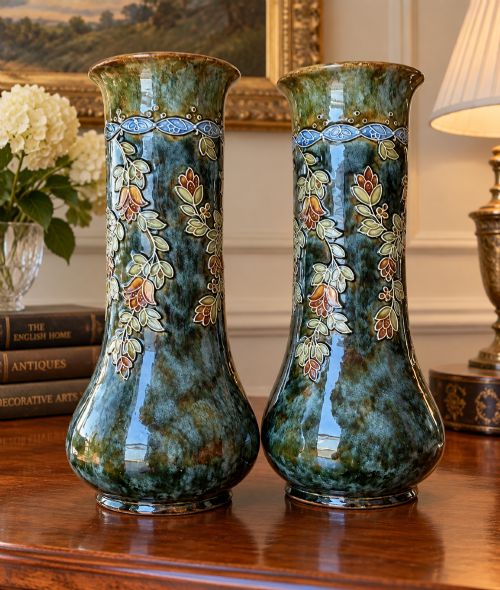
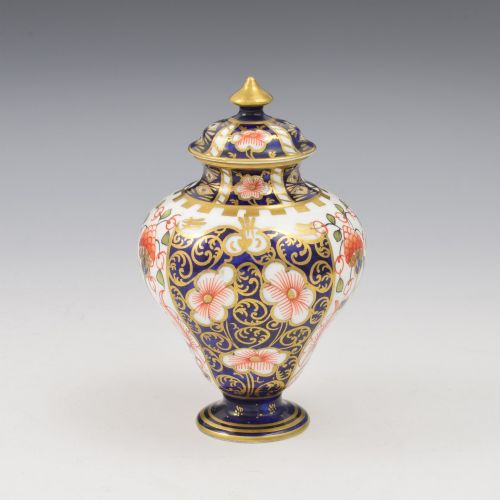
When you search for an edwardian decorative vase, you encounter a diverse array of ceramics, glass, and metalwork originating primarily around the turn of the twentieth century. These vessels range from intimate porcelain bud holders to large stoneware baluster urns designed to command attention on a mantelpiece or central table.
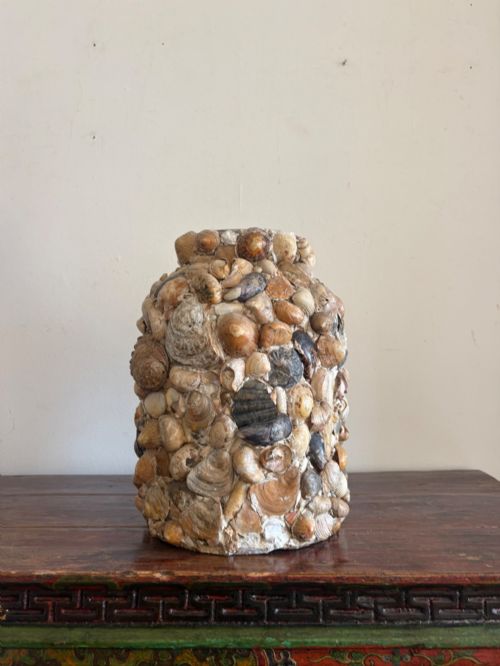
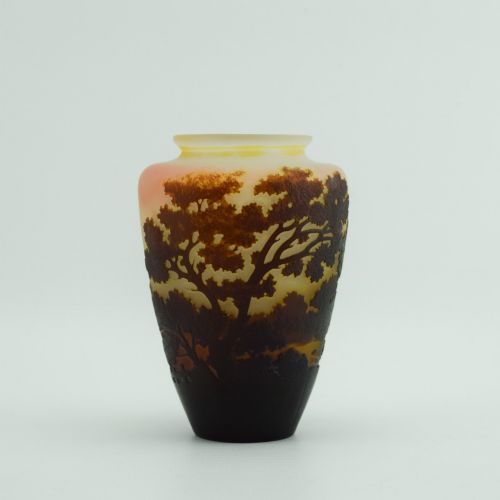
The objects most frequently met on this page span the broad aesthetic shifts of the period, drawing heavily on Art Nouveau fluidity and Arts & Crafts simplicity. Alongside British ceramics from prominent potteries, you encounter French cameo glass, continental bronzes, and occasional folk art creations.
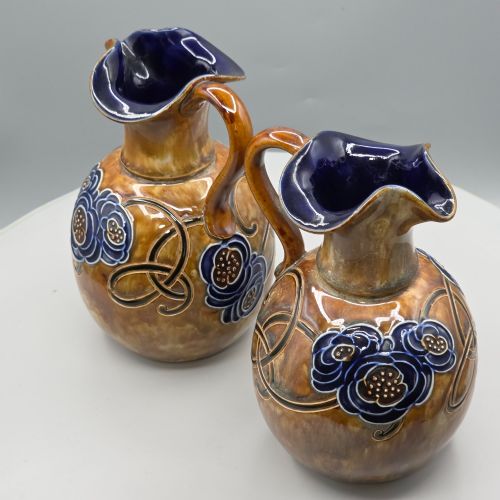
Forms extend beyond traditional narrow-necked vessels to encompass ewers, posy holders, and twin-handled jars. Their primary purpose was ornamental, intended to display floral arrangements or simply to catch the light in a formal parlour.
How they were made
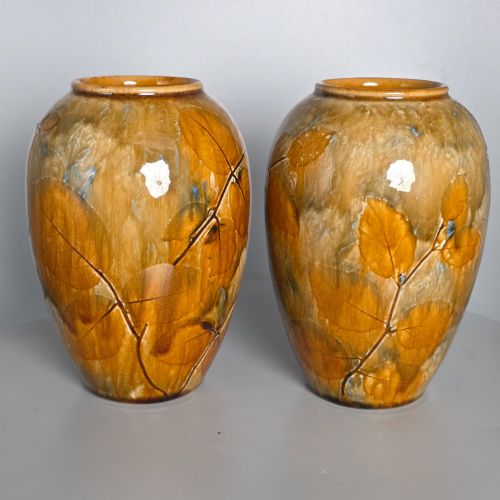
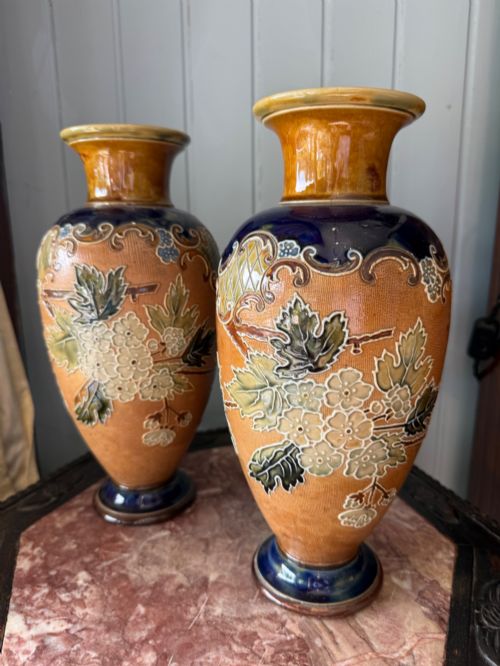
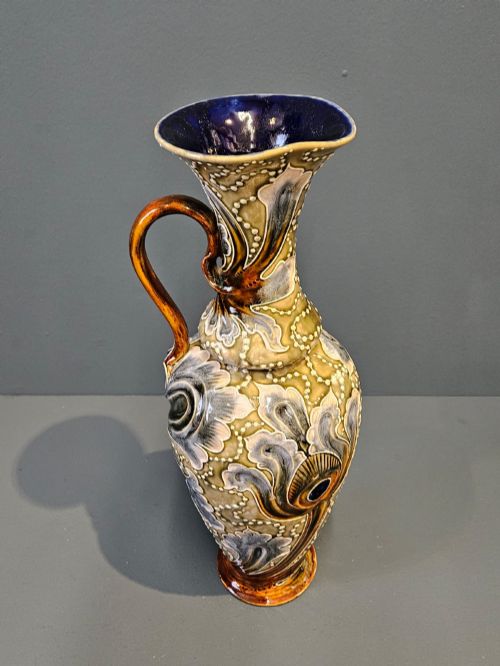
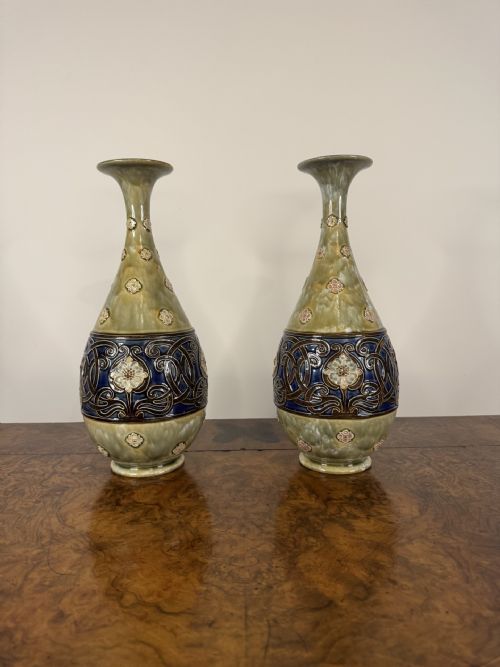
Makers relied heavily on porcelain, earthenware, and heavy stoneware bodies, often finished with complex glazes or lustres. Stoneware pieces frequently utilised salt-glazing techniques alongside applied or incised decorative motifs typical of the Arts & Crafts movement.
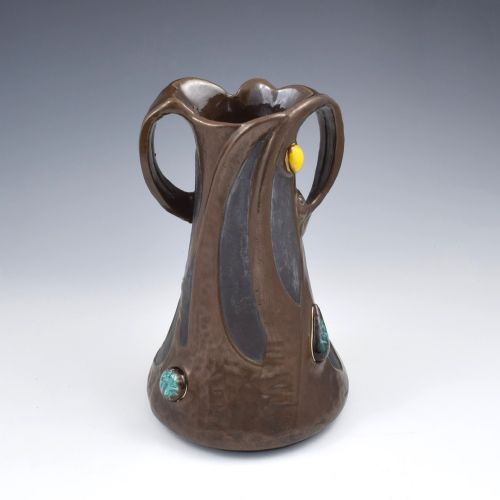
Glass vessels were shaped through sophisticated methods such as optical blowing, cameo carving across multiple layers of coloured glass, and hand-enamelling. Metal items combined cast bronze, spun copper, and brass, frequently embellished with chased floral patterns, applied cabochons, or silver plating.
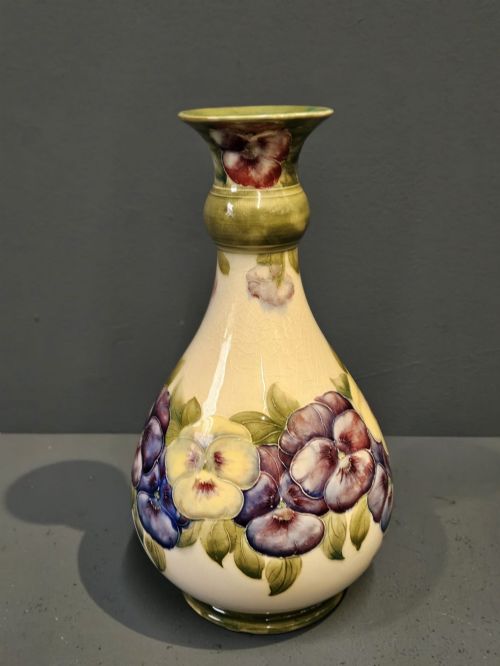
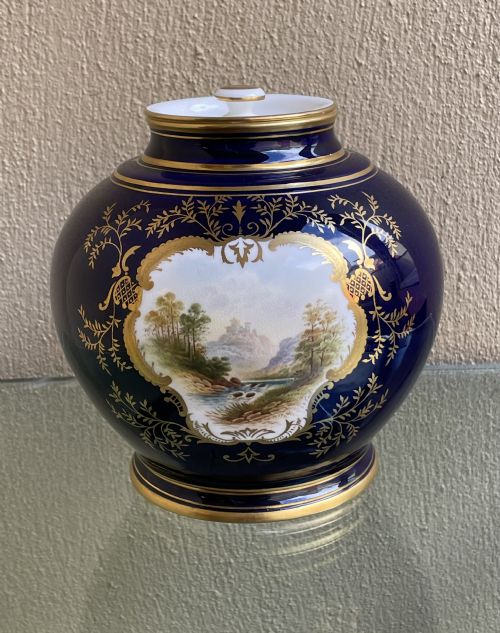
Surface decoration frequently involved hand-painting by named artists, who rendered botanical studies, landscapes, and animal portraits directly onto the raw glaze before a final firing.
Listings feature diverse materials including porcelain, earthenware, stoneware, glass, and brass, spanning the late Victorian, Edwardian, and Art Deco periods.
What varies in quality
The distinction between standard commercial output and exceptional studio work lies principally in the execution of the surface design. Hand-painted pieces by documented artists demonstrate a precision in brushwork and depth of palette that mass-produced transfer-printed items simply do not match.
Material handling and finishing define the upper tier of these objects. Heavy stoneware with crisp, deep incisions and balanced proportions reveals a higher degree of sculptural control than softer earthenware bodies with blurred mould lines.
The integrity of secondary elements, such as applied jewelled cabochons, chased metal mounts, or multi-layered cameo glass etching, separates routine domestic vessels from exhibition-grade works of art.
Royal Doulton·Royal Worcester·William Moorcroft·Royal Crown Derby·Galle
The Edwardian Decorative Vase Glossary
- Baluster
- A vase form characterised by a swollen lower portion that tapers towards a narrow neck and flaring rim. This shape derives from architectural stair railings but translates fluidly into ceramic and metal vessels.
- Blush Ivory
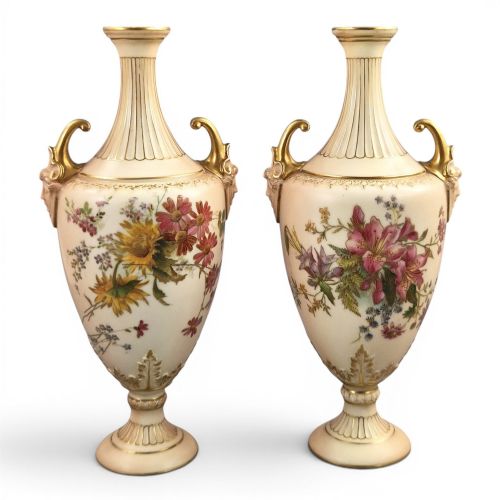
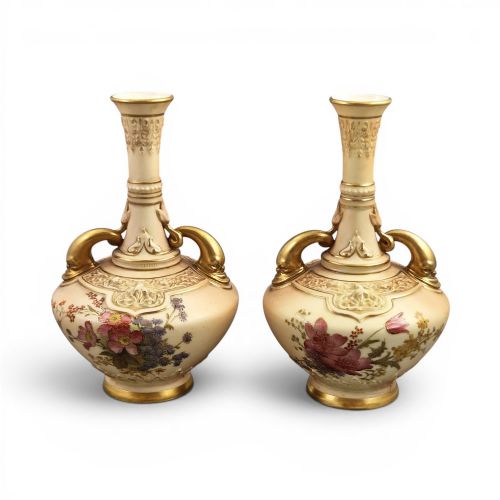
- A specialised Royal Worcester porcelain finish combining a creamy ivory ground with delicate gilt and floral overglaze decoration. It mimics the warmth of unglazed bone china while providing a subtle canvas for hand-painting.
- Cameo Glass
- A method of glassblowing utilising two or more fused layers of contrasting colours, which are then carved or acid-etched away to create a raised design. This demanding technique produces high-relief pictorial scenes popular in turn-of-the-century decorative arts.
- Ewer
- A large jug with a wide spout and an ornate handle, traditionally used for pouring water but repurposed during the Edwardian period as a purely decorative urn.
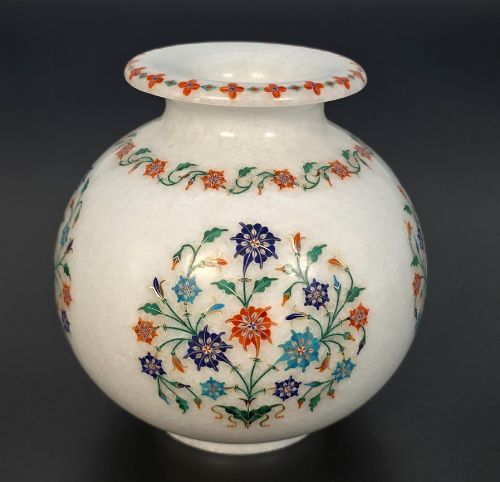
- Pietra Dura
- An artistic technique involving the inlay of highly polished, cut coloured stones into a marble or stone base to create pictorial designs.
Edwardian Decorative Vase: Frequently Asked Questions
How were decorative vases used in Edwardian homes?
These vessels served primarily as ornamental focal points on mantelpieces, sideboards, and occasional tables. While some held cut flowers or specific blooms like posies, many were designed purely to showcase the skill of the potter or glassmaker.
Larger urns and ewers were positioned in entrance halls or formal reception rooms to project taste and affluence. Their placement was calculated to catch natural light and complement the surrounding interior decor.
Can I use antique vases to hold water?
Most antique ceramic and glass vessels will hold water safely, but porous earthenware or pieces with historic hairline cracks require caution. Sudden temperature changes can stress fragile nineteenth-century bodies.
For valuable or delicate pieces featuring hand-enamelled details, gilt, or delicate metal mounts, dry display remains the safest choice. If you do use them for fresh flowers, inspect the interior first and clean them gently without harsh abrasives.
How do I distinguish Art Nouveau from Edwardian pieces?
Art Nouveau design relies on asymmetrical, whiplash lines inspired by natural organic forms like stems, vines, and flower petals. These pieces often feature flowing, sinuous contours without rigid geometric boundaries.
Edwardian design, while sharing the same era, frequently incorporates neoclassical symmetry, lighter pastel palettes, and crisper floral motifs. Many pieces bridge both styles, combining fluid shapes with traditional craftsmanship.
What is the best way to display a pair of vases?
Matched pairs look best when given adequate space to breathe on a substantial piece of furniture, such as a sideboard or console table. Placing them symmetrically frames a central mirror or painting.
If the items are slightly mismatched in height or colour tone, vary their positioning slightly to create an intentional, balanced arrangement rather than a rigid mirror image. Ensure they are kept away from high-traffic edges where accidental knocks might occur.