




Edwardian Cut Glass Pitcher
An Edwardian cut glass pitcher is a heavy serving vessel that brings sparkle to a table.
Edwardian Cut Glass Pitcher
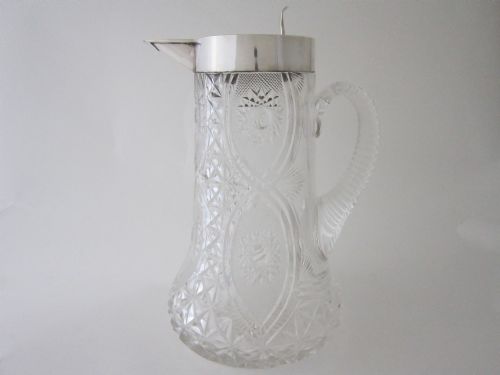
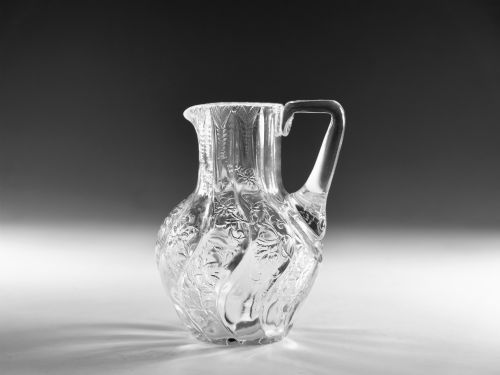
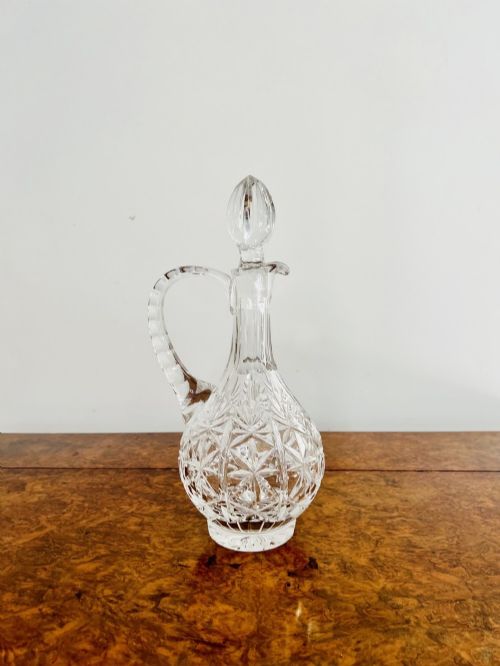
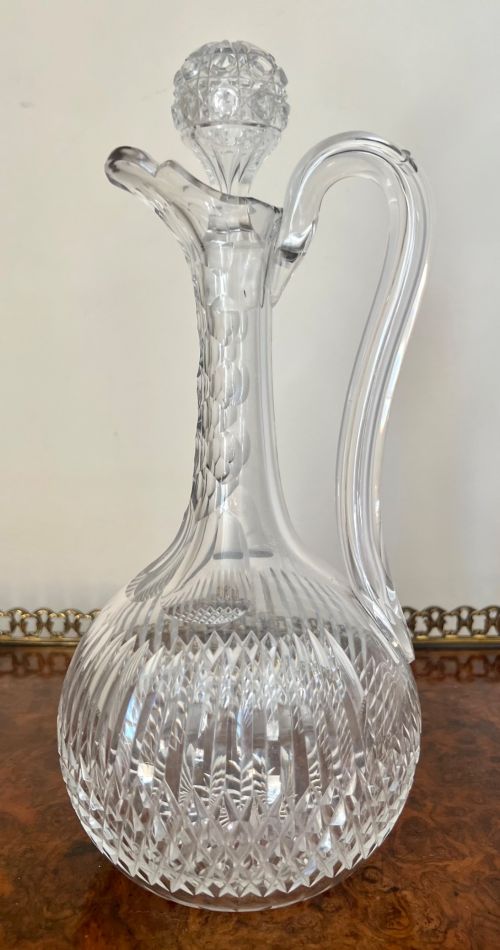
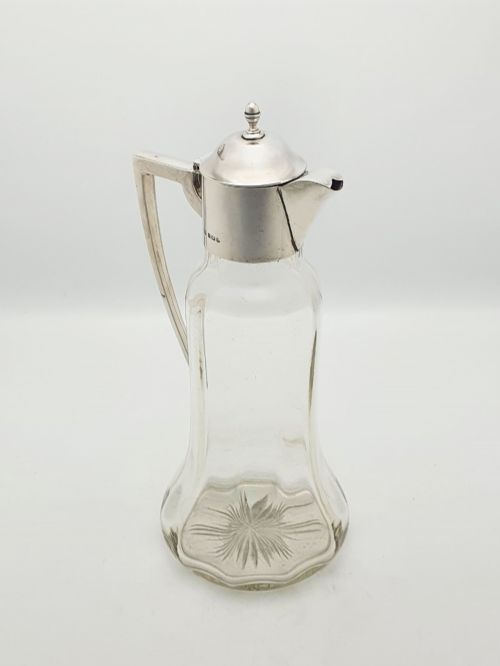
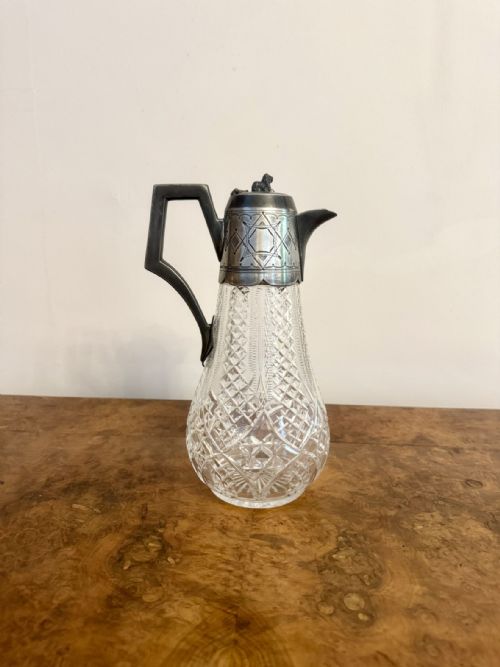
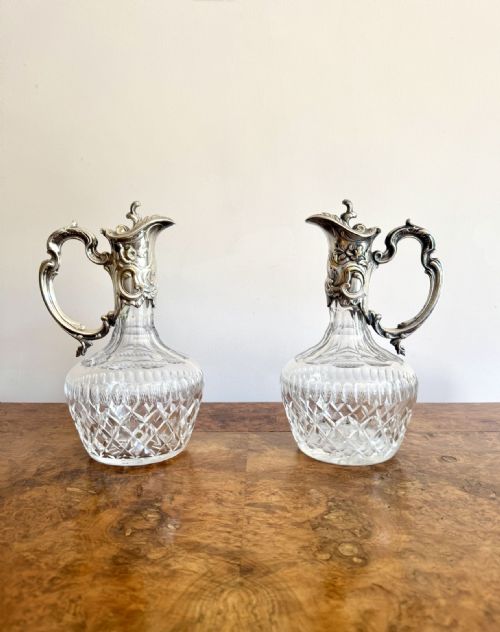
When you search for an Edwardian cut glass pitcher, you encounter substantial serving vessels designed for wine, water, or lemonade. The pieces meeting this description span forms like claret jugs, ewers, and decanters produced during the Edwardian period and adjacent decades. You are most likely to meet Edwardian and Victorian examples featuring heavy glass bodies paired with silver or silver-plated mounts.
Makers and workshops of the era utilised durable lead crystal and clear glass, frequently shaping them into bulbous or tapering jugs. Many of these items include hinged metal lids and spouts intended for pouring at the dining table. The surviving inventory shows a strong preference for cut and engraved ornamentation across these forms.
Materials and construction
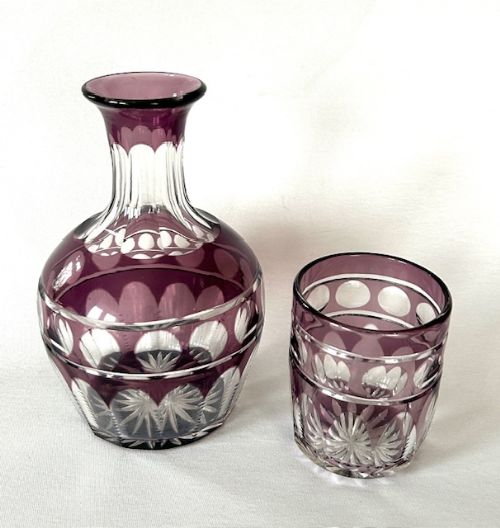
The bodies of these vessels rely on lead crystal and heavy cut glass, shaped by blowing into moulds or free-blowing before undergoing deep wheel-cutting. Artisans incised geometric patterns, flutes, and star motifs directly into the surface to catch the light. Coloured variants in cranberry glass and amethyst glass also appear in the record.
Metal mounts in sterling silver and silver plate provide the handles, rims, and hinged covers. Workshops attached these mounts securely to the glass necks, often incorporating intricate scrollwork or plain collars. Makers such as Stevens & Williams, Webb Corbett, and Elkington & Co contributed specialised glassblowing and metalworking techniques to these creations.
The inventory records encompass diverse forms, ranging from tall claret jugs to compact whisky noggins and water pitchers.
Quality factors
The distinction between ordinary and superior pieces rests on the depth and crispness of the glass cutting. Sharp, clean facets reflect light distinctly, whereas softer edges indicate hurried execution or heavy polishing. The weight of the lead crystal and the balance of the vessel in the hand also signal a higher standard of manufacture.
The integration of the metal mount dictates the overall merit of the piece. Substantial sterling silver mounts with clear hallmarks demonstrate greater original investment than standard silver-plated fittings. Well-fitted collars that hug the glass without movement indicate superior silversmithing.
Stevens & Williams·Webb Corbett·Elkington & Co·William Davenport
The Edwardian Cut Glass Pitcher Glossary
- Claret jug
- A specialised pouring vessel designed specifically for serving red wine at the table. These items usually feature a handle and a hinged metal lid.
- Ewer
- A large jug with a wide spout and a decorative handle, historically used for water or wine. They often display deep wheel-cut patterns across the body.
- Lead crystal
- A high-clarity glass containing metal oxide that increases weight and refractive index. This material allows for deeper and sharper facet cutting.
- Sterling silver mount
- A collar, handle, or lid formed from silver meeting specific purity standards. These mounts are frequently stamped with town marks and date letters.
- Rock crystal
- A term used by period glasshouses to describe highly transparent, uncoloured glass carved with intaglio designs. It mimics the appearance of natural quartz.
Edwardian Cut Glass Pitcher: Frequently Asked Questions
What were claret jugs used for?
These vessels served claret and other table wines during formal meals in the Victorian and Edwardian eras. Hosts used them to decant wine from bottles before pouring it into individual glasses.
The hinged lids kept the contents free from dust and insects during long dinner parties. Their decorative mounts also added a formal element to the dining table.
How do I date an Edwardian glass jug?
Examine the metal mounts for hallmarks that indicate the exact year and assay office of manufacture. Sterling silver components usually bear stamps that reveal when the piece was assayed.
The style of the cutting and the shape of the handle also provide clues to the period. Edwardian designs often lean towards lighter, airier interpretations of earlier Victorian forms.
What is the difference between crystal and glass?
Lead crystal contains a percentage of lead oxide that increases its density, weight, and light-refraction capabilities. This composition allows artisans to cut deeper, sharper patterns into the material.
Standard glass is lighter and lacks the high refractive index of crystal. Antique pieces described as crystal generally feel heavier and produce a distinct ringing sound when gently tapped.