
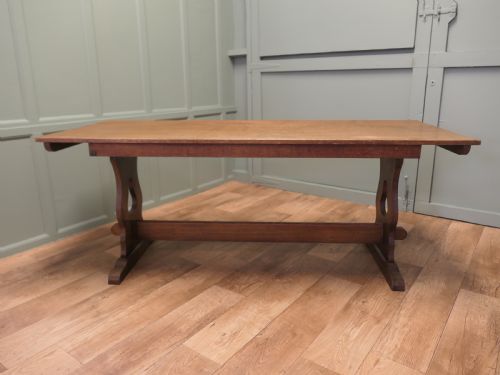
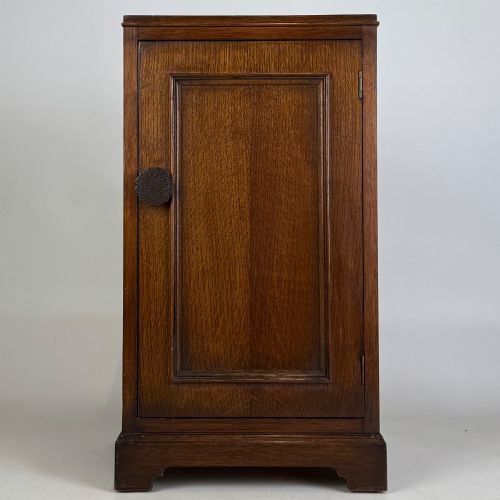
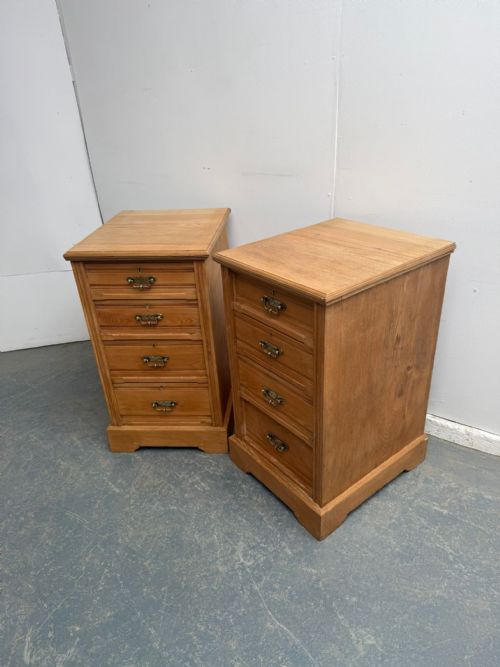
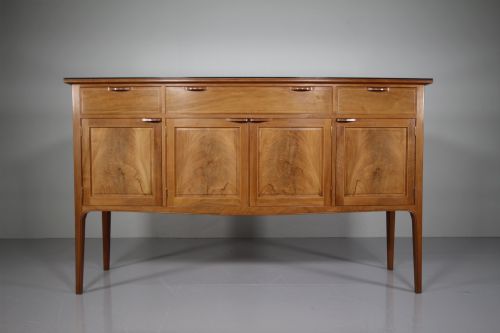
Edwardian Craft Table
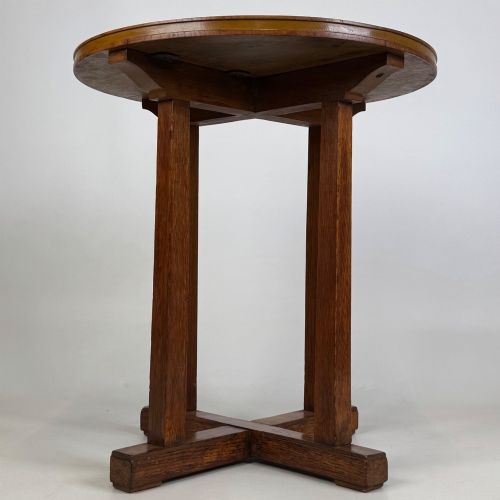
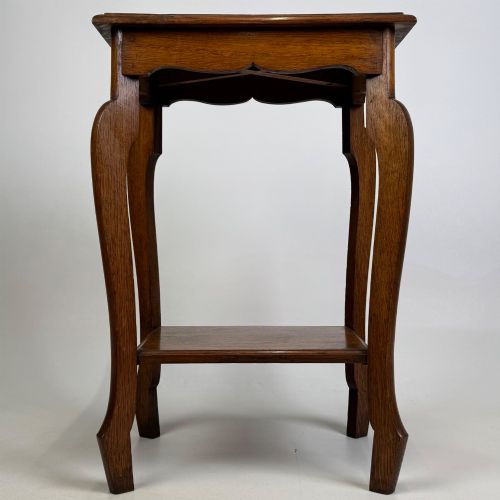
An edwardian craft table brings sturdy oak construction and honest joinery into a room, offering both practical surface space and distinct period character.
Edwardian Craft Table
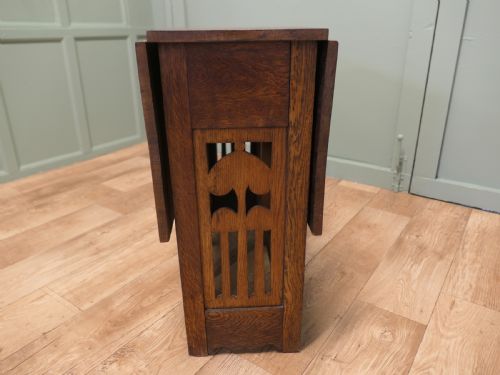
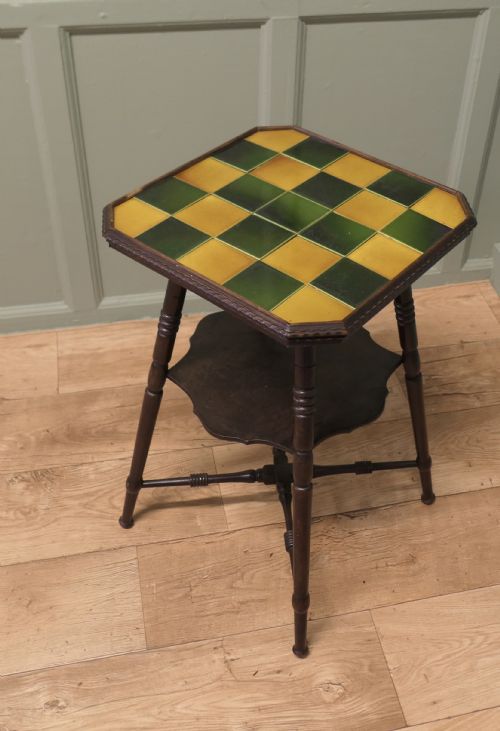
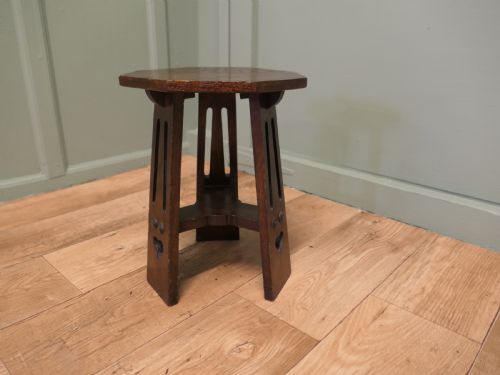
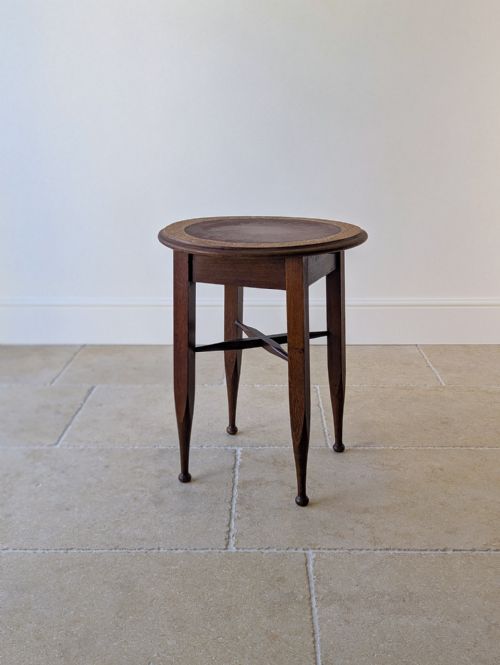
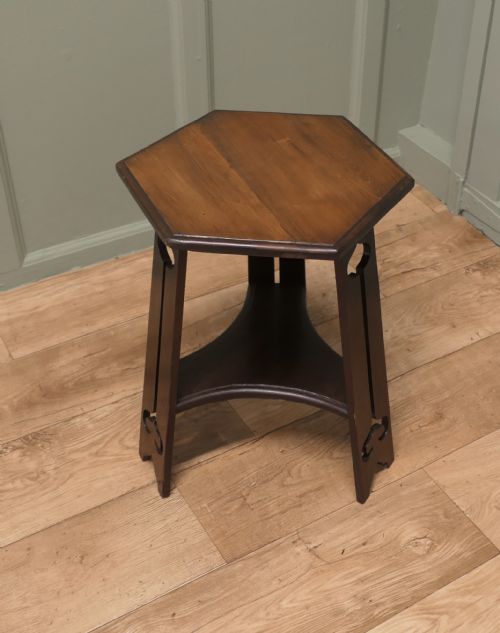
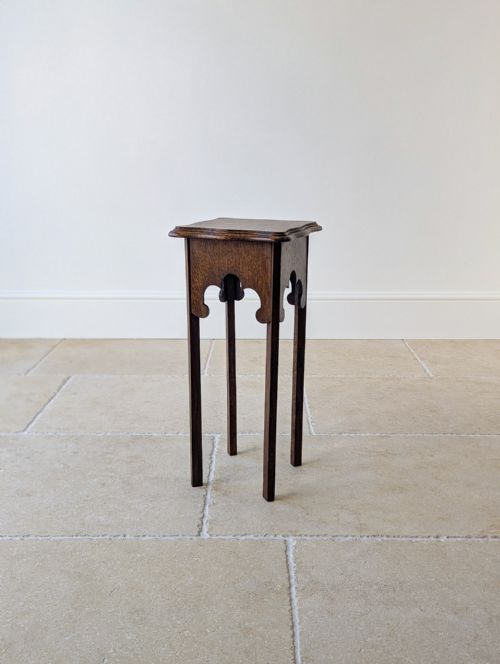
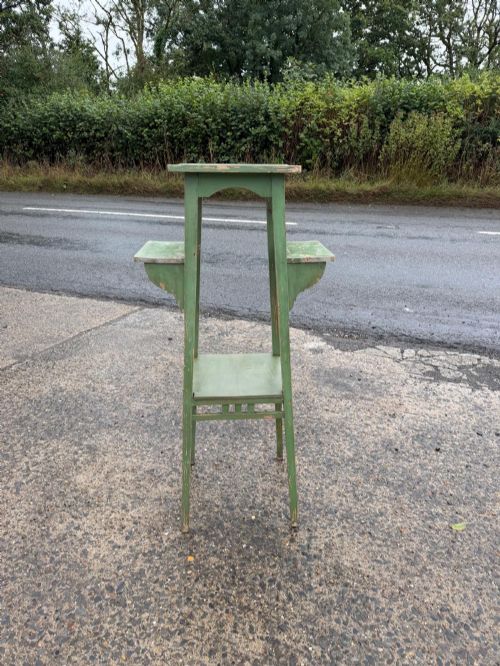
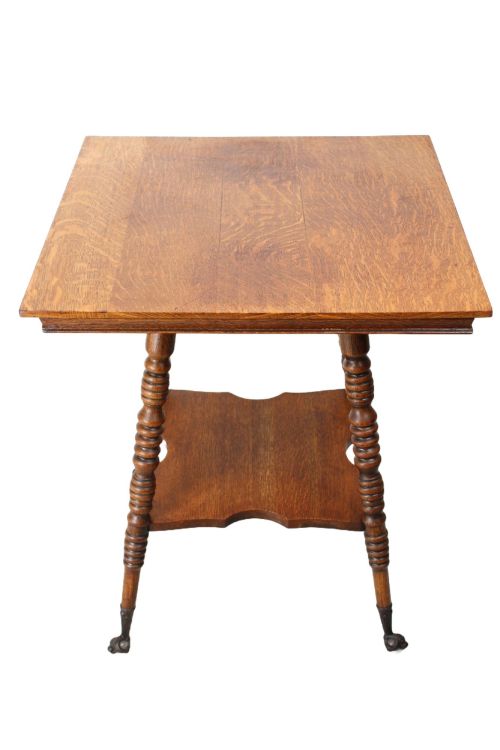
When searching for an edwardian craft table, a buyer explores furniture rooted in the Arts and Crafts movement, spanning occasional pieces, writing desks, and plant stands. The forms range from simple octagonal plant stands to tiled top coffee tables and oak side tables produced around the turn of the twentieth century.
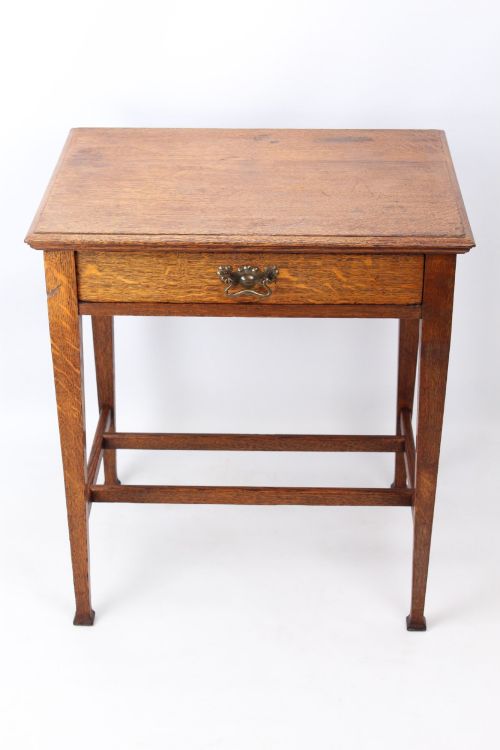
The most common examples met on this page are solid oak occasional tables and side tables carrying the characteristic plain surfaces and structural honesty of the Edwardian era. These pieces often feature lower tiers, octagonal tops, or inset tiles, reflecting the domestic utility valued by makers of the period.
How They Were Made
Makers relied primarily on solid oak, alongside ash, walnut, and pitch pine, often finishing the timber with wax to highlight the natural grain. Structural strength came from visible tenon joints and sturdy framing rather than applied ornamentation, keeping the construction honest and robust.
Detailing often included brass hardware, ceramic tiles set into the top surface, or subtle chequered inlay work. Some specialised pieces incorporated wicker or original paint finishes to achieve their distinctive aesthetic.
Several tables arrive with built-in pullman lamps or rotating book shelves for reading in bed.
What Varies in Quality
The division between standard workshop output and superior production rests in the choice of materials and the refinement of the joinery. Tables bearing maker attribution or stamps display tighter timber selection, cleaner lines, and more considered proportions.
Execution of decorative elements such as hand-carved panels, inlaid banding, or integrated tile work dictates the standing of an individual piece. Simpler utilitarian items fulfill basic domestic roles, whereas documented or stamped examples show greater ambition in their design.
Shapland & Petter·Edward Barnsley·Liberty & Co.·William Birch·W.A.S. Benson·Dryad of Leicester·Arthur Simpson of Kendal
The Edwardian Craft Table Glossary
- Arts and Crafts
- A design movement advocating for handcraftsmanship and simple forms over mass production. This style rejects excessive Victorian ornamentation in favor of honest construction.
- Occasional table
- A small, movable table designed for a specific, transient use within a room. These versatile pieces function easily as lamp, plant, or side tables.
- Tile top
- A table surface inset with ceramic tiles, often glazed and patterned. This feature provides a practical, heat-resistant area for resting items.
- Cotswold School
- A regional offshoot of the Arts and Crafts movement focusing on traditional woodworking techniques. Pieces from this tradition emphasise hand-tool finishes and solid timber.
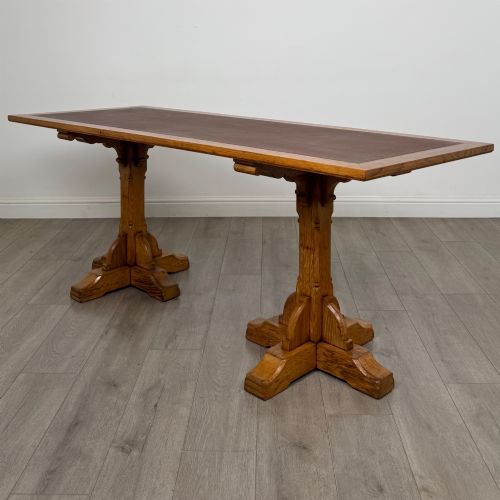
- Refectory table
- A long dining table traditionally used in communal halls. Examples in this style utilise robust timber frames and sturdy stretchers.
Edwardian Craft Table: Frequently Asked Questions
How do I identify an edwardian craft table?
Look for solid oak construction, visible joinery, and an absence of heavy machine carving. These pieces typically display simple geometric forms, such as square or octagonal tops, and straightforward lower tiers.
Check for period details like inset ceramic tiles, brass handles, or waxed finishes that reveal the natural grain of the wood. Maker marks or stamps occasionally appear on the underside or within drawers.
Were these tables used as plant stands?
Many smaller examples served multiple domestic functions, including holding plants, lamps, or books. Octagonal and square tables were frequently moved around rooms to accommodate daily needs.
Their sturdy build and lower shelves made them practical for displaying ceramics or holding reading materials near seating areas.
How do I care for a waxed oak surface?
Maintain the finish by applying a traditional beeswax polish occasionally and buffing it with a soft cloth. Avoid placing tables near direct heat sources or moisture to protect the timber.
Use coasters under glasses and avoid harsh chemical cleaners that strip the historic wax layer from the wood.
What is the difference between Arts and Crafts and Edwardian styles?
Arts and Crafts furniture prioritizes hand craftsmanship, material honesty, and social reform through design. Edwardian style is a broader temporal category spanning the reign of Edward VII, which frequently incorporated these craft ideals alongside lighter revival forms.
Many tables overlap both definitions, combining the philosophical joinery of the craft movement with the domestic scaling of the Edwardian period.