

Edwardian Country Seating
Edwardian country seating brings together robust domestic timber forms and deep-sprung upholstery designed for relaxed rural interiors.
Edwardian Country Seating
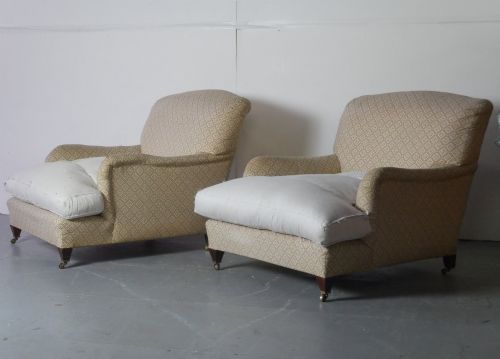
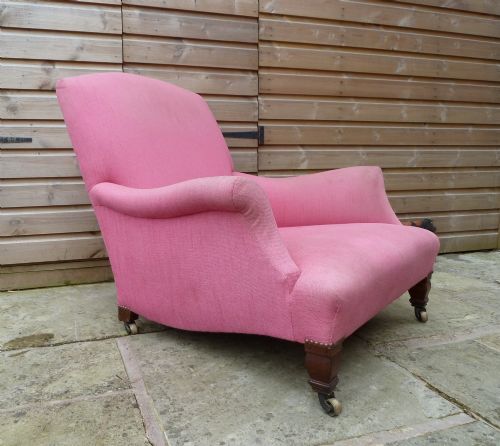
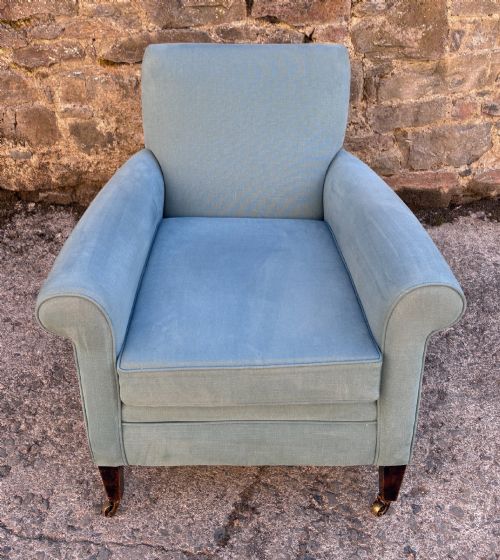
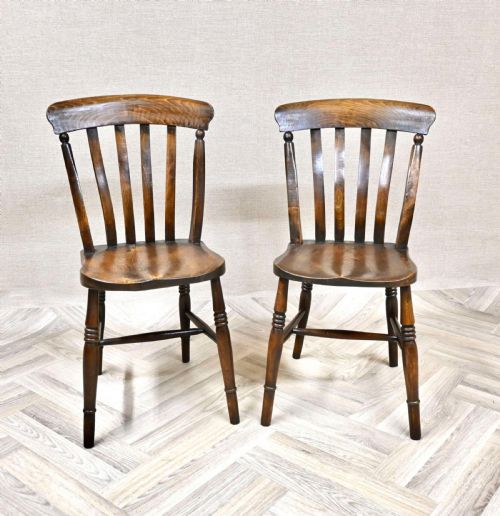
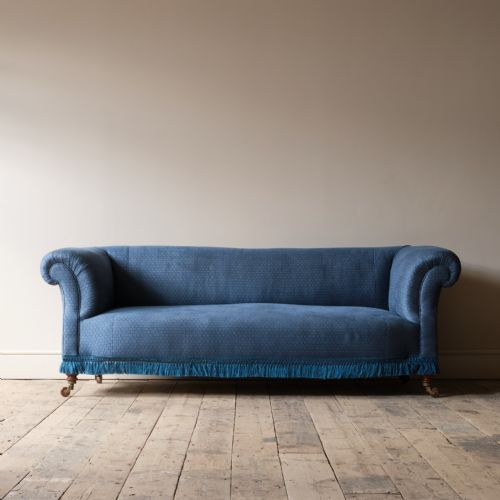
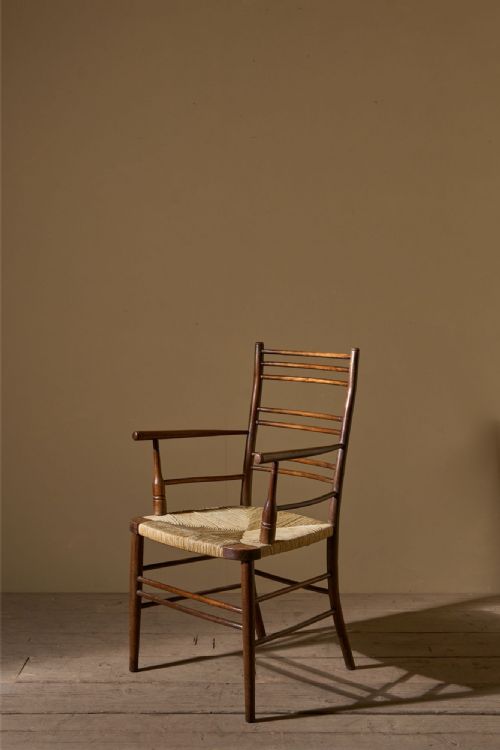
When searching for edwardian country seating, buyers encounter a mix of vernacular wooden chairs and upholstered library or drawing room pieces produced around the turn of the twentieth century. The selection ranges from vernacular ash and elm Windsor chairs to substantial deep-seated armchairs and sofas associated with country house comfort.
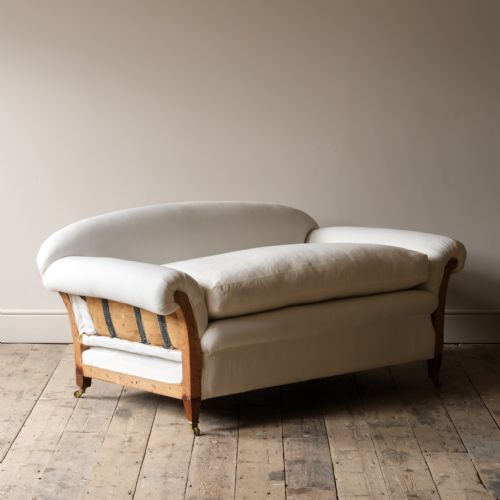
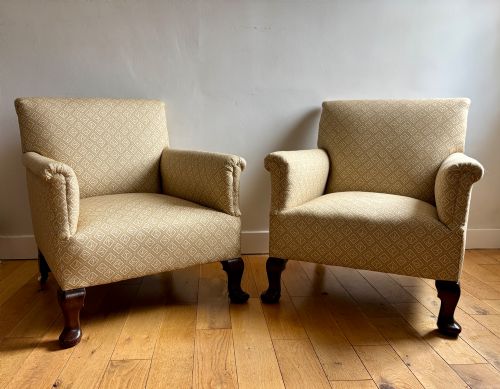
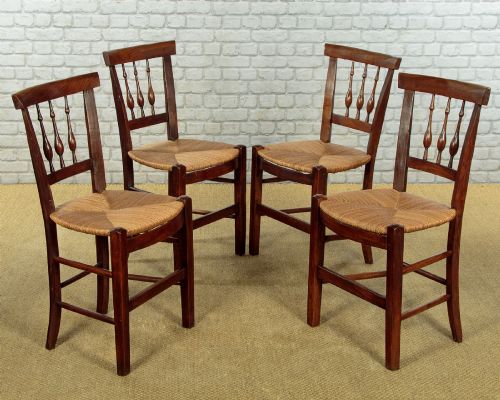
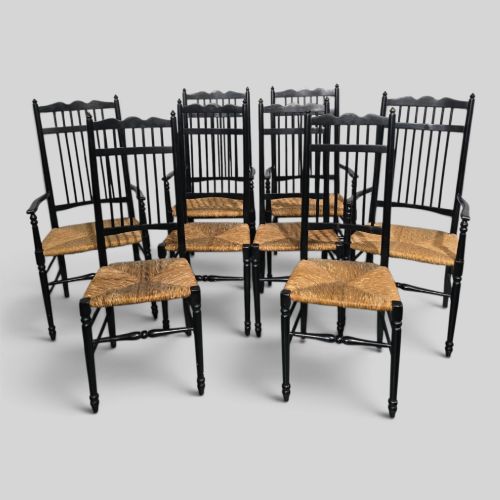
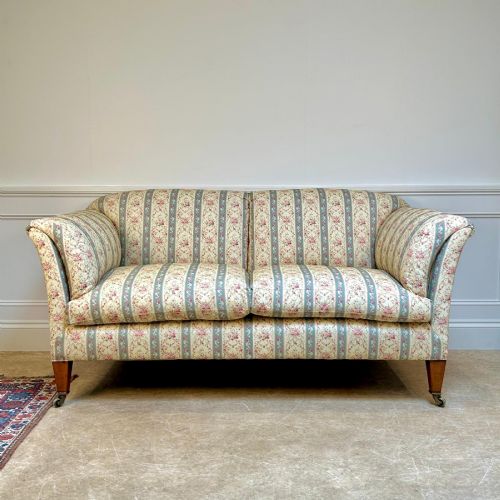
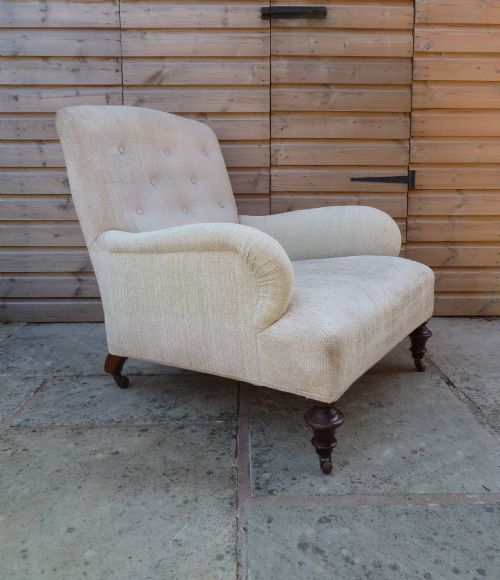
Armchairs and two-seater sofas dominate the offerings, frequently built with generous proportions and low profiles suited to relaxed domestic spaces. Alongside these upholstered forms appear sets of dining chairs in oak and beech, Lancashire ladder-backs, and rustic garden benches designed for outdoor use.
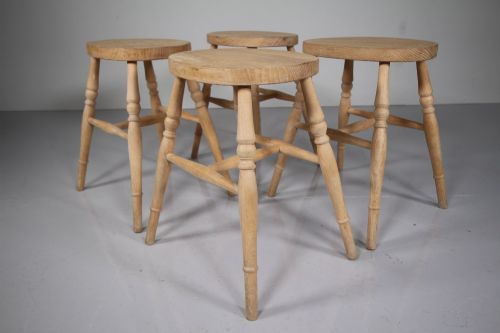
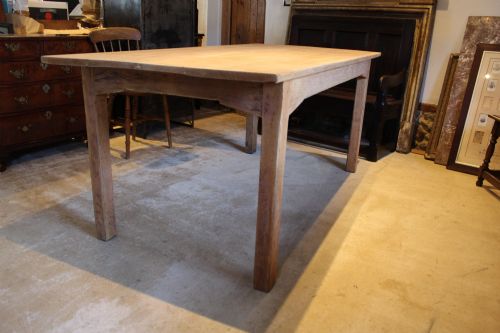
Pieces span the nineteenth century through the early twentieth century, drawing on Victorian vernacular traditions and Arts and Crafts principles. Dining tables, stools, and hall chairs also appear within this rubric, reflecting the broader functional needs of period country interiors.
Materials and Construction
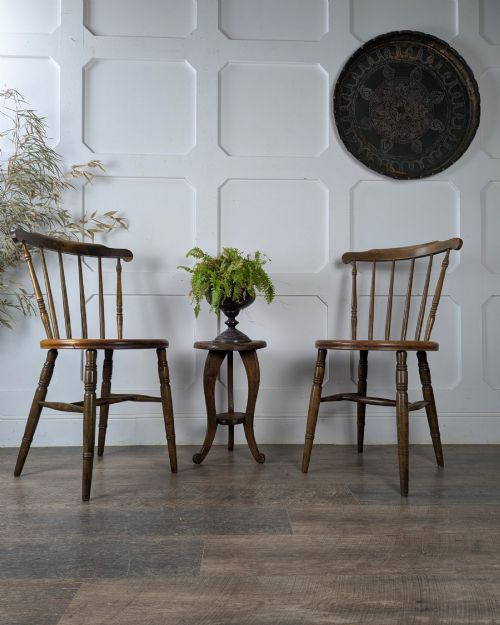
Makers relied heavily on native hardwoods such as oak, elm, beech, and ash for structural frames and vernacular seating. Turned spindles, bentwood hoops, and pegged joinery provided durable construction for Windsor chairs and kitchen seating without relying on metal fasteners.
Upholstered pieces utilised sturdy timber internal frames supporting coiled springs and webbed foundations, finished in durable textiles like calico, leather, and patterned fabrics. Rush seating was also employed for dining chairs, woven tightly around wooden seat rails to offer resilient support.
Listings feature oak, elm, beech, and mahogany timbers alongside rush and leather upholstery materials.
Evaluating Quality and Craftsmanship
Superior examples distinguish themselves through the integrity of their timber selection and the retention of original structural components rather than replaced parts. In upholstered pieces, the depth and resilience of the internal springing system dictate the overall comfort and longevity of the build.
The sophistication of the turning in spindle-back chairs and the tightness of vernacular joinery indicate the skill of the maker. Finer dining sets display uniform timber grain matching across the suite, while lesser examples show mismatched repairs or compromised frame stability.
Howard and Sons·Whytock and Reid·Gillows·Hampton and Sons·SF Cullen·Shapland and Petter
The Edwardian Country Seating Glossary
- Windsor chair
- A traditional wooden chair featuring a solid sculpted wooden seat into which the legs and back spindles are wedged directly. These chairs often incorporate bentwood hoops and arm bows for added strength.
- Rush seat
- A seating surface woven from dried marsh rushes around a wooden frame. This technique produces a textured, resilient matting common in traditional vernacular dining chairs.
- Refectory table
- A long, narrow dining table traditionally used in communal halls and adapted for domestic kitchens. They feature sturdy timber legs connected by floor-level stretchers for stability.
- Smoker's bow
- A low-backed wooden armchair with a continuous curved arm rail supported by turned spindles. This form was widely used in nineteenth-century parlours and public houses.
- Spindle back
- A chair back constructed from a series of slender turned wooden rods. These vertical elements distribute weight evenly while keeping the furniture visually light.
Edwardian Country Seating: Frequently Asked Questions
How do I identify a genuine period piece?
Examine the timber surfaces for tool marks, wear patterns, and patination consistent with age rather than artificial distress. Original joinery methods, such as pegged mortise and tenon joints, offer reliable indicators of period manufacture.
Check underneath upholstered items for maker stamps, traditional webbing, and hand-stitched Hessian backing. Consistency in timber shrinkage and hardware usage further supports authenticity.
Were these chairs used indoors or outdoors?
Most upholstered sofas, armchairs, and dining sets were intended for principal rooms within country houses and vicarages. Sturdier spindle-back and Windsor variants functioned in kitchens, libraries, and estate offices.
Specific entries like garden benches were built for exterior placement, utilising weather-resistant hardwoods. Selecting pieces for specific rooms requires considering whether their original environment was domestic or utilitarian.
How should I care for antique wooden seats?
Maintain timber frames by applying appropriate microcrystalline wax sparingly to nourish the grain and protect against excessive dryness. Avoid placing wooden furniture near direct heat sources or in fluctuating humidity to prevent splitting.
Dust regularly with a soft, dry cloth to prevent particulate buildup in carved details and joints. Refrain from using abrasive chemical polishes that can strip the historic finish.
What defines the Arts and Crafts influence?
Arts and Crafts pieces emphasise honest construction, visible joinery, and the celebration of natural materials over ornate factory decoration. Hand-worked oak and rush seats reflect a rejection of mass-production in favour of traditional craftsmanship.
Proportions remain functional and unpretentious, prioritizing everyday utility and durability. This design ethos aligns closely with the practical demands of rural country houses.