

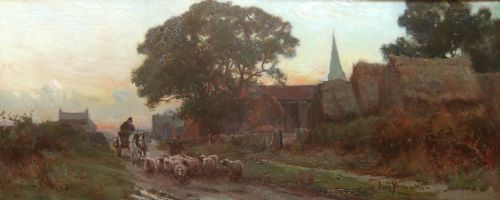


Edwardian Country Landscape Painting
Edwardian country landscape painting captures rural scenes through oil on canvas and watercolour from the early twentieth century.
Edwardian Country Landscape Painting
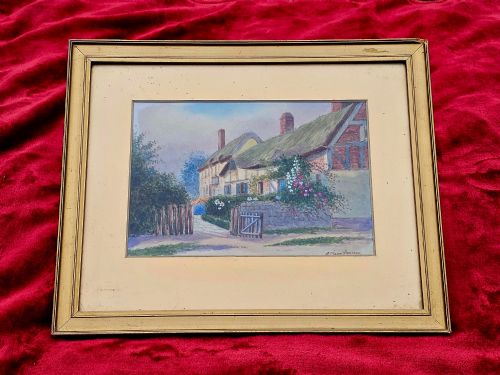
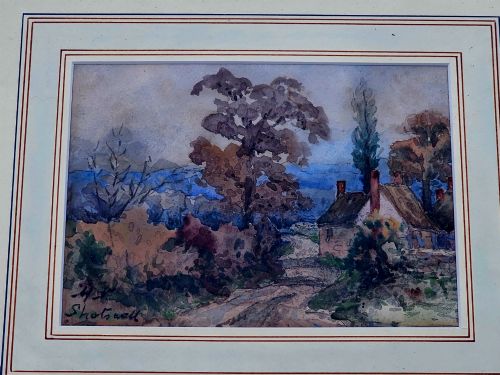
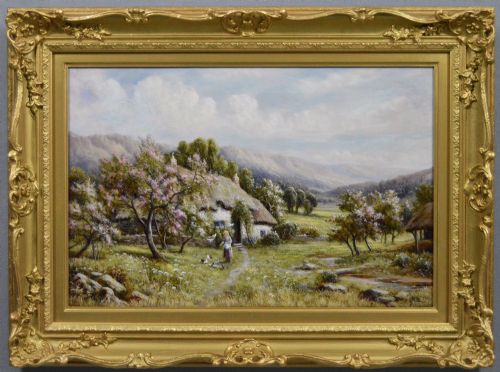
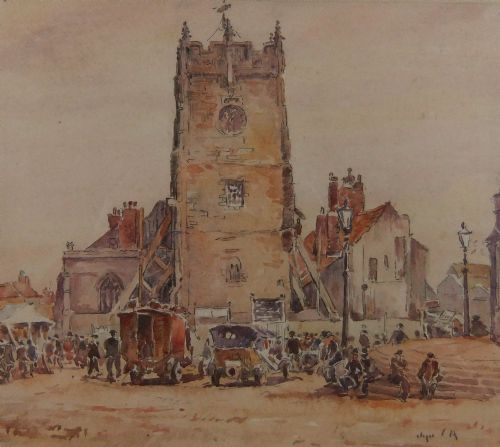
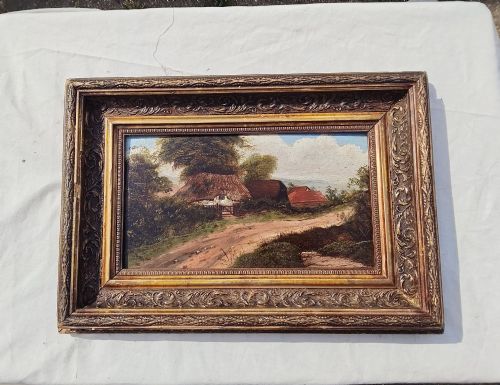
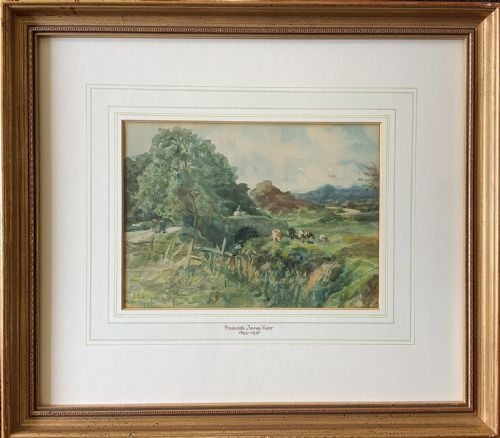
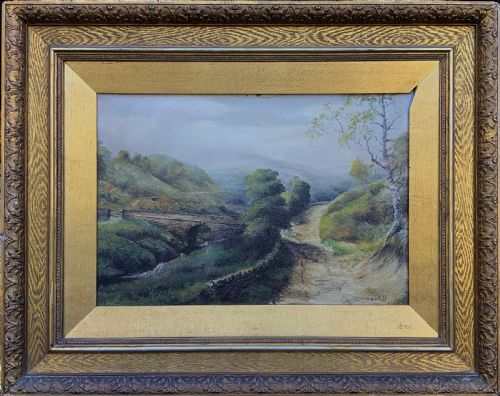
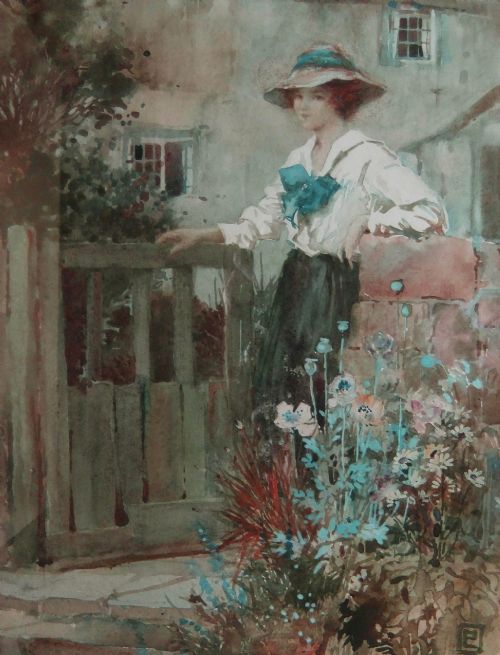
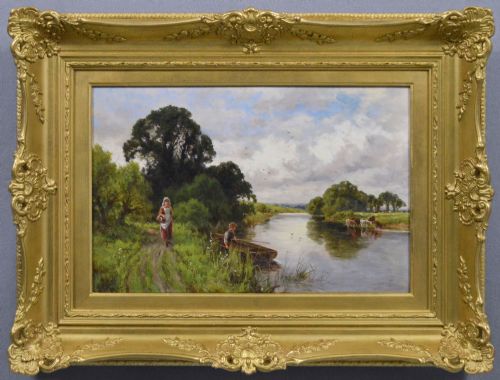
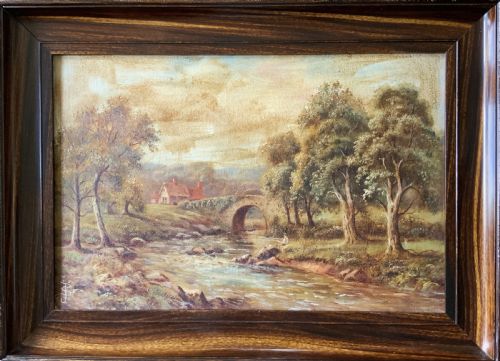
These works capture rural British scenes, featuring cottages, farmland, rivers, and moorland typical of the period around nineteen hundred. A buyer seeking an edwardian country landscape painting will frequently encounter watercolours on paper and oil paintings on canvas or card.
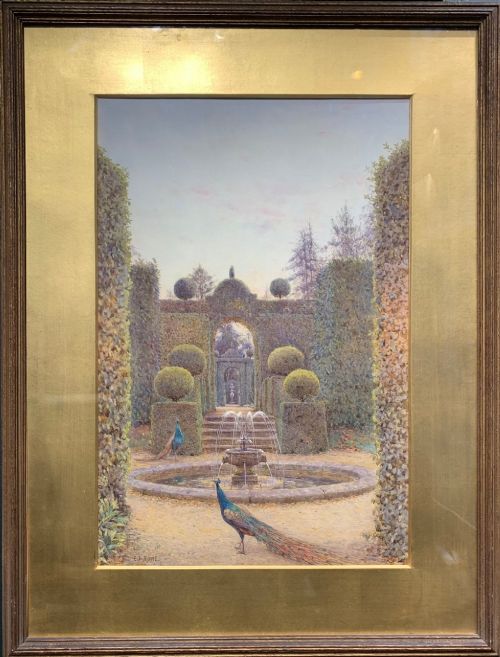
The pieces often depict everyday agricultural life, village lanes, and gardens, executed by artists associated with the British school and regional painting groups.
Materials and technique
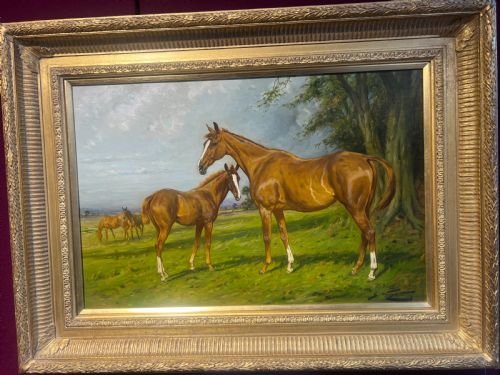
Artists utilised traditional oil paint on stretched canvas, wood, or card, alongside watercolour pigment applied to paper surfaces. These mediums allowed painters to achieve both the rich textures seen in oil works and the delicate transparency characteristic of period watercolours.
Framed artwork from this era typically employs wood mouldings and protective glass for works on paper, preserving the integrity of the pigments.
Edwardian Country Landscape Painting Retail Price Guide 2026
Typical asking prices for edwardian country landscape painting among the pieces listed under this phrase on Sellingantiques today, from the lower quarter to the upper quarter. They describe what is for sale here now, not the wider market.
Listings feature works created using oil paint, watercolour pigment, canvas, paper, and wood.
Assessing quality
Quality rests upon the artist's handling of light, atmospheric perspective, and compositional balance within the rural setting. Works by established named painters demonstrate superior brushwork and pigment retention compared to anonymous school pieces.
The preservation of the original canvas, paper, and frame contributes significantly to the integrity of the piece.
Robert John Hammond·Ernest Arthur Rowe·Frederick James Kerr·George Wright·Percy Lancaster·Henry H Parker·Sydney Yates Johnson·Owen Bowen·Edgar Woollatt·Henry John Yeend King·William Greaves·Ernest Pile Bucknall·Philip Henry Rideout·M. C. Hider·John Atkinson·Theresa Stannard·Linnie Watt·Ernest Higgins Rigg·Frederick G. Coulridge·William Langley·Herbert Royle
The Edwardian Country Landscape Painting Glossary
- Oil on Canvas
- Pigment mixed with drying oil applied to a woven fabric support stretched across a wooden frame. This technique allows for rich colour depth and visible brush texture.
- Watercolour
- Water-soluble pigment suspended in a water-based solution applied to paper. It creates luminous washes and transparent effects.
- British Impressionism
- An artistic movement focusing on light and everyday subjects using rapid brushstrokes. Practitioners sought to capture transient effects outdoors.
- Pastoral
- A style depicting rural life and idealized country scenes. These works typically feature idyllic farms, cottages, and agricultural landscapes.
Edwardian Country Landscape Painting: Frequently Asked Questions
What subjects appear in these paintings?
The compositions generally portray rural British life, including thatched cottages, farmyards, cattle, moorlands, and river scenes.
Artists frequently recorded specific villages, gardens, and agricultural tasks like hay cutting across various regions of the country.
How do oil and watercolour differ here?
Oil paintings utilise heavy pigment on canvas or card, offering textured surfaces and deep colour saturation. Watercolours employ translucent pigments on paper, capturing lighter atmospheric effects.
Both mediums document the rural countryside but present distinct visual textures.
How should I hang these artworks?
Ensure paintings are positioned away from direct sunlight and excessive moisture to protect the canvas or paper support. Stable indoor temperatures prevent warping in the wood frames and panels.
Proper placement preserves the original pigments and overall condition.
Are these pieces signed by artists?
Many examples feature signatures or attributions to specific painters from the British school active during the early twentieth century. Unsigned works are often attributed to regional schools of the period.
Documentation on the reverse sometimes provides additional context regarding the location.