




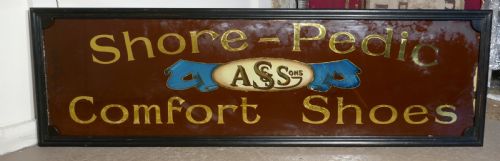
Edwardian Commercial Trade Sign
These edwardian commercial trade sign pieces bring genuine period character to a room, offering authentic displays of early twentieth century shopkeeping.
Edwardian Commercial Trade Sign
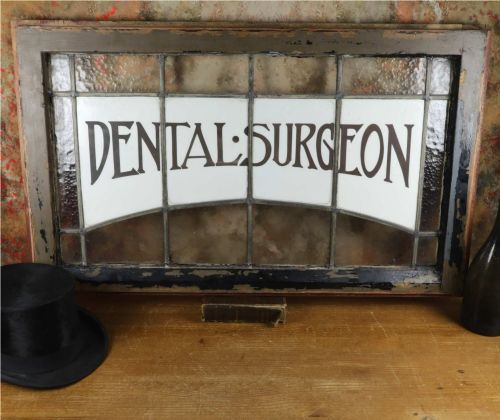
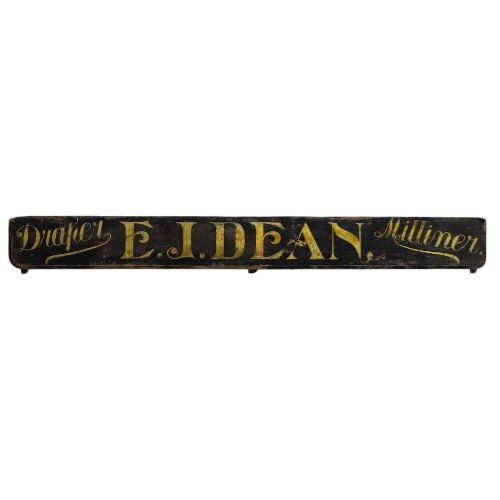
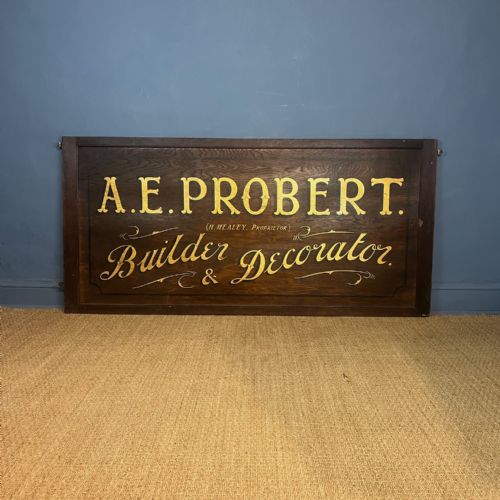
When you search for an edwardian commercial trade sign, you are looking at functional advertising pieces made to draw custom to bakeries, dentists, pawnbrokers, and outfitters. The examples appearing here span the Edwardian era alongside pieces from the nineteen twenties and nineteen thirties, reflecting the visual language of high streets from those decades.
Materials and construction
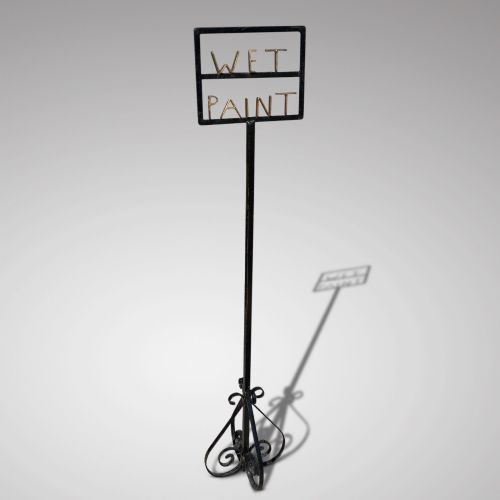
Makers relied on durable local materials suitable for daily exposure to shop fronts and interiors, frequently combining wood, metal, and glass. Pine served as a stable base for hand-painted lettering, while wrought iron and copper offered robust framing or embossed surfaces.
Techniques varied from straightforward painted finishes and gold leaf application to reverse-cut glass and beaten metal embossing. These processes ensured the lettering remained legible to passersby while standing up to the elements.
Edwardian Commercial Trade Sign Retail Price Guide 2026
Typical asking prices for edwardian commercial trade sign among the pieces listed under this phrase on Sellingantiques today, from the lower quarter to the upper quarter. They describe what is for sale here now, not the wider market.
Understanding quality
Quality in an edwardian commercial trade sign rests on the clarity of the original lettering and the integrity of the surface materials, whether glass, wood, or metal. Pieces that retain their unpolished painted surfaces or untouched frames show greater visual honesty.
The sophistication of the craft also dictates standing, distinguishing standard utilitarian boards from finely executed reverse-cut glass panels or embossed copper work produced by skilled tradesmen.
The Edwardian Commercial Trade Sign Glossary
- Reverse cut glass
- A technique where lettering is carved and gilded or painted on the back of a glass panel, protecting the finish from wear.
- Gold leaf
- Extremely thin beaten gold applied to lettering and decorative details to catch the light and prevent tarnishing.
- Architectural salvage
- Building elements and fixtures rescued from older structures before demolition, often including exterior shop signs.
- Embossed
- A method of pressing or hammering metal from the reverse side to raise lettering and designs into relief.
Edwardian Commercial Trade Sign: Frequently Asked Questions
Where were these signs displayed?
Shopkeepers mounted these pieces on exterior brickwork, hung them above doorways, or placed them directly inside display windows.
Positioning depended entirely on the trade, with chemists and opticians favouring hanging brackets and window panels.
How do I clean painted wooden signs?
Dust the surface gently with a dry, soft cloth to remove everyday accumulation without disturbing the historic pigment.
Avoid liquid cleaners and harsh detergents, which can easily lift original paint and alter the surface sheen.
Are these signs double sided?
Certain trade signs were manufactured with graphics on both faces to catch foot traffic moving in either direction along a pavement.
Flat wall signs were constructed for single-side viewing directly against a building facade or interior shop partition.
How do I date an early sign?
Dating relies on combining the specific typeface, framing methods, and recorded materials associated with the piece.
Stylistic cues from the Arts and Crafts and Art Deco movements often help narrow down the decade of production.