






Vintage Trade Advertising Sign
A vintage trade advertising sign brings the bold lettering and direct utility of past commerce straight into a modern interior.
Vintage Trade Advertising Sign
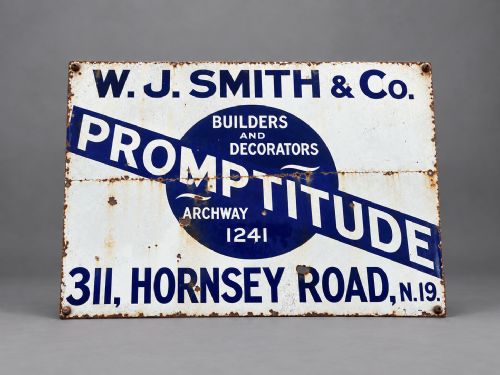
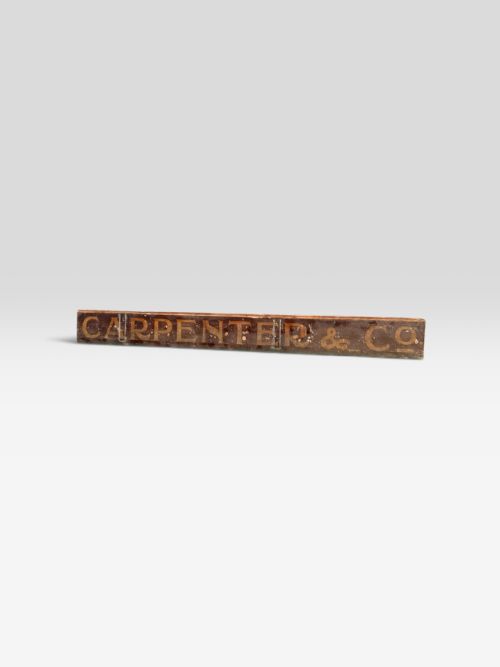
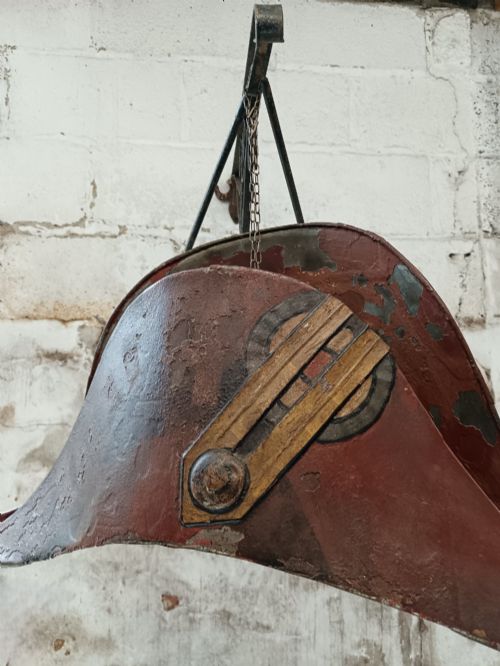
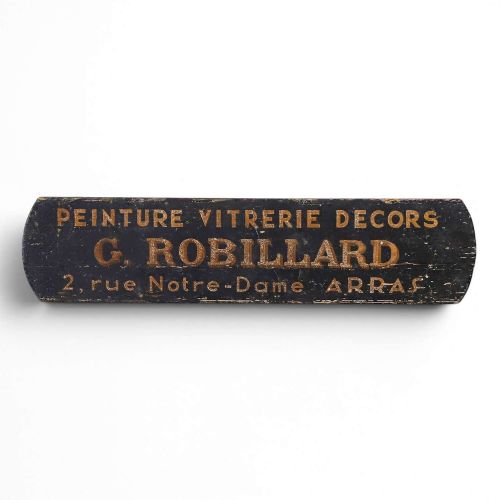
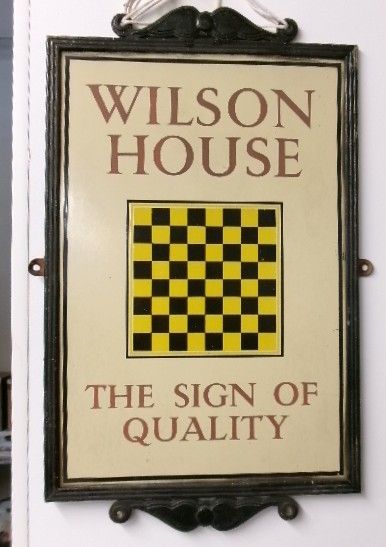
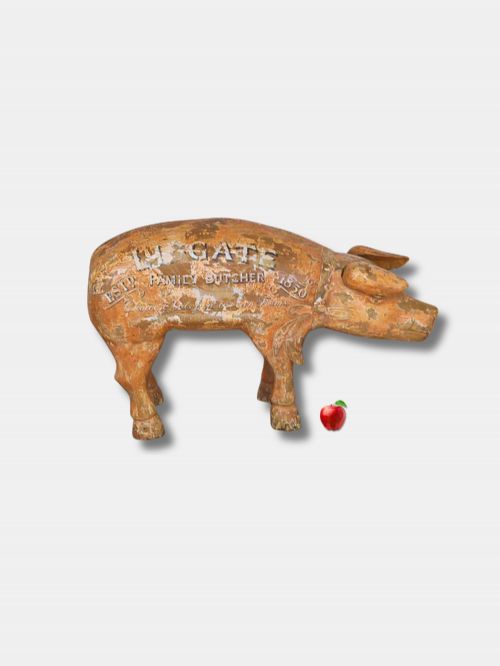
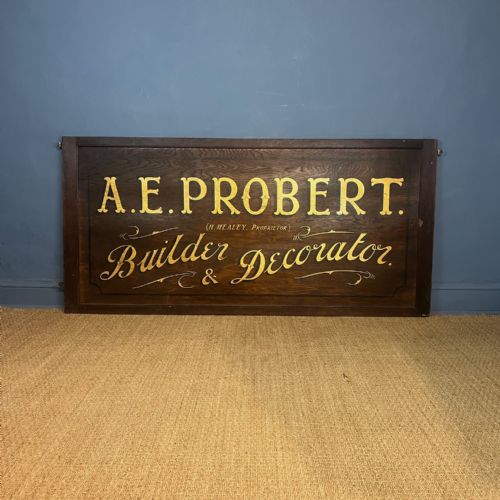
A vintage trade advertising sign communicates the practical commerce of past high streets through painted surfaces, carved wood, and metal forms. These pieces originated as functional markers for butchers, bakers, locksmiths, and apothecaries to draw customers from the pavement. Buyers encounter wall signs, hanging pocket watches, shop display models, and painted wood panels spanning from the Victorian and Edwardian eras into the mid-twentieth century.
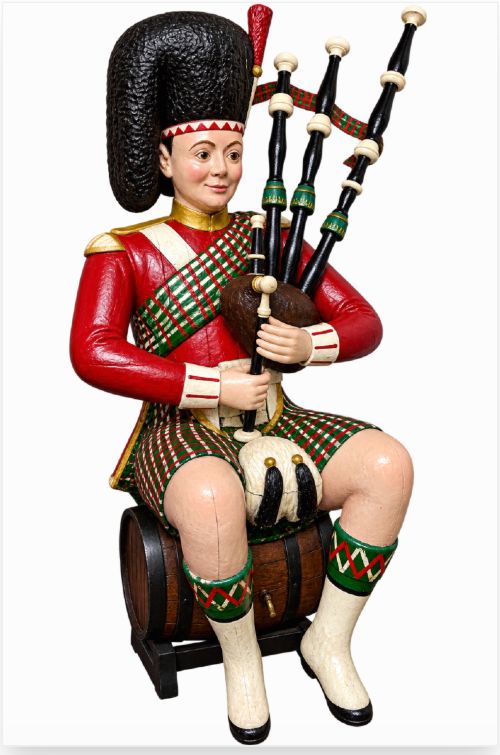
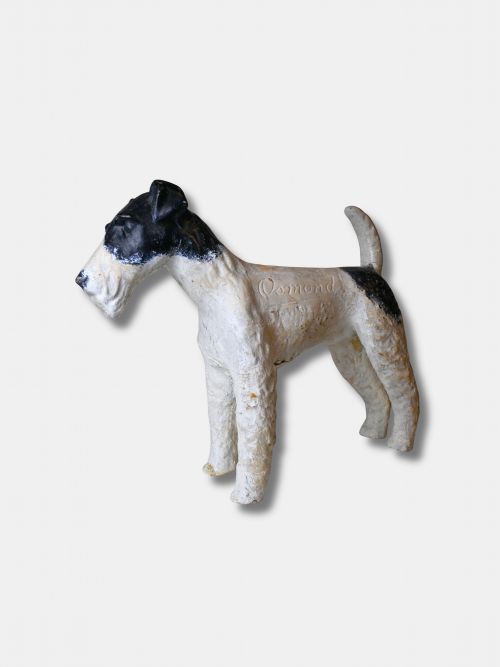
The selection on this page demonstrates the physical variety of historic shop markers, including reverse-painted glass panels, iron sheep dip boards, and life-size figures. Many examples display specific trades such as dentistry, pharmacy, and butchery, often rendered in folk art styles or industrial metals. They serve as direct survivals of commercial advertising before mass production standardised shopfronts.
Materials and construction methods
Makers constructed these pieces from durable materials designed to withstand outdoor conditions, utilising painted wood, sheet metal, iron, and cast iron. Surfaces frequently received layers of hand-painted lettering, gold leaf, or protective toleware finishes to ensure legibility in street light and weather. Framed examples often integrate wooden surrounds or beaten copper panels.
Vintage Trade Advertising Sign Retail Price Guide 2026
Typical asking prices for vintage trade advertising sign among the pieces listed under this phrase on Sellingantiques today, from the lower quarter to the upper quarter. They describe what is for sale here now, not the wider market.
An automated cobbler and a giant wooden shoe once shared the street with a Highland bagpiper figure.
Distinctions in craftsmanship and survival
Quality rests in the legibility of the lettering, the preservation of the original hand-painted surface, and the integrity of the material structure. Signs retaining their untouched primary paint layers and original wooden or metal frames command greater attention than those with later repainting. The skill of the signwriter dictates the sharpness of the typography and the balance of the composition.
Thick cast iron, embossed beaten copper, and reverse-painted glass demand high technical proficiency during manufacture, separating standard commercial boards from finer artisan commissions. The survival of fragile elements like glass panels or delicate hanging mechanisms without structural repair defines the better examples in this field.
Smiths of London·J. & H. Keyworth and Co·Josef Herzog
The Vintage Trade Advertising Sign Glossary
- Toleware
- Lacquered or enamelled metalware, often iron or steel, finished with painted decoration. This technique provided a durable surface for outdoor hanging signs and functional objects.
- Reverse-painted glass
- A technique where the artist paints the image and lettering on the back of a glass sheet, viewed through the front. This method protected the pigments from weather and provided a glossy surface.
- Folk art
- Utilitarian objects created by self-taught or local makers without formal academic training. In trade signage, this translates to idiosyncratic proportions and direct, unpretentious carving.
- Gold leaf
- Extremely thin gold beaten into sheets, applied to letters and borders to catch the light. It offered longevity and visibility against dark painted backgrounds.
Vintage Trade Advertising Sign: Frequently Asked Questions
How were trade signs displayed originally?
Shopkeepers mounted these boards flat against exterior walls, suspended them from iron brackets above the pavement, or placed them inside display windows.
Hanging versions allowed pedestrians approaching from either direction to read the trade, while window panels and display models attracted immediate foot traffic.
What trades are most common on these signs?
The listings feature provisions and services from the nineteenth and twentieth centuries, including butchers, bakers, locksmiths, and chemists.
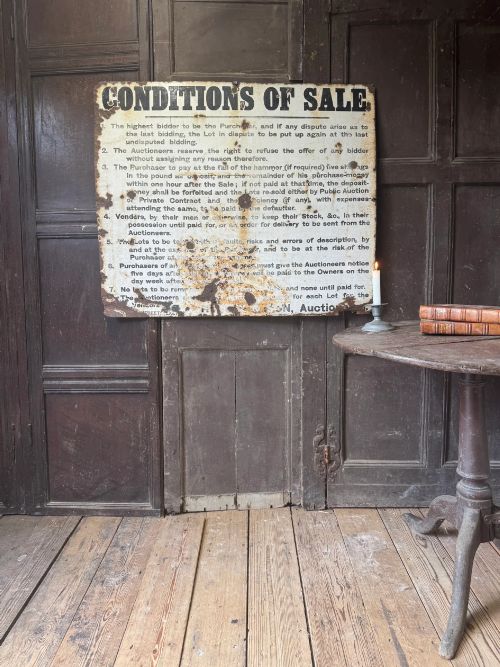
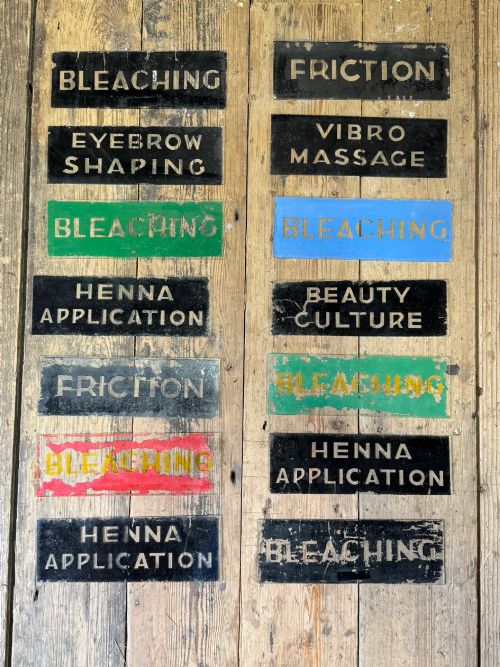
Specialist trades such as auctioneers, dentists, and hairdressers also commissioned distinct markers to advertise their specific professional services.
How do I care for a painted wooden sign?
Keep the piece away from direct sunlight, high humidity, and extreme temperature fluctuations to protect the aged wood and original paint.
Dust the surface gently with a dry, soft cloth and avoid applying modern chemical cleaners or oils to the historic finish.
How can I tell a Victorian sign from a later one?
Victorian examples often rely on hand-carved timber, traditional signwriting with lead-based paints, and heavy iron brackets reflecting manual production methods.
Later twentieth-century pieces incorporate materials like sheet metal, composition, and screen-printed elements or distinct mid-century industrial typography.