



Antique Commercial Shop Plaque
An antique commercial shop plaque names the trades and houses that once filled the high street, cast in metal, glass, and vitreous enamel.
Antique Commercial Shop Plaque
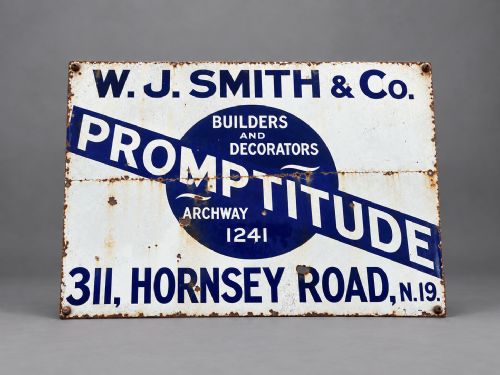
An antique commercial shop plaque announces a trade or business from the late nineteenth and early twentieth centuries. These pieces encompass wall signs, trade signs, and advertising plaques that hung outside premises to draw the public in.
The selections span the Edwardian era through the nineteen-twenties, incorporating both British and French examples. Forms range from pictorial shapes like pocket watches and spoons to flat painted glass and embossed copper panels.
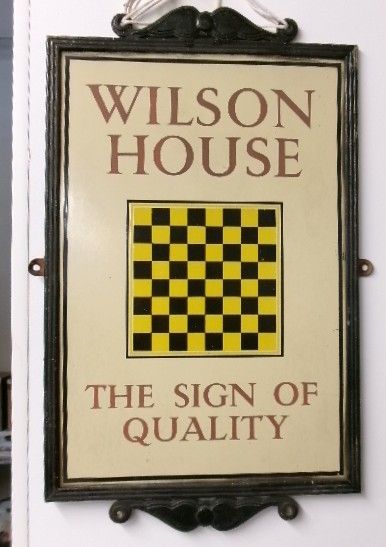
Buyers encounter materials such as sheet metal, iron, wood, and brass alongside vitreous enamel. Each plaque carries the identity of a specific merchant, artisan, or product.
How they were made
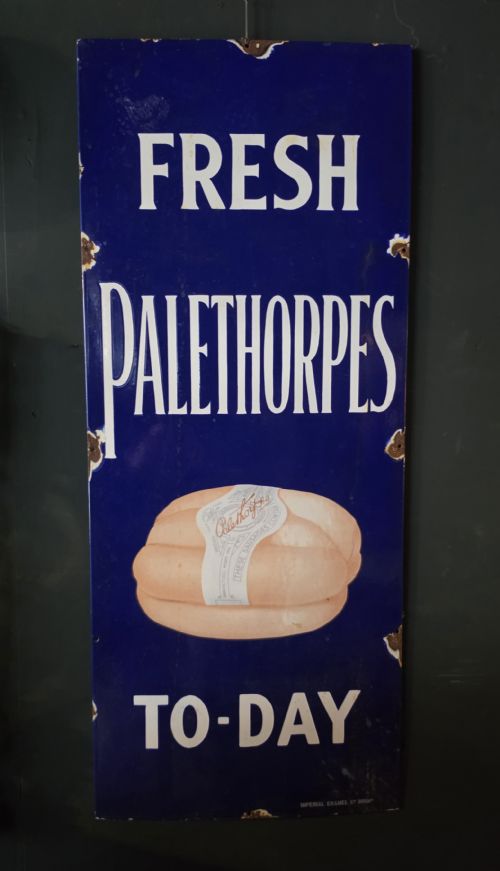
Vitreous enamel signs fuse powdered glass to sheet iron at high temperatures, creating a hard, glossy surface that resisted the weather. Painted glass signs rely on meticulous hand lettering and decoration set within original wooden frames.
Metalwork plaques utilise beaten copper and embossed sheet metal to create raised lettering and pictorial motifs. Brass elements and wooden substrates provide structure and hanging points for trade signs shaped as pocket watches or cutlery.
Antique Commercial Shop Plaque Retail Price Guide 2026
Typical asking prices for commercial shop plaque among the pieces listed under this phrase on Sellingantiques today, from the lower quarter to the upper quarter. They describe what is for sale here now, not the wider market.
Listings feature materials spanning paint, metal, sheet metal, iron, vitreous enamel, sheet iron, glass, and wood.
What varies in quality
Quality rests in the legibility of the lettering and the crispness of the pictorial form, whether it is a locksmith sign or a spoon and fork. Original framing and undisturbed mounting brackets preserve the integrity of the piece.
The strength of the vitreous enamel surface or the preservation of the painted glass distinguishes superior examples. Pieces retaining their original surface patination and authentic trade details command greater attention.
Palethorpes·Trebor
The Antique Commercial Shop Plaque Glossary
- Vitreous enamel
- A material made by fusing powdered glass to a metal substrate under high heat. This creates a durable, glossy coloured finish impervious to weather.
- Trade sign
- A board or hanging object shaped to represent the goods sold within, such as a pocket watch or cutlery. These served illiterate populations or caught the eye from a distance.
- Sheet iron
- A malleable iron rolled into thin sheets, commonly used as the base for enamel advertising signs. It provides a sturdy yet workable canvas for signage.
- Folk art
- Objects created by self-taught artisans outside academic traditions, including hand-painted shop signs. They display regional character and direct expression.
- Arts and Crafts
- A design movement valuing handcraftsmanship and traditional materials over industrial mass production. This style appears in beaten copper embossed panels.
Antique Commercial Shop Plaque: Frequently Asked Questions
Where were shop plaques originally hung?
These plaques hung directly above shop doorways, on exterior brick walls, or projected outward from iron brackets so passers-by could spot the trade. Many also appeared inside the premises near counters to highlight specific goods or services.
Outdoor placement exposed them to the elements, which accounts for the robust use of vitreous enamel and heavy metals in their construction.
How do I date a shop plaque?
Dating relies on the materials, typography styles, and manufacturing techniques evident in the piece. Vitreous enamel and specific sans-serif lettering styles often point towards the Edwardian period and the nineteen-twenties.
References to specific trades or defunct companies also help narrow down the window of production to the late nineteenth or early twentieth century.
Can these signs be hung outdoors today?
While materials like vitreous enamel and sheet iron were built for the outdoors, surviving antique pieces benefit from indoor display. Modern weather can compromise exposed wood frames, painted glass, and vulnerable edges.
Displaying them inside protects the original surface patination and fragile painted details from moisture and frost.
What does a pictorial sign indicate?
Pictorial signs shaped like pocket watches, keys, or cutlery communicated the merchant's trade instantly to customers before universal literacy took hold. They served as visual shorthand for watchmakers, locksmiths, and purveyors of food.
These sculptural forms stand out from flat boards by offering a three-dimensional silhouette against the streetscape.