




Vintage Retail Display Sign
These vintage retail display sign pieces bring tangible commercial history into domestic interiors, offering genuine character and functional display space.
Vintage Retail Display Sign
When you search for a vintage retail display sign, you encounter a specialised selection of antique shop fittings, trade signs and glazed cabinets. These pieces span the Victorian, Edwardian and early twentieth century periods, reflecting the commercial presentation methods of past generations.
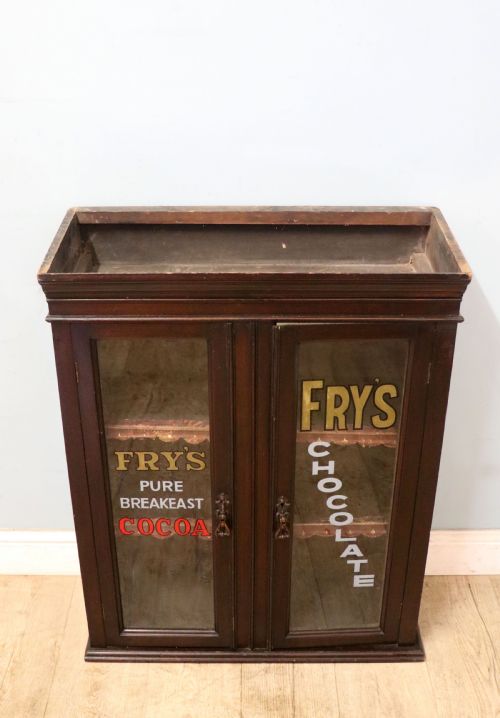
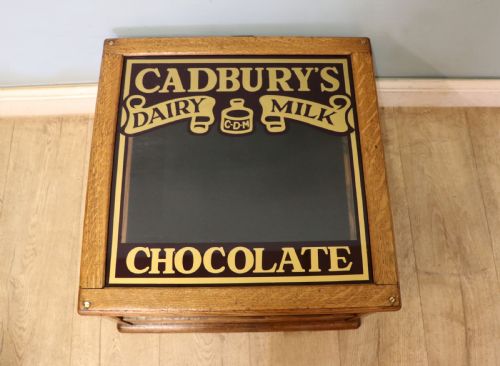
You are most likely to meet glazed countertop cabinets, bijouterie display tables and wall-hung trade signs bearing hand-painted lettering. Many of these commercial items carry later sign-written details advertising confectionery, chocolate, luxury watches and perfumes.
Materials and construction
Makers utilised sturdy timbers such as mahogany, oak, walnut and hardwood to build durable shop fittings designed for daily customer interaction. Glass panels were integrated into cabinets and framing to protect goods while maintaining clear visibility for shoppers.
Surface decoration frequently involved hand-painted sign-writing applied directly to wood, glass or paper surfaces. Brass hardware and velvet linings often complemented the primary woodwork, adding both structural refinement and tactile contrast.
Vintage Retail Display Sign Retail Price Guide 2026
Typical asking prices for vintage retail display sign among the pieces listed under this phrase on Sellingantiques today, from the lower quarter to the upper quarter. They describe what is for sale here now, not the wider market.
The listings show pieces spanning the Victorian, Edwardian and 1920s periods, utilising materials such as mahogany, oak, glass, and brass.
Understanding quality differences
Quality in these pieces rests upon the integrity of the original construction and the visual appeal of the hand-painted lettering. Cabinets built from solid hardwoods demonstrate greater resilience and craftsmanship than simpler utility pieces.
The artistic execution of the sign-writing heavily influences the overall character of the piece. Crisp, balanced lettering and well-preserved painted glass surfaces elevate an item from a basic utility fitting to a striking decorative object.
The Vintage Retail Display Sign Glossary
- Bijouterie display table
- A glass-topped table specifically designed for showing small valuable items and jewellery. These pieces usually feature hinged lids and velvet-lined interiors.
- Countertop display cabinet
- A glazed shop fitting positioned on top of a counter to showcase goods to prospective buyers. They typically combine timber frames with glass viewing panels.
- Shopfitting
- The trade of manufacturing and installing fixtures, fittings and furniture for retail premises. Victorian and Edwardian examples often display high standards of commercial carpentry.
- Trade sign
- A board or painted glass panel used to advertise a business, trade or specific brand. They were displayed externally or internally to attract passing customers.
- Sign-written
- The traditional craft of applying hand-painted lettering and graphics to surfaces. This technique was widely utilised before modern vinyl and printed signage became dominant.
Vintage Retail Display Sign: Frequently Asked Questions
What is a vintage retail display sign?
A vintage retail display sign encompasses authentic shop fittings, trade signs and glazed cabinets originating from the Victorian, Edwardian and early twentieth century eras. These objects were originally used in commercial premises to advertise goods or present merchandise to customers.
Today, they are repurposed for domestic interiors to display collections or serve as distinctive wall and surface art. Their construction combines period woodwork, glass and hand-painted commercial lettering.
How were these trade signs originally used?
Shopkeepers utilised these pieces within retail environments to catch the attention of shoppers and organise merchandise. Countertop cabinets and display tables protected small luxury items while keeping them visible on shop counters.
Wall-hung and painted glass signs communicated the availability of specific brands, from chocolate and cocoa to watches and perfume. They formed an essential part of historical high street commerce.
How do I live with a display cabinet?
Integrating a countertop cabinet or display table into a modern home offers practical storage combined with visual interest. They work effectively in living spaces, kitchens or hallways for exhibiting small personal collections, ceramics or curiosities.
Positioning them away from direct sunlight protects both the timber and any delicate painted signage. Regular dusting and occasional gentle conditioning of the wood keep the surfaces in sound condition.
How do I tell Victorian from Edwardian pieces?
Victorian shop fittings often display heavier timber construction using dense woods like walnut and mahogany, reflecting the robust manufacturing styles of the nineteenth century. Cabinet designs from this era frequently prioritise solid utility and traditional joinery.
Edwardian and early twentieth century pieces tend to exhibit slightly lighter proportions and refined framing techniques. The decorative lettering and applied branding on these later pieces often reflect the evolving commercial advertising styles of the 1920s and 1930s.