




Victorian Glass Shop Sign
These Victorian glass shop sign pieces range from trade signs and painted glass window panels to advertising mirrors.
Victorian Glass Shop Sign
A victorian glass shop sign is a commercial piece intended for advertising or trade identification within a retail environment. The selection includes trade signs, wall signs, shop signs, and advertising mirrors utilising glass alongside wood and brass.
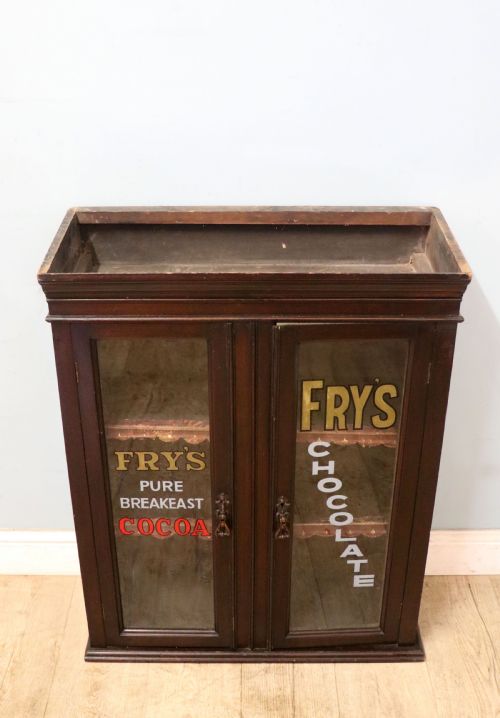
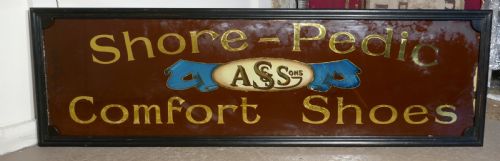
The pieces encompass various forms such as reverse glass painted signs, cut and painted glass window panels, and shoe shop mirror advertising signs. These items reflect late nineteenth century and early twentieth century commercial enterprise.
Origins and periods span the Victorian era, late Victorian period, Edwardian period, and twentieth century developments up to nineteen thirty. Buyers encounter both dedicated signage and display cabinets or chests of drawers featuring sign written decoration.
How victorian glass shop sign examples were made
Makers utilised glass as the primary medium for painting, reverse glass painting, cutting, and sign writing. This glass is frequently paired with wooden frames, brass elements, or gold leaf lettering.
Support structures and housing incorporate solid mahogany, pine, American walnut, and hardwood. Cabinets and chests of drawers integrate glazed display areas alongside hand sign written advertising.
Victorian Glass Shop Sign Retail Price Guide 2026
Typical asking prices for victorian glass shop sign among the pieces listed under this phrase on Sellingantiques today, from the lower quarter to the upper quarter. They describe what is for sale here now, not the wider market.
Materials recorded across these listings include glass, brass, paint, mahogany, gold leaf, wood, pine, and enamel.
What varies in quality
The grade of a victorian glass shop sign depends upon the execution of the hand sign writing and the integrity of the painted glass surface. Original wooden frames and untouched painted finishes command attention.
Substantial pieces like display cabinets and architectural salvage incorporate finer secondary woods such as mahogany and American walnut. The integration between the original structure and the commercial signage defines the standard.
The Victorian Glass Shop Sign Glossary
- Reverse glass painted
- A technique where the design is painted on the back of the glass sheet so it appears correctly when viewed from the front. This method protects the pigment from damage.
- Sign written
- Lettering applied by hand using paint or gold leaf for commercial advertising or trade identification. This process requires skilled brushwork.
- Trade sign
- A board, glass panel, or hanging fixture used by a merchant to identify a business or profession. These objects hung outside or inside commercial premises.
- Architectural salvage
- Building materials and fixtures rescued from structures slated for demolition. These elements often include commercial fittings and shop signs.
Victorian Glass Shop Sign: Frequently Asked Questions
What is a victorian glass shop sign?
A victorian glass shop sign is a commercial artefact produced for advertising retail goods or identifying a trade.
These pieces utilise glass panels, mirrors, and frames made from woods such as mahogany and pine.
How were these signs used?
Merchants mounted these signs inside shops, on windows, or above display counters to attract customers.
They advertised specific goods including tobacco, chocolate, spectacles, and pharmaceutical services.
How do I live with one?
These pieces suit wall mounting or placement atop related furniture items like cabinets and chests of drawers.
Positioning them away from direct sunlight protects painted glass and gold leaf surfaces.
How do I tell periods apart?
Victorian examples display traditional lettering styles and timber frames corresponding to the nineteenth century.
Later pieces from the nineteen twenties and nineteen thirties reflect Art Deco influences and modified typography.