
Edwardian Column Lamp
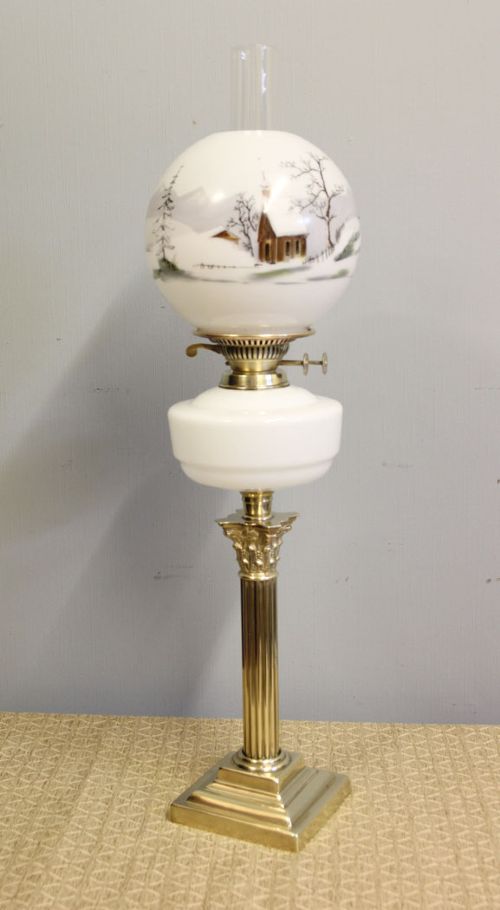
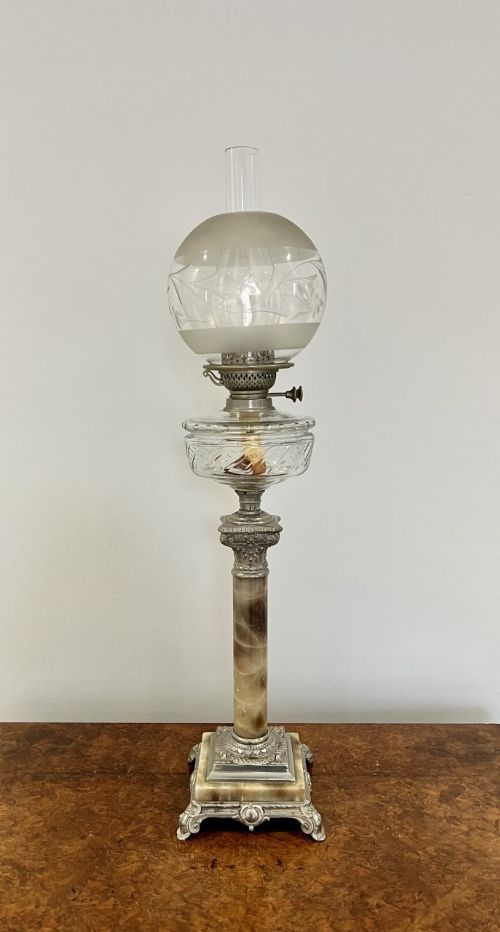
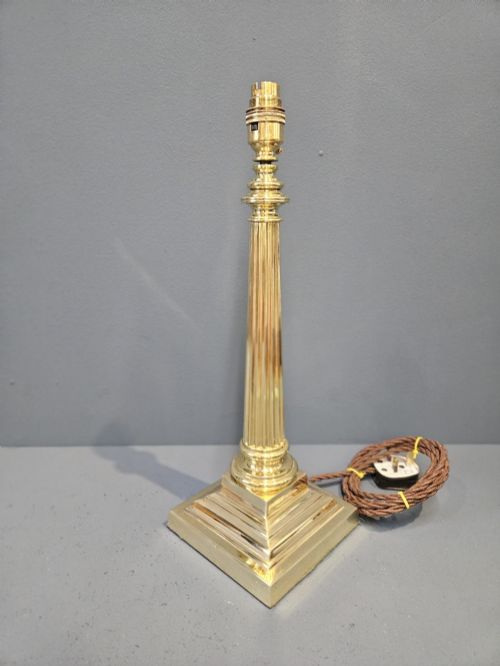
These heavy brass and silver-plated edwardian column lamp designs bring classical proportion and bright illumination to a traditional interior.
Edwardian Column Lamp
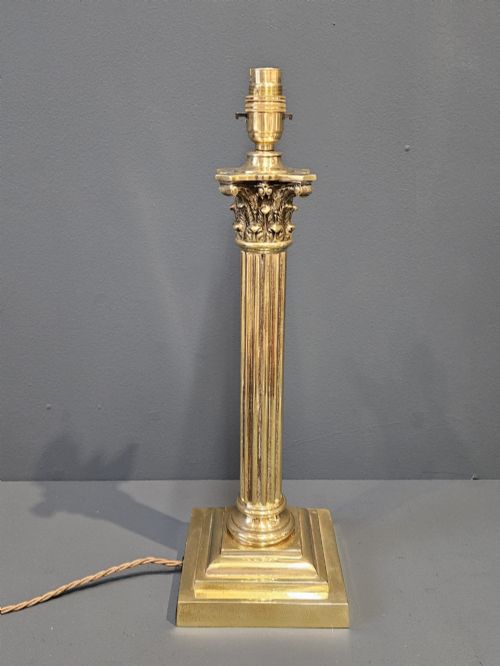
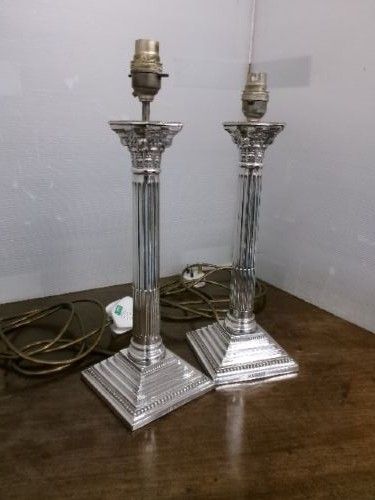
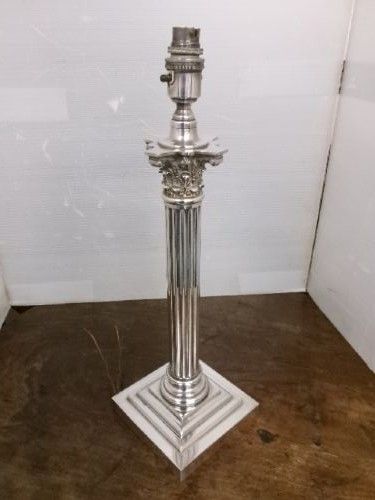
An edwardian column lamp typically takes the architectural form of a miniature classical column, standing on a stepped or weighted square base. Most examples seen across these periods date from the Edwardian era and the late Victorian years, drawing heavily on Neoclassical revival designs.
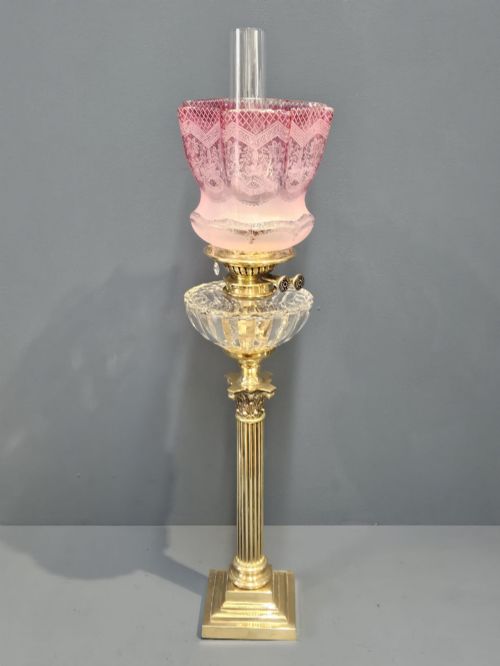
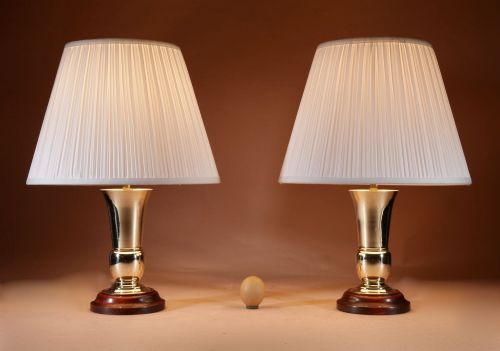
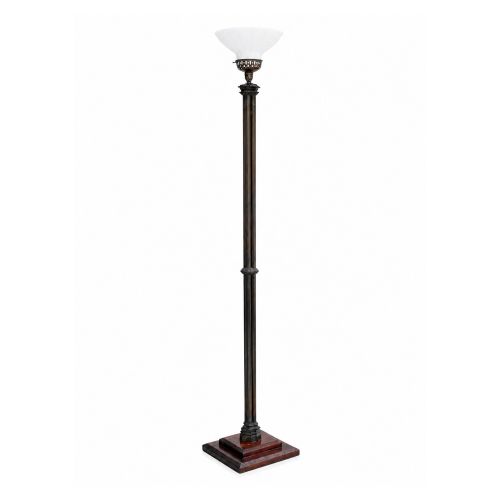
The format spans smaller table lamps designed for side tables and larger standard floor lamps meant to stand directly on the floor. Many started life as oil lamps fitted with glass reservoirs and chimneys before conversion to electricity, while others were built specifically for electrical wiring or candle use.
Materials and Construction
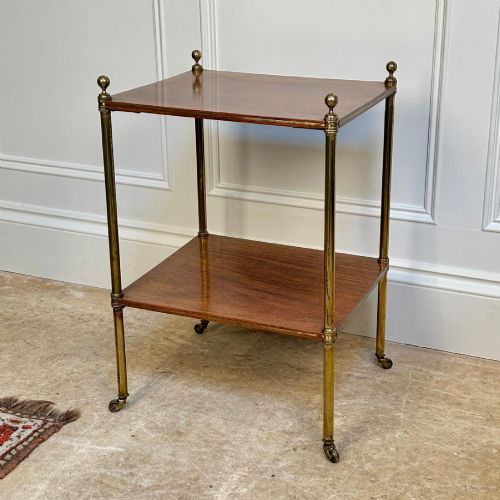
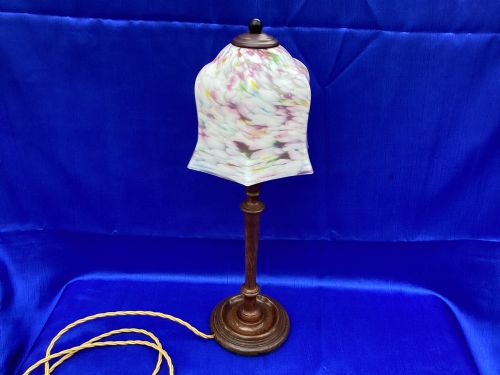
Foundry-cast brass forms the structural core of the typical edwardian column lamp, often combined with silver plating, gilt finishes, or sections of carved marble, alabaster, and onyx. Timber columns in oak, mahogany, and walnut also appear, pairing turned wood shafts with metal capitals and bases.
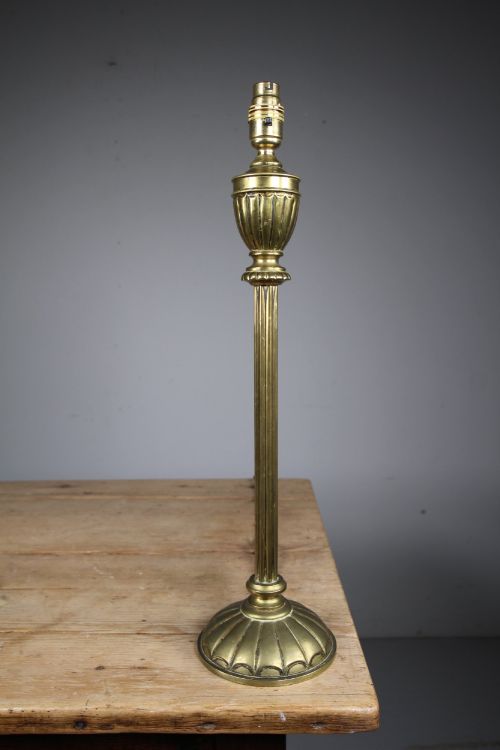
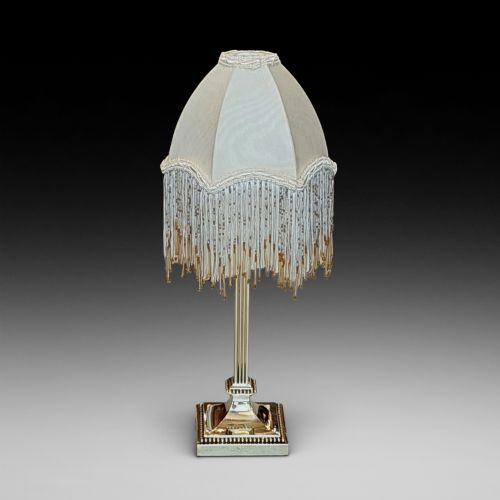
Makers utilised detailed cast brass capitals in Corinthian and Doric orders, mounted onto reeded or smooth tubular metal shafts. Shades fashioned from opaline glass, cranberry glass, fabric, and silk complete the construction, frequently paired with glass chimneys or crystal drops.
Listings feature diverse materials including brass, silver plate, oak, mahogany, marble, alabaster, onyx, and opaline glass.
Judging Quality
Quality rests heavily on the crispness of the casting in the brass capital and the weight of the metal base. Finer examples display deeply undercut acanthus leaves on Corinthian capitals and heavy gauge silver plating over solid brass foundations, rather than thin sheet metal pressed over a weighted interior.
Proportion and material integration also separate standard production from superior pieces. The best models unite carefully turned stone or timber shafts with precise, heavy brass mounts and original period glassware, showing balanced height and solid structural integrity.
Hinks
The Edwardian Column Lamp Glossary
- Corinthian capital
- The ornate top section of a column decorated with carved acanthus leaves and scrolls. This architectural motif is the most common style found on brass lamp shafts.
- Standard lamp
- A tall floor-standing lamp designed to illuminate a room from standing height. These share the same column architecture as smaller table versions.
- Opaline glass
- An opaque white glass developed during the nineteenth century to diffuse light softly. It frequently forms the globe shades found on converted oil lamps.
- Reeded column
- A vertical shaft carved or cast with parallel convex roundings running lengthwise. This decorative texturing adds visual weight and classical detail to the lamp body.
- Silver plate
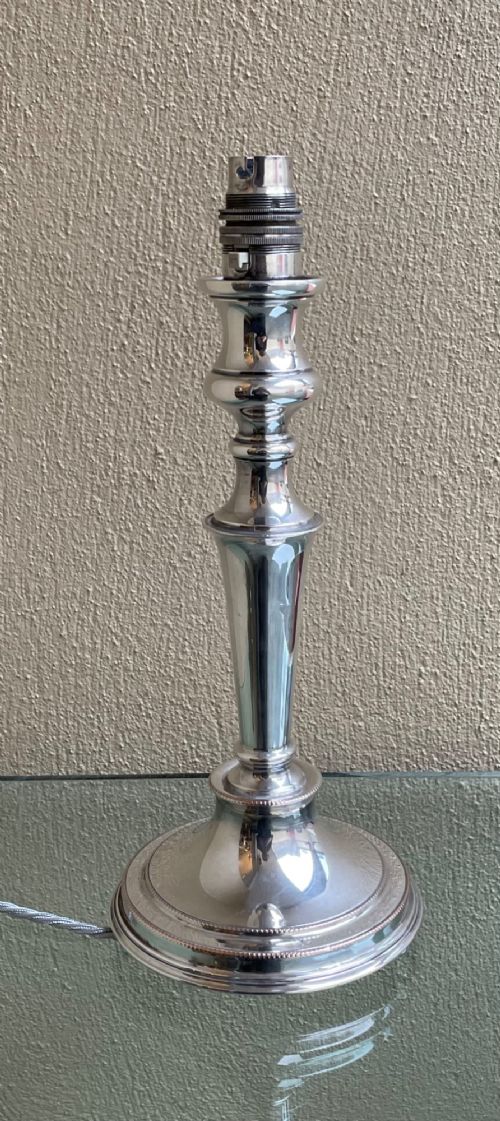
- A thin layer of silver fused over a base metal such as brass or copper. Higher quality pieces retain deep, even plating without base metal showing through high-wear areas.
Edwardian Column Lamp: Frequently Asked Questions
How do I wire an old lamp safely?
Most antique lamps require rewiring to meet modern electrical standards and ensure safe household use. A qualified electrician can thread modern flex through the internal column without altering the exterior metalwork or damaging the vintage components.
Retaining the original switch mechanism or brass key is often possible during rewiring. This preserves the historical operation while providing safe, updated internal wiring.
Were these always electric lamps?
Many examples began as oil lamps burning paraffin before conversion to electricity in the twentieth century. The presence of a burner assembly, wick knob, or glass chimney gallery usually indicates a previous oil-burning life.
Other pieces were manufactured as standard electric lamps or candle lamps from the outset. Both converted oil lamps and original electric models are entirely correct for the period.
How do I clean tarnished brass safely?
Polishing brass depends entirely on the desired level of historical patina versus bright shine. Gentle dusting with a soft cloth removes everyday dirt without disturbing the aged surface character.
Harsh abrasive commercial metal polishes should be avoided on antique plating or delicate lacquer. A mild soapy solution is usually sufficient for cleaning glass shades and stone bases.
How do I choose the right shade?
Selecting a shade involves matching the proportions of the heavy column base and the intended room placement. Traditional opaline glass globes and pleated silk or fabric shades both suit the classical architecture of these lamps.
Ensuring the fitter size matches the gallery on the lamp is essential for secure mounting. Proportionally, the shade width should generally complement the footprint of the stepped base below.