



Edwardian Coal Cabinet
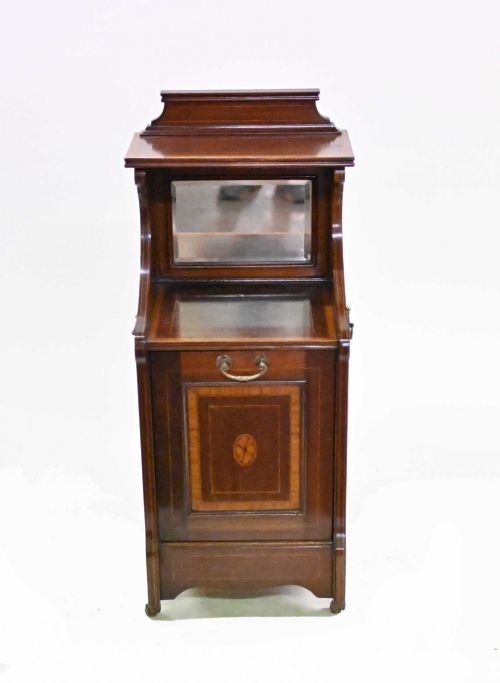
An Edwardian coal cabinet sits beside the hearth to keep fuel close at hand, combining practical storage with handsome period joinery.
Edwardian Coal Cabinet
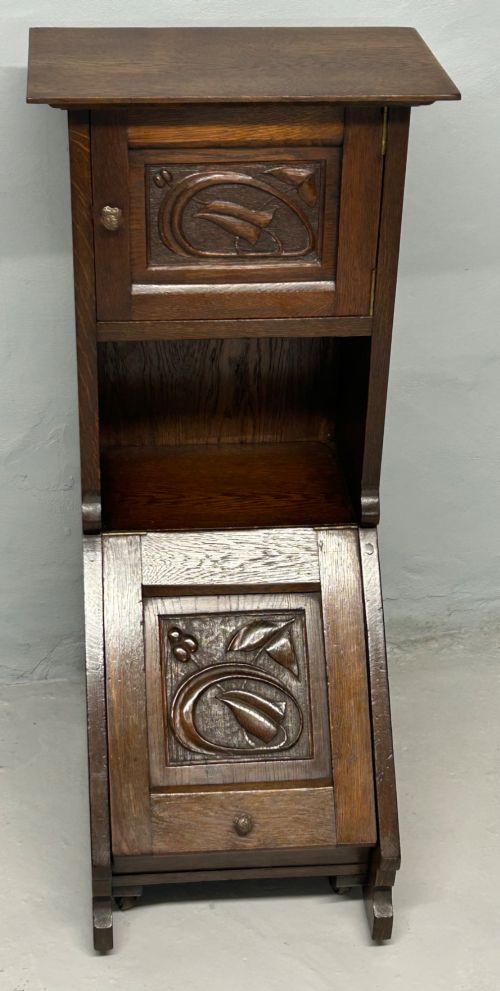
An Edwardian coal cabinet provides a neat domestic solution for storing household fuel beside the fireplace. These fireside pieces appear in various forms on this page, including purdoniums, scuttles, and freestanding cabinets.
Most examples date from the Edwardian period or the late nineteenth century, reflecting the domestic habits of the era. Makers utilised durable timbers to house a metal liner designed to contain coal dust and ash.
Alongside traditional wooden cabinets, the selection includes related fireside items such as smokers' cabinets and companion sets. Each piece serves to keep the hearth tidy while displaying period craftsmanship.
How they were made
Cabinet makers constructed these pieces primarily from solid hardwoods such as oak, mahogany, and rosewood. Selected panels frequently feature decorative marquetry inlay or carved detailing to enhance the exterior appearance.
Functional metal components, including brass handles, hinges, and ormolu mounts, provide both mechanical support and visual contrast. Internal metal linings protect the surrounding wood from moisture and debris associated with coal storage.
Edwardian Coal Cabinet Retail Price Guide 2026
Typical asking prices for edwardian coal cabinet among the pieces listed under this phrase on Sellingantiques today, from the lower quarter to the upper quarter. They describe what is for sale here now, not the wider market.
One unexpected variant on this page takes the delightful form of a GWR coal wagon.
What varies in quality
The refinement of the timber and the crispness of the marquetry inlay define the upper tier of these pieces. Plain utilitarian boxes contrast with elaborate designs featuring detailed brass mounts and sophisticated cabinet work.
The survival of original internal liners and matching shovels distinguishes a complete piece from one that has lost its companion accessories over time. Structural integrity in the drop-front mechanism or tilting box action also marks a superior build.
The Edwardian Coal Cabinet Glossary
- Purdonium
- A specialised coal cabinet featuring a sloping drop-front or tilting box designed to dispense fuel easily. This form became particularly popular during the late Victorian and Edwardian eras.
- Marquetry Inlay
- Decorative woodwork created by fitting contrasting veneers into a prepared wooden surface. Craftsmen used this technique to produce floral or geometric patterns on cabinet doors.
- Ormolu
- Gilded bronze mounts applied to furniture for decorative effect. These metallic accents catch the firelight beside the hearth.
- Fireside Companion
- An accompanying tool or implement used for tending the fire. These items often match the metalwork of the coal cabinet.
Edwardian Coal Cabinet: Frequently Asked Questions
How do I use a coal cabinet today?
These cabinets serve well beside modern wood-burning stoves or decorative fireplaces. They provide concealed storage for kindling, logs, or household items.
The sturdy construction allows the top surface to function as a small display table for books or candles.
How do I date an Edwardian coal box?
Dating relies on the timber selection, decorative style, and construction methods visible on the piece. Edwardian examples often display lighter mahoganies, oak, and refined inlay work.
Earlier Victorian versions tend to feature heavier rosewood construction and more ornate revival styling such as Rococo or Art Nouveau influences.
Did these cabinets come with shovels?
Many original coal boxes included a purpose-made metal shovel stored in internal clips or a side compartment. Finding a piece with its matching shovel remains an appealing detail for collectors.
Not all surviving examples retain these original accessories due to the heavy daily use they endured.