




Edwardian Cluster Pendant
An edwardian cluster pendant brings together delicate gem settings and bright stones from the early twentieth century.
Edwardian Cluster Pendant
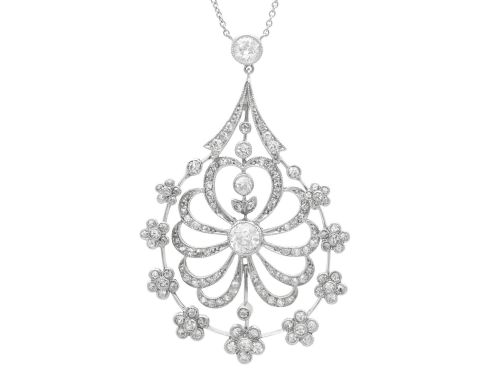
When you search for an edwardian cluster pendant, you look at fine early twentieth-century drop pieces and floral arrangements designed to sit on the chest. The selection here spans the Edwardian era alongside overlapping Victorian, Art Nouveau, and Arts and Crafts pieces.
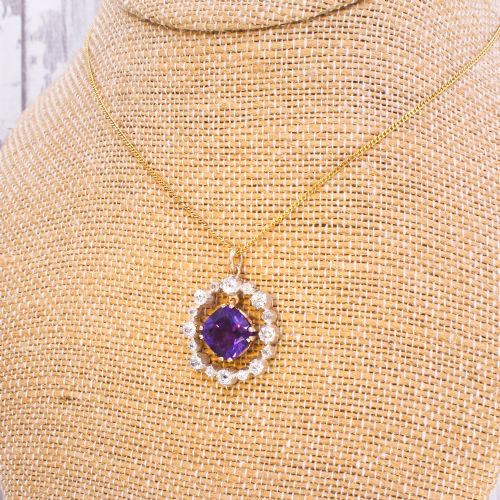
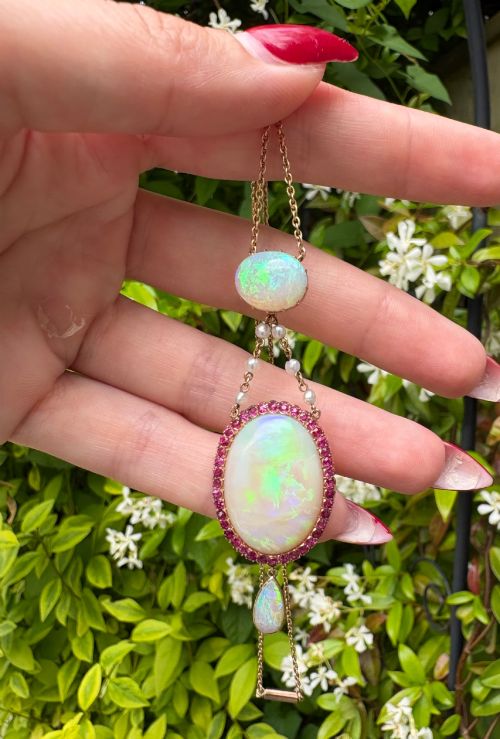
The most common forms on this page include flower brooches and pendants, star cluster designs, and delicate drop lavaliers. These pieces frequently combine central stones like amethyst, sapphire, ruby, or opal with surrounding tiers of diamonds or pearls.
Makers and designers from the period utilised varied mounts, ranging from traditional yellow gold to platinum and silver combinations. Many items double as pendants and brooches, offering versatile ways to wear early jewellery.
Materials and construction
Goldsmiths and jewellers built these clusters using gold, silver, and platinum. Platinum settings allowed for minimal metal visibility around diamonds, enhancing the brilliance of old-cut stones.
Makers incorporated gemstones such as diamond, amethyst, ruby, sapphire, opal, and seed pearl. Metal combinations, including silver-topped gold, remained common for securing stones effectively.
Hand-worked techniques defined the era, with open-backed settings and intricate wirework framing central gems. This construction maximised light entry into amethysts, pearls, and diamonds alike.
Edwardian Cluster Pendant Retail Price Guide 2026
Typical asking prices for edwardian cluster pendant among the pieces listed under this phrase on Sellingantiques today, from the lower quarter to the upper quarter. They describe what is for sale here now, not the wider market.
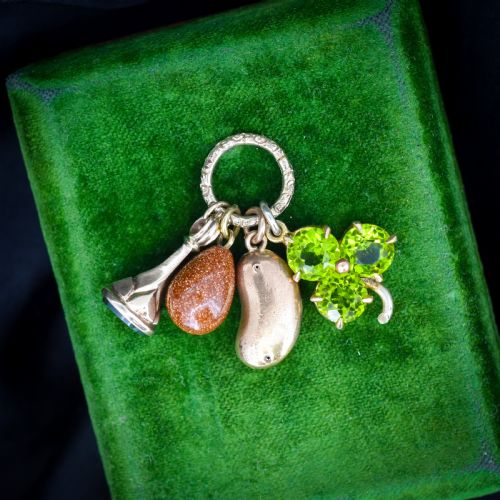
Some split rings come populated with tiny lucky charms, including an industrious little pig and a musical bugle.
Distinguishing quality in these pieces
Quality rests in the harmony of stone proportions and the crispness of the surrounding cluster work. Finer examples display well-matched gems and secure, precise settings that hold stones without excessive bulk.
The selection of materials dictates the upper tier of the range, particularly platinum mounts paired with old-cut diamonds and natural pearls. Greater refinement shows in the delicacy of the floral or star motifs and the preservation of original mounts.
Dorrie Nossiter
The Edwardian Cluster Pendant Glossary
- Cluster pendant
- A central gemstone surrounded by a tier of smaller stones, designed to be suspended from a neck chain.
- Old cut
- A traditional diamond cut featuring a small table, high crown, and deep culet, common in early twentieth-century jewellery.
- Seed pearl
- A tiny, naturally small pearl often used in delicate floral or star cluster arrangements.
- Lavalier pendant
- A necklace featuring a suspended gemstone drop, often swinging freely beneath a decorative connector.
Edwardian Cluster Pendant: Frequently Asked Questions
What is an edwardian cluster pendant?
An edwardian cluster pendant is a decorative jewel featuring a central stone framed by smaller gems, typical of the early twentieth century.
These pieces were worn close to the neck on fine chains and often doubled as brooches.
How do I wear these pendants?
These pendants sit well on simple chains that allow the central cluster to draw the eye.
Many examples feature conversion mechanisms enabling them to be pinned to garments as well as hung around the neck.
What stones are used?
Common stones include diamonds, amethysts, sapphires, rubies, opals, and seed pearls.
Makers frequently set these gems in combinations of gold, silver, and platinum.
How can I tell the period?
Dating relies on metal combinations, cut styles like old-cut diamonds, and characteristic motifs such as stars and flowers.
Design traits from related movements like Art Nouveau and Arts and Crafts also help date the work.