

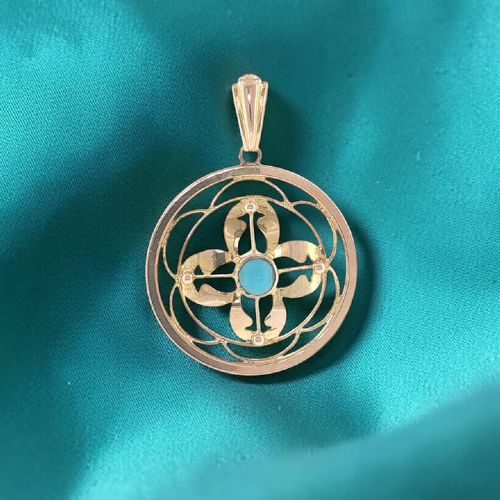


Edwardian Filigree Pendant
An edwardian filigree pendant offers delicate wirework and precious stones, bringing refined period elegance to any collection.
Edwardian Filigree Pendant
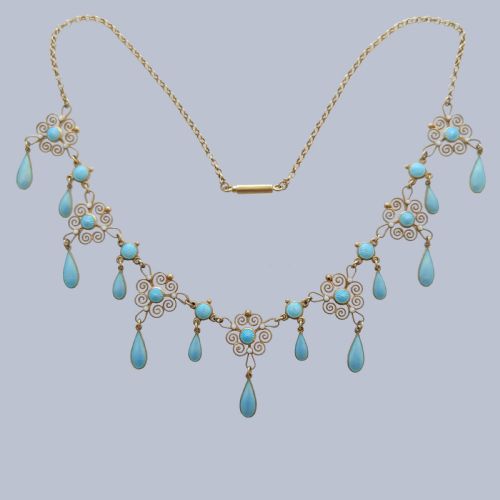
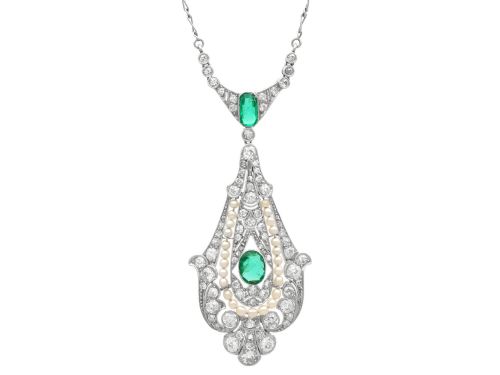
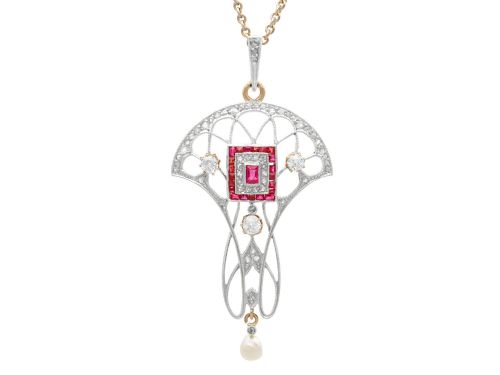
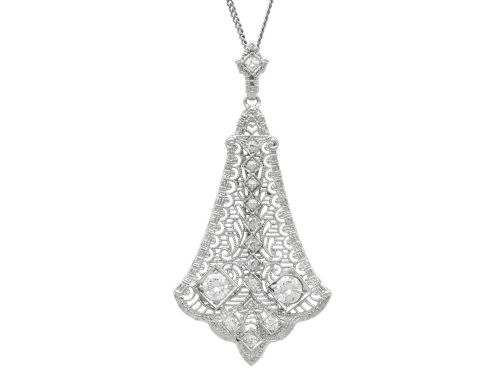
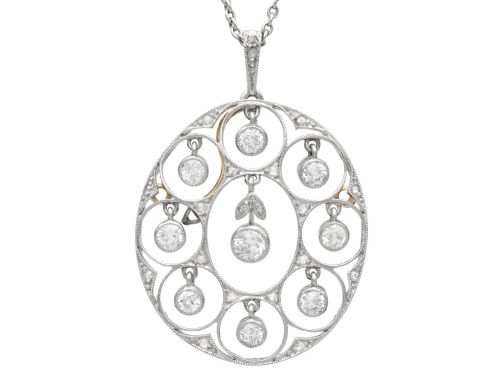
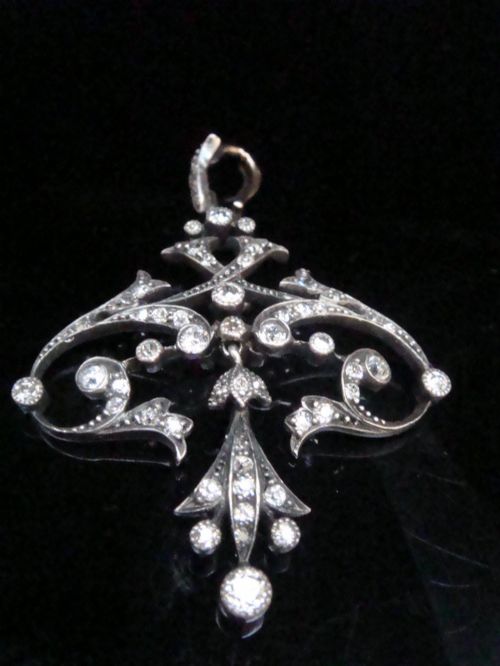
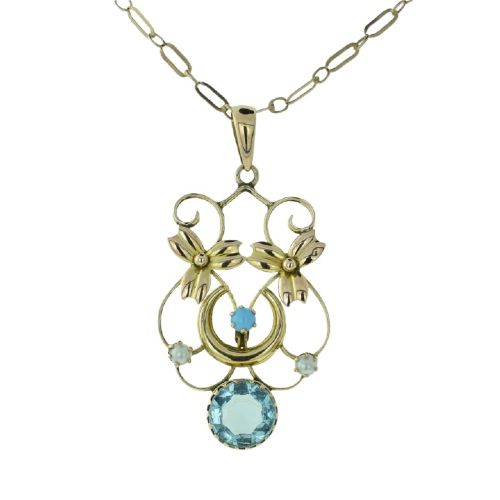
When searching for an edwardian filigree pendant, buyers encounter delicate openwork jewellery that bridges the turn of the twentieth century and the art deco era. These pieces often feature intricate metal threads soldered into lace-like patterns, frequently incorporating drops, lavalier designs, or central gemstone settings.
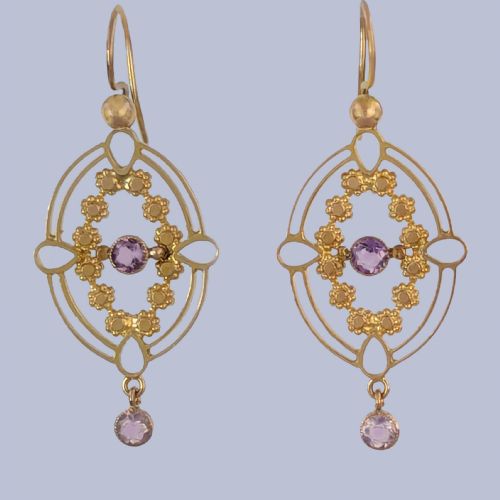
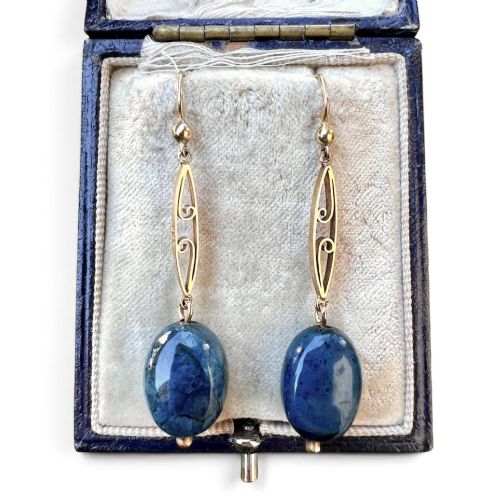
The selections span multiple periods, with genuine Edwardian examples appearing alongside Victorian, Art Nouveau, Arts and Crafts, and Art Deco variations. Forms range from traditional pendants and necklaces to lockets and drop earrings, showing a rich variety of early twentieth-century design vocabulary.
How they were made
Craftsmen built these pieces using fine silver, platinum, and various gold karats, including nine-carat and eighteen-carat white and yellow gold. Fine wires of metal were twisted and shaped by hand to create intricate openwork backgrounds.
Makers set diamonds, seed pearls, turquoise, amethyst, and tourmaline within the delicate metal frameworks, often utilising bezel or collet settings to secure the stones safely.
Edwardian Filigree Pendant Retail Price Guide 2026
Typical asking prices for edwardian filigree pendant among the pieces listed under this phrase on Sellingantiques today, from the lower quarter to the upper quarter. They describe what is for sale here now, not the wider market.
What varies in quality
The distinction between standard examples and finer pieces lies in the precision and complexity of the metal wirework. Tightly soldered, balanced filigree designs require greater skill than simpler stamped or coarser constructions.
Material selection also defines the tier of a piece, with platinum and higher-carat golds paired with better-cut diamonds or natural pearls commanding greater appreciation than silver and paste combinations.
The Edwardian Filigree Pendant Glossary
- Filigree
- Fine wirework soldered into open, lace-like patterns. This technique defines the visual character of the jewellery.
- Lavalier
- A pendant featuring a suspended drop stone or secondary ornament. It hangs freely from a main decorative section.
- Old cut
- A diamond facet style popular before modern brilliant cuts were standardised. These stones feature smaller tables and larger culets.
- Seed pearl
- Very small natural or cultured pearls used as accents. They are often drilled and threaded onto tiny pins.
Edwardian Filigree Pendant: Frequently Asked Questions
How do I clean an antique pendant?
Use a soft brush with warm water and mild soap to remove surface dust from the metal and stones.
Avoid harsh chemical dips, especially on pieces containing soft gems like pearls or turquoise.
Are these pieces suitable for daily wear?
Many fine pendants withstand regular use if handled with reasonable care during activities.
Delicate wirework and antique settings benefit from removal during strenuous tasks or sports.
How can I tell Edwardian from Art Deco?
Edwardian pieces favour flowing floral motifs, platinum, and soft white diamonds in lace-like arrangements.
Art Deco designs introduce geometric symmetry, stylised lines, and stronger contrasts in metal and stone colour.
What is a lavalier pendant?
A lavalier is a specific necklace style featuring a central decorative element with one or more hanging drops.
Popularised in the early twentieth century, they often swing gently on fine chain links.