


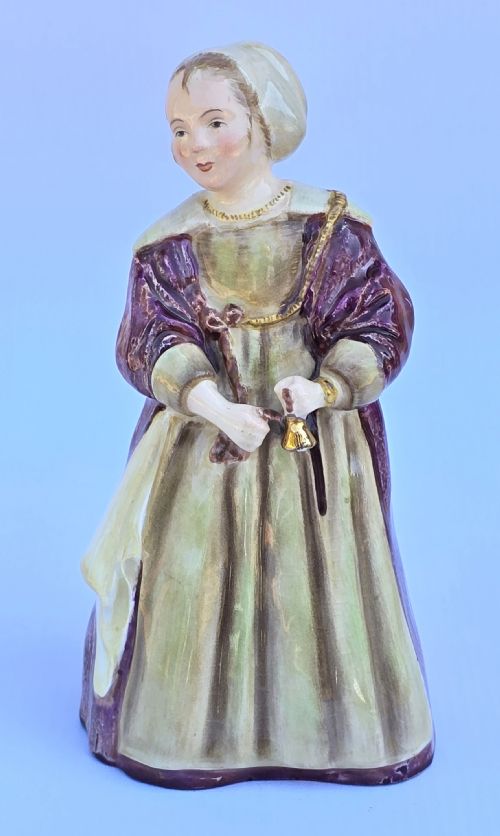


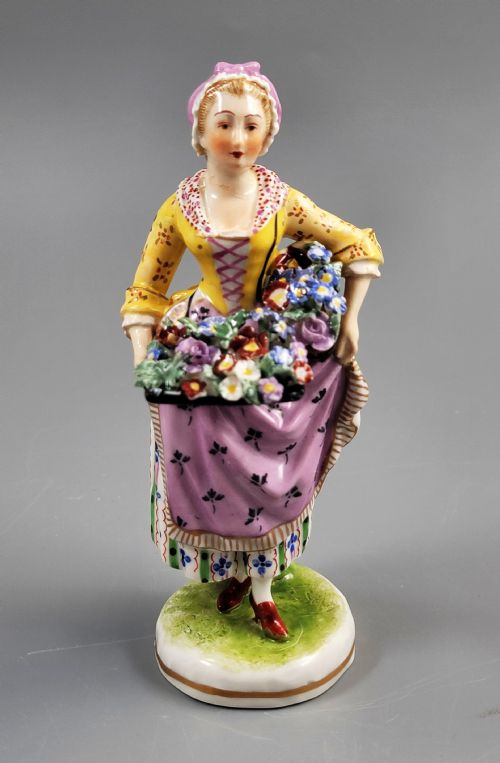


Edwardian Ceramic Figurine
An edwardian ceramic figurine brings sculptural grace and painted detail into a room, capturing human and animal forms from early twentieth-century life.
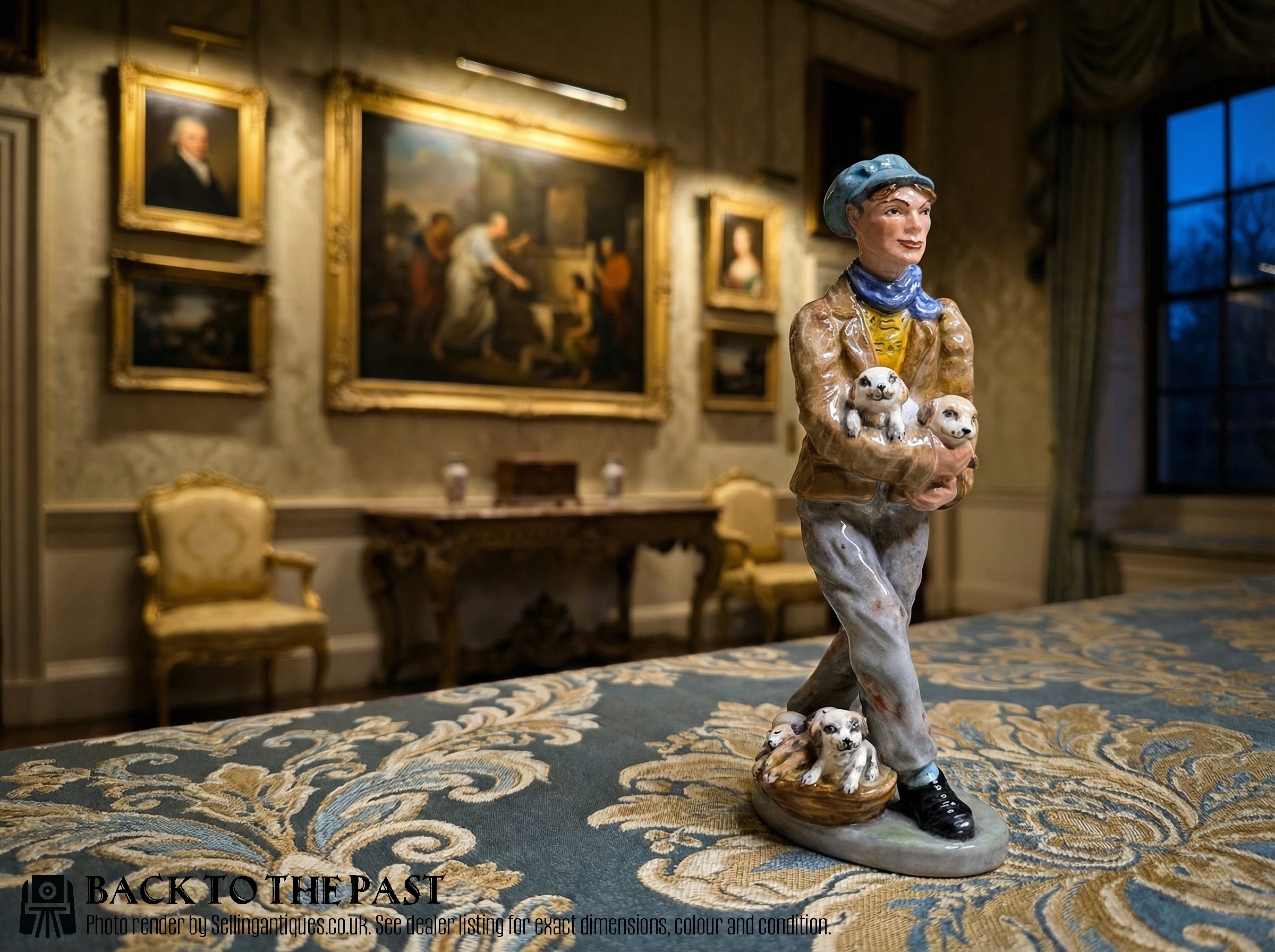
Edwardian Ceramic Figurine
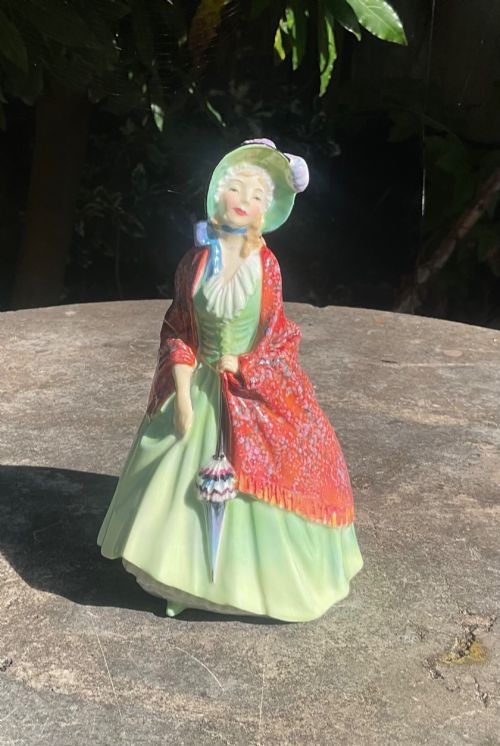
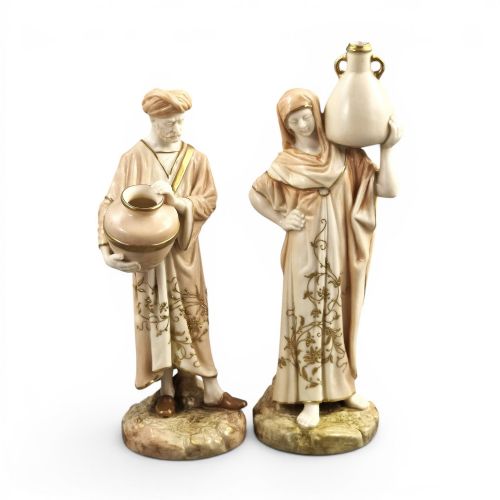
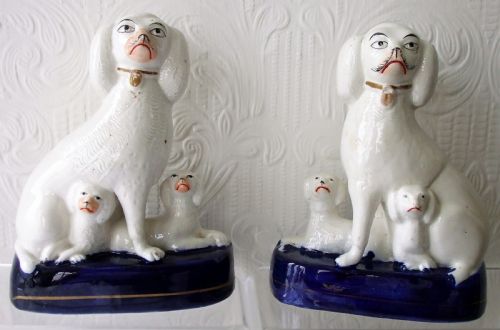
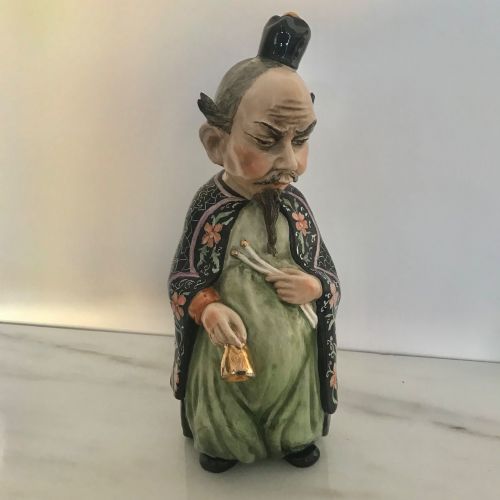
An edwardian ceramic figurine represents the sculptural output of the early twentieth century, spanning domestic figures, water carriers, flower sellers, and children. Buyers seeking an edwardian ceramic figurine encounter works ranging from large allegorical water nymphs to pairs of figures carrying puppies and kittens.
The selections on this page draw from the Edwardian era alongside surrounding periods like the nineteenth century and the nineteen-thirties. Forms extend beyond standard statues into functional or decorative objects such as posy holders, spill vases, candlesticks, and powder boxes.
Origins vary across English potteries, Bohemian works, German salon porcelain, and continental makers. The examples present varied stylistic influences including Art Nouveau curves and Rococo Revival details alongside traditional pottery traditions.
What varies in quality
The crispness of the modelled detail distinguishes finer pieces from simpler productions, particularly in the rendering of hands, facial expressions, and textile folds. Sculptural depth in group pieces and larger figures requires precise control during the firing process.
The application of paint, enamel, and gilt determines visual richness. Hand-painted precision and balanced colour palettes separate standard commercial outputs from ambitious studio and factory creations.
Listings feature porcelain, earthenware, and bisque materials decorated with enamel, glaze, and gold leaf across the Edwardian era and adjacent nineteenth and twentieth-century periods.
Royal Doulton·Royal Dux Bohemia·Royal Worcester·James Hadley·Krister KPM Waldenburg·Wedgwood and Co Ltd·Volkstedt·Dressel Kister und Cie·Ernst Wahliss·Limoges·Royal Bayreuth
The Edwardian Ceramic Figurine Glossary
- Bisque
- Unglazed porcelain with a matte, biscuit-like texture. This surface finish highlights delicate modelling in figures without the glossy reflection of traditional glaze.
- Spill vase
- A small decorative container designed to hold wooden spills used for lighting candles or fires. These vessels often incorporate figurative elements into their design.
- Posy holder
- A small vessel intended for displaying short-stemmed flowers or small nosegays. They frequently take the form of figures holding baskets or standing beside natural containers.
- Blush ivory
- A soft, creamy porcelain finish developed by Royal Worcester. It combines tinted glazes with raised gilding to create a warm, matte appearance.
Edwardian Ceramic Figurine: Frequently Asked Questions
What is an edwardian ceramic figurine?
An edwardian ceramic figurine is a small decorative sculpture made of porcelain, earthenware, or bisque during the early twentieth century. These pieces depict human figures, animals, and allegorical scenes created for domestic display.
They often reflect stylistic movements of the period such as Art Nouveau. Many served purely decorative purposes while others doubled as posy holders or spill vases.
How were these figures used at home?
Owners placed these figures on mantelpieces, side tables, and cabinets to add colour and elegance to interior spaces. Some designs integrated practical uses, holding candles, matches, or small floral arrangements.
Pairs of figures often balanced mantel displays or decorated dining room sideboards. Their varied sizes allowed them to fit into both grand drawing rooms and modest parlours.
How do I tell different periods apart?
Periods are identified through a combination of material finishes, maker marks, and stylistic clues. Edwardian and early twentieth-century pieces frequently employ soft pastel tones and Art Nouveau curves.
Nineteenth-century examples tend towards heavier earthenware bodies or distinct Victorian Staffordshire styling. Later works from the nineteen-thirties show sharper geometric influences associated with Art Deco.