



Edwardian Carved Wooden Bench
An edwardian carved wooden bench brings solid craftsmanship and functional seating to an entrance hall or living space, offering period character built to last.
Edwardian Carved Wooden Bench
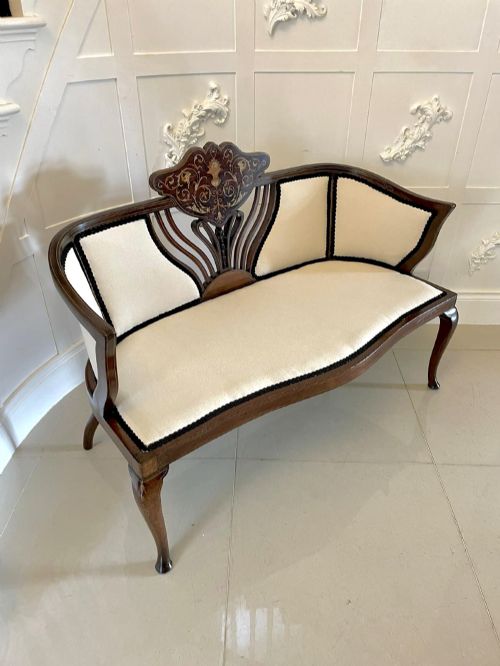
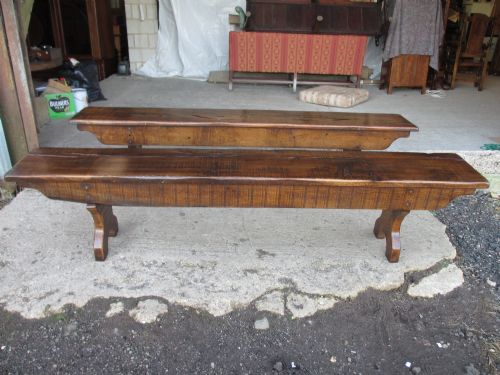
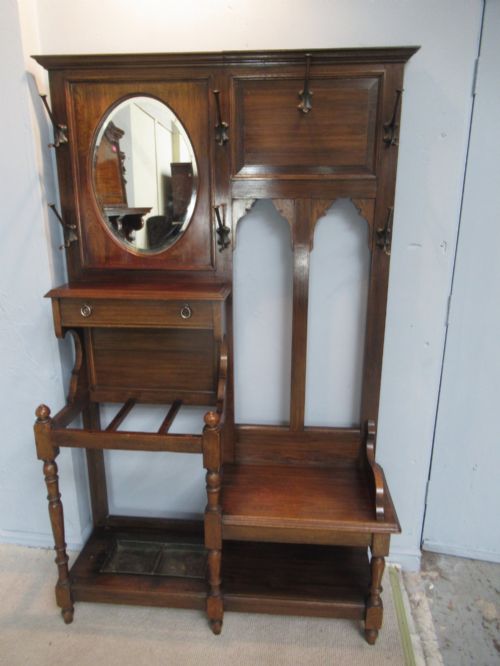
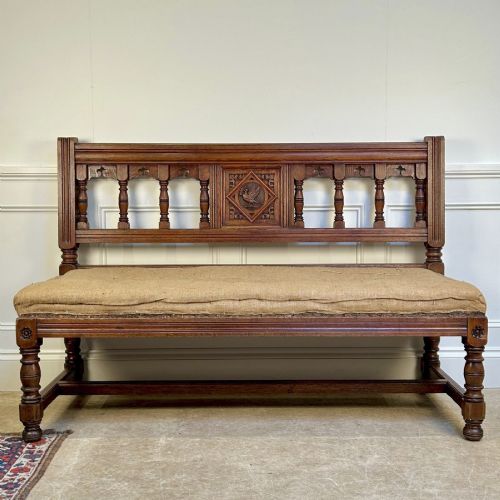
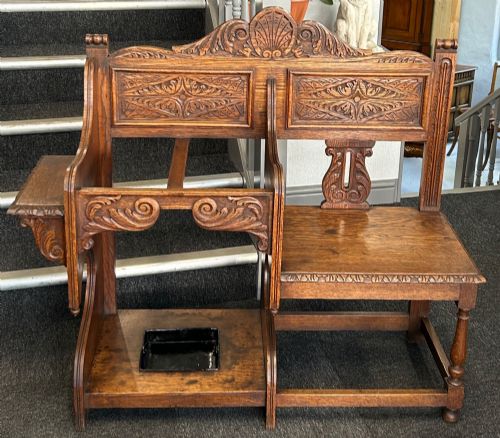
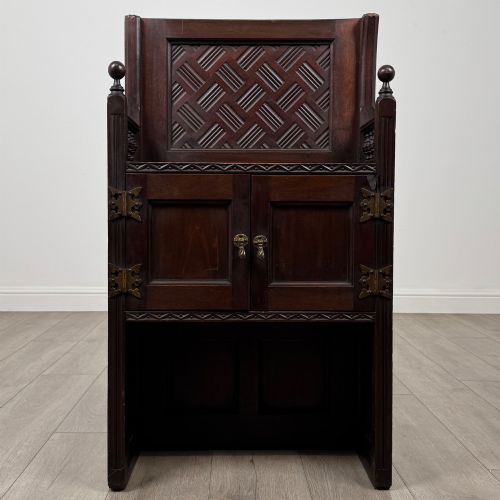
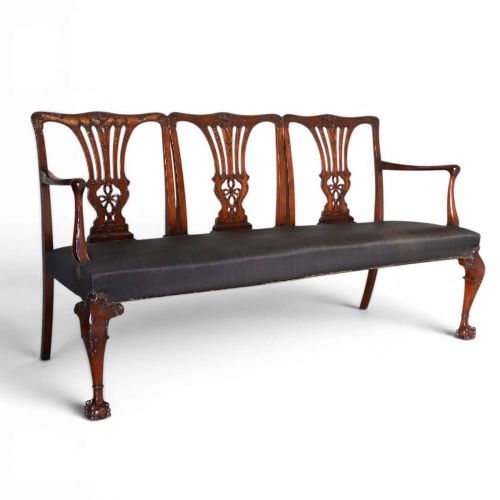
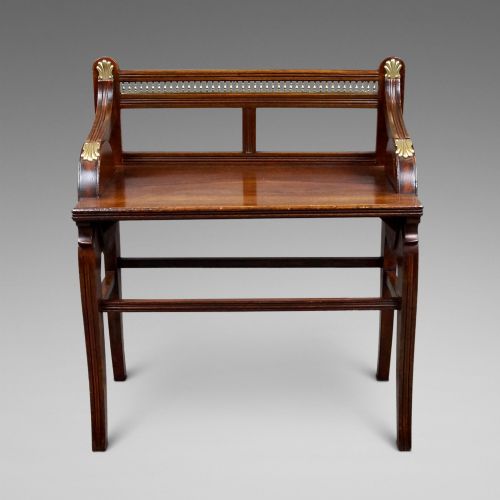
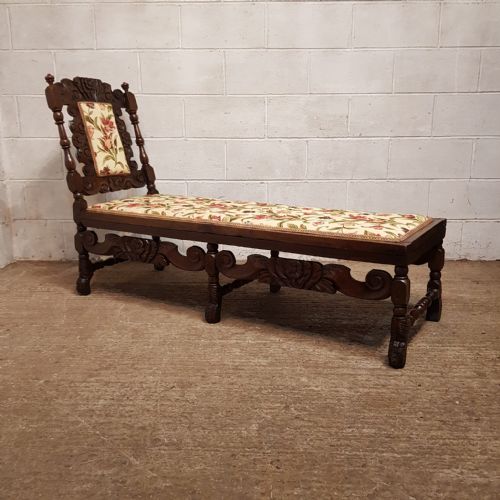
When you look for an edwardian carved wooden bench, you encounter sturdy hall seats, settles with storage, and occasional window seats shaped by the domestic needs of the early twentieth century. These pieces combine practical utility, such as lift-up lids or coat hooks, with decorative carving rooted in historical revivals.
While the label points to the Edwardian era, surviving examples frequently draw on Victorian proportions, Jacobean solidity, or Arts and Crafts simplicity. Oak and mahogany dominate the selection, often enriched with inlaid details or shaped trestle ends.
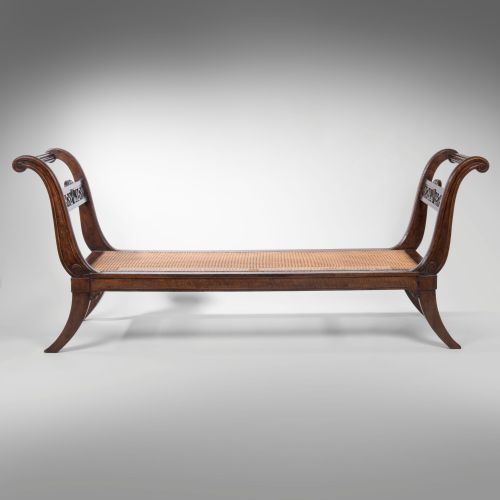
The most common formats on this page range from compact hall benches designed for narrow spaces to wider settees intended for country house reception rooms. Each variant reflects the period's preference for combining domestic comfort with architectural woodwork.
How they were made
Cabinet makers built these benches using traditional joinery, relying on pegged construction and solid timber rather than modern adhesives. Oak and mahogany provide the primary structural frame, selected for their grain and durability under daily use.
Carving was executed by hand or with machine assistance depending on the workshop scale, producing crisp foliage, linenfold panels, or strapwork motifs. Additional materials such as brass fittings, iron hooks, or fabric upholstery complete the functional design of hall stands and window seats.
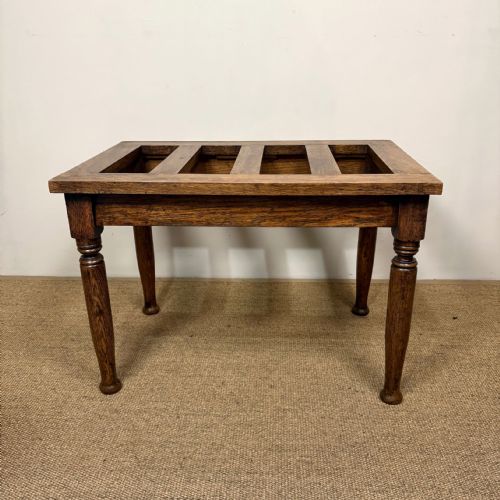
Many pieces combine seating with dual functions, appearing as hall stands, luggage stands, or storage settles.
What varies in quality
Quality rests in the selection of timber and the crispness of the carved detail. Dense, well-figured oak or rich mahogany with subtle inlay demonstrates a higher grade of manufacture than plain utility pieces.
Structural integrity also separates standard items from exceptional ones. Tight joints, original brass or iron hardware, and balanced proportions show that a maker invested care in the construction rather than rushing production.
Gillows·Jas Shoolbred·Shapland & Petter·Liberty·Wylie Lockhead Manufacturers
The Edwardian Carved Wooden Bench Glossary
- Settle
- A wooden bench with a high back designed to block draughts, often featuring a hinged seat hiding a storage box beneath. They date back centuries but remain common in Edwardian revival forms.
- Pegged construction
- A method of joining timber sections using wooden pegs rather than metal nails or screws. This traditional technique allows wood to expand and contract naturally with temperature changes.
- Trestle ends
- Support structures at either end of a bench or table consisting of vertical posts joined to a horizontal base. They distribute weight evenly and provide a stable foundation for heavy seating.
- Inlay
- A decorative technique where contrasting woods or materials like satinwood are inserted into recesses cut into the primary surface. It creates flat patterns and highlights the grain of the base timber.
- Arts and Crafts
- A design movement prioritising traditional craftsmanship, simple forms, and visible construction methods over mass-produced ornamentation. Pieces from this tradition often feature unpretentious oak surfaces and honest joinery.
Edwardian Carved Wooden Bench: Frequently Asked Questions
How do I care for wooden benches?
Keep wooden furniture away from direct heat sources and strong sunlight to prevent the timber from splitting or fading. Regular dusting with a dry cloth maintains the finish.
Apply a traditional beeswax polish occasionally to nourish the grain and protect the surface. Avoid using silicone sprays that build up residue over time.
Are these benches comfortable to sit on?
Most wooden hall benches and settles provide firm, upright seating intended for brief use rather than lounging. Adding a loose squab cushion improves comfort for longer sitting periods.
Upholstered window seats and padded settees offer softer support built directly into the frame. Check the webbing and padding condition if the piece retains its original upholstery.
How do I date an antique wooden bench?
Examine the timber species, construction methods, and decorative style to determine the period. Edwardian pieces often combine lighter proportions with earlier revival motifs like Jacobean strapwork or Arts and Crafts simplicity.
Tool marks, fixings, and maker stamps or labels provide definitive clues. Comparing the piece against documented examples from known cabinet makers helps narrow down the decade of manufacture.