
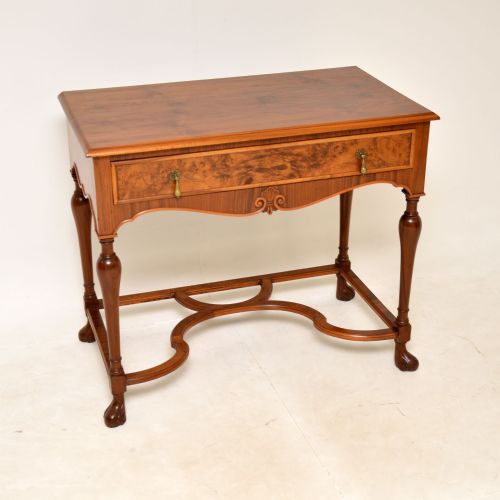

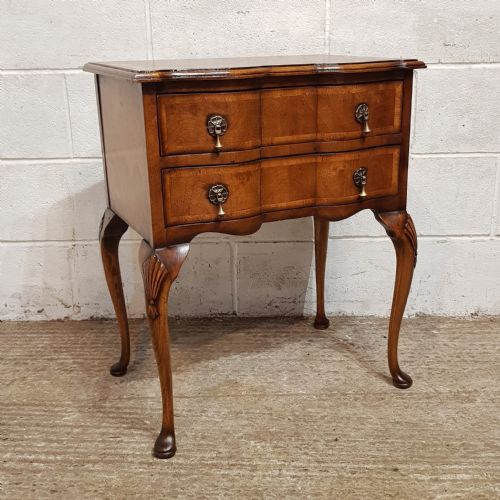


Edwardian Carved Walnut Drawers
Edwardian carved walnut drawers bring rich timber grain and period utility to a room, offering sturdy storage with refined historic character.
Edwardian Carved Walnut Drawers
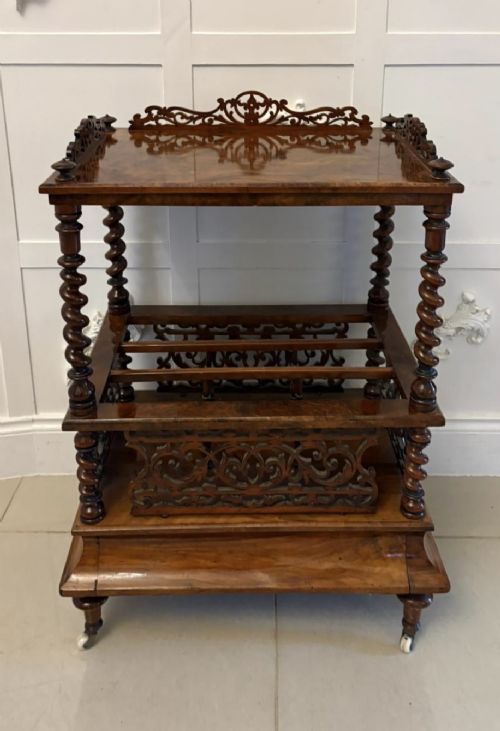
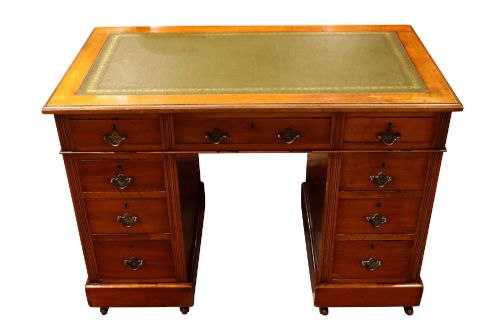
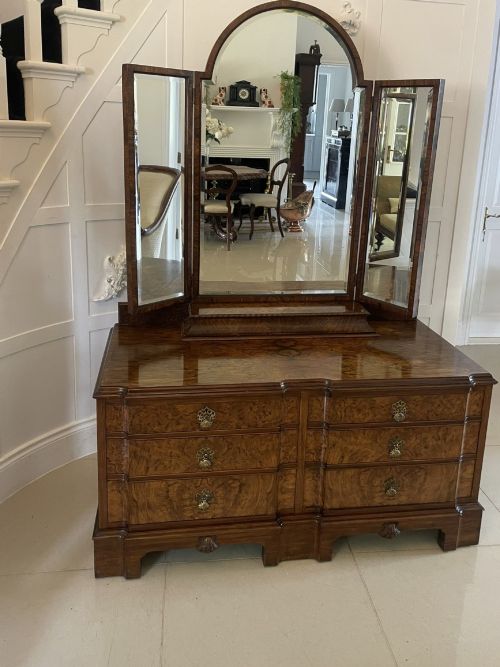
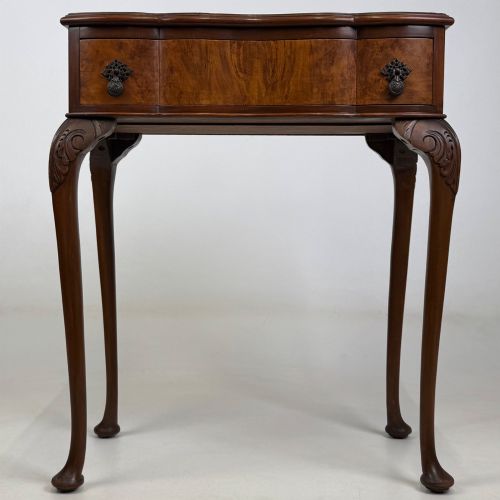
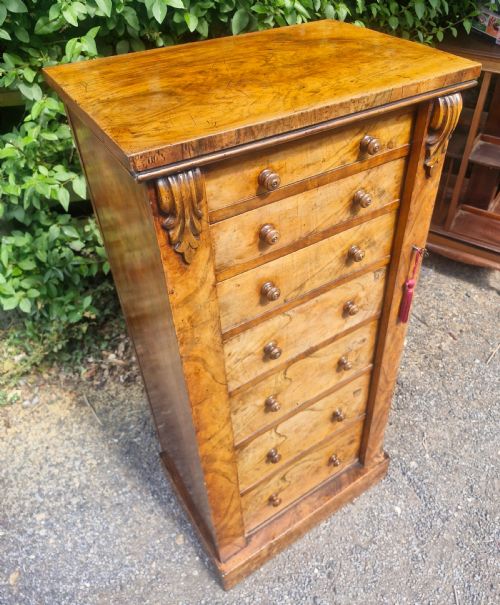
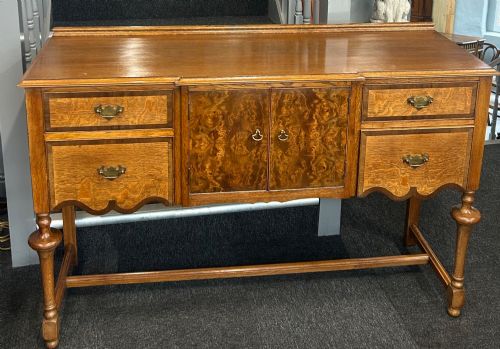
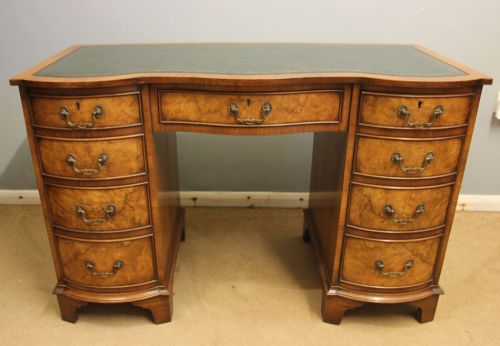
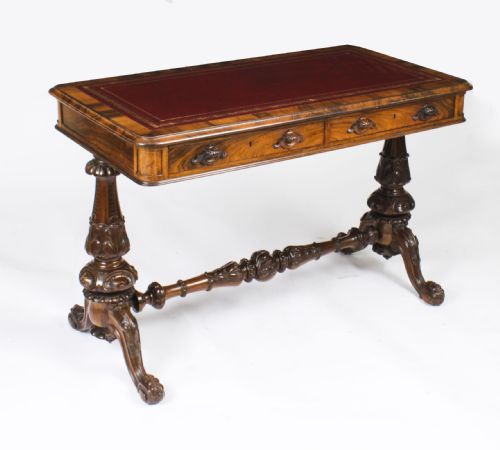
The pieces on this page demonstrate the enduring appeal of figured timbers, ranging from small serpentine-fronted side tables to robust combination wardrobes and kneehole writing desks.
While specific forms vary from Davenport desks to console tables, the walnut construction provides a consistent warmth and depth of tone valued in traditional interiors.
Materials and Construction
Cabinet makers utilised solid walnut and decorative burr veneers applied over secondary timbers, often accentuating the natural grain patterns with subtle carved details.
Internal components frequently incorporate secondary woods like ash, while brass hardware and occasional leather inserts complete the construction of desks and chests.
Pop-up Davenports hide tiny spring-loaded stationery compartments that spring into action like miniature architectural surprises when released.
Quality and Craftsmanship
The distinction between standard production items and superior pieces rests on the choice of figured timber, such as burr walnut veneers selected for balanced grain movement.
Refined execution appears in the crispness of any carved enrichment, the tight tolerances of drawer joinery, and the retention of original brass handles and fittings.
Edwards and Roberts·Gill and Reigate·Maple and Co·W J Mansell·WC Burt·James Winter and Son
The Edwardian Carved Walnut Drawers Glossary
- Burr walnut
- A veneer sliced from the knotty growth of a walnut tree, prized for its swirling, highly decorative grain pattern. It appears frequently on the drawer fronts and surfaces of finer case pieces.
- Davenport
- A compact form of writing desk featuring a sloping top above a bank of side drawers. This clever design maximises storage within a small footprint.
- Pedestal desk
- A sturdy writing table supported by two banks of drawers that reach down to the floor. These provide substantial workspace and partitioned storage.
- Serpentine front
- A furniture front curving outward in the centre and inward at the sides. This contour requires skilled carpentry to shape timber and veneer accurately.
Edwardian Carved Walnut Drawers: Frequently Asked Questions
What defines Edwardian furniture?
Edwardian pieces date from the reign of King Edward VII, spanning the early years of the twentieth century. They often draw inspiration from earlier Georgian and Queen Anne styles while maintaining lighter proportions.
Makers of this era combined traditional cabinet-making techniques with revival aesthetics, producing versatile desks, tables, and wardrobes suited to comfortable homes.
How do I identify burr walnut?
Burr walnut displays intricate, swirling patterns created by growths on the tree rather than straight timber grain. This veneer is typically matched symmetrically across drawer fronts for visual impact.
Closer inspection reveals natural clusters and eyes within the wood, which distinguish it from standard figured walnut surfaces.
Where should I place a pedestal desk?
Pedestal desks suit home studies, libraries, or spacious living areas where they can sit freestanding to showcase finished backs and sides. Their dual pedestals offer ample room for seated work.
Ensure adequate clearance around the desk for chair movement and drawer access before positioning the piece in a room.
Can I use a Davenport desk daily?
Davenport desks provide practical writing surfaces and concealed storage compartments that function well for modern correspondence and laptop use. Their sloping lids often lift to reveal fitted stationery pigeonholes.
Gentle daily use preserves the internal mechanisms and historic leather writing surfaces found on these compact Victorian and Edwardian examples.