





Edwardian Carved Table Clock
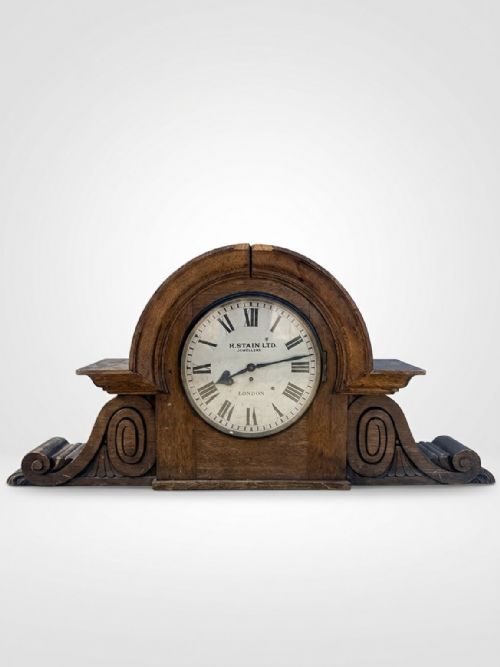
An edwardian carved table clock brings architectural presence and mechanical rhythm to a mantelpiece, combining period woodwork with dependable timekeeping.
Edwardian Carved Table Clock
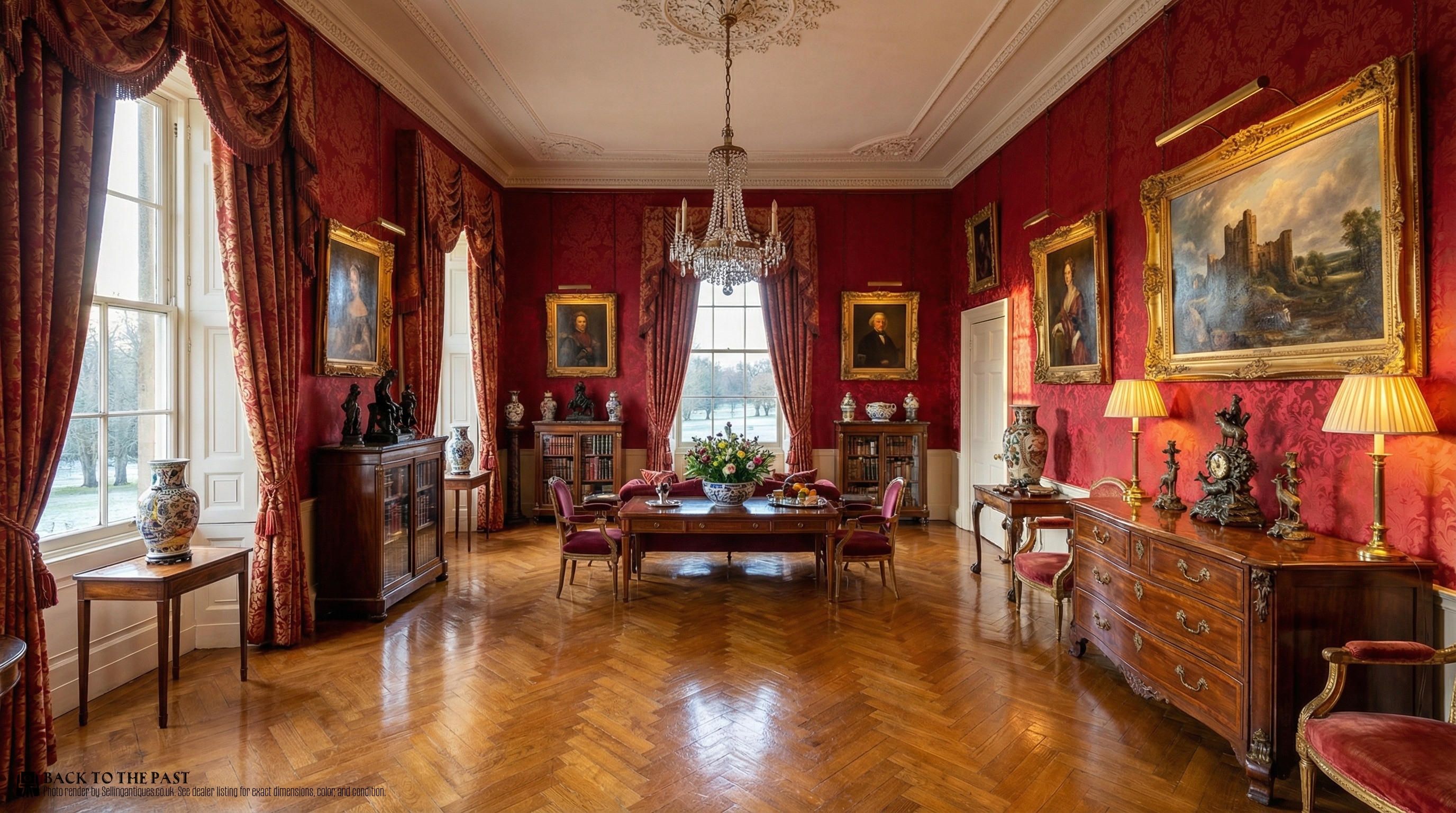
When searching for an edwardian carved table clock, a buyer encounters substantial mantel and bracket timepieces spanning the late nineteenth and early twentieth centuries. These domestic objects sit upon flat surfaces and range from compact chamber clocks to large boardroom pieces.
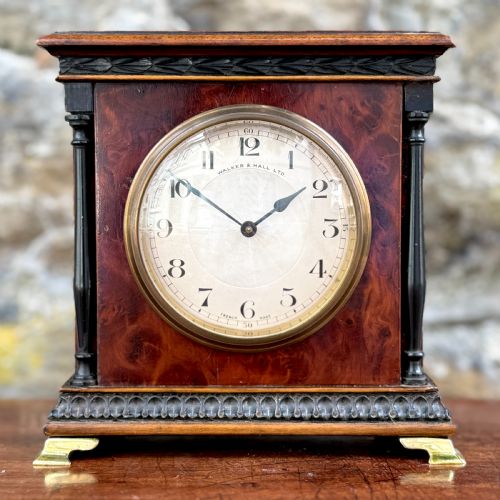
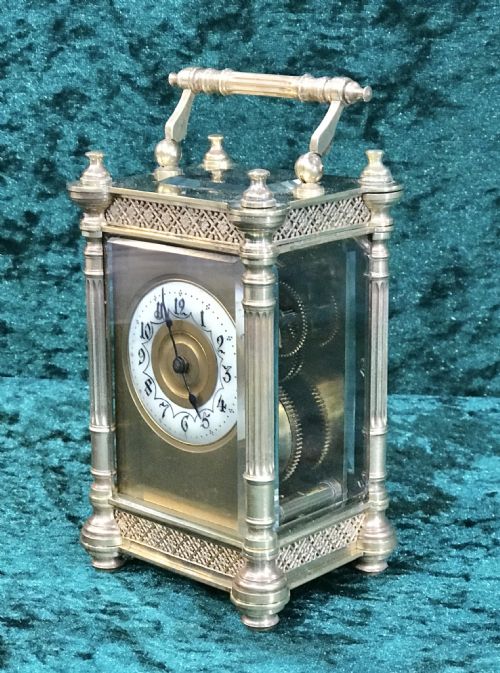
The versions most commonly met on this page belong to the Edwardian period and adjacent decades, taking forms such as bracket clocks, mantel clocks, and carriage clocks. They originate from British makers alongside continental workshops in Germany and France.
Makers housed these movements in timber cases displaying diverse stylistic influences, from plain architectural oak to flowing organic lines. Each specimen reflects the domestic tastes of its era through distinct dial layouts and casework proportions.
How they were made
Cabinets rely on hardwoods such as oak, mahogany, walnut, and burr walnut, shaped through hand carving and joinery. Makers inlaid contrasting timbers or mounted brass bezels and filigree metalwork around the enamel dials.
Mechanical movements driven by springs or chains animate the clockwork, frequently featuring striking trains or chime mechanisms. Glass panels protect the face while allowing visibility of the moving hands and escapement.
Some boardroom clocks are so loud they could wake the dead.
What varies in quality
Depth and precision in the timber carving set superior examples apart from standard production pieces, distinguishing crisp hand tooling from basic shaping. The complexity of the internal movement, such as double chain fusee or quarter-striking configurations, marks higher grade work.
Quality also resides in the selection of cabinet timbers, where figured burr walnut or dense oak shows careful grain matching. The integration of quality brass fittings and clean enamel dials completes a well-balanced piece.
Walker and Hall·Goldsmiths And Silversmiths·German H.A.C.
The Edwardian Carved Table Clock Glossary
- Bracket clock
- A portable spring-driven clock originally designed to sit on a wall bracket. They evolved into substantial freestanding mantel clocks.
- Fusee
- A conical pulley used in clock movements to maintain even driving force as the mainspring unwinds. This mechanism improves timekeeping accuracy.
- Carriage clock
- A small, spring-driven clock with a carrying handle, originally made for travellers. They typically feature glazed panels revealing the escapement.
- Enamel dial
- A clock face made by fusing powdered glass to a metal plate at high heat. These dials provide a durable, crisp white background for numerals.
- Ting-tang
- A striking mechanism that sounds two different notes on two bells or gongs to indicate the quarters of the hour.
Edwardian Carved Table Clock: Frequently Asked Questions
How do I wind an edwardian carved table clock?
Wind the clock using the appropriate key inserted into the winding holes on the dial face. Turn gently until resistance is felt, taking care not to overwind the mainspring.
Allow the movement to run down fully between services if the clock loses time or stops consistently. Consult a professional horologist for internal adjustments.
Where should I place a table clock?
Position the clock on a stable, level surface away from direct sunlight, draughts, and dampness. Mantelpieces, sideboards, and desks provide ideal stable platforms.
Ensure the surface does not vibrate excessively from household traffic, as level placement is crucial for the pendulum or balance wheel to beat evenly.
How do I tell an Edwardian clock from a Victorian one?
Edwardian clocks often exhibit lighter wood tones, simpler classical proportions, or flowing Art Nouveau motifs. Victorian examples tend to feature heavier carving and darker, more robust oak cases.
Examine the style of the dial numerals and the overall architectural ornamentation to gauge the period of manufacture.
What maintenance do these clocks need?
Keep the timber case clean with a soft dry cloth and avoid harsh chemical polishes. Movements benefit from professional oiling and cleaning every few years.
Avoid moving the clock without securing the pendulum or internal components where applicable to prevent damage to the delicate gear train.