




Edwardian Carved Oak Stool
These edwardian carved oak stool pieces combine solid timber and traditional joinery, offering both sturdy everyday utility and distinct period character.
Edwardian Carved Oak Stool
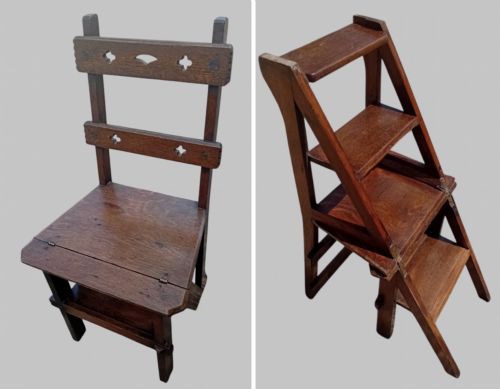
When you search for an edwardian carved oak stool, you encounter solid timber seating shaped by revivalist and arts and crafts movements. The versions met most often on this page span the late nineteenth century through to the nineteen twenties, embracing forms such as joint stools, footstools, and low seats.
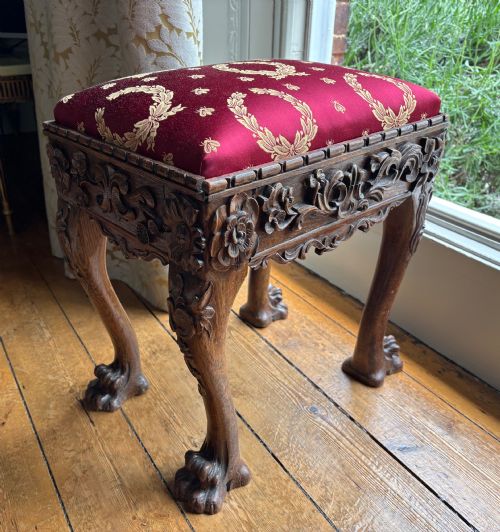
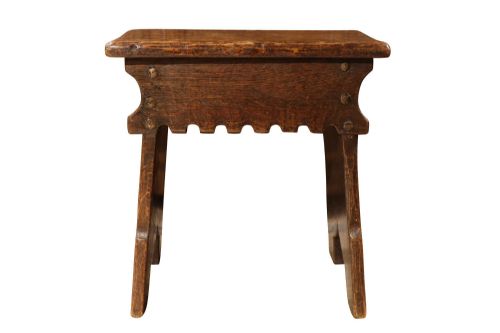
Makers of the period drew upon jacobean, neoclassical, and chippendale revivals, alongside rustic farmhouse and arts and crafts traditions. Examples range from simple pegged construction in English oak to elaborate pieces featuring carved lions heads or red damask upholstery.
How they were made
The construction relies heavily on solid oak, frequently augmented with pegged joinery for structural stability without metal nails. Secondary materials like brass mountings, fabric, leather, pine, elm, and damask appear on upholstered or enhanced variations.
Carving technique defines the surface ornamentation, utilising chip carving and relief work to render motifs inspired by earlier centuries. Workshops employed traditional turning for legs and stretchers, ensuring each frame withstood heavy daily domestic use.
Listings feature oak, brass, fabric, leather, pine, elm, and damask across multiple periods including Victorian and Edwardian.
What varies in quality
Quality separates simple utility furniture from ambitious workshop productions through the crispness of the hand carving and the selection of timber. Dense English oak with mature graining elevates a piece far above utilitarian items made from secondary woods.
The integrity of the pegged joints and the preservation of original upholstery materials, such as period damask or leather, determine the desirability of surviving examples. Refined proportion and restrained revival detailing mark out the superior specimens in this category.
James Shoolbred & Co.
The Edwardian Carved Oak Stool Glossary
- Joint stool
- A traditional wooden seat assembled with mortise and tenon joints rather than turned legs driven into a solid seat.
- Pegged construction
- A method of securing timber joints using wooden dowels or pegs instead of iron nails or modern screws.
- Jacobean Revival
- A nineteenth century decorative style imitating the heavy, geometric carved oak furniture of the early seventeenth century.
- Damask
- A reversible figured fabric woven on a jacquard loom, frequently utilised for period upholstery.
- Arts and Crafts
- A design movement valuing handcraftsmanship, simple construction, and the inherent qualities of natural materials.
Edwardian Carved Oak Stool: Frequently Asked Questions
How do I identify an Edwardian stool?
Edwardian seating typically exhibits lighter proportions than Victorian equivalents, often combining revivalist carving with simpler domestic utility.
Look for characteristic timber selection and traditional joinery methods that distinguish pieces made around nineteen hundred from later reproductions.
Are these stools suitable for daily use?
Solid oak construction and pegged joints provide exceptional structural stability, making these pieces robust enough for everyday seating.
Care should be taken with upholstered surfaces and antique textiles to preserve their original condition during regular use.
What styles influence these carved stools?
Designers drew heavily on earlier historical periods, producing pieces in jacobean, neoclassical, and chippendale revival styles.
Arts and crafts influences also appear, emphasising plain timber surfaces alongside rustic farmhouse forms and Victorian aesthetic movement details.
How do I care for antique oak?
Maintain the timber by applying traditional beeswax periodically to nourish the grain and protect the surface finish from drying out.
Keep wooden furniture away from direct heat sources and rapid humidity changes to prevent timber movement or splitting.