
Edwardian Carved End Table
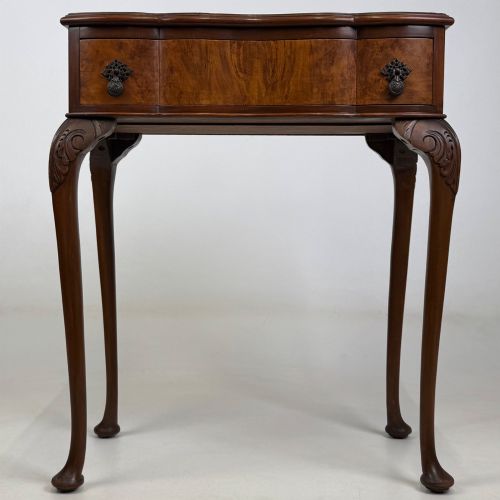
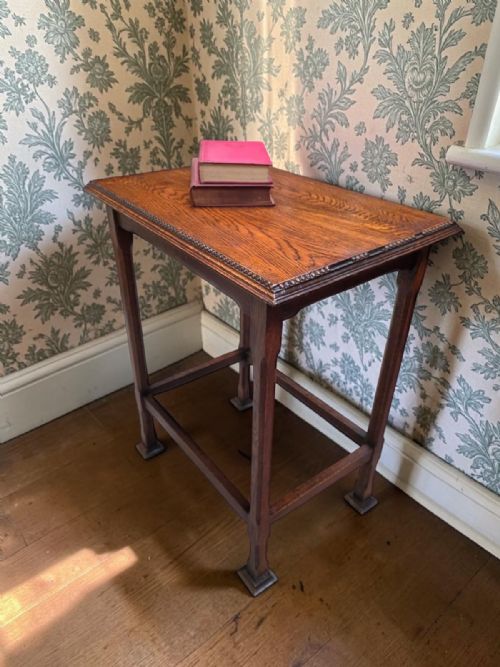
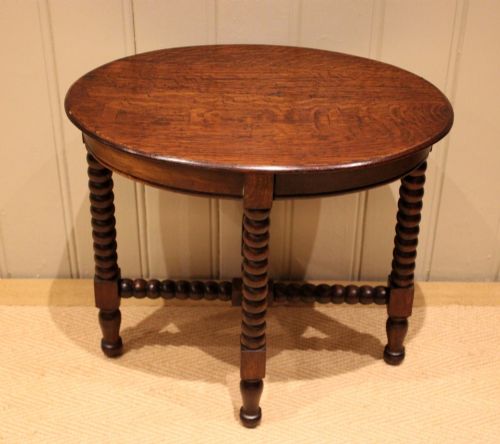
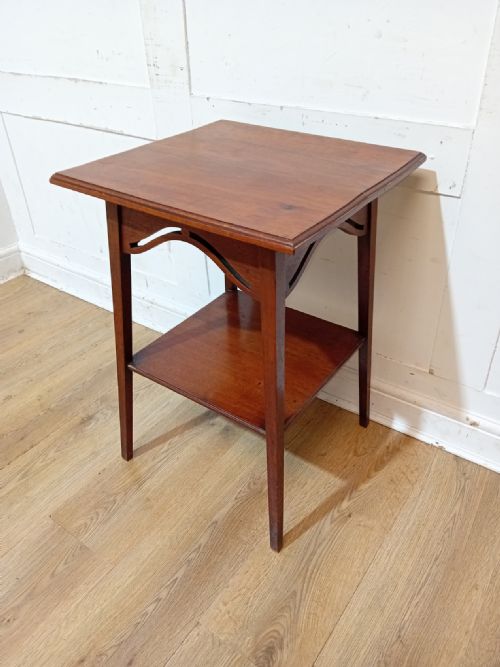
An edwardian carved end table brings refined timberwork and compact utility to a room, offering a surface designed for lamps, books and tea.
Edwardian Carved End Table
An edwardian carved end table encompasses small occasional and side tables originating predominantly from the early twentieth century, alongside related pieces spanning the Victorian and Regency eras. These items frequently manifest as lamp tables, nests of tables, and occasional stands positioned beside seating or within hallways.
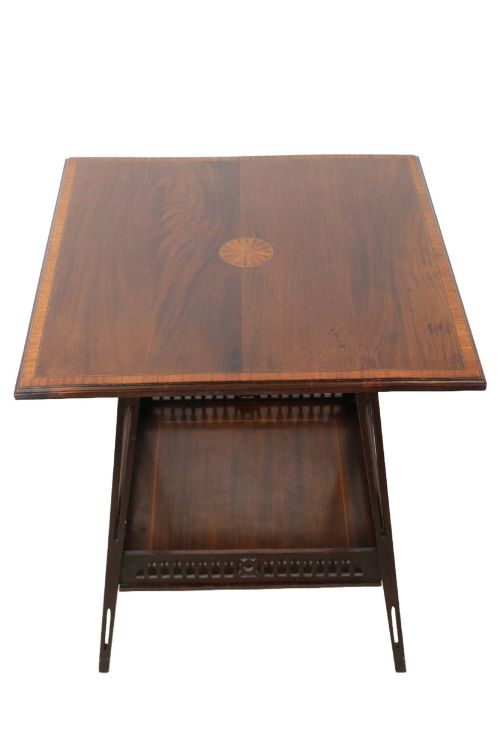
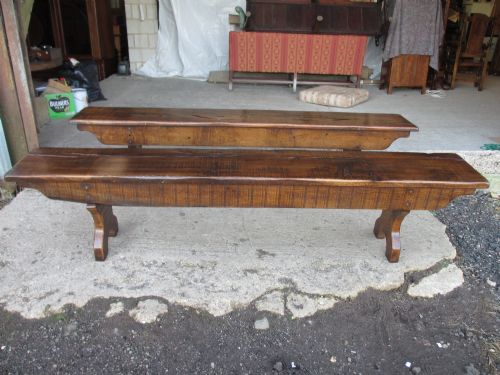
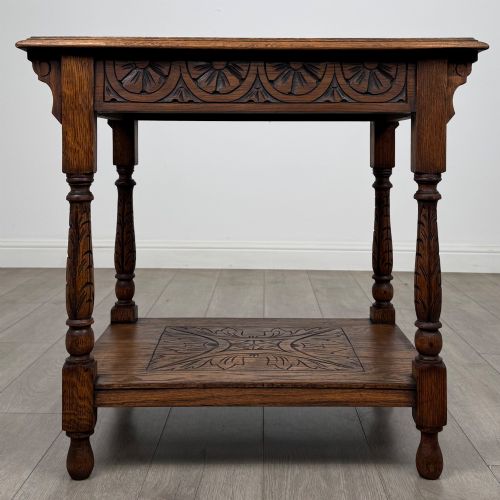
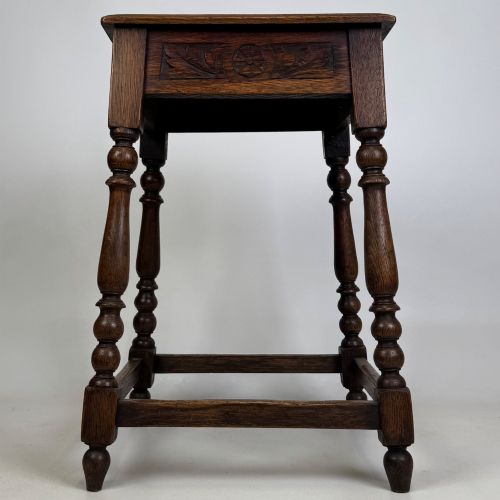
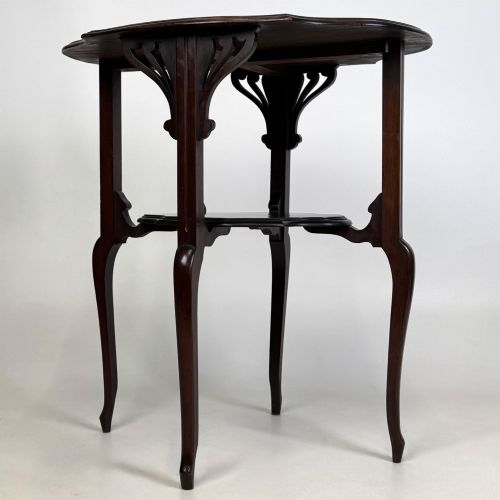
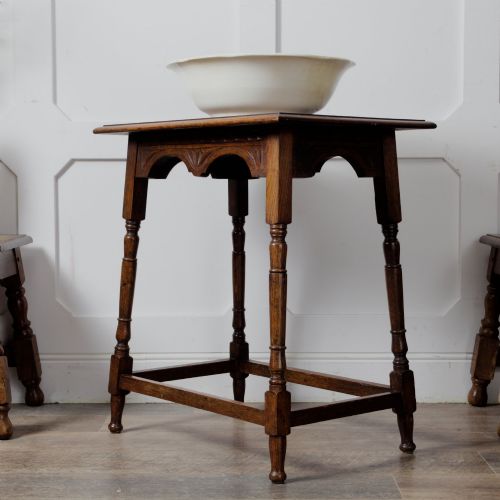
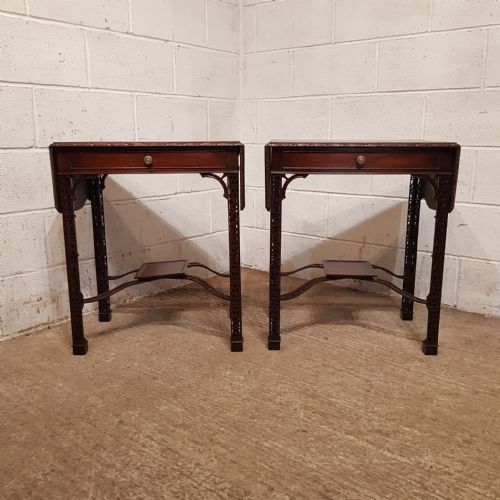
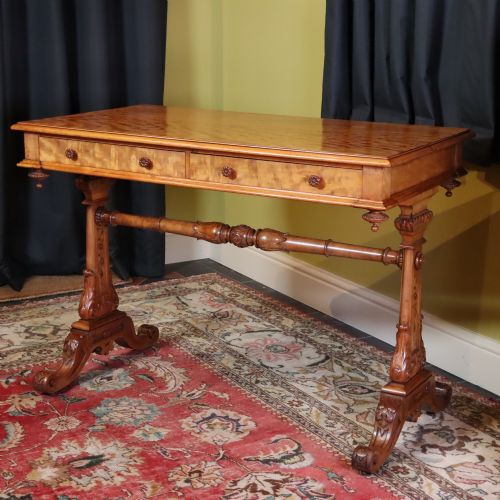
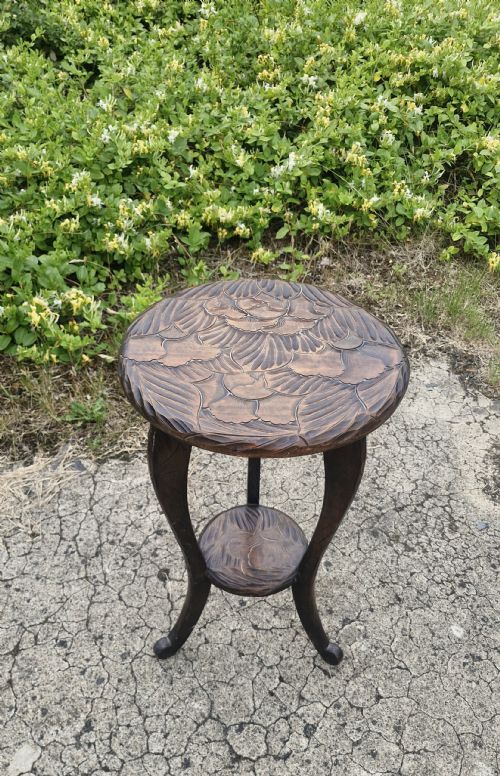
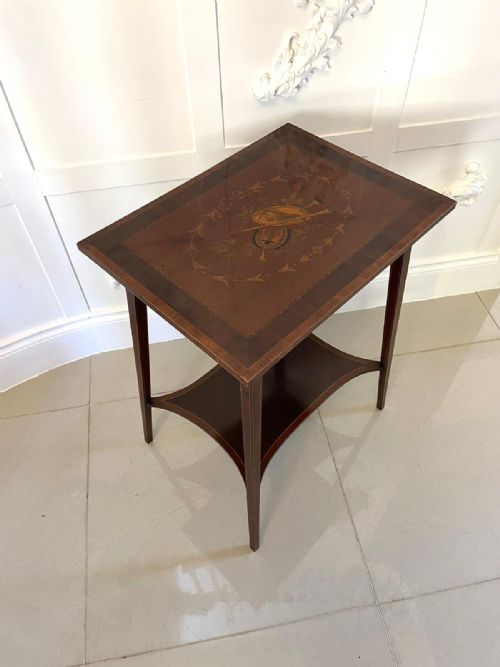
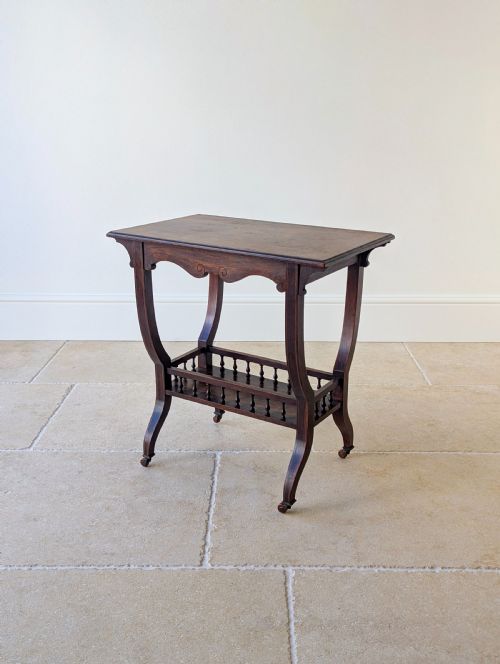
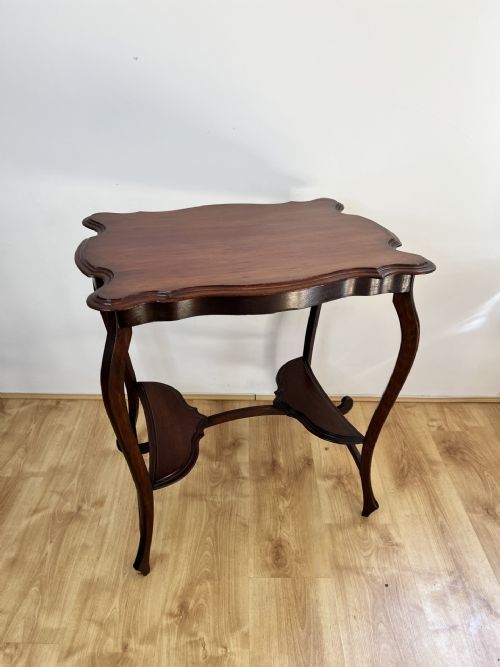
The selections on this page demonstrate the prevalent use of oak and mahogany, often enhanced by elaborate carving, fretwork, or inlaid borders. Forms extend from octagonal tables and drop-leaf designs to compact two-tier tables suited for domestic display.
Craftsmanship and Proportion
Quality rests upon the selection of timber and the precision of the carving, where crisply defined foliage and geometric patterns distinguish superior pieces from utilitarian work. The integrity of the frame, stability of joints, and subtlety of inlaid veneers determine the overall refinement of each table.
Proportion and execution differentiate standard production from exceptional examples, with finer pieces featuring balanced legs, well-figured tops, and original brass fittings without structural compromise.
Listings span multiple eras from the nineteenth to the twentieth century, featuring materials such as mahogany, oak, walnut, brass, and leather.
Trevor Page & Co·Liberty of London·Waring & Gillow·Fischel
The Edwardian Carved End Table Glossary
- Occasional table
- A small, portable table designed for a specific, transient use rather than a permanent central location in a room.
- Inlay
- A decorative technique where contrasting woods or materials are set into the surface of a primary timber to create patterns.
- Fretwork
- Openwork ornamentation carved or pierced through thin boards of wood to form decorative geometric or floral motifs.
- Drop leaf
- A table top with hinged flaps on one or both sides that can be folded down to reduce the footprint of the furniture.
Edwardian Carved End Table: Frequently Asked Questions
Where should I place an edwardian carved end table?
These tables fit easily beside armchairs, sofas, or beds where a small surface is needed for lamps or books. Their compact footprints also suit hallways and landings as display points for decorative objects.
Because they occupy minimal floor space, they integrate readily into both traditional and contemporary interiors without dominating a room.
How do I identify an edwardian carved end table?
Look for timber species like mahogany, oak, and walnut combined with hand-carved ornamentation that reflects early twentieth-century revival styles. Details such as satinwood inlay and shaped trestle ends often point to this specific period.
Construction methods and secondary woods inside drawers help confirm the era when compared against Victorian or later twentieth-century pieces.
Are these tables sturdy enough for daily use?
Solid hardwoods like oak and mahogany provide robust frames capable of supporting lamps, books, and everyday items. Proper joinery ensures the tables remain stable during normal domestic handling.
Care should be taken with delicate veneer work and applied carvings to prevent accidental impact damage over time.
How do I care for polished wood surfaces?
Maintain the finish by dusting regularly with a soft cloth and avoiding placement near direct heat sources or strong sunlight. Periodic application of appropriate wax polish preserves the sheen of the timber.
Keep liquids away from unprotected surfaces to prevent water rings and staining on antique polishes.