




Edwardian Calendar
These edwardian calendar pieces are functional desk accessories and wall fixtures designed to track days, offering both utility and period charm.
Edwardian Calendar
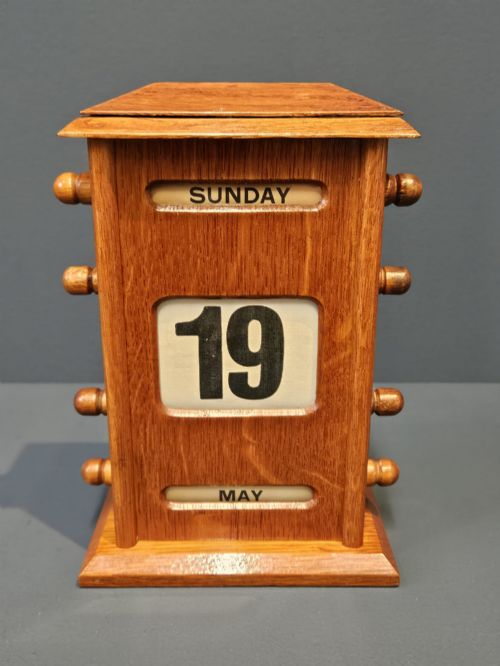
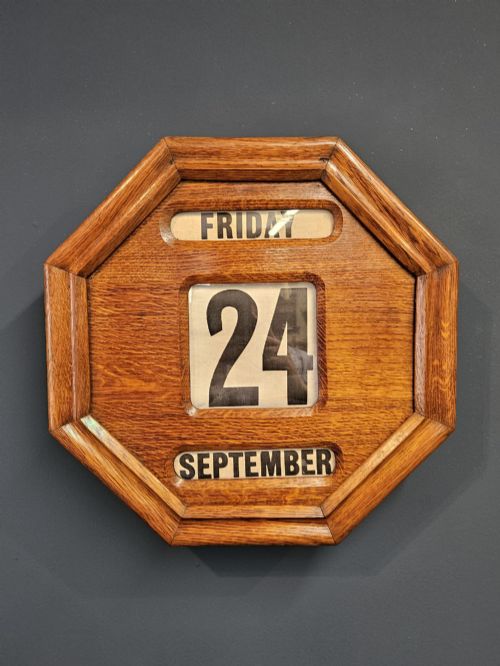
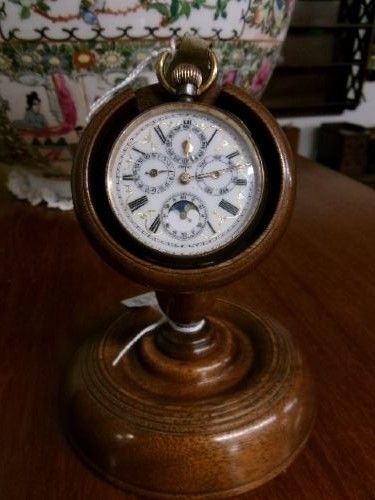
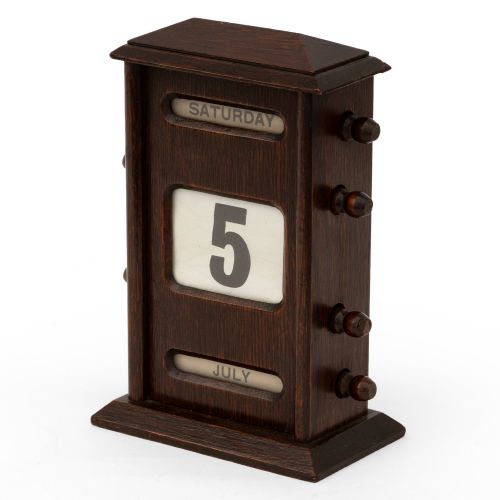
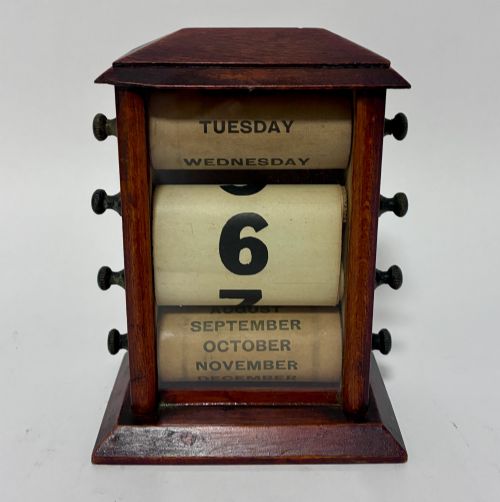
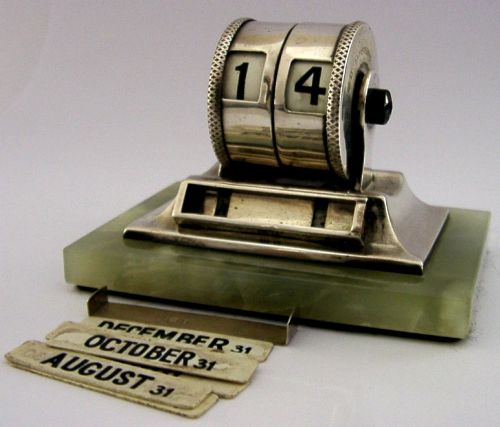
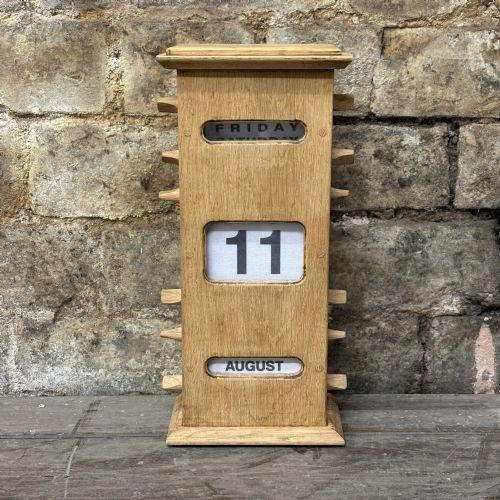
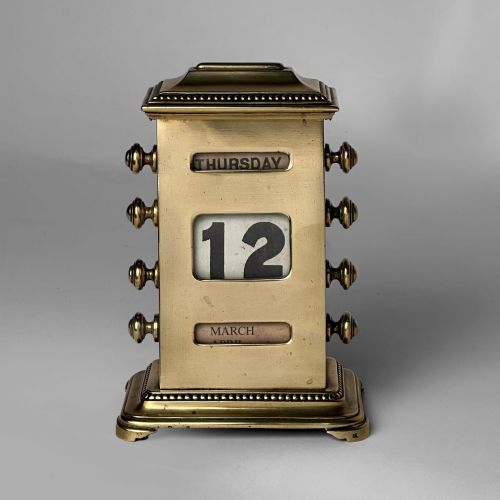
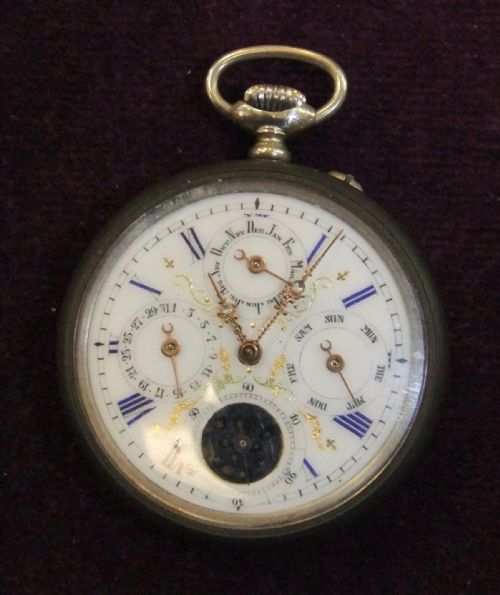
An edwardian calendar is typically found as a perpetual desk calendar, wall calendar, or incorporated into pocket watches and mantel clocks. The versions most commonly met on this page utilise materials such as oak, mahogany, brass, and sterling silver.
Makers from the period produced these date-keeping devices to sit upon office desks or hang in studies, frequently combining them with stationery cabinets or inkwells. Forms range from simple wooden blocks with movable cards to sophisticated brass mechanisms with moonphase displays.
The objects span desk accessories and wall calendars, reflecting the domestic and office requirements of the early twentieth century. Many retain their original paper date cards or enamel indicators, showing how time was managed over a century ago.
How They Were Made
Woods like oak and mahogany provide the structural frames for many desk calendars, shaped with mouldings or inlaid details that reflect prevailing Edwardian tastes. Brass and cast metal elements supply the mechanical components, card holders, and decorative plaques.
Paper and enamel feature heavily in the actual date display mechanisms, whether through rotating drums, sliding cards, or printed dials. More elaborate examples incorporate sterling silver mounts or glazed slate panels to elevate the utilitarian function into an ornamental desk piece.
Edwardian Calendar Retail Price Guide 2026
Typical asking prices for edwardian calendar among the pieces listed under this phrase on Sellingantiques today, from the lower quarter to the upper quarter. They describe what is for sale here now, not the wider market.
Listings feature oak, mahogany, brass, and sterling silver across desk accessories, wall calendars, and pocket watches from the Edwardian era.
What Varies in Quality
Quality rests in the precision of the mechanics and the integrity of the materials, separating standard mass-produced office items from bespoke retail pieces. Heavier gauge brass, solid cabinet timbers, and fully intact paper or enamel date indicators distinguish the superior examples.
Signatures from notable makers or retailers and refined stylistic details, such as Egyptian revival motifs or finely cast metalwork, elevate an ordinary daily utility into a notable decorative object. The survival of original components without modern replacement parts dictates the standing of each piece.
William Tonks of Birmingham·Minton Hollins·Asprey London
The Edwardian Calendar Glossary
- Perpetual Calendar
- A calendar designed to indicate the day of the week and date for multiple years without resetting. These mechanisms use rotating drums or sliding cards.
- Desk Accessory
- A functional item intended for writing tables and offices. Categories include inkwells, letter clips, and calendar stands.
- Boulle
- A form of marquetry using brass and tortoiseshell inlaid into wood. It appears on luxury desk pieces and decorative cabinets.
- Stationery Cabinet
- A wooden box fitted with compartments for writing paper and envelopes. They frequently incorporated perpetual calendars into their doors or lids.
- Moonphase
- A display on a dial tracking the phases of the lunar cycle. This complication appears on advanced pocket watch calendars.
Edwardian Calendar: Frequently Asked Questions
How do perpetual calendars work?
Perpetual calendars use rotating drums, sliding panels, or paper cards to adjust the day, date, and month manually. Users shift the indicators each day or month to keep the sequence correct without needing a full yearly replacement.
Simpler models rely on windows cut into wooden or brass frames to reveal the current date. More complex versions integrate clockwork movements or pocket watch mechanisms to display the time alongside the calendar.
Where were these calendars used?
These pieces were primarily designed for professional offices, studies, and writing desks in prosperous homes. Wall-mounted versions served in shared spaces like hallways or libraries to keep households organised.
Smaller pocket watch calendars were carried by individuals on their person, functioning as portable date indicators. Desk clips and stationery cabinets brought the calendar into daily correspondence routines.
How should I clean wood and brass?
Wood surfaces benefit from a light application of beeswax to nourish the grain and protect the polish. Avoid wet cloths or harsh chemical sprays that can strip the historic finish.
Brass elements can be left with their natural patina or gently dusted with a soft dry cloth. Aggressive metal polishes remove the aged surface character that collectors value on antique pieces.
Are the date cards original?
Many surviving desk calendars retain their original printed paper or card inserts, showing the typography of the period. These paper elements often display foxing or age toning from a century of exposure.
Replacement cards are sometimes fitted when the originals have perished through use. Examining the paper texture and printing style helps determine whether the date indicators are period-correct.