


Edwardian Cabinet with Mirror
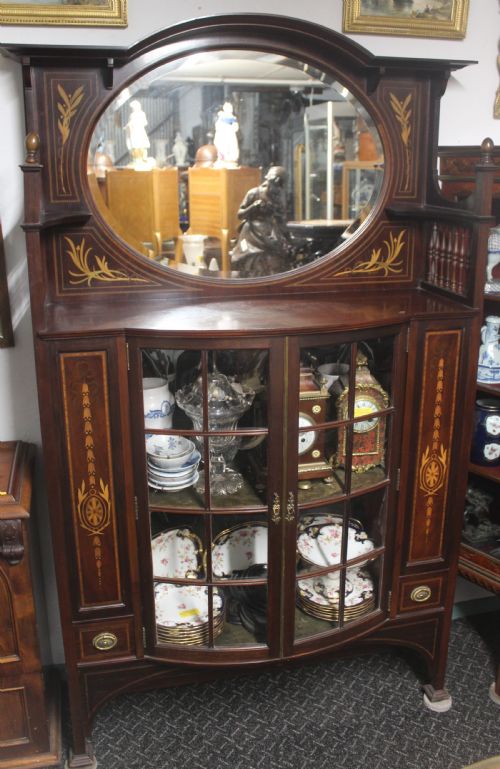
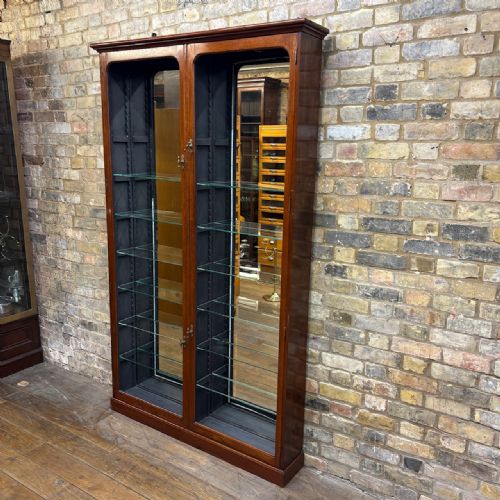
An edwardian cabinet with mirror brings practical reflection and display to a room, combining useful storage with bright glazed panels.
Edwardian Cabinet with Mirror
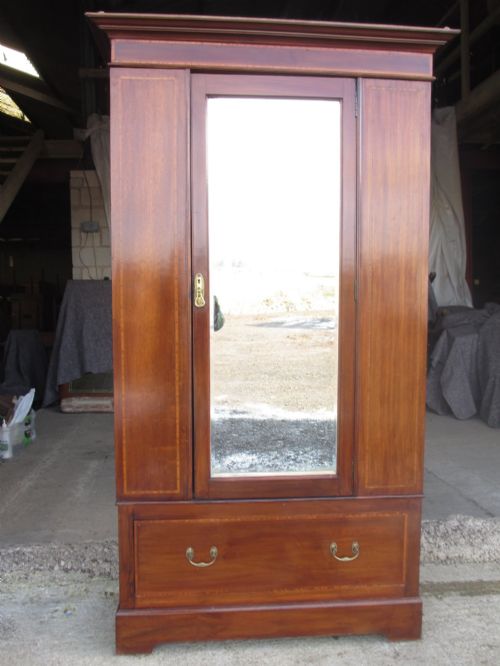
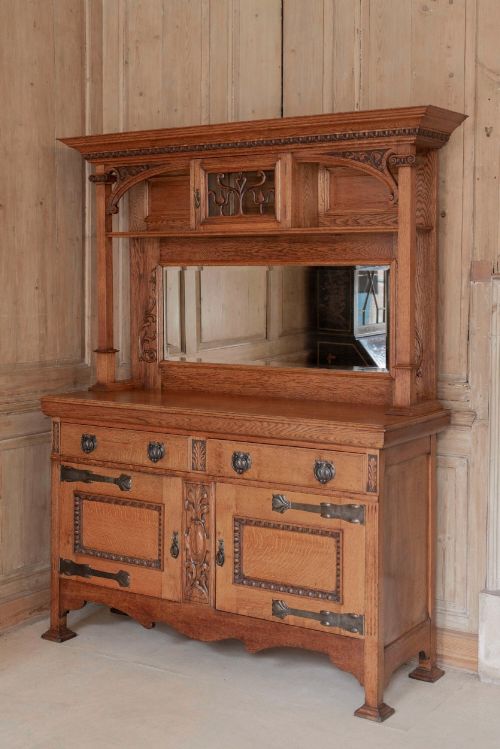
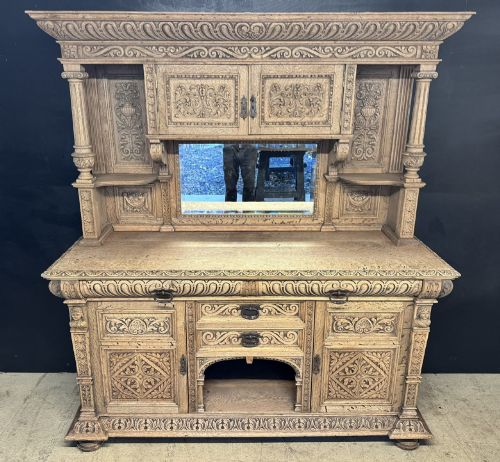
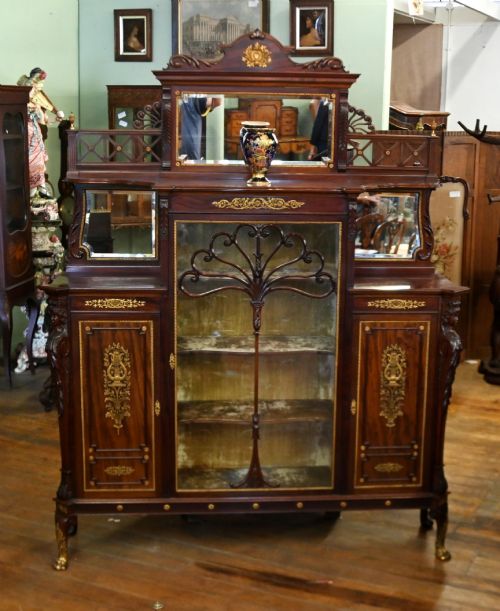
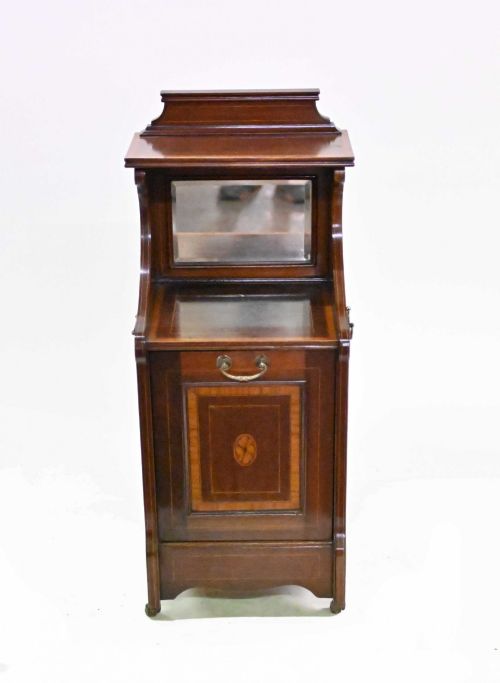
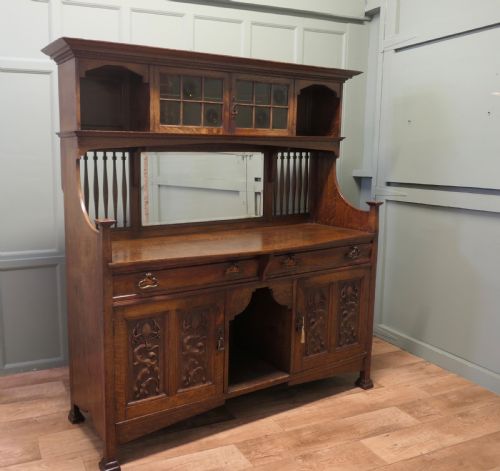
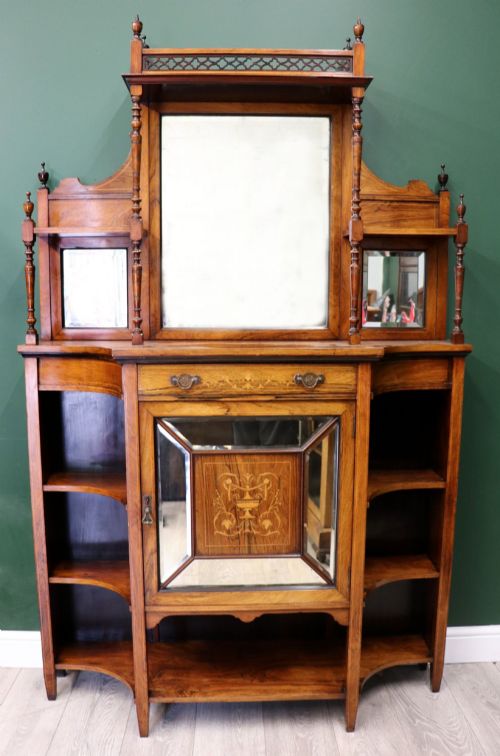
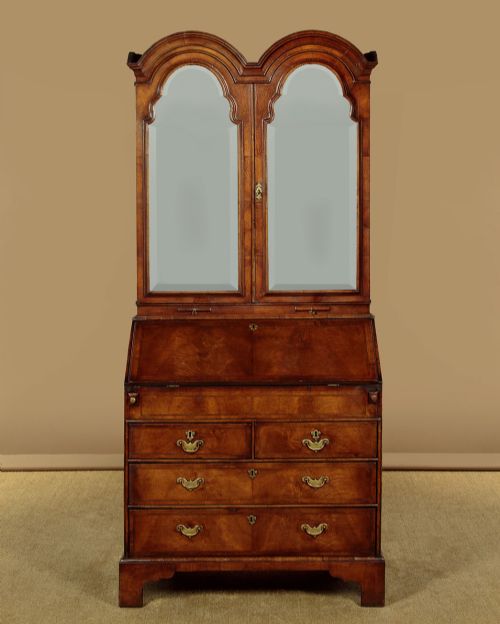
When searching for an edwardian cabinet with mirror, buyers encounter a variety of forms including display cabinets, sideboards, wardrobes, and dressing chests. These pieces originate primarily from the Edwardian period and the late Victorian era, spanning dates from 1880 to 1930.
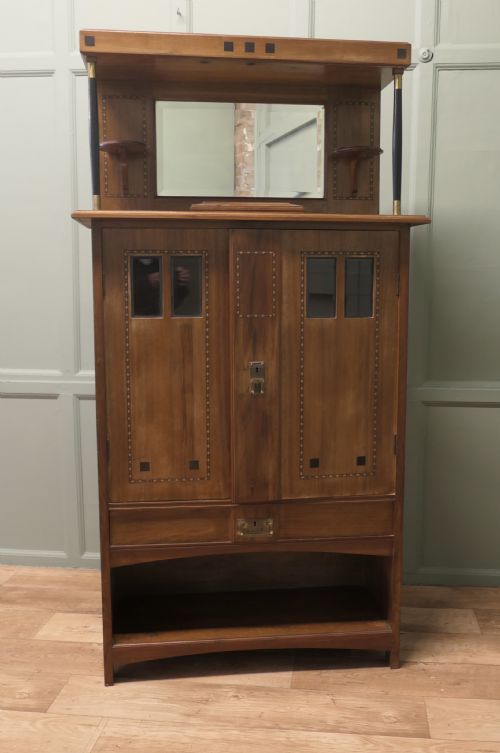
The selection on this page shows a strong presence of mahogany, oak, and satinwood alongside rosewood and walnut. Styles range from Arts and Crafts and Secessionist designs to Jacobean Revival, Louis XVI Revival, and Chippendale Revival.
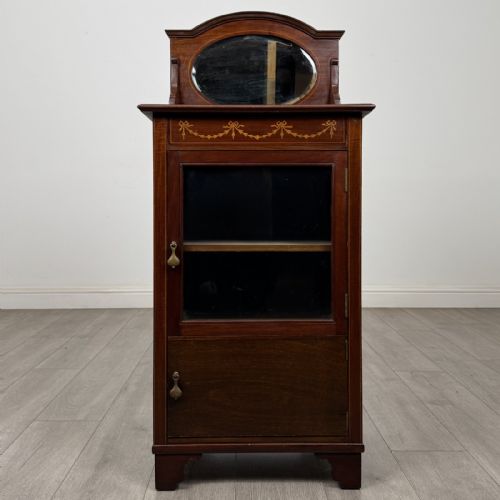
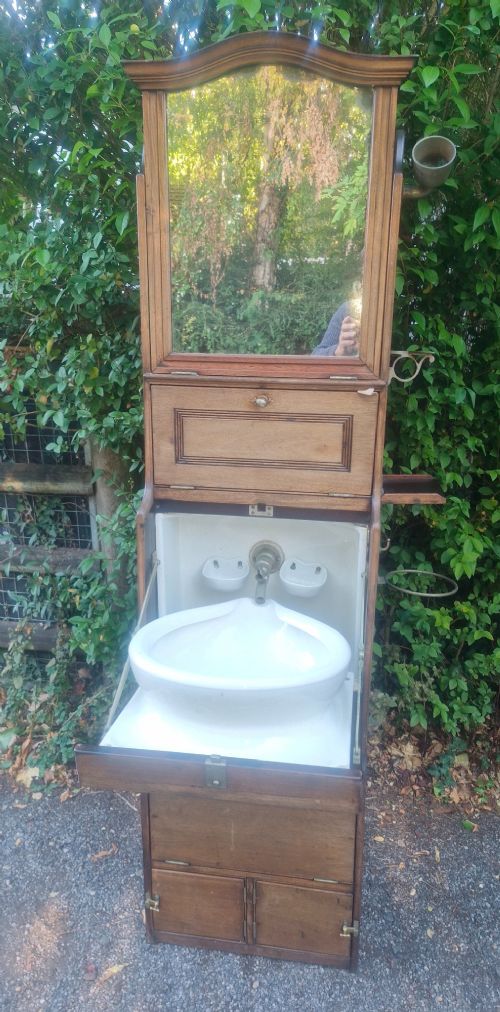
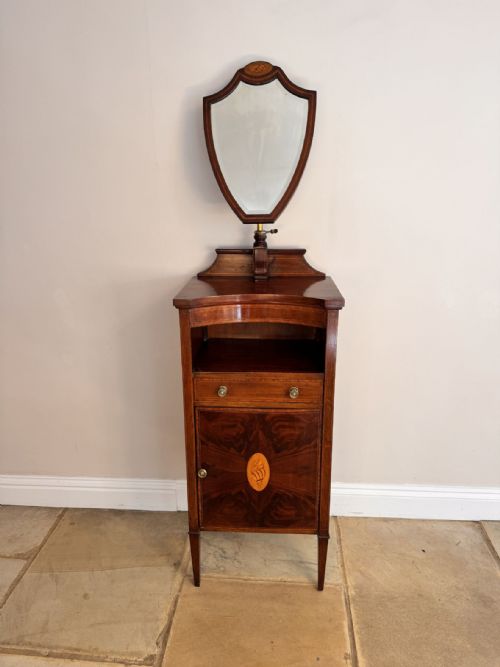
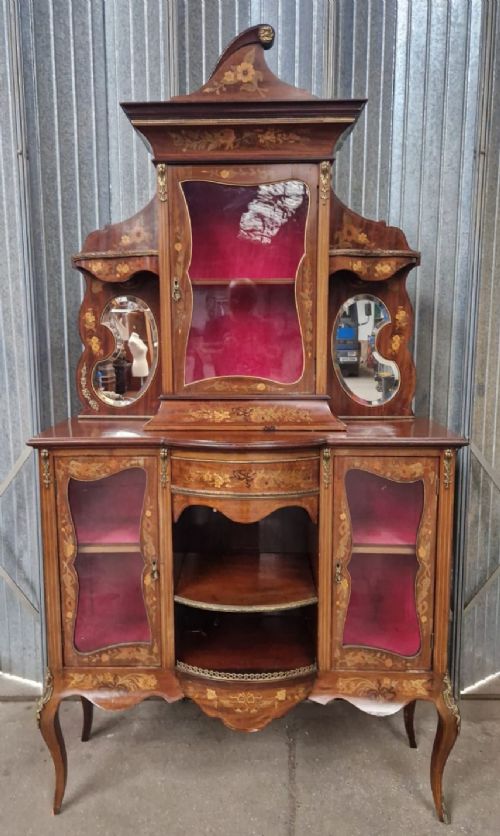
Mirrors are integrated into back panels, pediments, and interior spaces, often paired with glass doors, adjustable shelves, or brass hardware. Buyers find pieces ranging from large multi-door wardrobes to compact corner cabinets and tabletop washstands.
How they were made
Cabinet makers utilised dense hardwoods such as mahogany, oak, walnut, and rosewood, frequently applying satinwood and marquetry inlay for surface decoration. Gilt mounts and brass hardware secure structural points and frame glass elements.
Glass is cut and bevelled for mirror backs and doors, while specialised panels incorporate lead light techniques and majolica inserts. Carving appears on structural frames and cornices, particularly in revival and Arts and Crafts pieces.
Edwardian Cabinet with Mirror Retail Price Guide 2026
Typical asking prices for edwardian cabinet with mirror among the pieces listed under this phrase on Sellingantiques today, from the lower quarter to the upper quarter. They describe what is for sale here now, not the wider market.
Listings feature oak, mahogany, rosewood, and satinwood alongside mirror glass and brass fixtures across Edwardian and Victorian periods.
What varies in quality
The standard of a piece rests on the choice of timber and the precision of its marquetry or carved detailing. Superior examples display carefully matched wood veneers and intricate inlay work rather than plain surfaces.
Construction methods determine longevity, seen in the solidity of the timber, the integration of the mirror glass, and the adjustment mechanisms of interior shelves and shields. Finer items balance decorative elements like gilt mounts and leaded glass with robust joinery.
Maple & Co.
The Edwardian Cabinet with Mirror Glossary
- Marquetry
- Decorative veneer work formed by fitting together small pieces of wood, shell, or ivory to create pictorial designs on a furniture surface. This technique appears frequently on late Victorian and Edwardian cabinet pieces.
- Pediment
- The triangular or curved architectural structure surmounting the top of a cabinet or wardrobe. On mirrors, an oval pediment often frames the upper glass section.
- Lead light
- Glass panels held together by thin strips of lead in geometric or decorative patterns. These panels frequently form the upper doors of bookcases and cabinets.
- Washstand
- A bedroom piece designed for washing, often fitted with a marble top and a mirror back. Edwardian examples sometimes include tiled splashbacks or small storage cupboards.
Edwardian Cabinet with Mirror: Frequently Asked Questions
How do I clean the mirror glass safely?
Use a soft cloth and a gentle glass cleaner applied to the cloth rather than directly sprayed onto the surface. This prevents moisture from seeping behind the mirror plate and damaging the silver backing.
Take care around the wooden frames and inlay work to avoid chemical damage to the polished wood and antique veneers.
Can I adjust the shelves in these cabinets?
Many shop display cabinets and bookcases include adjustable shelving systems supported by metal clips or wooden notches. This allows storage adjustment for different heights of glassware or books.
Fixed shelves remain standard in older sideboards and wardrobes where structural rigidity takes priority over customisation.
Where were mirror back sideboards placed?
Dining rooms served as the primary location for large mirror back sideboards, reflecting light and displaying silver or ceramic tableware on their surfaces. The added mirror enhanced the sense of space in Victorian and Edwardian interiors.
Smaller side cabinets and display pieces found placement in parlours, drawing rooms, and bedrooms.
What is the difference between Edwardian and Victorian styles?
Victorian cabinet work tends to be heavier and darker, often utilising burr walnut, heavy carved mahogany, and profuse ornamentation. Pieces from this era lean towards formal grandeur and dense decorative schemes.
Edwardian furniture generally exhibits lighter timbers like satinwood and lighter oak, favouring simpler lines influenced by the Arts and Crafts and revival movements.