
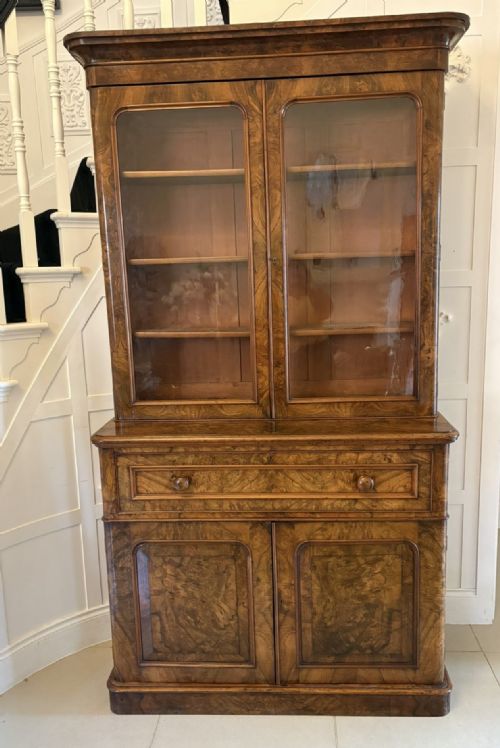


Edwardian Burr Walnut Bookcase
An edwardian burr walnut bookcase brings figured timber and glass display into a room with warmth and proportion.
Edwardian Burr Walnut Bookcase
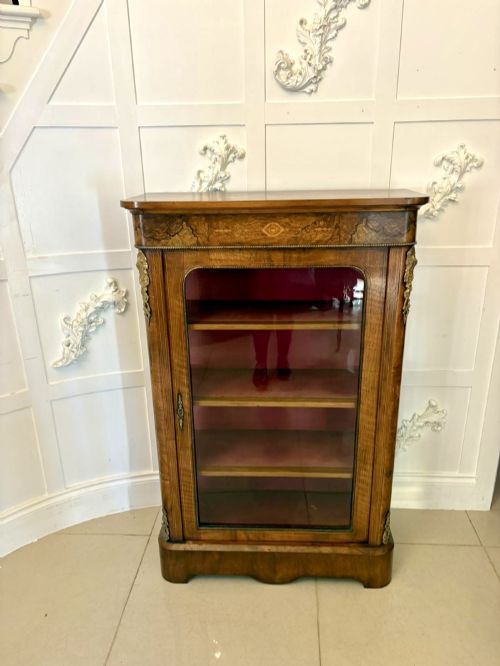
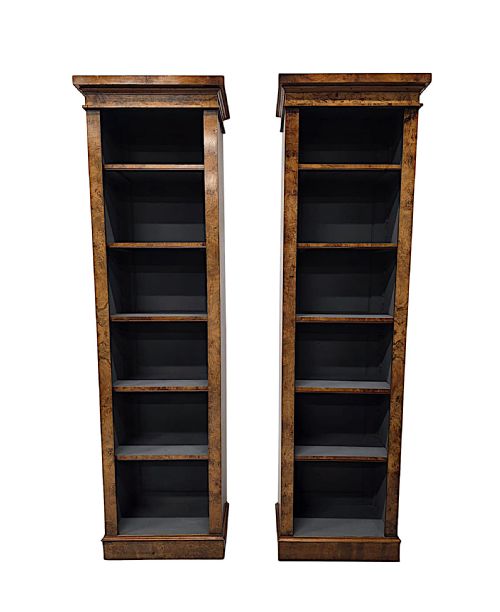
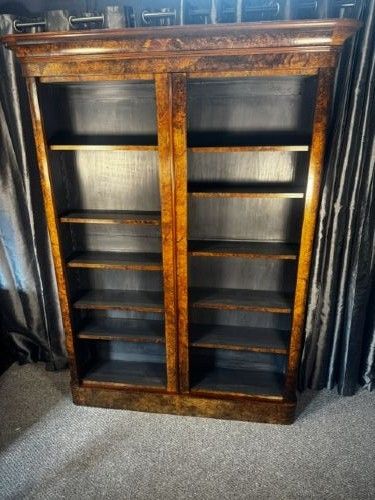
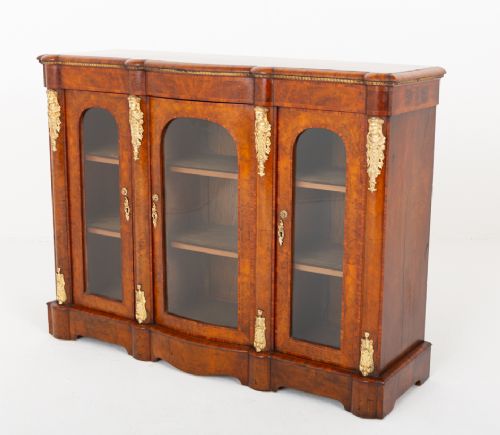
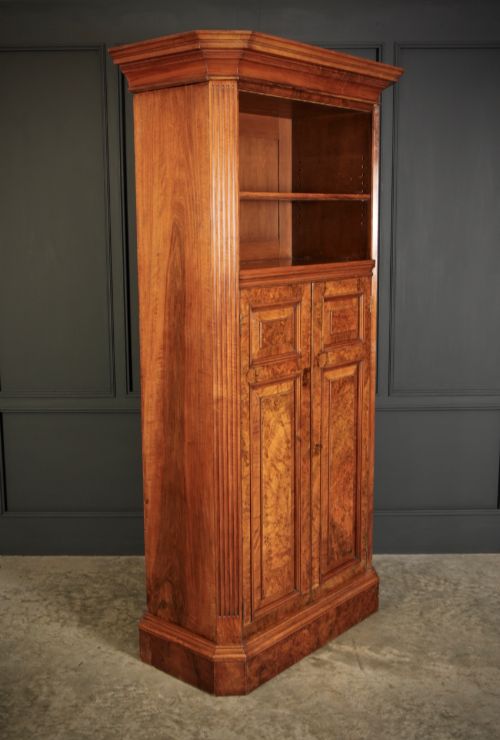
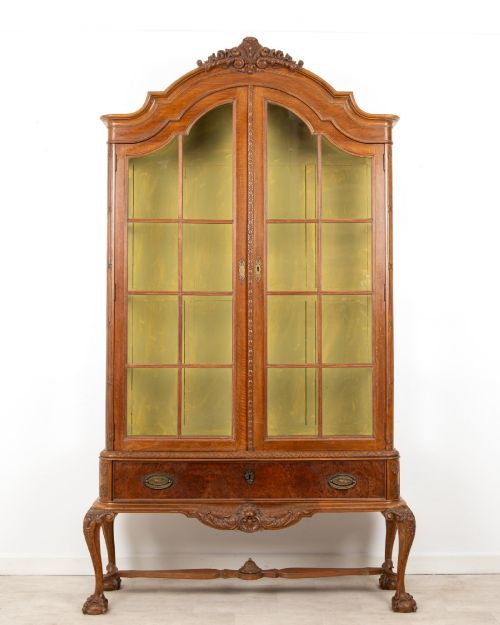
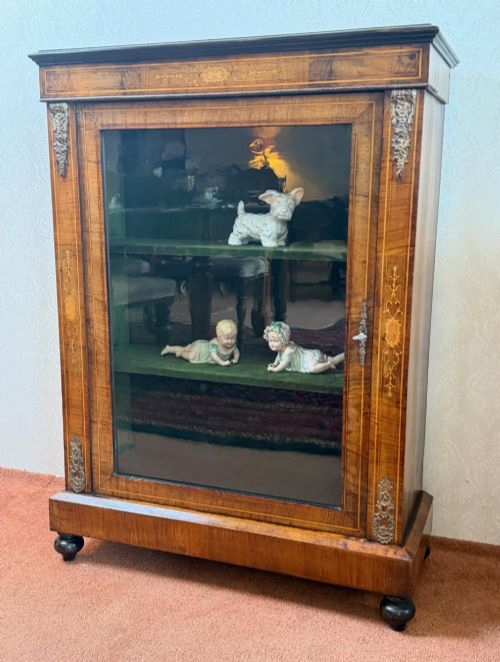
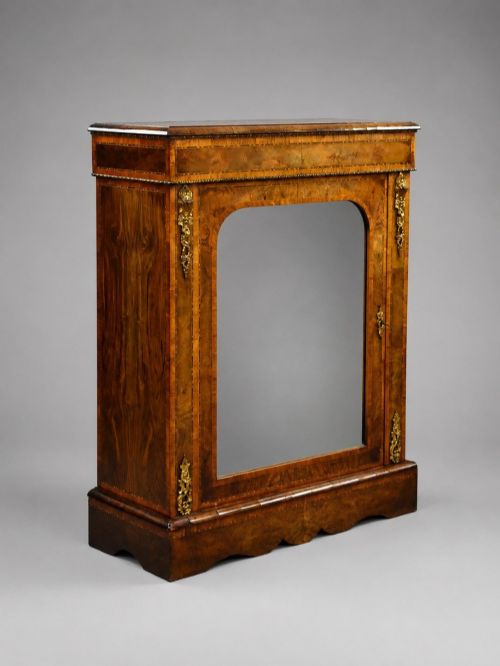
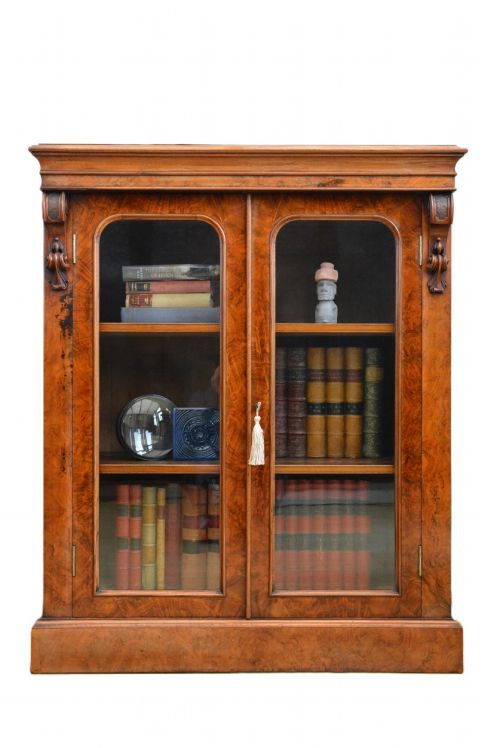
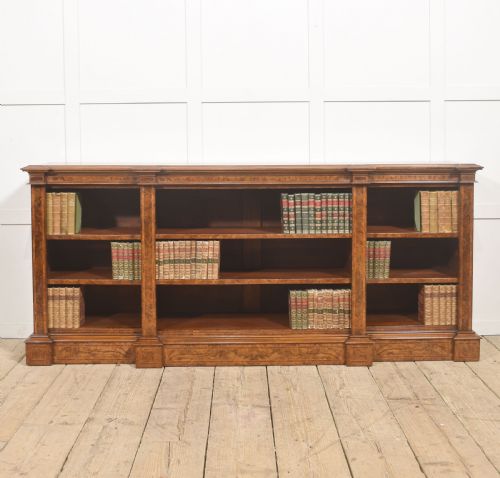
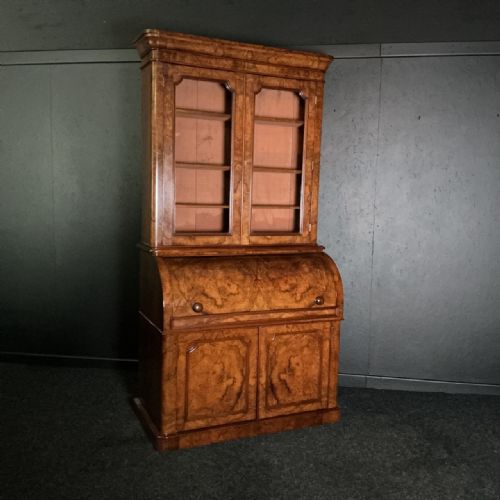
An edwardian burr walnut bookcase is a piece of furniture designed for storing books and displaying objects, utilising the highly figured grain of walnut timber. These pieces range from compact glazed pier cabinets and open bookshelves to large breakfront library bookcases.
While the search phrase points to the Edwardian period, listings here span the Victorian era up to around nineteen hundred and twenty, including Queen Anne revival styles. The most common forms on this page are glazed display cabinets and open bookcases finished with crossbanding or inlay.
How They Were Made
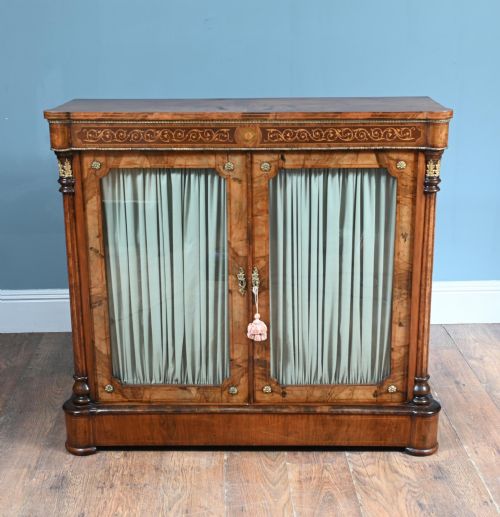
Cabinet makers built these pieces using solid timber frames overlaid with burr walnut veneer to showcase the swirling patterns of the wood. Brass hardware, ormolu mounts, and gilt metal details frequently accent the timber and glass doors.
Secondary construction relied on traditional joinery techniques, incorporating inlaid stringing and crossbanding around the borders. Shelving interiors often utilised plain timber, while exterior display surfaces prioritized the decorative grain of the walnut.
Listings on this site combine burr walnut with brass mounts, glass doors, and velvet linings across Victorian and Edwardian forms.
What Varies In Quality
Quality rests primarily in the choice and matching of the burr walnut veneer across the front panels and doors. Superior examples display symmetrical grain patterns and careful crossbanding that demonstrate the maker's skill in handling difficult timber.
The sophistication of the secondary details, such as finely cast brass mounts, delicate marquetry inlay, and well-proportioned cornices, separates standard cabinet work from exceptional library furniture.
Waring and Gillow·Gillow and Co
The Edwardian Burr Walnut Bookcase Glossary
- Burr Walnut
- A veneer taken from the warted growths on walnut trees. It creates complex, swirling patterns highly prized by cabinet makers.
- Crossbanding
- A narrow strip of veneer laid perpendicular to the grain of the main panel. This frames the central wood and provides a neat border.
- Pier Cabinet
- A small, narrow cabinet designed to stand against the wall space between windows. They often feature glazed doors for displaying porcelain or books.
- Breakfront
- A piece of furniture where the central section projects forward from the flanking sides. This adds architectural depth to large bookcases.
- Marquetry
- Decorative patterns created by fitting different woods and materials into a veneer surface. It is often seen on Edwardian and Victorian cabinet doors.
Edwardian Burr Walnut Bookcase: Frequently Asked Questions
How do I clean burr walnut?
Dust the timber regularly with a soft, dry cloth to prevent particles from settling in the grain. Avoid using modern silicone polishes that can build up a cloudy residue over the veneer.
Feed the wood periodically with a traditional beeswax formulation to maintain the natural lustre of the walnut. Keep the piece away from direct sunlight and heat sources to prevent the veneer from drying out or cracking.
Were these glazed bookcases used for books?
Many of these pieces served as display cabinets for fine china and ornaments rather than heavy libraries. The glazed doors protected delicate collections from dust while allowing them to be viewed.
Larger breakfront examples and open shelving units were built specifically for holding books in studies and drawing rooms. Smaller pier cabinets accommodated tighter spaces in formal Victorian and Edwardian interiors.
How do I tell Edwardian from Victorian?
Victorian pieces often display heavier proportions, darker finishes, and more elaborate carved or inlaid decoration. They date from the mid to late nineteenth century.
Edwardian furniture tends to feature lighter construction, brighter golden walnut tones, and refined revival styles like Queen Anne. The transition occurred around nineteen hundred as tastes shifted towards lighter domestic spaces.
What is crossbanding?
Crossbanding involves applying a border of veneer where the wood grain runs across the length of the strip rather than along it. This technique frames panels and highlights the central burr walnut.
Cabinet makers used contrasting timbers or matching walnut to create a crisp outline around doors and drawers. It signals careful attention to detail in the construction of better quality furniture.