




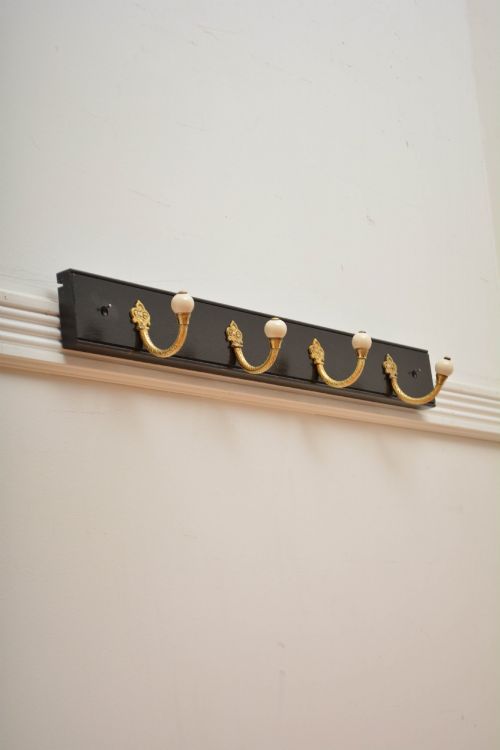
Edwardian Brass Rail
When you choose an edwardian brass rail, you bring home a sturdy piece of domestic metalwork designed to anchor a room.
Edwardian Brass Rail
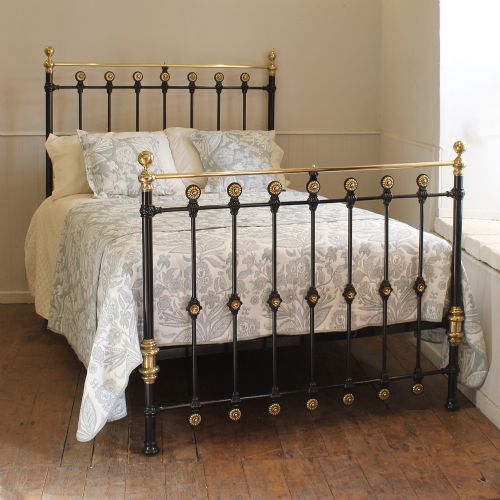
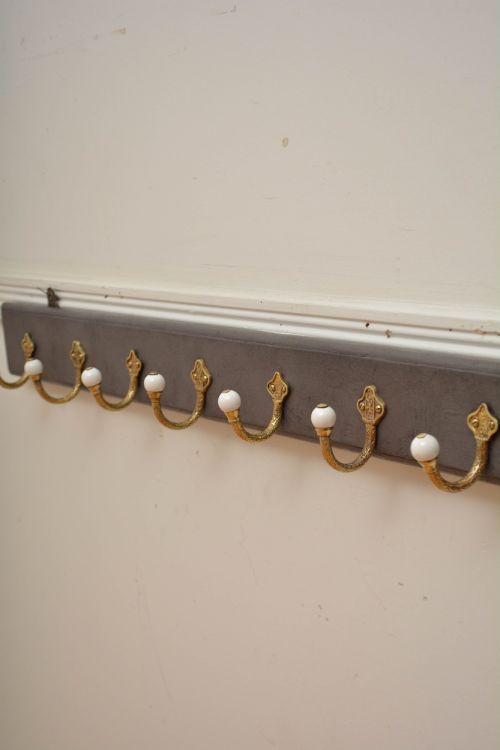
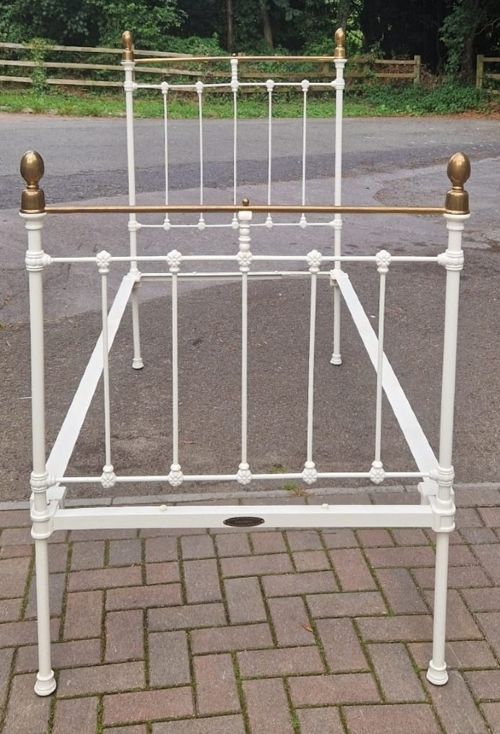
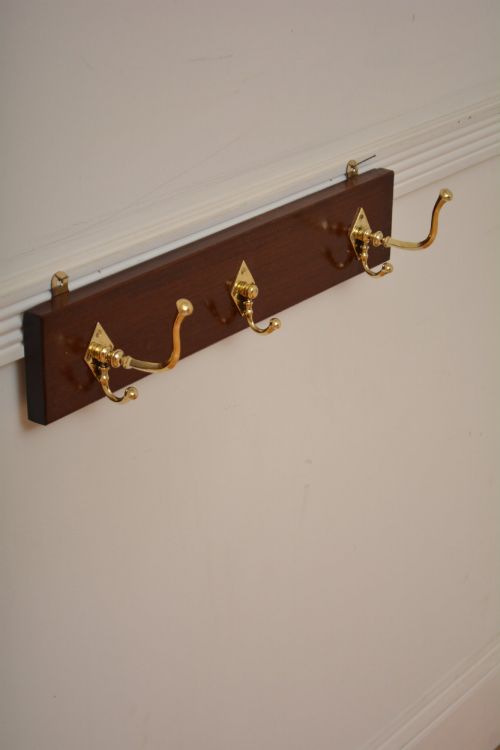
An edwardian brass rail encompasses structural bed frames, fireplace fenders, and wall-mounted coat racks created around the turn of the twentieth century. These domestic fixtures combine practical utility with the warm metallic finish typical of the period.
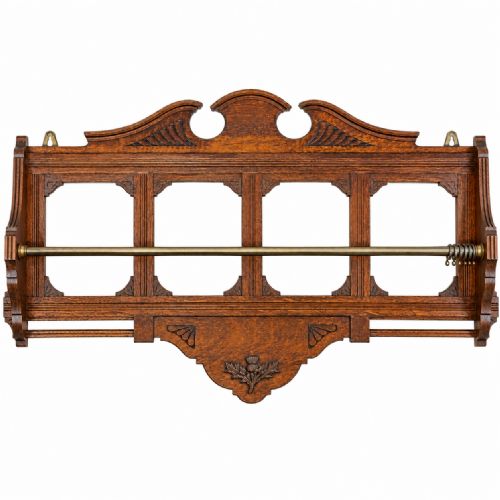
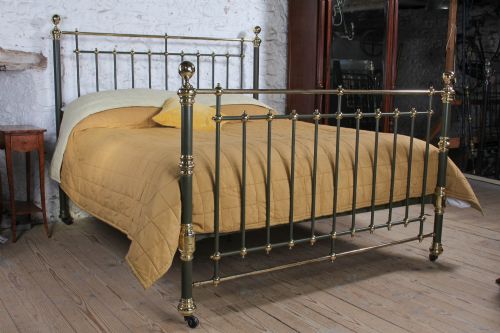
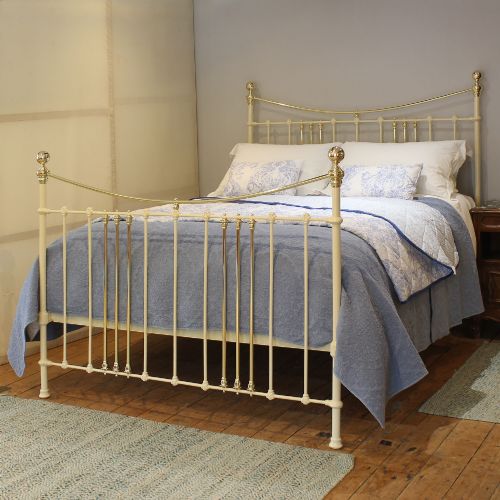
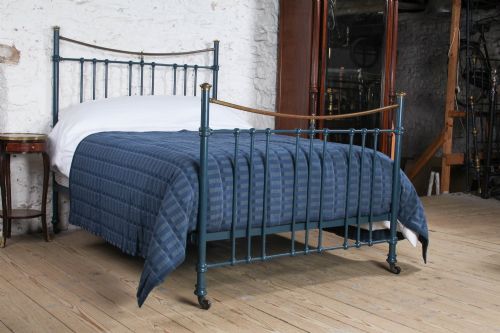
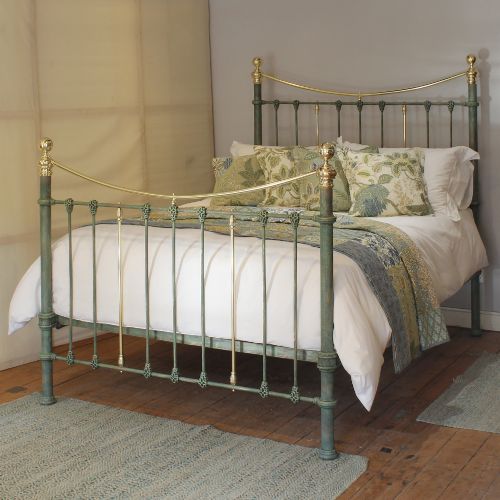
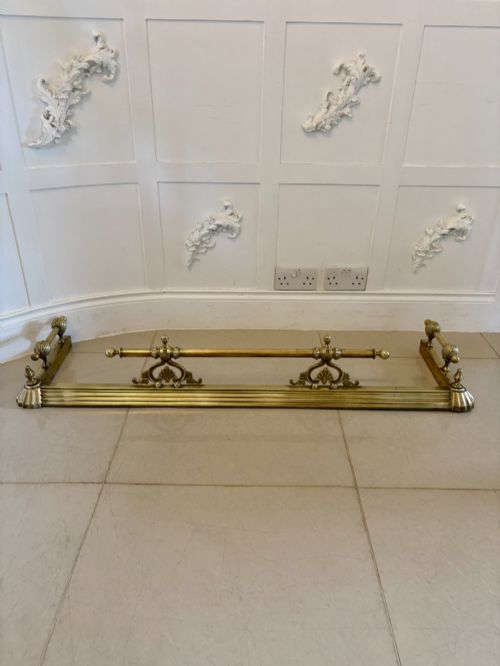
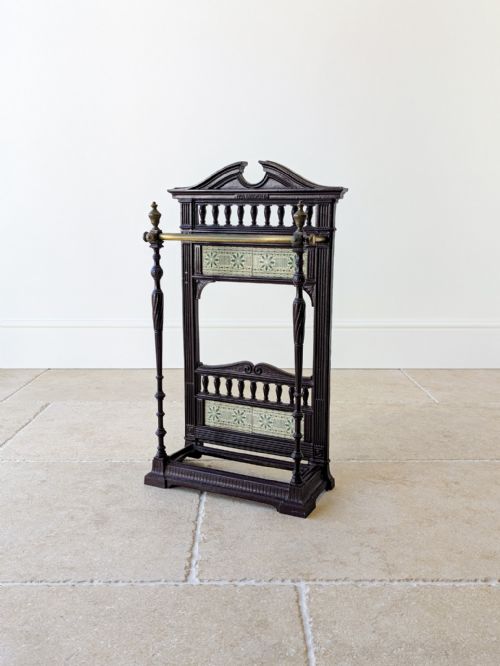
The version most commonly encountered in these listings is the dip rail bed or the hearth fender, featuring heavy metallic components paired with castors or ceramic detailing. Such items served everyday functions in domestic spaces before becoming decorative focal points.
Makers of the period utilised brass alongside iron, mahogany, and cast iron to build resilient household furnishings that survive in daily use today.
Materials and construction
Makers constructed these rails primarily from solid brass and cast iron, often combining the bright golden metal with darker timber backing plates or ceramic hooks. This pairing provided structural strength for daily handling in busy hallways or bedrooms.
Foundries cast decorative mounting plates and joints separately before assembling the main rails with threaded fasteners or rivets. The finish relied on polished metal surfaces that required regular domestic attention to maintain their shine.
Edwardian Brass Rail Retail Price Guide 2026
Typical asking prices for edwardian brass rail among the pieces listed under this phrase on Sellingantiques today, from the lower quarter to the upper quarter. They describe what is for sale here now, not the wider market.
Listings for this phrase combine brass with iron, mahogany, glass, and ceramic across late nineteenth and early twentieth century domestic items.
Distinctions in quality
The distinction between standard utility items and finer examples lies in the weight of the metal and the crispness of the casting on mounting plates and joints. Heavier gauge brass and deeply detailed decorative motifs indicate superior workshop production.
The integrity of the structural joints and the retention of original castors or ceramic elements determine the overall coherence of the piece. Well-preserved surfaces demonstrate careful historical maintenance without excessive abrasion from cleaning.
Coalbrookdale·Robson & Sons
The Edwardian Brass Rail Glossary
- Dip rail
- A bed frame top rail that curves downwards towards the centre. This profile is characteristic of Edwardian and late Victorian sleeping furniture.
- Fender
- A low metal guard placed around a fireplace hearth to contain embers. These items frequently incorporate adjustable sections and integrated rails.
- Castor
- A small wheel mounted on the legs of heavy furniture to ease movement across flooring. They are commonly found on the base of period bed frames.
- Aesthetic Movement
- A late nineteenth century design style emphasising visual qualities over narrative subject matter. Pieces from this movement often feature simplified forms and contrasting materials.
Edwardian Brass Rail: Frequently Asked Questions
What is an edwardian brass rail used for?
These rails serve primarily as structural headboards for beds, hearth guards around fireplaces, or mounted bars for hanging coats and garments in hallways.
They combine robust metal framing with decorative finishing to suit domestic spaces.
How do I care for antique brass?
Maintain the surface by dusting regularly with a soft cloth and avoiding abrasive cleaning compounds that strip the historical patina.
Gentle polishing preserves the warm golden tone without damaging the underlying metal.
Are these rails structurally stable?
Most pieces are built from heavy gauge brass and cast iron, designed to withstand decades of daily household use.
Checking the joints and mounting points ensures the frame remains secure for modern placement.
How do I identify the period?
Dating relies on stylistic markers such as Sheraton Revival influences, Aesthetic Movement geometry, and standard manufacturing techniques from the early twentieth century.
Materials like cast iron and mahogany frequently accompany the brass components in pieces from this era.