
Edwardian Brass Lamp Base
An edwardian brass lamp base brings warm metallic reflection and period proportion to a room.
Edwardian Brass Lamp Base
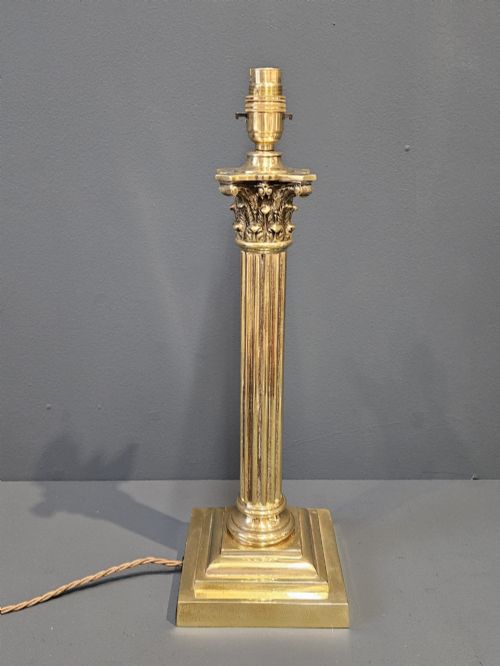
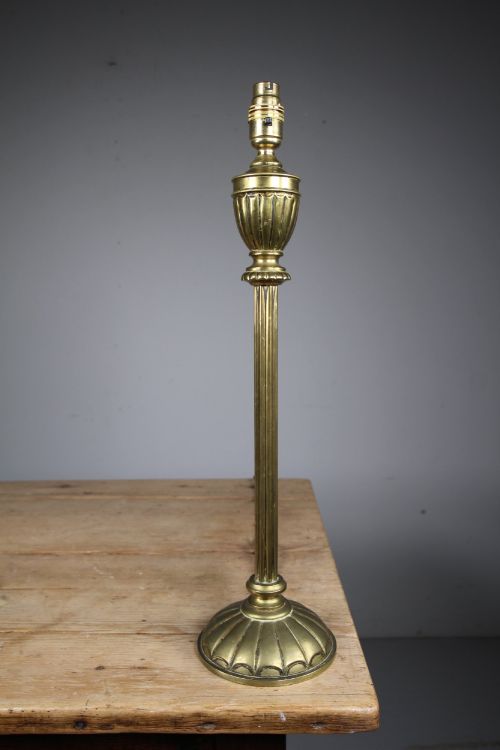
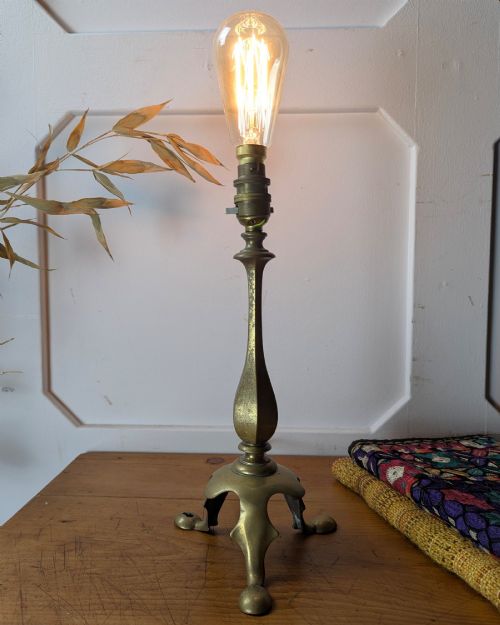
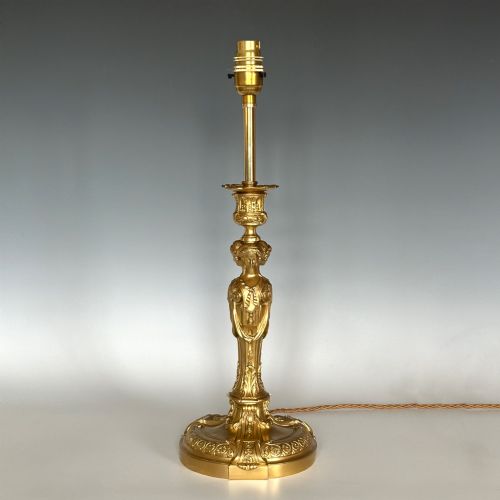
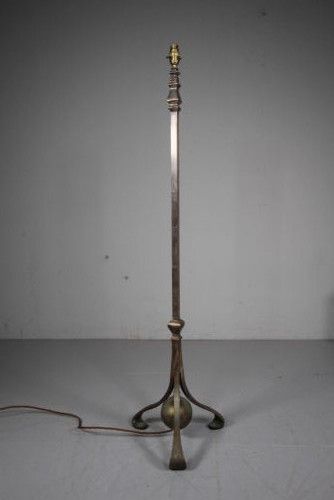
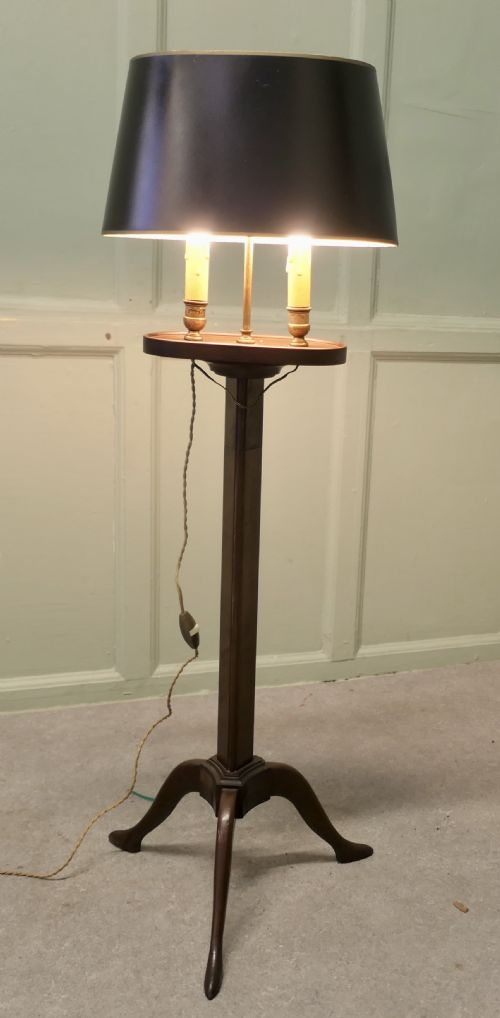
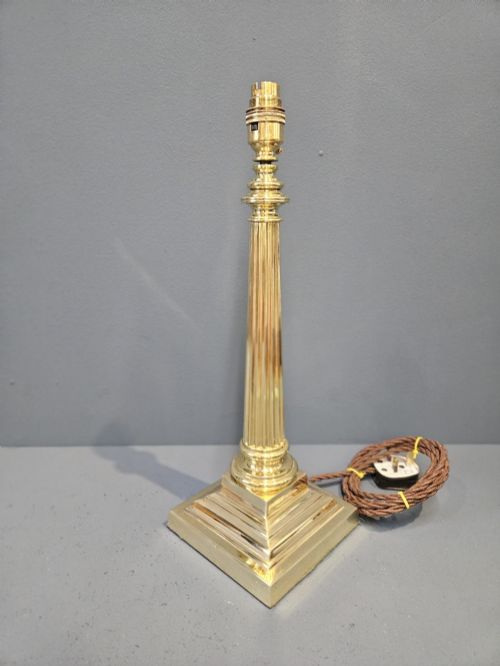
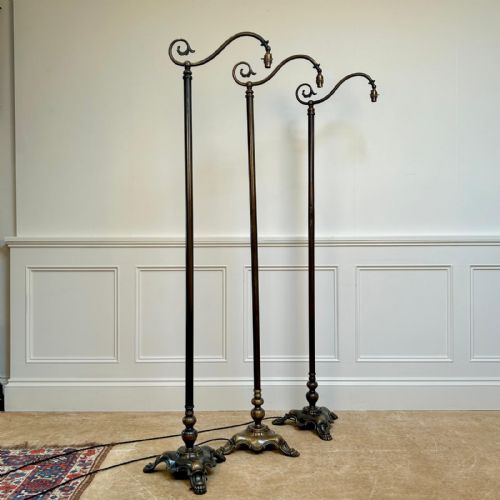
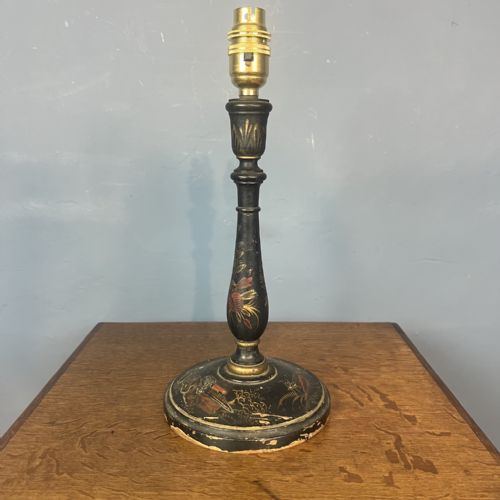
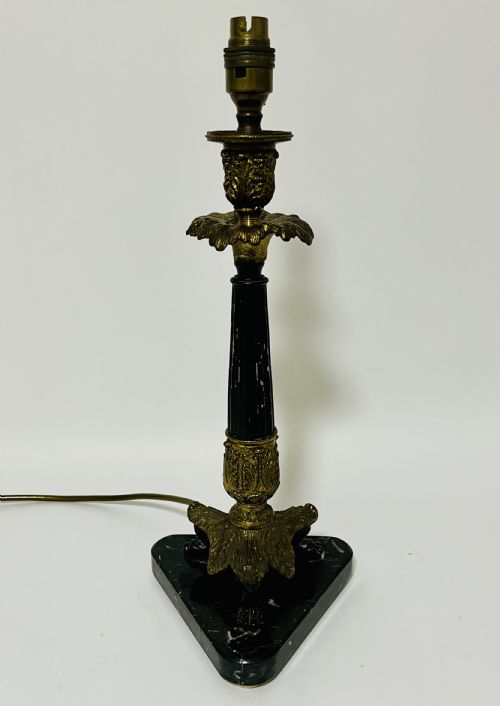
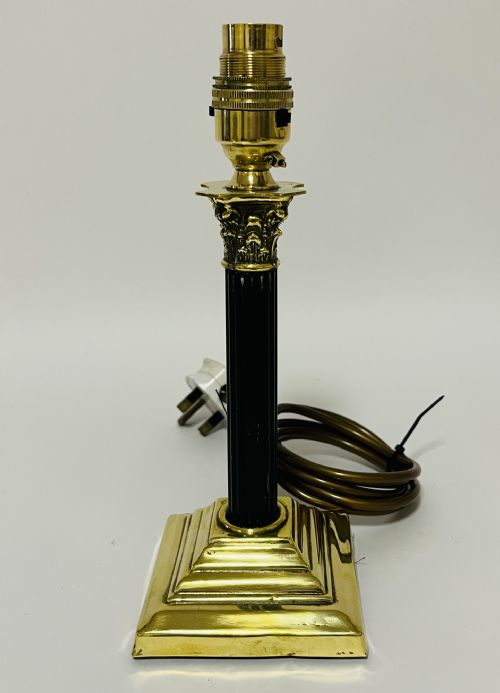
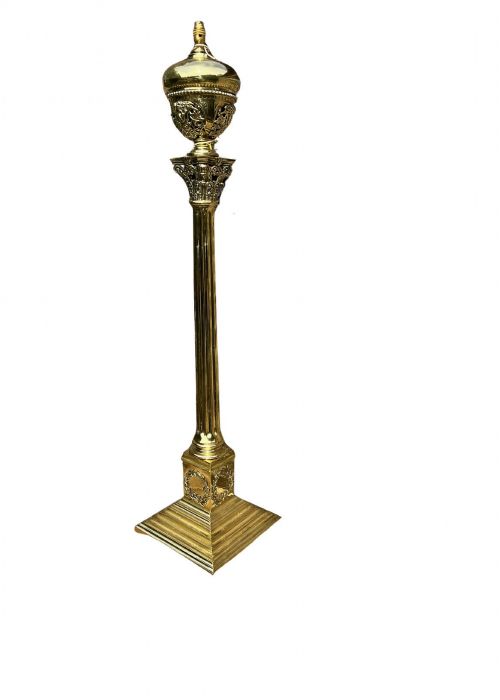
An edwardian brass lamp base is a metal lighting stand dating from the early twentieth century or related surrounding decades. The pieces gathered here range from modest table lights to tall standard lamps designed to stand directly on the floor.
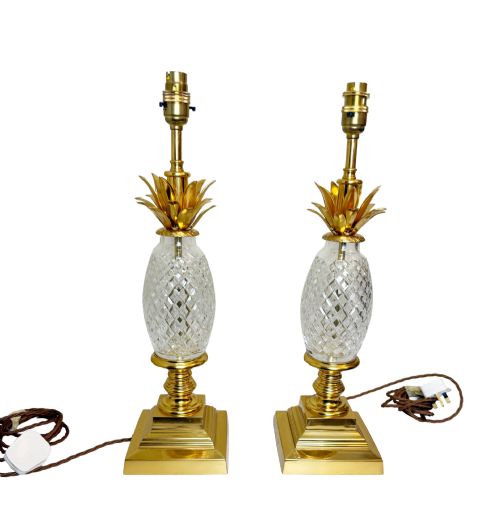
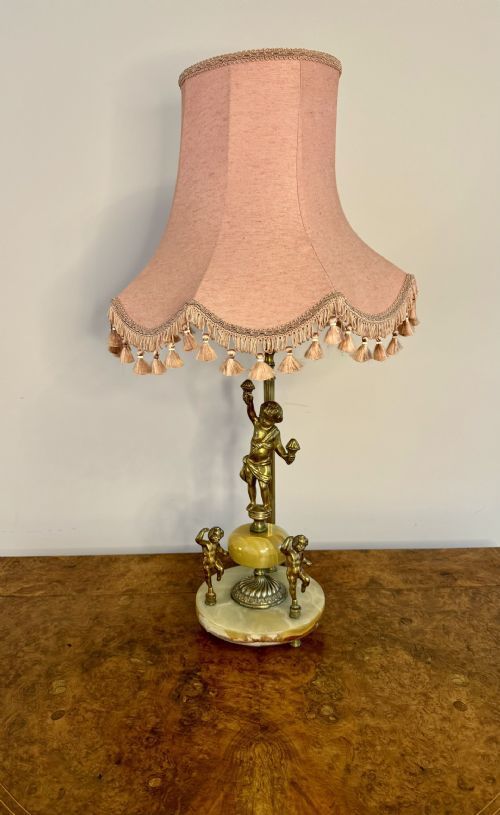
The most common examples on this page follow classical or revival tastes, taking the form of fluted columns or stepped pedestals in polished or patinated brass. Alongside these stand occasional variants featuring silver plate, marble, or coloured glass components.
Originating predominantly from British and continental workshops, these items began life as oil lamps or early electric fittings. Many have since been adapted for modern domestic illumination while retaining their original structural metalwork.
How they were made
Construction relies heavily on cast and spun brass components, joined by threaded rods or heavy soldering. Makers utilised solid brass, gilt metal, and silver plate to achieve different finishes, often incorporating weighted iron bases to ensure stability.
Decorative detail was applied through chasing, stamping, or turning on a lathe. Elements such as Corinthian capitals, reeded shafts, and floral openwork bases demonstrate the high level of metalworking skill common in the period.
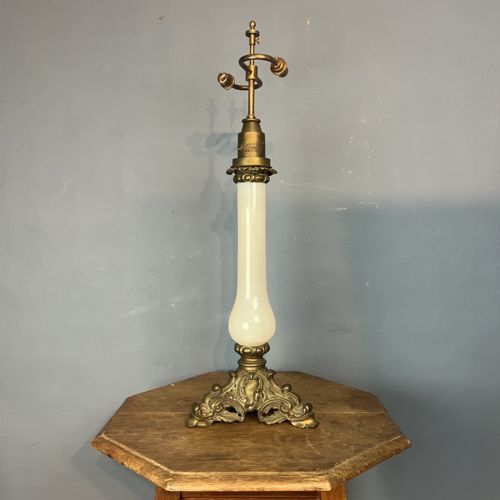
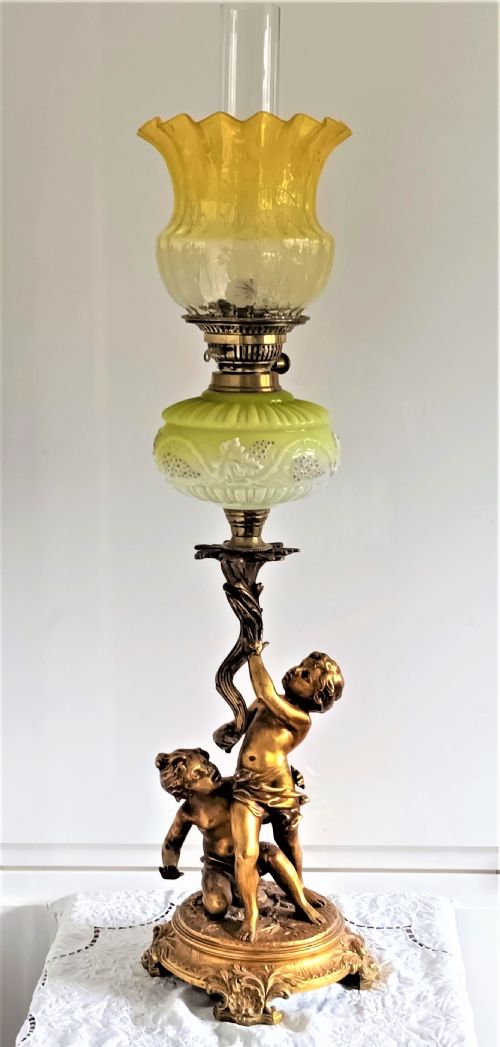
The selection includes multiple examples from the nineteenth and early twentieth centuries, featuring brass, marble, and glass.
What varies in quality
The distinction between ordinary and superior pieces rests on the crispness of the casting and the thickness of the metal used. Heavier gauges of brass retain sharper architectural details and provide a more substantial weight in the hand.
Refinement in the secondary materials also sets finer examples apart. The inclusion of genuine white onyx, high-grade crystal, or well-executed patination indicates a higher tier of production from the outset.
WAS Benson·Faraday and Sons
The Edwardian Brass Lamp Base Glossary
- Corinthian column
- A tall vertical shaft topped with an ornate capital decorated in carved acanthus leaves. This classical architectural motif was frequently adapted for heavy table and standard lamps.
- Standard lamp
- A tall floor-standing lighting fixture designed to illuminate a wider area of a room. These pieces often feature adjustable heights or heavy weighted bases for balance.
- Silver plate
- A thin layer of silver bonded to a base metal core such as brass. This technique offered the visual appeal of solid silver at a lower cost.
- Patinated brass
- Metal that has acquired a darkened or aged surface finish through natural oxidation or chemical treatment. This process highlights decorative relief work by darkening recessed areas.
- Onyx
- A banded variety of chalcedony used as a solid decorative base or column section in certain luxury table lamps. Its natural translucency adds a distinct textural contrast to the surrounding metal.
Edwardian Brass Lamp Base: Frequently Asked Questions
How do I rewire an old brass lamp?
Rewiring requires feeding modern insulated cable through the central hollow shaft and connecting it to a compliant lampholder. It is advisable to consult a qualified electrician to ensure safety.
Older metal fittings often lack modern earth connections, meaning proper insulation and component replacement are essential for safe daily use.
Can I use modern lamp shades on these bases?
Most vintage fittings accept standard modern shade carriers or clip-on fittings with minimal adjustment. Checking the diameter of the threaded gallery ensures a secure fit.
Proportion is the main consideration when matching a shade to a period metal base. A wider drum or empire shade balances the visual weight of a heavy column.
How do I clean antique brass without damage?
Dusting with a dry microfibre cloth removes everyday particles without disturbing the protective surface layer. Avoid harsh chemical polishes that strip away historical patination.
If cleaning is necessary, mild soapy water applied sparingly and dried immediately will preserve the underlying finish and metal integrity.
Were these originally for oil or electricity?
Many items from the nineteenth and early twentieth centuries began as burning oil lamps before conversion to electricity. Remnants of burners or fonts often remain visible beneath the wiring.
Later Edwardian examples were frequently manufactured specifically for the expanding domestic electrical grid.