
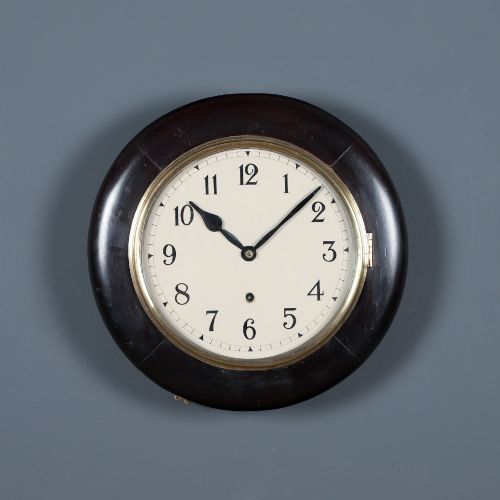
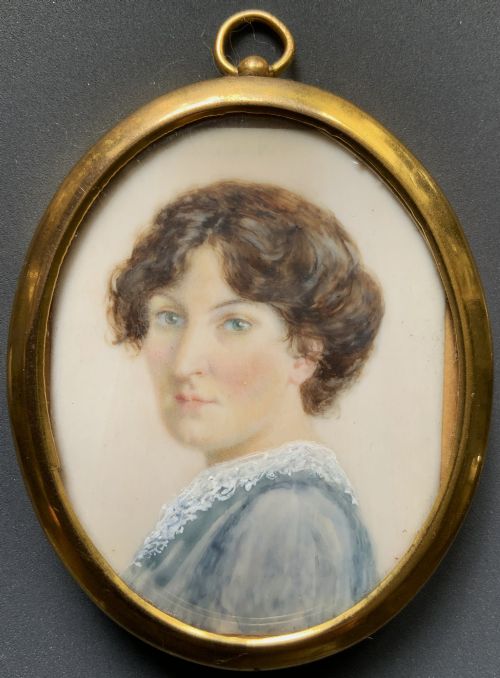
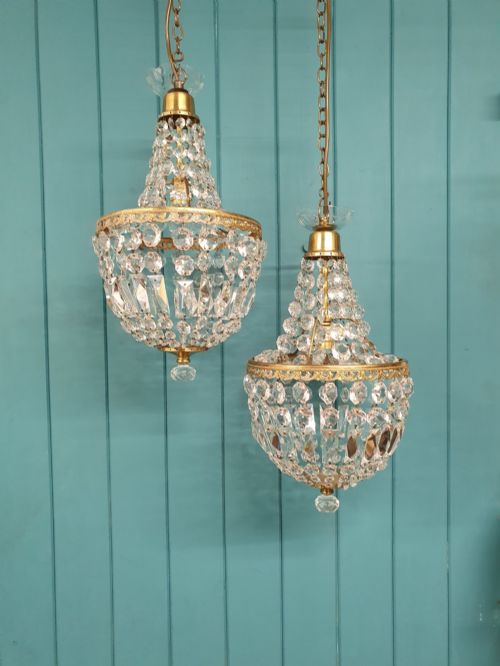
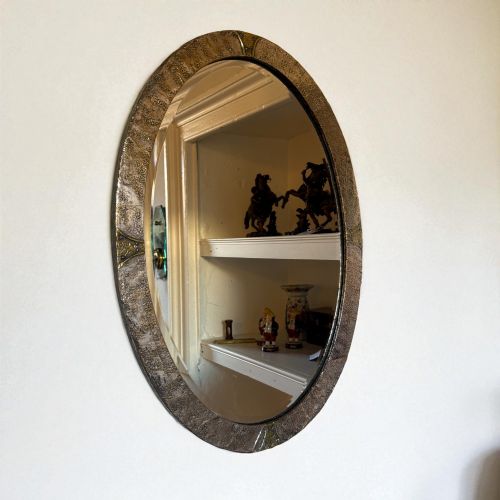
Edwardian Brass Frame
An edwardian brass frame brings bright metallic warmth to a mantelpiece or wall, holding a photograph or mirror with period charm.
Edwardian Brass Frame
When searching for an edwardian brass frame, buyers encounter domestic accessories designed to display photographs and mirrors from the early twentieth century. These pieces emerge predominantly from the Edwardian period and the surrounding decades of the late nineteenth and early twentieth centuries, reflecting the domestic tastes of the era.
The selections available range from small desk and mantel photograph holders to larger wall-hanging mirrors and lanterns. Many examples incorporate decorative motifs typical of the Arts and Crafts and Art Nouveau styles, alongside simple cast designs.
How they were made
Makers utilised cast and sheet brass, frequently combining the metal with glass panels, wooden backs, and wire supports. Workshops employed techniques such as repoussé work, casting, and gilding to create surface texture and decorative borders.
Structural elements often include easel backs for table standing or ribbon loops and wire mounts for suspension. The integration of glass and bevelled edges protects the inserted photograph or reflects light through hanging lantern frames.
What varies in quality
The standard of an edwardian brass frame depends on the depth and crispness of its surface ornamentation, particularly in cast or repoussé motifs. Finer examples display meticulous finishing on reverse components, such as sturdy original wooden backs and secure metal closure pins.
Heavier gauge brass construction distinguishes superior pieces from lighter, mass-produced alternatives that bend easily. The presence of original gilding, intact glass, and untouched patination elevates the desirability of a piece.
Maple & Co·Gillows
The Edwardian Brass Frame Glossary
- Repoussé
- A metalworking technique where the metal is hammered from the reverse side to form a raised design in relief on the front. This method appears frequently on decorative mirrors and frames.
- Ormolu
- Gilded bronze or brass applied to decorative objects and furniture mounts. It provides a bright, durable golden finish characteristic of refined period metalwork.
- Bevelled glass
- Glass panes with edges ground and polished at an angle thinner than the rest of the sheet. This technique catches light and adds depth to mirrors and lantern panels.
- Cheval mirror
- A full-length mirror hung in a frame that allows it to tilt. These freestanding items provide adjustable viewing angles in bedrooms and dressing rooms.
- Easel back
- A hinged prop attached to the reverse of a table frame to support it in an upright position. Original backings often feature velvet or leather coverings.
Edwardian Brass Frame: Frequently Asked Questions
How do I date an edwardian brass frame?
Dating relies on stylistic clues, construction methods, and materials associated with the period around nineteen hundred to nineteen ten. Ribbon tops, floral garlands, and specific casting techniques help distinguish these pieces from later reproductions.
Examining the backings, fixings, and glass types also aids in confirmation. Original components like old easel struts and turning pins provide reliable indicators of age.
Can these frames hold modern photographs?
Most historic frames accommodate standard photographic prints with minor trimming to fit aperture dimensions. Care should be taken when releasing old backing pins to avoid damaging the metal structure.
Using acid-free barrier paper protects vintage paper items placed inside historic mounts. This ensures the photograph remains secure without causing chemical degradation to the original fabric.
How should I clean polished brass?
Maintenance requires gentle dusting with a soft dry cloth to prevent the accumulation of dirt in intricate crevices. Harsh chemical cleaners strip away desirable aged patination and should be avoided entirely.
If cleaning is necessary, a mild soap solution applied sparingly works best for removing surface grime. Dry the metal thoroughly afterwards to prevent tarnishing and moisture retention.
Where should I display a hanging lantern version?
Hanging lanterns suit hallways, landings, and entrance spaces where their glass panels disperse light effectively. Ensure the ceiling fixing supports the combined weight of the brass frame and internal electrical fittings.
Ceiling height dictates the drop length required for balanced visual impact. Positioning them away from damp zones protects the internal metal framework from oxidation.