


Edwardian Brass Desk Bell
An edwardian brass desk bell brings an immediate touch of period character and crisp function to any working surface or hallway.
Edwardian Brass Desk Bell
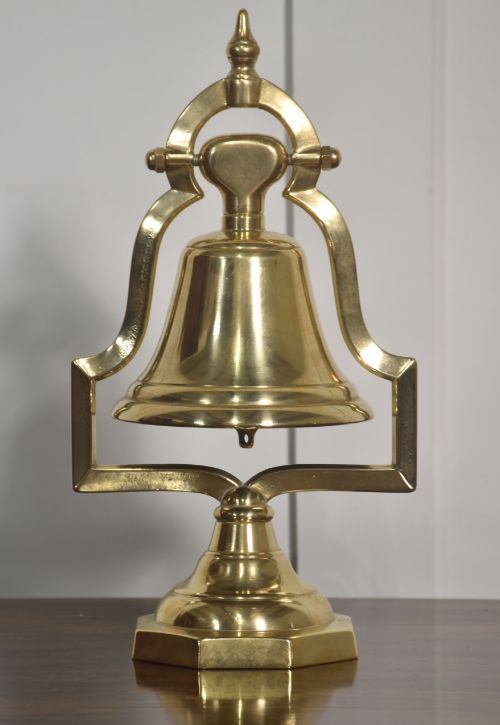
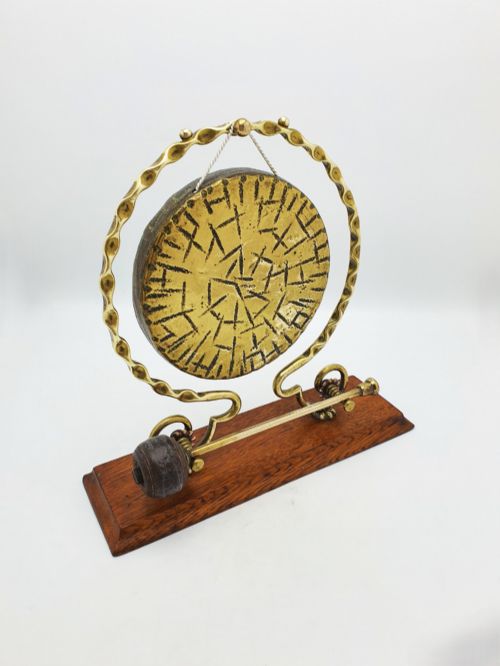
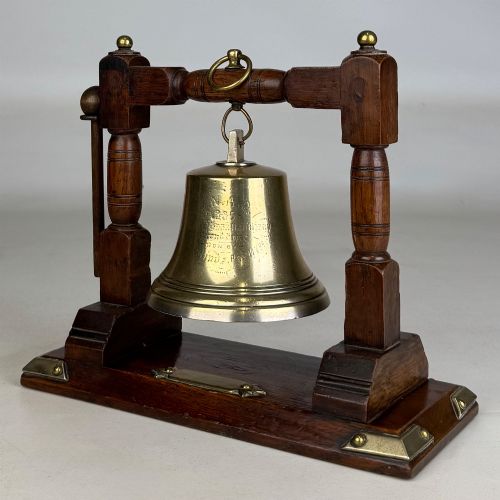
An edwardian brass desk bell covers a range of functional tabletop sound-callers designed for homes, offices, and schools during the late nineteenth and early twentieth centuries. You will encounter various forms on this page, spanning from simple polished desk indicators to elaborate dinner gongs mounted on timber bases.
The material evidence shows pieces originating from the Victorian era through the Edwardian period and up to nineteen-twenty, incorporating styles such as Chinoiserie and Victorian Revival. Most examples integrate solid metal bells with fitted wooden stands made from oak or other hardwoods, often accompanied by strikers.
Table bells and counter bells dominate the selection, alongside decorative tea ceremony gongs and schoolmaster hand bells. These pieces combine practical acoustic utility with the distinctive decorative motifs popular in British interiors of the period.
How they were made
Makers utilised cast brass and bronze to form the resonant domes and striking mechanisms, achieving bright tones through precise metal alloying. These metallic elements were frequently polished to a high finish or combined with contrasting bronze figures and silver plating.
Mounts and bases were fashioned from seasoned oak and dense hardwoods, providing a sturdy foundation for the ringing mechanism. Some specialised pieces also incorporate carved wooden stands, bone details, and cord elements to complete the assembly.
Listings feature items spanning the late nineteenth century through to nineteen-twenty, incorporating brass, bronze, oak, and hardwood materials.
What varies in quality
The refinement of the casting and the clarity of the ring distinguish finer examples from standard production pieces. Superior items feature crisp detailing on the metalwork, such as intricate figures or ornate bases, alongside well-balanced strikers that produce a sustained tone.
Construction integrity in the wooden bases and stands also marks the grade of an object. Tightly joined hardwoods and substantial brass thickness indicate better craftsmanship, whereas simpler utilitarian versions prioritize basic durability over decorative flourish.
The Edwardian Brass Desk Bell Glossary
- Brass
- An alloy of copper and zinc favoured for its bright golden appearance and acoustic resonance in bell manufacturing. It takes a high polish and forms the primary body of these desktop pieces.
- Bronze
- A copper alloy containing tin, utilised for heavier bells and decorative figural elements. It offers a deeper tone and greater durability than standard brass.
- Gong
- A suspended metal disc or bowl struck with a mallet rather than a clapper. These often hang from carved wooden frames.
- Counter bell
- A spring-loaded bell designed for commercial use on shop counters or hotel desks, sounded by depressing a plunger on top.
- Chinoiserie
- A decorative style reflecting European artistic interpretations of Chinese and East Asian motifs. It appears on specialised stands and tea ceremony pieces.
Edwardian Brass Desk Bell: Frequently Asked Questions
How do desk bells work?
Most desk bells operate via an internal clapper connected to a plunger or push-button on top of the dome. Pressing the top drives the clapper against the interior wall to produce a sharp ring.
Counter versions use a similar internal spring mechanism, while hanging gongs rely on a handheld striker hitting a suspended metal plate.
Where were these bells used?
These bells served as domestic and commercial signal devices in Edwardian and Victorian buildings. Households placed them in hallways or dining rooms to summon staff.
Commercial premises utilised counter bells in shops and hotels to alert attendants, while schools employed hand-held versions for assemblies.
How do I date an antique bell?
Dating relies on stylistic clues, manufacturing techniques, and materials recorded in the piece. Edwardian and late nineteenth-century items often display specific aesthetic influences like Victorian Revival or Chinoiserie.
Base woods such as oak and the composition of the bronze or brass provide further chronological markers.
How do I clean brass bells?
Maintenance generally involves dusting with a soft cloth to preserve the aged surface character. Aggressive polishing removes the historical patina valued by collectors.
If cleaning is necessary, use a mild non-abrasive metal cleaner suitable for antique brass without rubbing away surface details.