


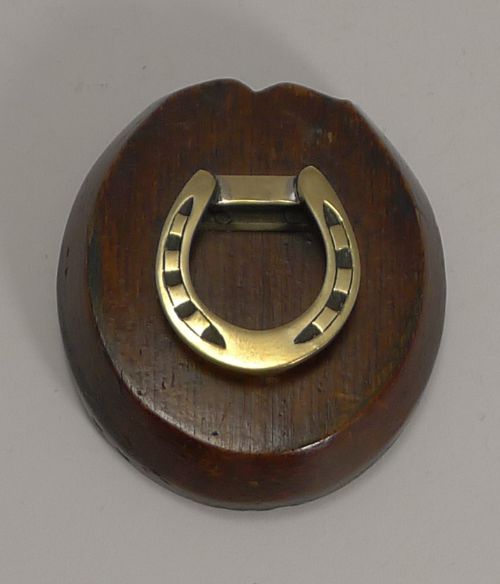
Dark Oak Desk Accessory
A dark oak desk accessory brings practical utility and rich grain to a study, offering everything from perpetual calendars to carved inkstands.
Dark Oak Desk Accessory
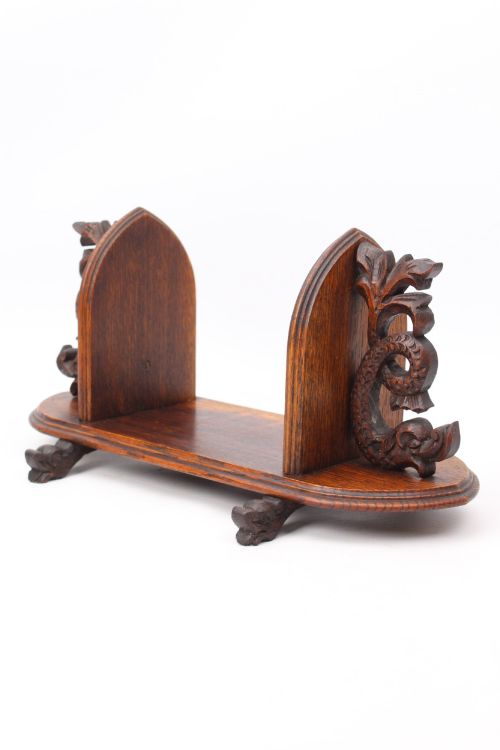
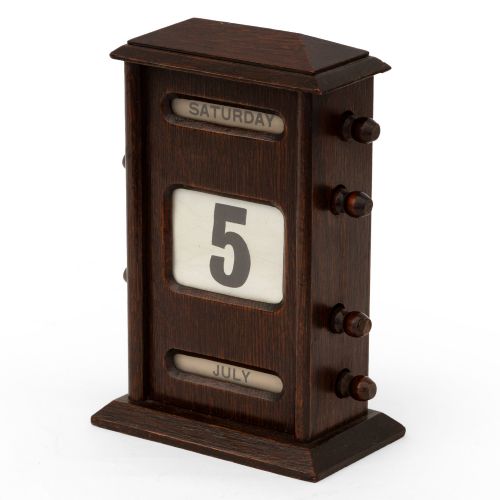
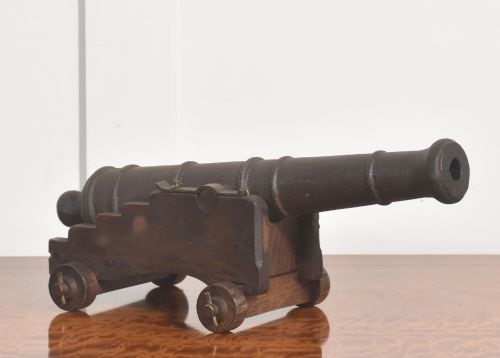
A dark oak desk accessory encompasses functional items designed for the writing table or study, drawing on Victorian, Edwardian, and later periods. Buyers seeking a dark oak desk accessory encounter pieces ranging from practical book slides and letter racks to decorative inkstands and smoking cabinets.
The selection reflects diverse styles including Gothic Revival, Arts and Crafts, and Black Forest carving. Functional utility drives the form, whether housing correspondence in a box or holding volumes upright with carved bookends.
Materials and construction
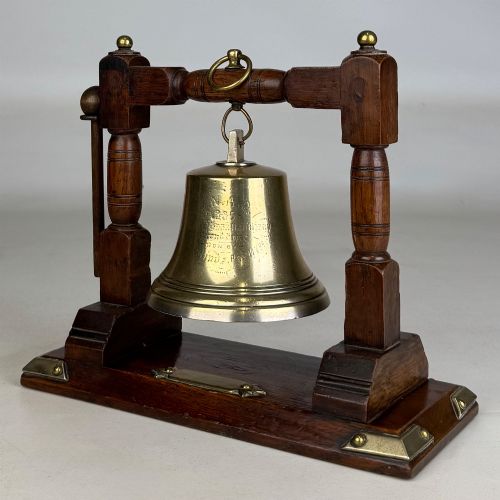
Makers utilised solid timber such as oak, linden wood, and miscellaneous wood, frequently pairing the rich brown grain with cast brass, iron, or glass components. Metal mountings, hinges, and clips secure papers and hold bells or calendars firmly in place.
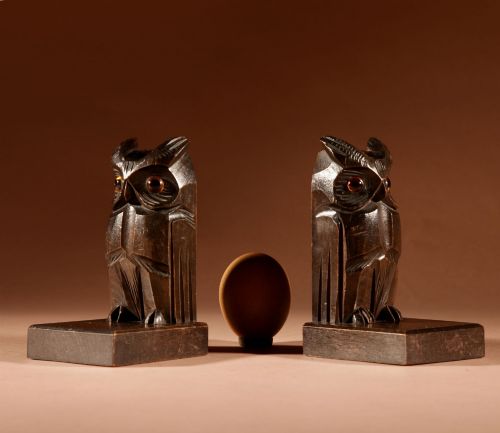
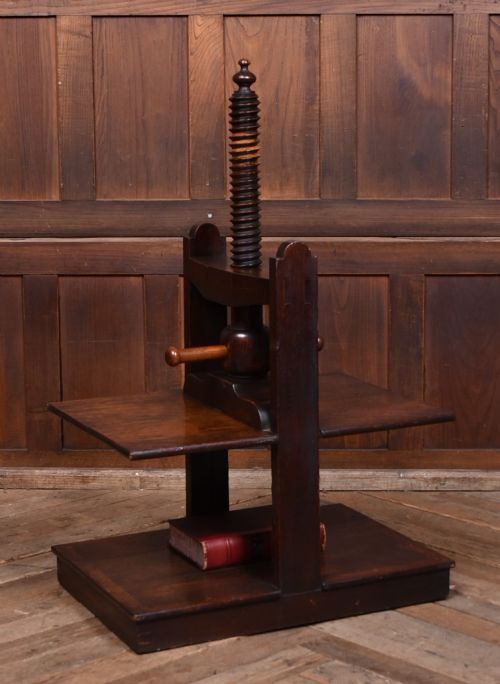
Hand carving defines pieces like the Black Forest owl bookends and Irish inkstands, where artisans shaped the timber into figural forms. Other items employ simple joinery and extending mechanisms to hold books or adjust to changing needs on the desktop.
What separates the grades
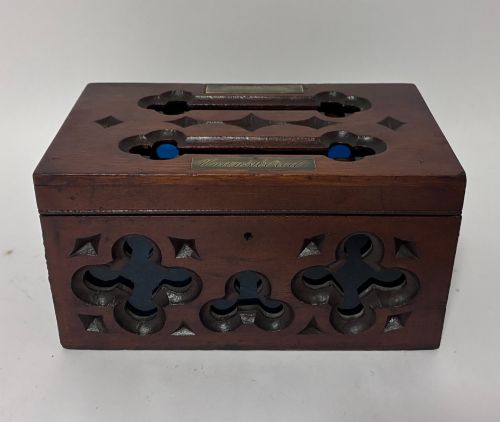
The degree of hand carving and sculptural detail distinguishes utilitarian items from exceptional pieces. Finely articulated animal figures and crisp Gothic tracery demonstrate superior craftsmanship compared to plain functional boxes.
Condition of the timber, retention of original brass or metal hardware, and working mechanical parts such as perpetual calendars or extending slides influence the overall standard of a piece.
Thornton Smith Co.
The Dark Oak Desk Accessory Glossary
- Book slide
- An extending wooden stand designed to hold a row of books upright on a desk. These pieces often feature decorative ends in brass or carved timber.
- Correspondence box
- A desk box built to store letters, envelopes, and writing paper neatly. They frequently display architectural styling such as Gothic Revival gables.
- Perpetual calendar
- A desk accessory with adjustable panels, rollers, or dials to display the date year after year. They are commonly mounted in timber frames with brass indicators.
- Inkstand
- A desktop tray or stand holding one or more inkwells, often paired with pen rests. Examples range from simple wooden trays to hand-carved figural designs.
- Smoking cabinet
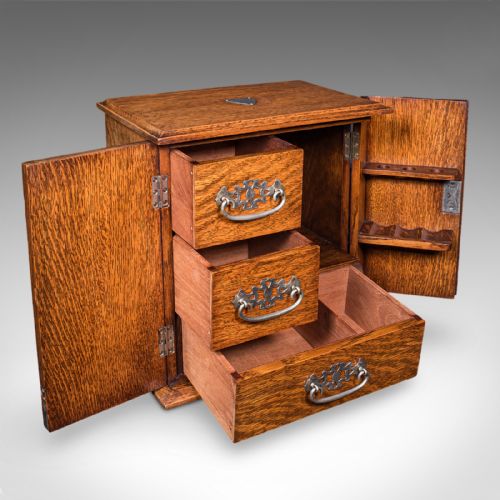
- A small enclosed cupboard designed to store pipes, tobacco, and matches. These pieces often include internal drawers and specialised compartments.
Dark Oak Desk Accessory: Frequently Asked Questions
What is a dark oak desk accessory?
A dark oak desk accessory is a functional or decorative item made primarily of oak for use on a study table. Examples include inkstands, letter racks, book stands, and calendars.
These pieces date from the nineteenth and early twentieth centuries, reflecting periods such as the Victorian and Edwardian eras. They combine utility with traditional woodworking and metal fittings.
How were desk accessories used?
These items organised correspondence, held stationery, kept books upright, and managed daily tasks in a study or office. Letter clips secured loose papers, while smoking cabinets stored tobacco and pipes.
Many pieces were designed for daily interaction, featuring working parts like extending book slides or movable calendar dates.
How do I date a piece?
Dating relies on stylistic clues, construction methods, and materials associated with periods like the Victorian era, Arts and Crafts movement, or Art Deco. Gothic Revival details point towards the nineteenth century, while simpler forms often align with Edwardian production.
Hardware such as brass clips, hinges, and fasteners also help establish the manufacturing era.
How do I care for dark oak?
Dark oak benefits from minimal intervention, keeping it away from direct heat sources and strong sunlight to prevent the timber from drying out. Dusting with a dry or slightly damp cloth maintains the finish without harming the wood.
Avoid harsh chemical polishes that can build up on carved surfaces or damage antique metal mounts and brass details.