


Edwardian Bedroom Storage Chest
An edwardian bedroom storage chest provides traditional utility, bringing timber grain and period proportion directly into domestic spaces.
Edwardian Bedroom Storage Chest
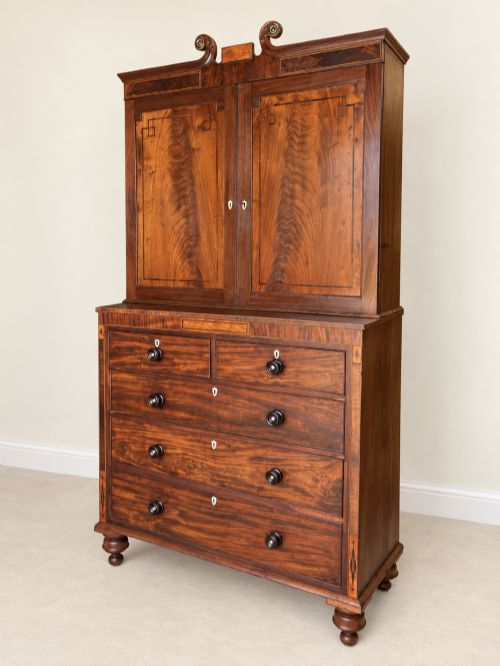
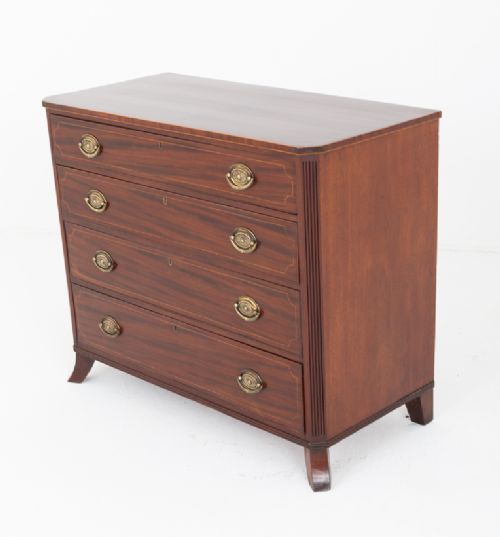
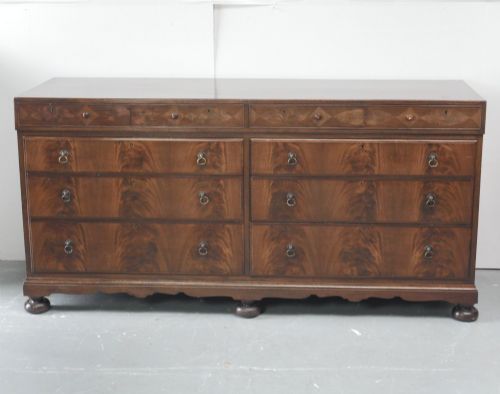
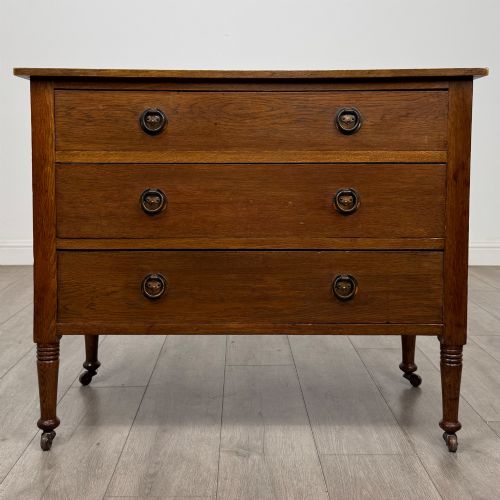
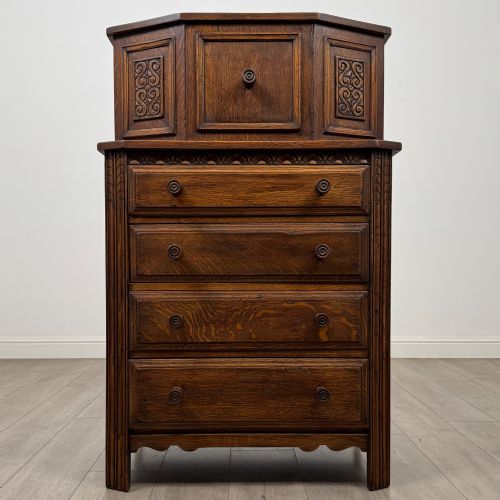
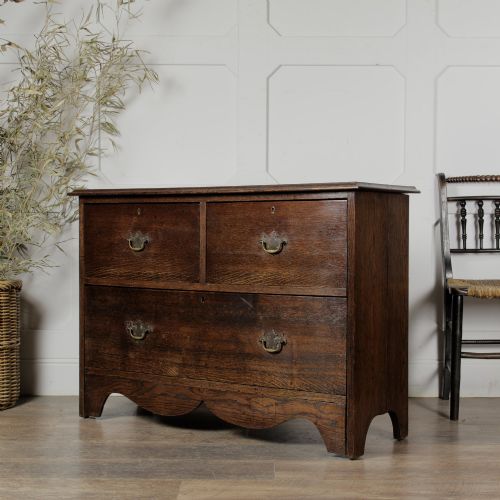
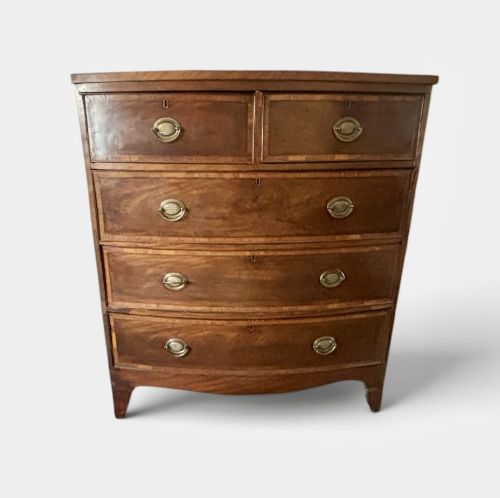
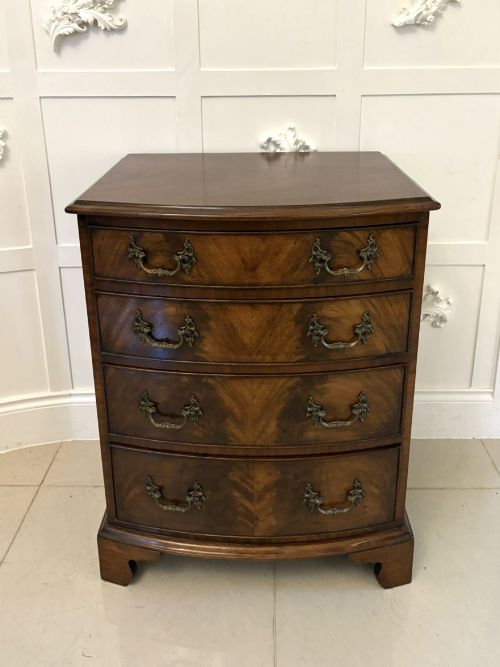
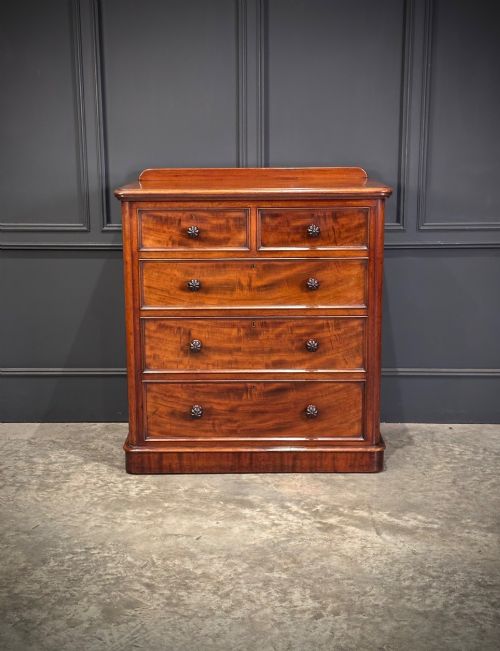
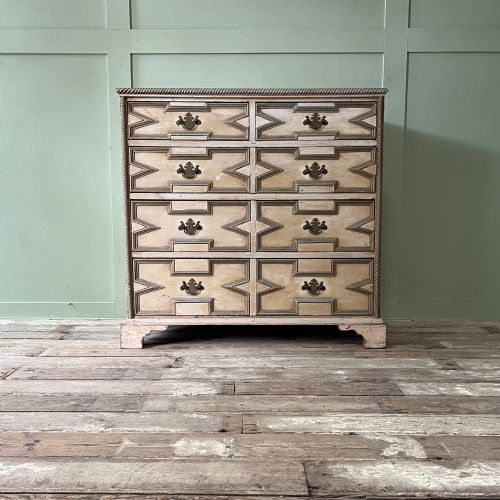
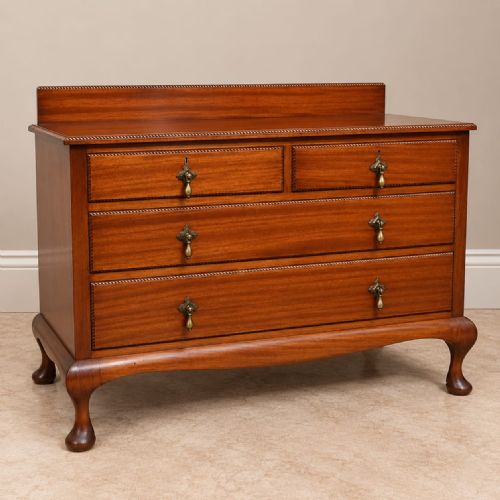
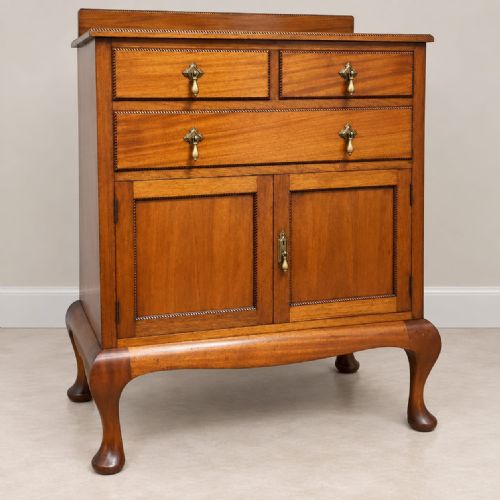
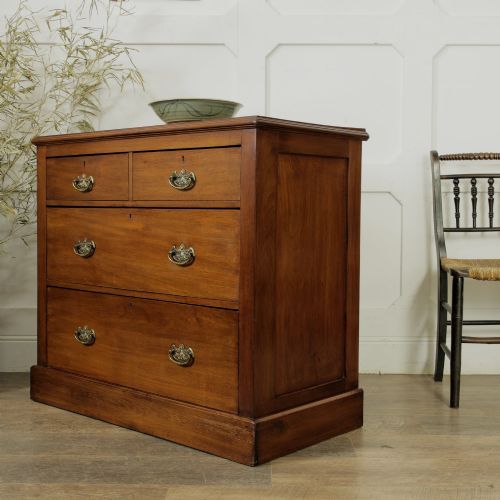
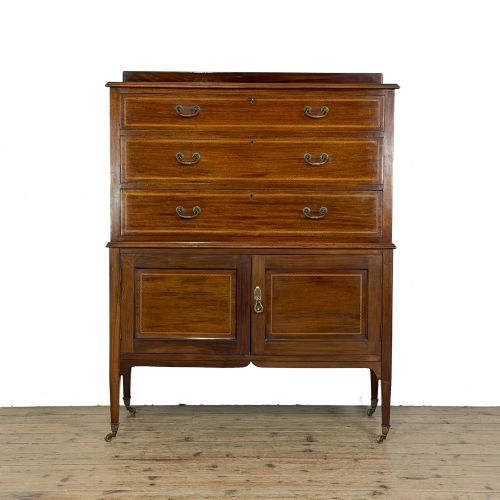
An edwardian bedroom storage chest encompasses practical drawer units, tallboys, cupboards, and linen presses originating predominantly from the Edwardian period alongside associated Victorian, Regency, and Georgian revival eras. Buyers searching for an edwardian bedroom storage chest will frequently encounter solid or veneered timber constructions in forms ranging from compact three-drawer pieces to grand bow front designs.
The inventory on this page demonstrates broad stylistic crossover, incorporating Sheraton, Hepplewhite, and Queen Anne revival influences alongside utilitarian oak and painted pine examples. These diverse objects share a primary purpose of domestic organisation, executed through traditional cabinetmaking techniques spanning the late nineteenth and early twentieth centuries.
Materials and Construction
Cabinetmakers utilised durable hardwoods and softwoods including oak, mahogany, walnut, satinwood, and pine, often enhancing plain surfaces with decorative veneers, flame mahogany figuring, or satinwood banding. Structural integrity relied on traditional joinery techniques, ensuring drawer frames and carcases withstood daily domestic use.
Surface treatments range from clear polish highlighting natural timber grain to original brown scumble paint and limed finishes. Brass hardware frequently complemented the primary wood, securing drawer fronts and cabinet doors with functional metalwork.
Listings feature oak, mahogany, walnut, satinwood, pine, and painted finishes across Edwardian, Victorian, and Regency revival styles.
The Spectrum of Quality
Quality in these storage pieces rests upon the selection of timber veneers and the precision of the cabinetmaker's joinery. Superior examples display carefully matched wood grains, such as figured mahogany or burr walnut, alongside well-proportioned revival styling.
The handling of secondary details, including inlaid stringing, painted finishes, and original brass fittings, separates standard utilitarian chests from distinguished workshop productions.
Whytock And Reid·Sir Clough Williams Ellis·Jas Shoolbred·Druce And Co
The Edwardian Bedroom Storage Chest Glossary
- Bow front
- A curved front facade projecting outward in a convex shape. This configuration appears frequently on mahogany and walnut chests.
- Tallboy
- A tall chest of drawers standing higher than a standard dresser, often combining a lower chest base with upper drawer sections or a cupboard.
- Satinwood
- A durable, yellowish wood utilised for fine veneers and decorative inlay banding on polished cabinet surfaces.
- Scumble paint
- A decorative surface finish applied over a base coat to imitate natural grain patterns or create mottled textures on pine furniture.
- Linen press
- An enclosed storage cabinet traditionally designed for storing household linens, featuring internal sliding trays or shelves behind doors.
Edwardian Bedroom Storage Chest: Frequently Asked Questions
Where should I place a chest in a bedroom?
These storage pieces suit placement against primary bedroom walls where their depth can accommodate clothing without obstructing walking routes.
Their substantial timber carcases also provide a sturdy surface for displaying lamps or decorative objects above the drawer compartments.
How do I identify an Edwardian piece?
Edwardian items typically display lighter proportions and brighter timber tones compared to heavier Victorian predecessors, alongside revival stylistic influences.
Drawer construction methods and secondary timbers inside the carcase further assist in confirming the manufacturing era.
What is a tallboy used for?
A tallboy offers vertical storage capacity, making it suitable for rooms with limited floor space where wide drawer units might not fit.
The elevated configuration provides multiple tiers of drawers or upper cupboards for organising folded garments and linens.
How do I care for polished wood surfaces?
Maintain polished mahogany, oak, and walnut surfaces by dusting regularly with a soft dry cloth to prevent particulate accumulation.
Avoid placing timber furniture near direct heat sources or strong sunlight to protect the polish and natural grain from fading.