




Edwardian Bedroom Bench
Edwardian bedroom benches are versatile seats and stands designed for domestic repose, combining practical utility with refined period styling.
Edwardian Bedroom Bench
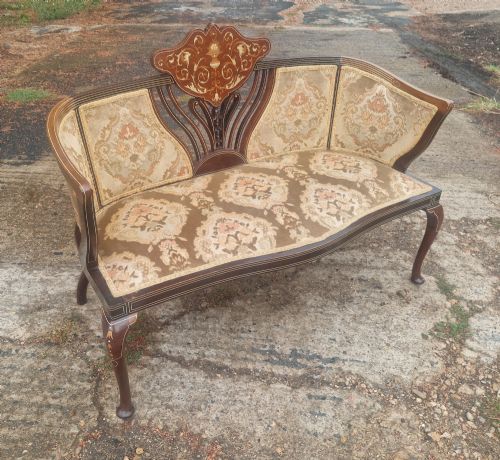
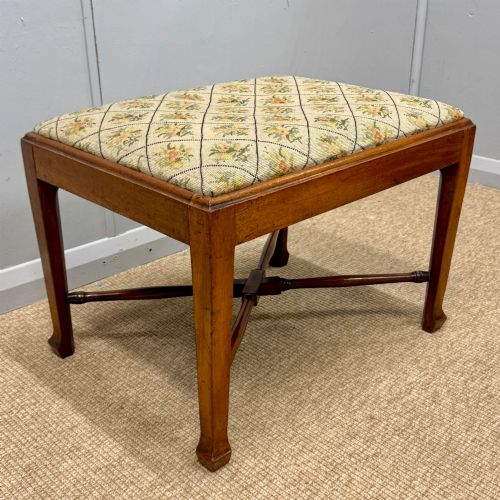
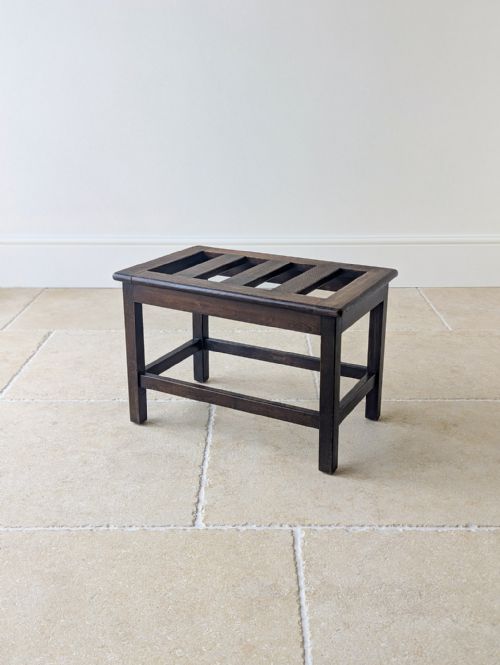
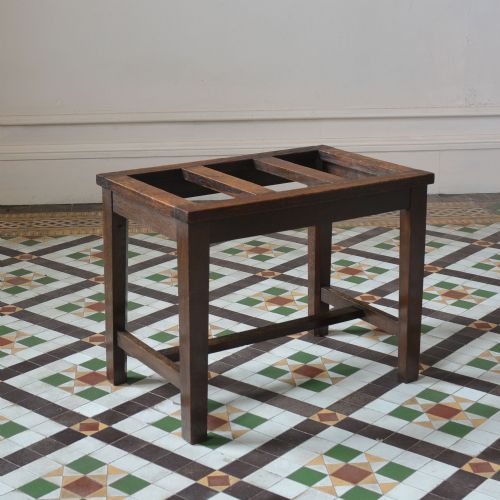
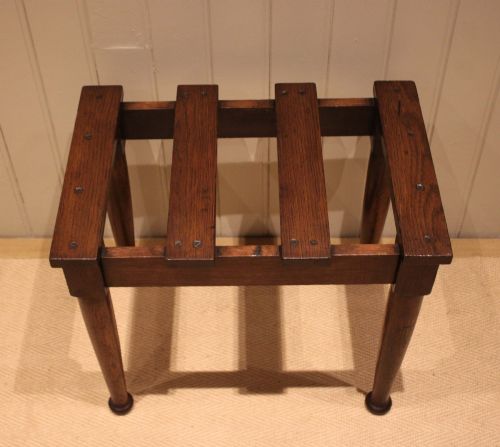
An edwardian bedroom bench encompasses a varied group of seating and luggage furniture found in domestic spaces, most frequently appearing as luggage stands, window seats, and end of bed sofas. These pieces draw upon Edwardian, Victorian, and Georgian Revival styles, reflecting the eclectic tastes of their period of origin.
The selection ranges from compact dressing table stools and piano stools to larger settees and window seats. Oak, mahogany, and walnut form the structural core of these furnishings, often paired with textile elements such as velvet and fabric.
Makers and manufacturers of the time produced both utilitarian pieces, such as hotel luggage racks, and decorative furniture intended for the principal chambers of the house. The forms bridge the gap between seating and surface utility, serving specific functions at the foot of a bed or beside a window.
Materials and Technique
Timbers such as mahogany, oak, walnut, and satinwood provide the structural framework for these items, shaped into straight or turned supports and occasionally fitted with brass hardware. Inlaid details using bone or contrasting woods add decorative surface pattern to mahogany and satinwood frames.
Upholstery techniques involve traditional stuffing and covering in materials including velvet and new fabrics, supporting both daily sitting and the placement of luggage. Canework and painted finishes also appear on lighter couch and window seat forms from the early twentieth century.
Listings feature woods including mahogany, oak, walnut, and satinwood alongside brass fittings and upholstered velvet.
Standards of Execution
The distinction between tiers rests upon the precision of the timber joinery, the crispness of any inlaid decoration, and the integrity of the structural frame. Pieces utilising dense hardwoods like mahogany or walnut with well-executed turning demonstrate superior manufacturing intent compared to simpler utilitarian variants.
Surface finish and the preservation of original polish or appropriate restoration dictate the visual coherence of the piece. Superior examples exhibit harmonious proportions, clean lines in the woodwork, and faithful upholstery execution that respects the period style.
James Shoolbred
The Edwardian Bedroom Bench Glossary
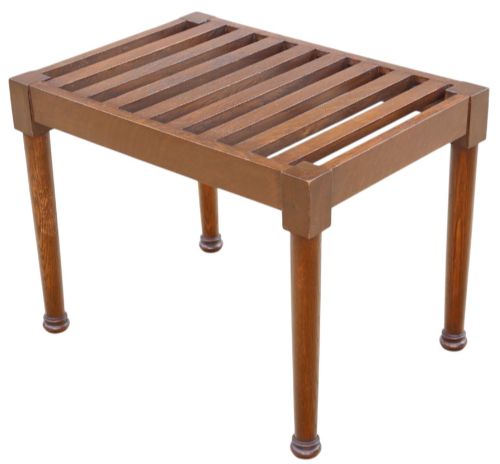
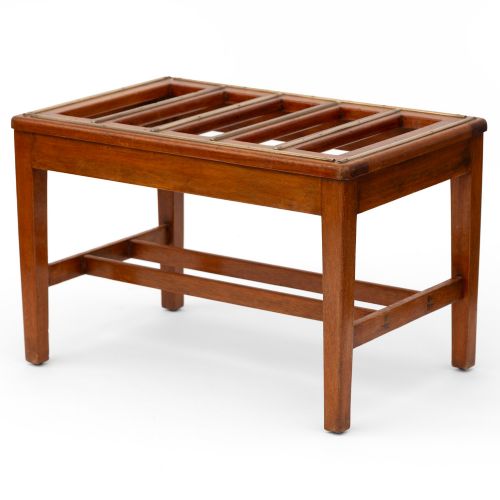
- Luggage stand
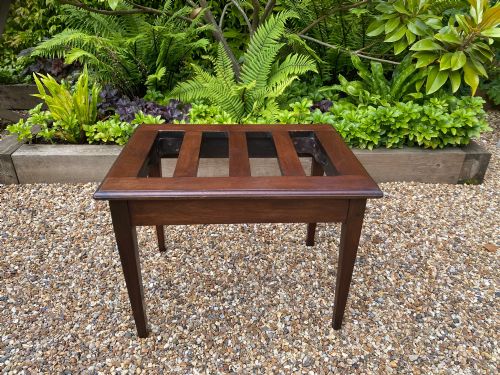
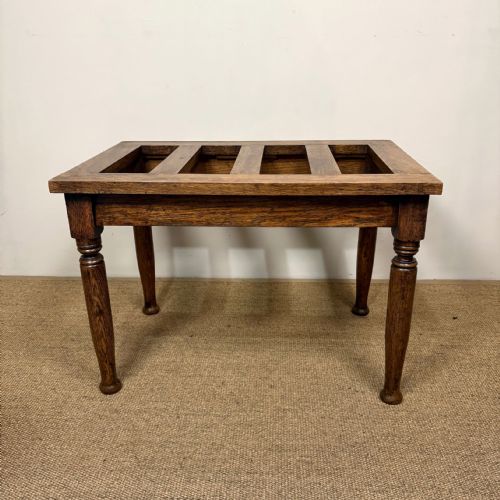
- A low folding or rigid rack designed for holding suitcases at a convenient height, often fitted with textile webbing straps. They frequently appear in oak or mahogany.
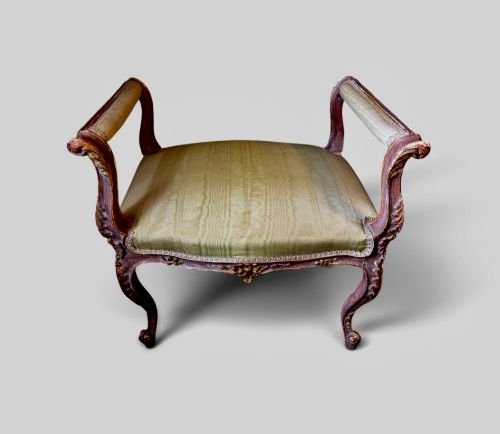
- Window seat
- A narrow bench without a full back, proportioned to fit beneath a window opening and typically upholstered on the top surface. Examples range from open framed designs to inlaid satinwood models.
- Satinwood
- A pale, lustrous timber native to India and Ceylon, prized for cabinetmaking and frequently used for delicate inlay work on Edwardian furniture. It yields a distinctive golden sheen.
- Cross stretcher
- An X-shaped wooden bracing connecting the legs of a stool or table to provide lateral stability. It appears on various dressing table and salon seating forms.
- Duet stool
- An extended seating form designed to accommodate two people side by side, commonly associated with piano playing or dressing table use.
Edwardian Bedroom Bench: Frequently Asked Questions
What is an edwardian bedroom bench used for?
These pieces serve multiple functions in domestic interiors, acting as seating at a dressing table or piano, or placed at the foot of a bed.
They also function as luggage stands for guest rooms, combining surface utility with decorative period character.
How do I identify an edwardian piece?
Edwardian furniture often displays lighter proportions than its Victorian predecessors, frequently incorporating satinwood inlay, bone details, and neoclassical revival motifs.
The use of mahogany and oak alongside early twentieth century construction methods helps distinguish the era.
Where were window seats placed?
Window seats were traditionally positioned in deep window recesses or bay windows to create a comfortable spot for reading or viewing.
Their narrow profile also suited placement along hallways or directly at the end of a bedroom suite.
What is a luggage stand?
A luggage stand is a raised rack designed to keep travel trunks and suitcases elevated off the floor for easier packing and unpacking.
Examples range from hotel grade oak stands to refined mahogany frames with raked rear upstands.